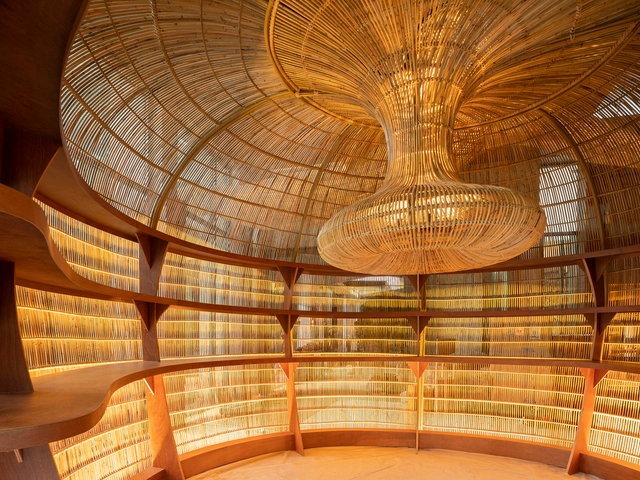
Lighting is often a numbers game — too much, and interiors lose their edge (literally), too little, and the dim atmosphere can make a space seem bland. Its importance in interior design cannot be overstated: done right, it not only accentuates a space's architectural features but also makes inhabitants feel at ease. As Carmelo Zappulla of Lighting Studio External Reference explains in a recent interview with Architonic, light is a crucial tool to add an emotional element and "animate a space." It follows that a lighting concept gone wrong can have catastrophic consequences for an otherwise perfectly designed room.
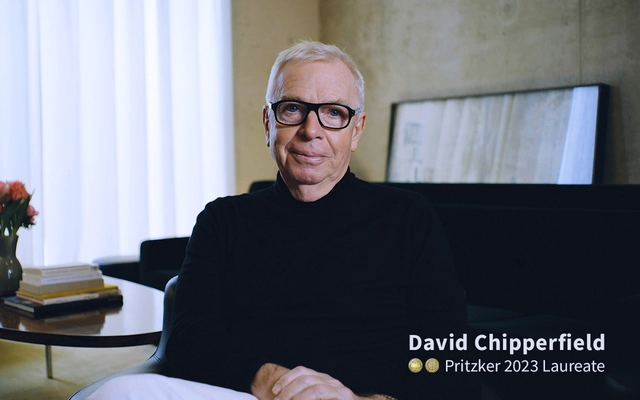
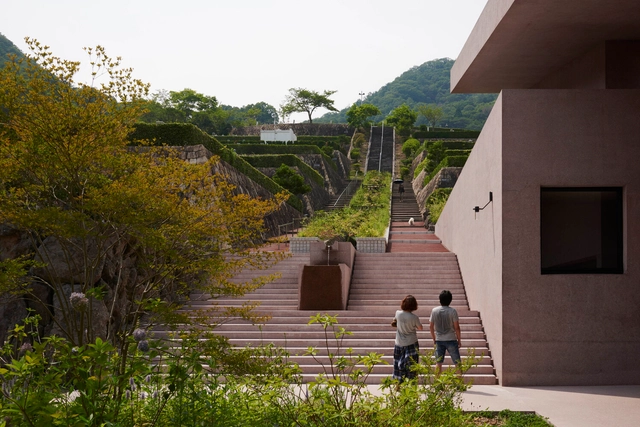
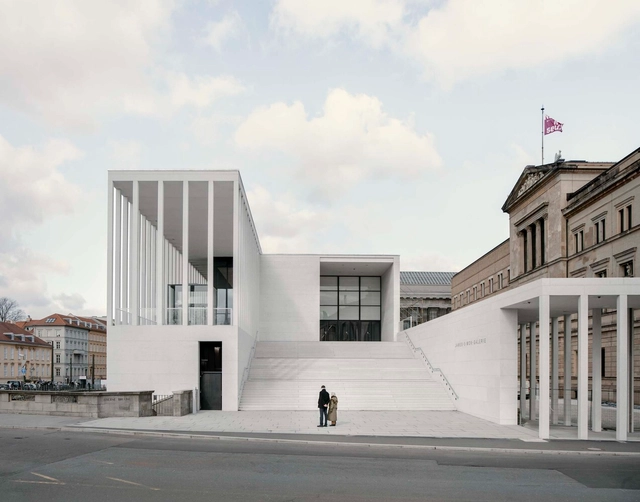
Few architects in history have had the honor and privilege of intervening in the famous St. Mark's Square in Venice — a tourist landmark of incomparable historical value to humanity. Sir David Chipperfield is one of them. As if that was not enough, he also left his mark on another project of inestimable value: the Neue Nationalgalerie, designed originally by Mies van der Rohe in Berlin. The four centuries that separate the design from its restoration seem to pose no difficulties for the 2023 Pritzker Prize winner, who rejects an international style of architecture in search of a trait that highlights local qualities.
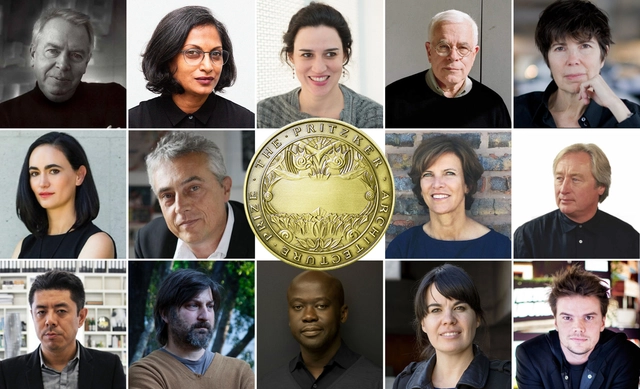
The 2023 Pritzker Prize has been awarded to Sir David Chipperfield, London-born, architect, urban planner, and activist. David Chipperfield, founded his architectural practice in 1985 in London under the name of David Chipperfield Architects, after shaping his career working with renowned architects such as Norman Foster, Richard Rogers, and Douglas Stephen. He studied art and architecture at the Kingston School of Art, graduating in 1976, and continued his studies at the Architectural Association School of Architecture in London, concluding in 1980. Today, David Chipperfield Architects has expanded to include offices in Berlin, Shanghai, Milan, and the latest office opened in Santiago de Compostela.
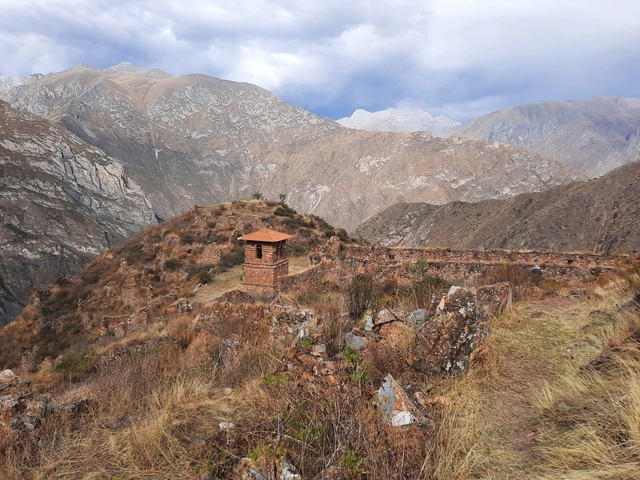
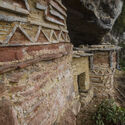
Yanacancha-Huaquis Cultural Landscape, Peru. Image Courtesy of World Monuments Fund
The World Monuments Fund (WMF) announced a commitment of more than US$10 million to go towards preservation projects to protect culturally significant places from around the globe in urgent need of intervention. The initiatives vary in scope, from winterization efforts at Ukrainian heritage sites to protecting remote archeological sites representative of Peru’s Chachapoyas Civilization. The suite of projects launching in 2023 aims to address and help mitigate the threats that heritage sites are facing: conflict, climate change, and underrepresentation.
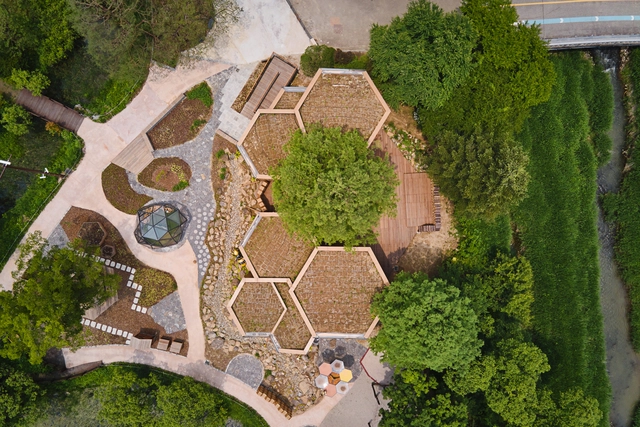
Despite not being found in nature, right angles are the most used by architects. In the search for more functionality and practicality in construction, squares and rectangles emerge as the main option when designing. On the other hand, several vernacular and ancestral architectures adopted arches and circular plans as a solution. The game of geometric shapes in the architectural composition is vast, but we cannot forget a polygon that also stands out: the hexagon.
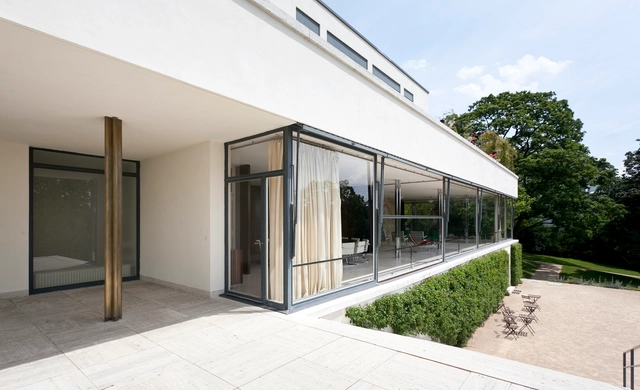
When people describe the modernist movement as a whole, they broadly reference the steel and glass skyscrapers which dot many of our cities’ skylines, or more specifically, the International Style that once emerged from Europe after World War I. The International Style represented technological and industrial progress and a renaissance of social constructs that would forever influence the way that we think about the use of space across all scales. Often designed as politically charged buildings seeking to make a statement towards totalitarian governments, many architects who influenced the style moved to the United States after World War II, paving the way for some of the most iconic buildings and skyscrapers to be built in the 20th century.
As farmers water crops by moonlight, undocumented children head to school and villagers scan the sky for surveillance airplanes—these are glimpses of a complex culture that emerges in south Lebanon after dark. In collecting some of these nightly practices, Mohamad Nahleh—lecturer in architecture and urbanism at MIT—journeyed across the landscapes of Jabal ‘Amil hoping to build a new alliance between architecture and the night. His "Path of Nightrise" research has turned into a construction to revive a forgotten river path and was published by Places Journal. The interview with Nahleh argues for a new nocturnal imagination in design and reveals, not only how the night has changed in Lebanon over time, but also how he has changed alongside it.
As part of our yearly tradition, we have asked our readers who should win the 2023 Pritzker Prize, the most important award in the field of architecture.
For those who don't know, the Pritzker Prize is funded by Jay Pritzker through the Hyatt Foundation in the United States and has been awarded to living architects, regardless of their nationality, whose built work "has produced consistent and significant contributions to humanity through the art of architecture."
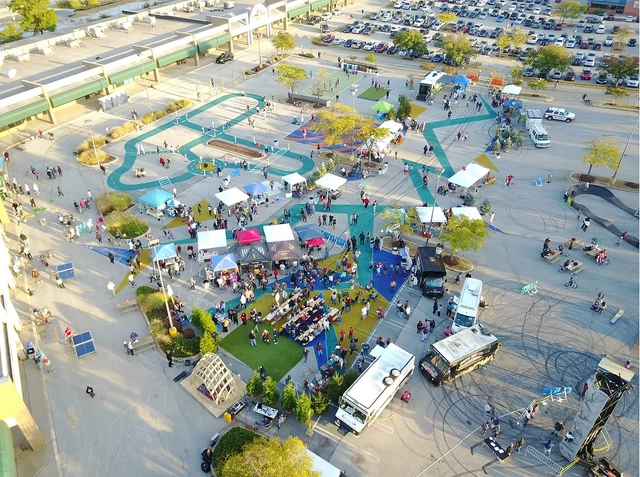
When streets lay empty, sidewalks untouched, and shutters hung heavy, the city seems lost of life. When businesses close, offices go remote and economic activity declines, the mechanisms that operate a city are idle. Vacant space and land are often perceived as “failed”, reflecting urban decline and economic blight. Emptiness, however, holds hope for possibilities and change. When urban voids are at the brink of transformation, what happens in the meanwhile?
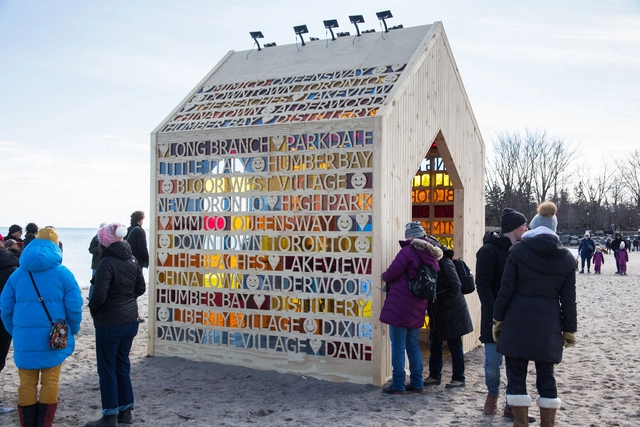
The 2023 Winter Stations has just announced eight winning projects for their 9th annual international competition. The winners were chosen from hundreds of entries from around the world, along with three student designs from Toronto Metropolitan University, Waterloo Department of Architecture, and Guelph University. The competition was first launched at Woodbine beach by RAW design,Ferris + Associates, and Curio, to capture the imagination of designers and architects to create bold designs that spark conversation, transforming lifeguard stations at Toronto’s Woodbine beach. Furthermore, since these lifeguard stations are usually dormant throughout the winter, the exhibition inspires artists to bring the public back outdoors with their unique designs.
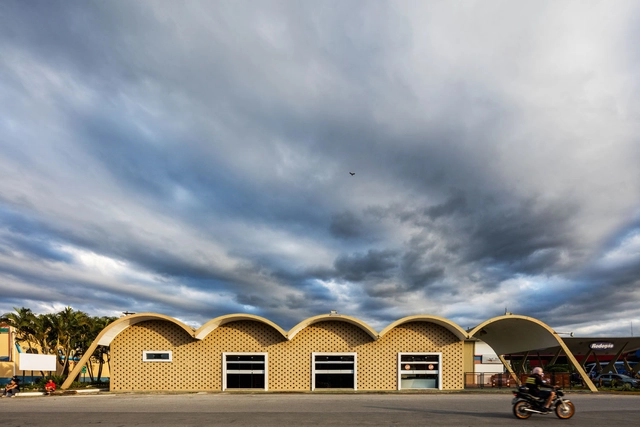
The banker Orozimbo Roxo Loureiro created the 500 Club in the early 1950s. It followed the lines of the former 200 Club, founded by President Washington Luís to bring together influential politicians and businessmen away from the spotlight of capital cities. The initial idea of a social club did not prosper, and Orozimbo decided to develop a commercial and tourist enterprise in the area, which is well positioned between the two largest Brazilian cities.
Walking through the streets of Mumbai, India, is an experience unmatched anywhere else. The energy of India’s largest and most populous city is palpable through the people, their activities, and most importantly, the built environment. The city’s dynamic culture is evidently expressed through the structures that dot its landscape.
Mumbai is an eclectic mix of buildings large and small, old and new, and traditional and modern. The city of contrasts boasts an architectural legacy that goes back over 2000 years. Located in the state of Maharashtra along the west coast of India, Mumbai hosts a variety of architectural styles such as Victorian, Gothic, Art Deco, Indo-Saracenic, Modern and Post-modern. The city is characterized by its old charm and liveliness, a diverse stage for people to pursue their dreams.
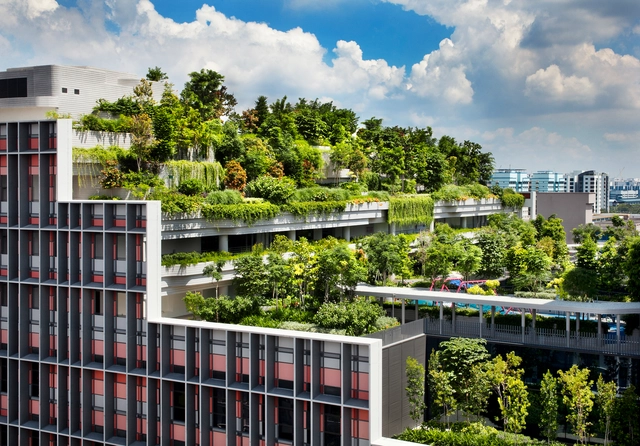
Kampung Admiralty / Ramboll Studio Dreiseitl and WOHA. Image Courtesy of WOHA
A heavily cited fact within the architecture industry is that the built environment accounts for 40% of global carbon emissions. The concerning statistic puts immense responsibility on construction professionals. The idea of sustainability in architecture urgently emerged as a way of bandaging environmental damage. A wide range of sustainability practices aims no higher than making buildings “less bad”, serving as inadequate measures for current and future architecture. The problem with sustainable architecture is that it stops with ‘sustaining’.
In order to maintain the current state of the environment, the architecture community has been working towards greener means of production. Conventionally, a green building employs active or passive features as a tool for reduction and conservation. Most sustainable designs view buildings as a vessel of their own rather than integrated parts of their ecosystem. With the planet’s current needs, this approach is not enough. It is not enough to sustain the natural environment, but also restore its processes.
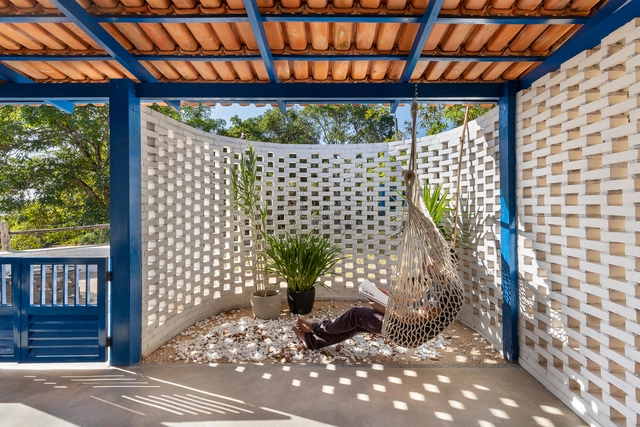
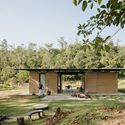
Country houses usually are found in remote areas, therefore, they often demand placement strategies that respect the context and dialogue with the landscape while bringing more thermal comfort and natural lighting. Most of the time, these solutions bring passive strategies that, along with the choice of materials and construction techniques, can provide an even more sustainable project. Get to know seven Brazilian residences that are examples of this theme.
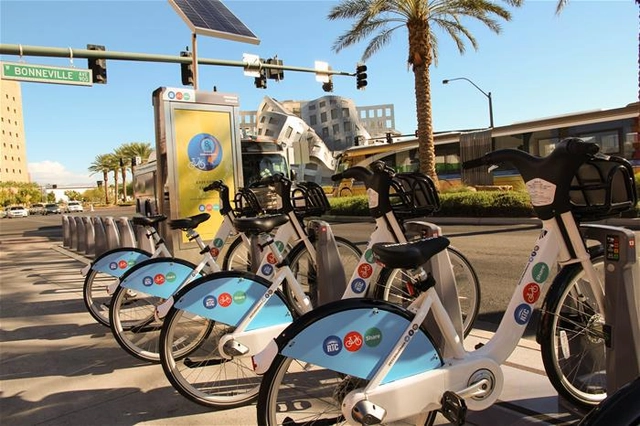
Over the last few years, bike share systems experienced a renaissance as the pandemic forced a hard decline in other forms of public transportation like trains and commercial flights where people wanted to avoid close contact with strangers. While ridership is now on a slow decline, since much of the “normal life” aspects have returned, many people continue to see bike shares as a viable means of transportation, lured by the ease and affordability of getting from place to place.
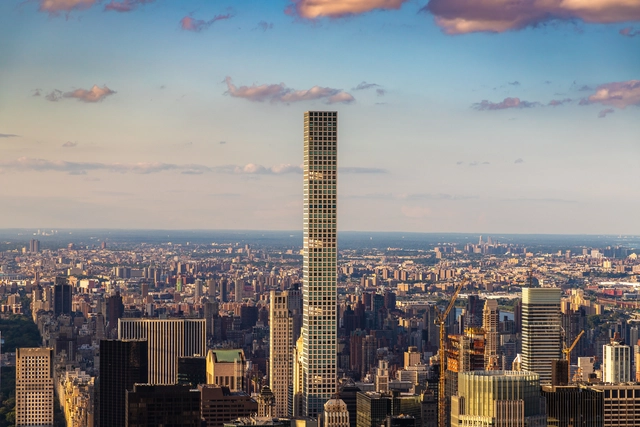
Panoramic view of 432 Park Avenue Condominiums, designed by Viñoly, in New York City, United States. Image via Shutterstock / Sergii Figurnyi
The world of architecture is mourning the death of the renowned Uruguayan-American architect, Rafael Viñoly, who passed away at the age of 78. With more than half a century of experience in the profession, Viñoly was known for his bold and imposing designs that were built in various cities around the world.
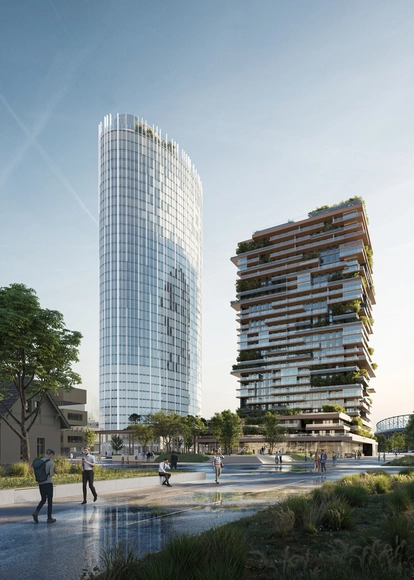
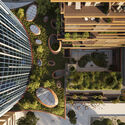
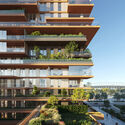
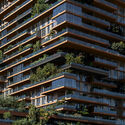
Mario Cucinella Architects has started constructing two multifunctional towers to shape Vienna’s skyline. Situated in the 2nd district in Vienna, where a dynamic urban development “Viertel Zwei”, has been in the works for some time, the project consists of two highrises, both of different architectural languages and made for different purposes, together providing a complex urban image inserted into context.