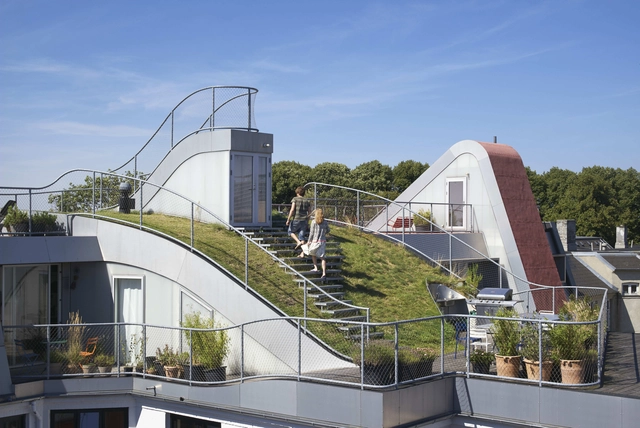
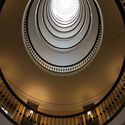
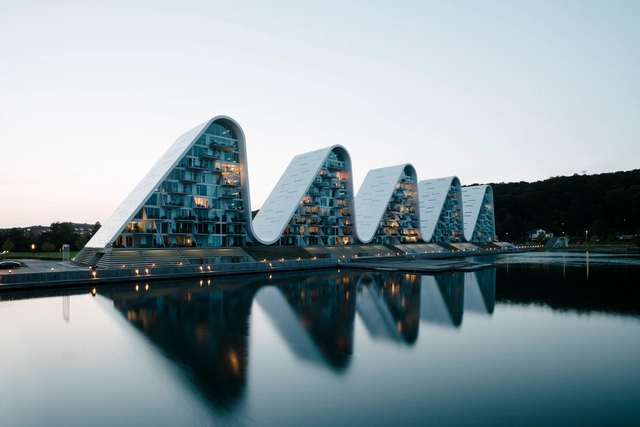
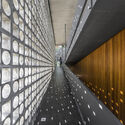
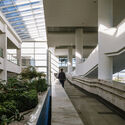
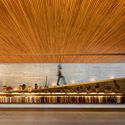
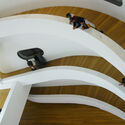
As one of the major signature events taking place in connection with Copenhagen as the UNESCO World Capital of Architecture in 2023, Open House Copenhagen has revealed more than 50 sites included in its program. The event represents an invitation for visitors to take a look inside iconic buildings that are typically only visible from the outside. Included in the list are examples of floating architecture on Refshaleøen, one of Arne Jacobsen’s masterpieces, along wth unusual spaces such as the interior of a power plant or an underwater passage tunnel. Open House Copenhagen takes place on the weekend of March 25–26 2023. The event is open for everyone and is free of charge, but registration is required.
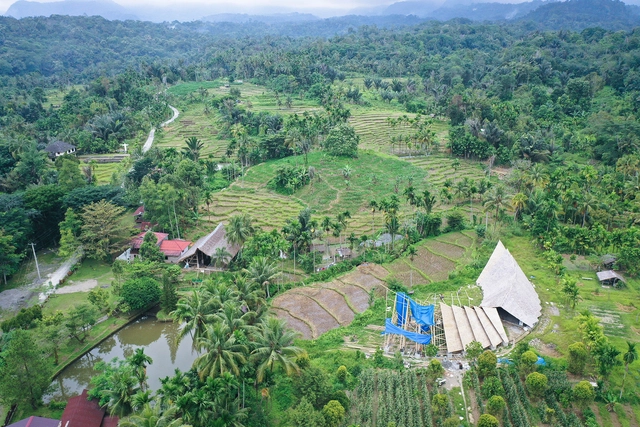
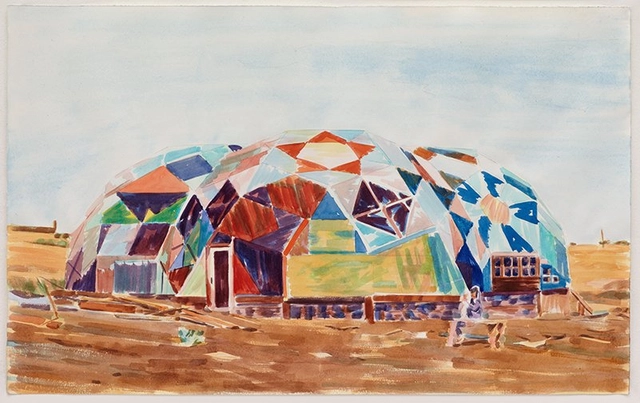
The Architecture in Development Global Challenge has just announced the finalists for the 2022 edition of the competition. Highlighting and celebrating the ongoing efforts of self-built community-led initiatives worldwide, the Global Challenge offers a platform for those initiatives while connecting partners and collaborators globally.
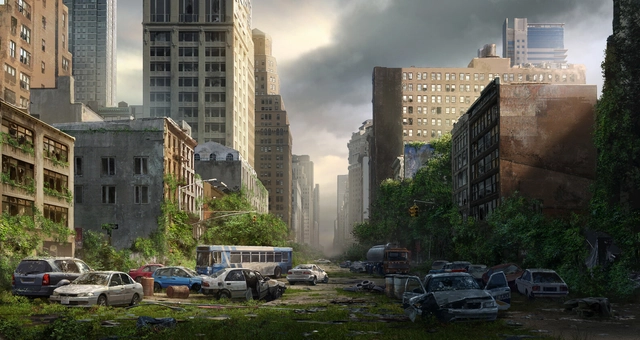
We’re all familiar with the plot of a movie that occurs in a city still standing in a post-apocalyptic era. The streets are empty, except for a few survivors who wander aimlessly, searching for signs of life. Buildings begin to crumble and rust away after years of neglect, public transportation sits idle, and overgrown weeds spring from the cracks in the unmanaged sidewalks and streets. The scene feels eerie because we can’t imagine letting our physical environment sit in decay. It seems impossible that our built environments where we live and work each day suddenly fall silent. It’s a city without a pulse.
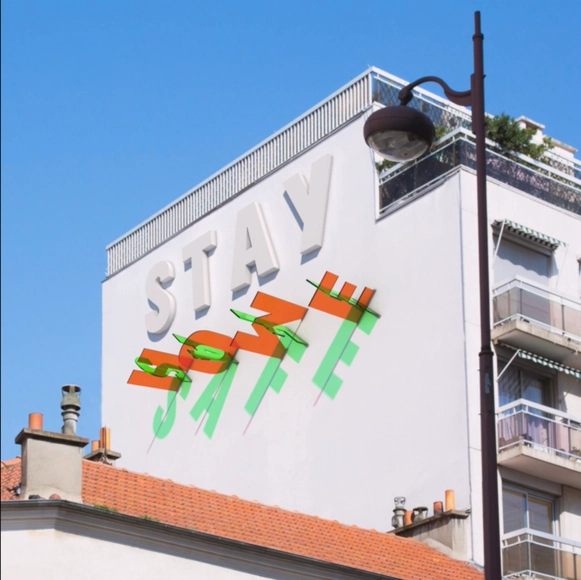
When transparent facade elements deliberately evolve from the course of the sun, we can explore a fascinating slow movement in stark contrast to the hectic urban street life on the ground. Especially the French designer Pierre Brault has responded to the accelerated rhythm of our society with facade installations that combine the principle of the sundial with colorful pop design. His three-dimensional works made of recycled colored plexiglass mesmerize through simple but dramatic movements of colored shadows. In the interview, Brault explains his inspiration, the experimental approach and his interest in working responsibly with material.
The Law of Polarity holds good in relation to human society and cultures as well - everything has an opposite. Countercultures have erupted as condemnations of “the ways of the world”. A countercultural movement expresses the ethos and aspirations of a population during a specific time. As new lifestyles are explored, supporting architecture evolves to satiate the utopian ideals of new societies. Architecture is a product of the culture it is designed for.
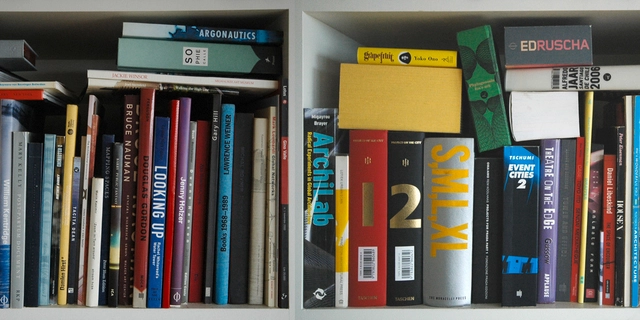
The Danish Architecture Center (DAC) has announced that the first permanent exhibition on Danish Architecture will open on March 24, 2023, in Copenhagen. The exhibition titled “So Danish!” tells the story of the evolution of architecture in the country, starting from the Viking Age and continuing to the present day. By presenting this history, it aims to help visitors understand the role and influence of architecture in the Danish democratic society.
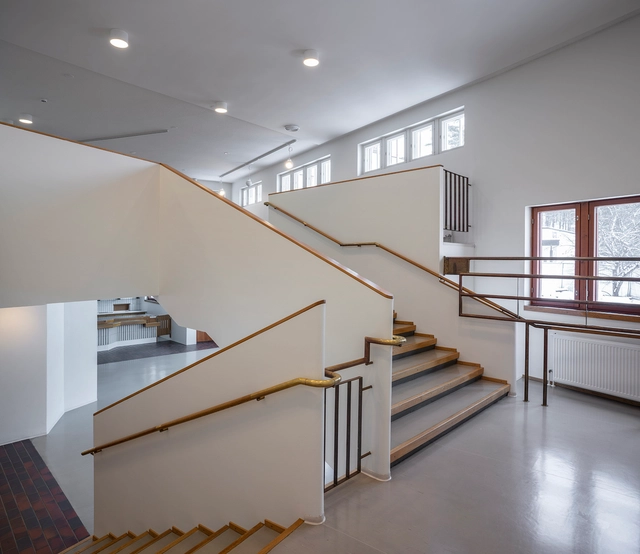
The new Aalto2 Museum, designed by A-Konsultit Architects, will showcase the cultural legacy of the architecture and design of renowned architect Alvar Aalto. The Museum will open to the public on 27 May 2023, fulfilling the architect's desire to establish a venue for the fusion of various mediums and art forms at the Ruusupuisto park in Jyväskylä, in Central Finland.
The Alto2 Museum Centre comprises three buildings: the renovated Alvar Aalto Museum, the Museum of Central Finland, and the new addition of the Aalto2 center which will join them this year. The original Alvar Aalto Museum will open its doors after having undergone structural repairs, and changes in facilities to serve the new Aalto2 concept. The Aalto2 design connects both museums and is based on an international competition held in 2015, which attracted nearly 700 entries worldwide, demonstrating the international appeal of Aalto’s architectural style.
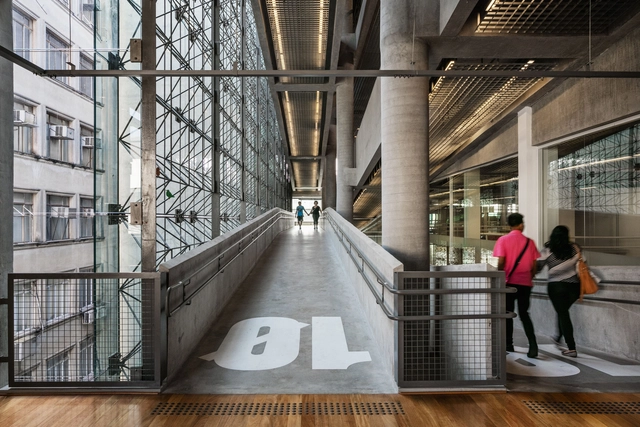
The ramp is one of the architectural elements that, besides facilitating movement between different heights and floors, provide greater accessibility to spaces. In Brazil, a series of decrees and regulations seek to ensure citizenship rights and promote equality and social inclusion of people with disabilities, which permeates issues related to their mobility and freedom to come and go. Architecture plays a key role in this inclusion, by devising strategies to ensure that these people can transit, participate and interact in any environment, whether public or private.
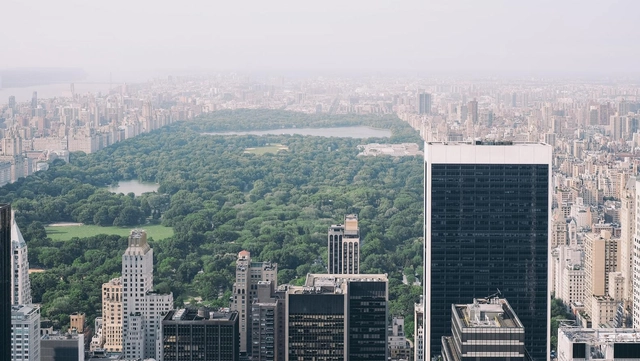
Infrastructure is widely known by the population in general, defined simply as a set of fundamental services for the socio-economic development of a region, such as sanitation, transportation, energy, and telecommunication. The commonly presented examples always refer to man-made physical structures. However, a new concept of infrastructure has emerged in recent decades, driven primarily by the urgent need for reconciliation between humans and nature for the survival of species.
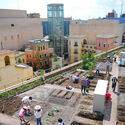
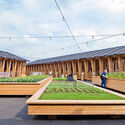
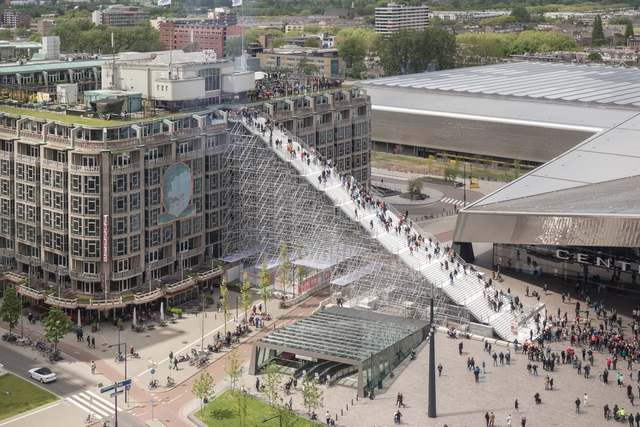
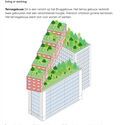
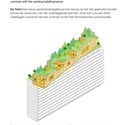
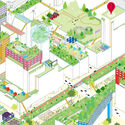
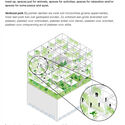
Highlighting an untapped spatial resource, MVRDV's Rooftop Catalogue, in collaboration with Rotterdam Rooftop Days, is now available online for free. Commissioned by the City of Rotterdam, the Rooftop Catalogue presents 130 innovative ideas to make use of Rotterdam's empty flat roofs, showcasing a potential new phase in the city's development and illustrating how reprogramming rooftops can help with issues such as land scarcity and climate change while also addressing the practical side of repurposing these spaces in terms of construction options and suitable sites.
Beyond light as a physical phenomenon perceptible by the human eye, daylight is an inexhaustible architectural resource that is sometimes taken for granted. Just like the air we breathe, we are all aware of the existence of light, but rarely do we seek to do anything else with it. It is essential to recognize its presence as an enabler of experiences in space, due to its intrinsic relationship with architecture and human beings.
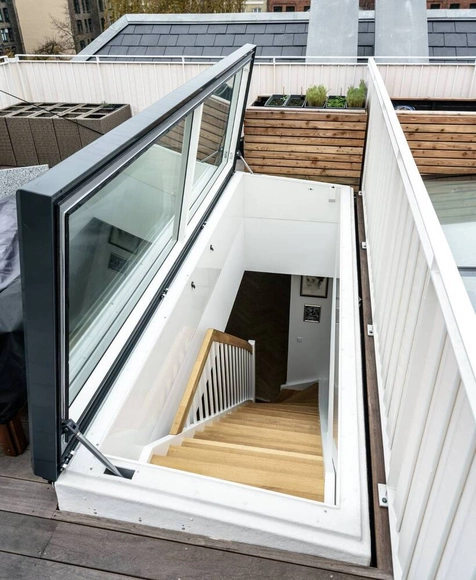
The incidence of light in architecture directly influences the way we perceive the passage of time. Since ancient times, constructions such as ziggurats have integrated strategies to capture the changing daylight through their roofs, evolving and remaining present in modern constructions such as the Villa Savoye. More recently, the flatness of roofs in contemporary buildings has been a great resource for incorporating architectural elements that also allow them to be inhabited, such as roof access hatches, which serve as a link between natural light and roof terraces.
Below, we review some of the latest technologies in skylights and access hatches, such as those developed by LAMILUX.
https://www.archdaily.com/997903/the-threshold-between-daylight-and-architecture-flat-roof-access-hatchesEnrique Tovar
In each region of the globe, vernacular constructions of the most varied kind emerged, whether buried underground, inside caves or even built with stones, wood and fabrics. Shelter solutions were based on available materials and weather conditions. The architecture arises from the development of these shelters, built to protect people from predators and the weather.
The construction solutions employed thousands of years ago have evolved and become increasingly complex but kept a common goal: dealing with the weather.
Koolhaas' journalism work won him fame in architecture before he completed a single building. The switch from storyteller to architect was more a change in the script than a professional shift. He pointed out that "[architecture] is a form of scriptwriting that implicitly describes human and spatial relationships." Restating the role of architecture in defining daily life beyond buildings and cities' construction, architecture is also a written and spoken tool capable of explaining daily worldwide events, giving voices to unspoken projects, and actively shaping the future of the architect's role.
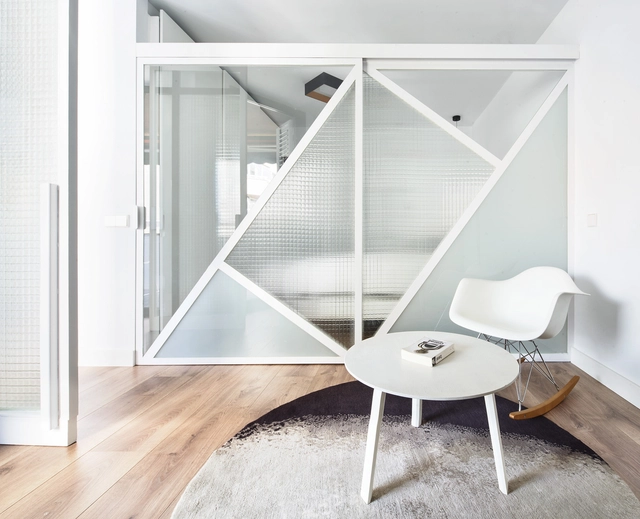
Glass is one of the most important discoveries of mankind. Originally used as a cutting tool, it has been around for about 75,000 years. The first records of glass making, however, date back to the Egyptian and Mesopotamian. Since then, the mastery of the manufacturing technique has been developing in different civilizations and nations until the Industrial Revolution popularized the material and allowed its production on a large scale. In architecture, glass was first used as a sealing element around 100 AD.
Besides reflecting the aspirations of a society, public spaces also configure the scenarios in which new ideas of coexistence and the collective can emerge from their qualities. Thinking about the streets, squares, parks, and even nature is a way of dealing with common ideals and ensuring the social dynamics in the relationship between bodies and the environment.
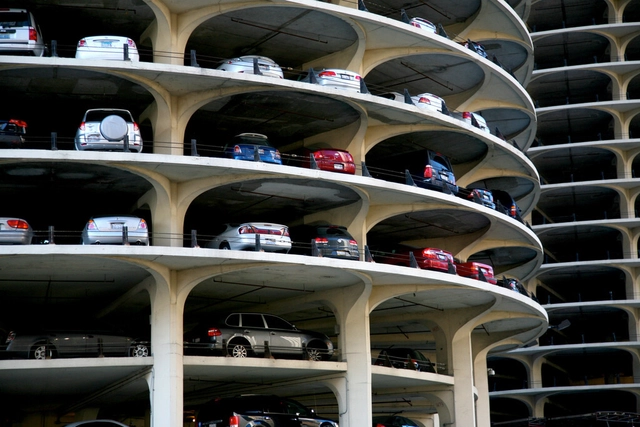
For every car that drives on the road, we need to find a place to put it- but are parking garages the answer? Parking garages are often seen as the antithesis of people-friendly urban planning. Large gray boxes are used solely to store cars that make temporary visits and seem like a poor use of space, especially in cities where land comes at a premium. Because of these garages, urban cores have quickly been transformed into parking districts, where vehicle storage dominates the aesthetic of a business district. Building codes only contribute to the problem, where the number of spaces is passed down as a mandate, even spreading out into suburban areas. Parking garages are everywhere- flanking shopping malls, connecting to residential towers, and surrounding sporting venues.
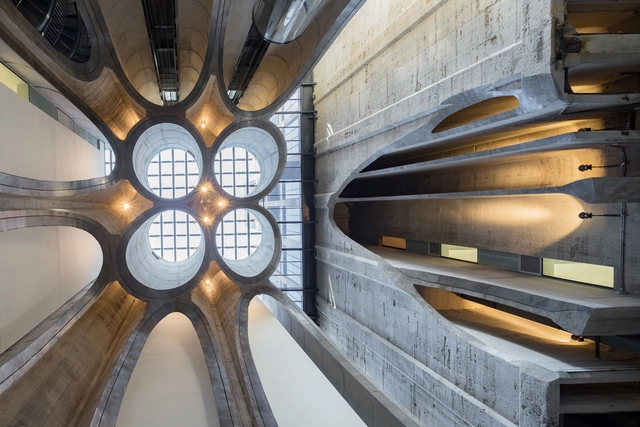
Hulking, imposing, and utilitarian, silos are an enduring urban feature, structures typically used for the storage of materials in bulk. They are important physical elements of the agricultural industry, storing grain, fermented feed, and other foodstuffs. These tall, typically cylindrical forms remain the subject of architectural fascination — from being symbols of technological progress for Modernist architectural figures of the early 20th century, to in contemporary times, instigating inventive approaches to adaptive reuse.
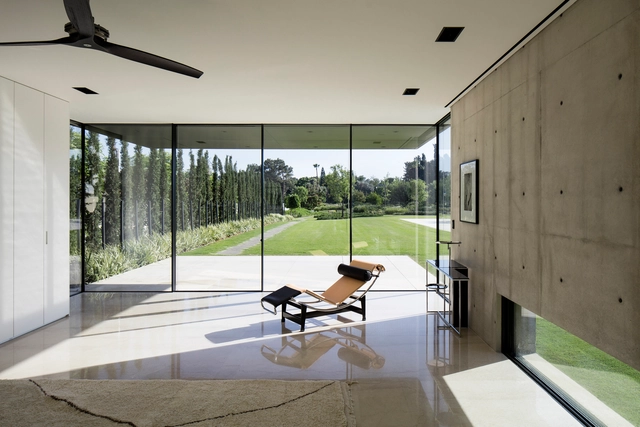
Le Corbusier once described architecture as “a learned game, correct and magnificent, of forms assembled in the light.” Natural light –and its accompanying shadow– plays a crucial role in shaping our perception of architecture, serving a long list of functions that define how users experience, engage and interact with buildings. From illuminating and accentuating to enhancing views and evoking warmth, the presence of daylight has the power to set a room’s tone and aesthetic language. It even has a significant impact on human health and well-being, including boosting mood and productivity, regulating circadian rhythms and reducing eyestrain and headaches –it makes our lives brighter, literally.