Subscriptions are quickly becoming an integral part of everyday life. For example, streaming platforms have completely replaced the need to own video cassettes, while ride-sharing services partially cover the need to own a private car. Subscriptions have been largely understood as digital services, but a new trend suggests that the same concept could be transferred to physical objects in the near future. Instead of owning a fridge, a washing machine, or even light bulbs, one could acquire a subscription to ensure the freshness of produce, clean clothes, and a well-lit home.
The concept is known as the “subscription-based economy,” a variant of the “circular economy” notion. It postulates that instead of owning some of the objects used every day, one could subscribe to a service to gain access to the same benefits, but without the need to own, maintain or dispose of the object in question. Consumers no longer buy products; they buy access to services. Sometimes, it would mean simply leasing the object instead of purchasing it, but the model goes one step further. It inscribes a shift of responsibility and mentality. Because consumers no longer own the objects, the responsibility to reuse and recycle falls to the producers, who are now in charge of the entire life cycle of the objects they create.
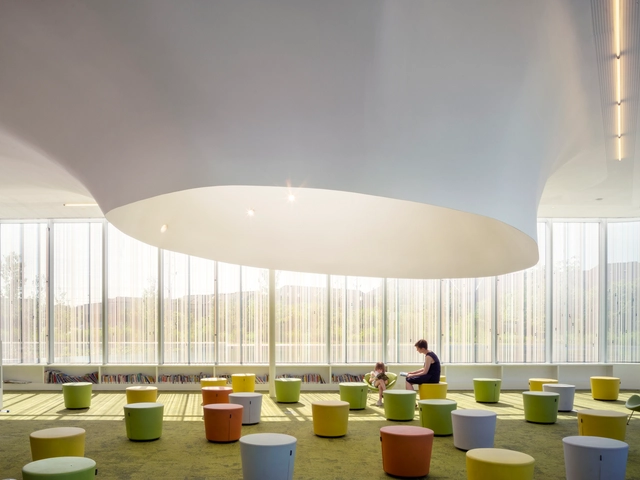
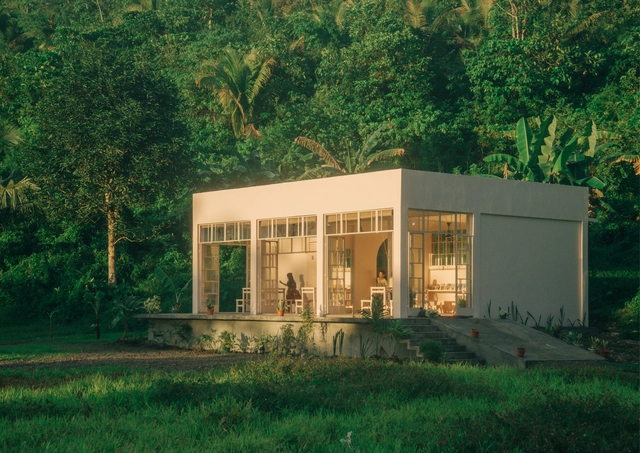
Children's Learning Center, Mas-in Village / Native Narrative. Image
Since the first civilizations, nature has been a fundamental pillar to serve humanity as a natural habitat, offering shelter, food, and medicine. In modern times, industrial and technological revolutions have taken over the landscape, reshaping the way humans interact with nature. However, today and due to the events that we have experienced as a society, it is necessary to focus on creating cities and spaces that integrate nature into everyday life.
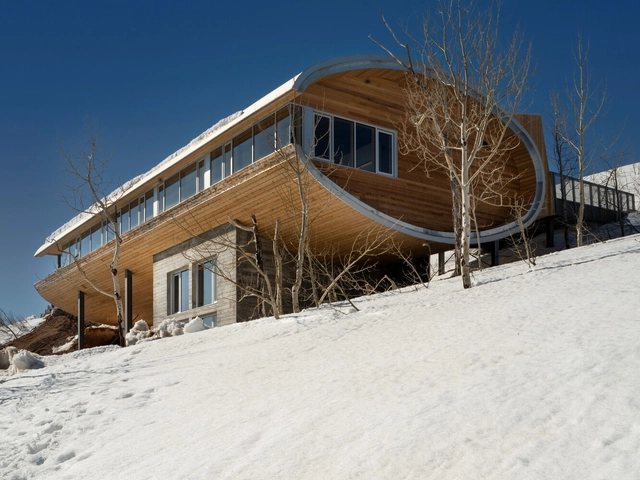
House at 9,000 feet, Intermountain Region of the United States. Image Courtesy of MacKay-Lyons Sweetapple Architects
The Canadian Wood Council has announced the winners of the 39th annual Wood Design & Building Awards program. The awards program honors and recognizes the remarkable contributions of architects worldwide who excel in wood design and construction. This year, the program attracted a record 181 nominations from 25 different countries, and 24 winning projects were chosen from the excellent pool of submissions.
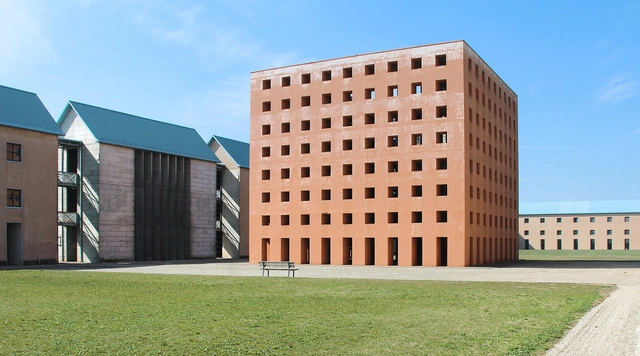
San Cataldo Cemetery. Photo by Trevor Patt, via Flickr. CC BY-NC-SA 2.0 license
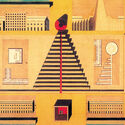
Cemeteries are among the architectural programs with the greatest symbolic value. They suggest rituals, rigor and solemnity while offering some comfort or hospitality, if not for those who bid farewell to their loved ones, at least to "guarantee" a dignified afterlife for those who have passed away. The San Cataldo Cemetery, designed by Aldo Rossi and Gianni Braghieri, fulfills the first part of the previous statement. Partly because the project was not entirely built, austerity and empty spaces predominate. But when considering the proposed project, perhaps the aridity would remain, and the harshness would be felt more forcefully. Composed of buildings with almost abstract, pure shapes, without noble details or cladding, the cemetery project is a good example of Aldo Rossi's production at the time of its conception, around 1970.
Richard Kelly illuminated some of the twentieth century’s most iconic buildings: the Glass House, Seagram Building and Kimbell Art Museum, to name a few. His design strategy was surprisingly simple but extremely successful.
Lighting for architecture has been and still often is dominated by an engineering viewpoint, resigned to determining sufficient illuminance levels for a safe and efficient working environment. With a background in stage lighting, Kelly introduced a scenographic perspective for architectural lighting. His point of view might look self-evident to today’s architectural community, but it was revolutionary for his time and has strongly influenced modern architecture.
Architect and planner Peter Calthorpe has a new book coming out, Ending Global Sprawl: Urban Standards for Sustainable Resilient Development. But when I called Calthorpe last week to interview him about it, he was more interested in talking about something else: last year’s passage in California of AB 2011, the so-called “Affordable Housing and High Road Jobs Act of 2022.” That’s legislation intended to significantly increase housing production by allowing construction on commercially zoned property. Calthorpe had an active hand in crafting many aspects of the bill, which is scheduled to go into effect on July 1.
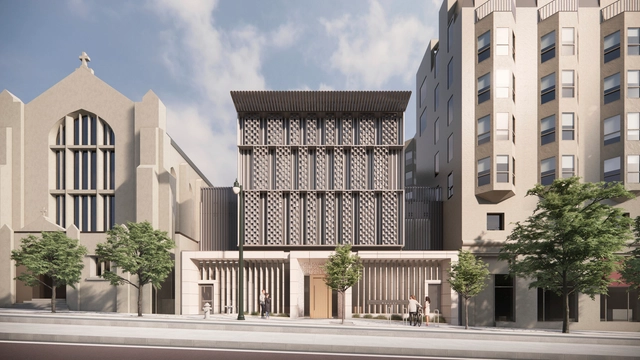
Designed by Skidmore, Owings & Merrill (SOM), the new American Buddhist Cultural Society Temple, also known as the San Bao Temple, has broken ground in San Francisco, California. Located on Van Ness Avenue, the new six-story facility will include a community center, a Buddhist shrine, and a meditation room on the upper levels, along with three levels of private dormitories for visiting monastics and volunteers. In the center of the building, a light-filled atrium offers additional amenities, such as a public art gallery, bookstore, teahouse, and community gathering hall. The temple is expected to open by the end of 2024.
Since Yuri Gagarin's iconic pioneering flight in 1961, only 565 human beings have had the privilege of traveling into space. This extreme venture requires a high degree of devotion, extraordinary physical and intellectual preparation, and huge investments. Space exploration has the potential to benefit humanity in many ways, especially regarding the development of new technologies and the generation of scientific knowledge. Many of these technologies are already available to the public, such as GPS, water filters, or highly resistant fabrics. But while we often imagine astronauts floating in space and observing the Earth from a unique vantage point, many of them face the difficulty of sleeping and resting in space due to the lack of natural light. It is this issue that motivated a group of young Danish architects to develop a solution to improve the daily lives of astronauts in space, but also of many people on planet Earth who suffer from the same problem.
Fueled by pressing issues such as the climate crisis, population density and rapid urbanization, the built environment has become increasingly complex. Architecture and design professionals are faced with a challenging, yet fundamental task: to translate society’s ever-evolving needs into tangible and future-oriented solutions. In pursuit of this goal, they must embrace the countless tools, materials and technologies emerging every day in the construction field –from AI to virtual reality software and smart home systems. After all, to remain at the forefront in an industry where change is the norm, the ability to adapt and evolve is crucial for success.
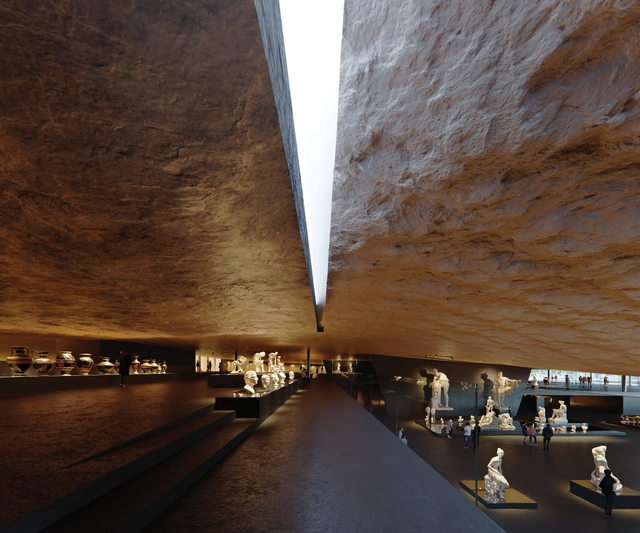
The National Archaeological Museum. Image Courtesy of Kengo Kuma and Associates
Kengo Kuma’s proposal for The National Archaeological Museum in Athens, Greece, aims to draw attention to the importance of science in archaeology, the value of its collections, and the fundamental role and character of the museum in the present and the future. As the memory of the museum is traced back, words in acts of burying, concealing, and revealing begin to emerge. These three words are pivotal transitional moments that help shape the museum into what it is today and pave the way for its future application.
Guatemala is a country located in Central America that is organized into 22 departments, its capital and most populated city is Guatemala City. Mexico forms the geographic borders that contain this territory to the north and west, Belize and Honduras to the east, and El Salvador to the south. In addition, it faces the Pacific Ocean and the Gulf of Honduras. It is located in Mesoamerica, home to the Mayan culture, which extended to what we know today as Mexican territory. It is for this reason and for some other reasons related to migration issues that these two countries share similar traits in terms of climate and culture, which is highly enriching when we explore the development of the territory.
QS- Quacquarelli Symonds World University Rankings just announced the 2023 top universities to study Architecture and the Built Environment. The index rates over 1,400 schools and covers a total of 54 disciplines, grouped into five broad subject areas, based on five indicators "to effectively reflect their performance, taking into account academic reputation, employer reputation, and faculty research".
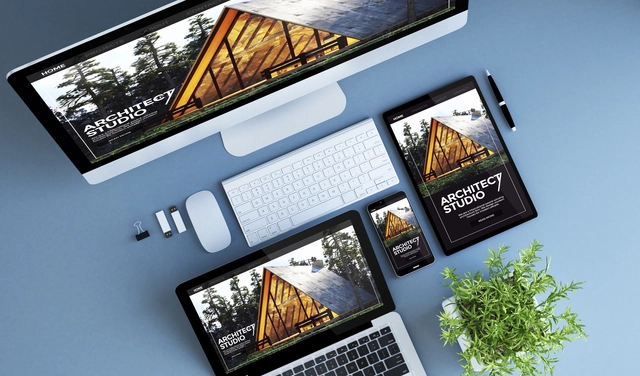
Branding for architects isn’t just about having a beautifully designed logo. In fact, when it comes to promoting your architecture firm, a distinctive brand is fundamental to communicating what makes your firm unique and different.
In our experience at Archmark branding and rebranding architecture firms, construction companies, and home service providers over the past ten years, we have developed a strategic process that makes branding easier than expected and reveals surprising results. In this article, we share the same steps we take with our clients so you apply them to your own branding efforts.
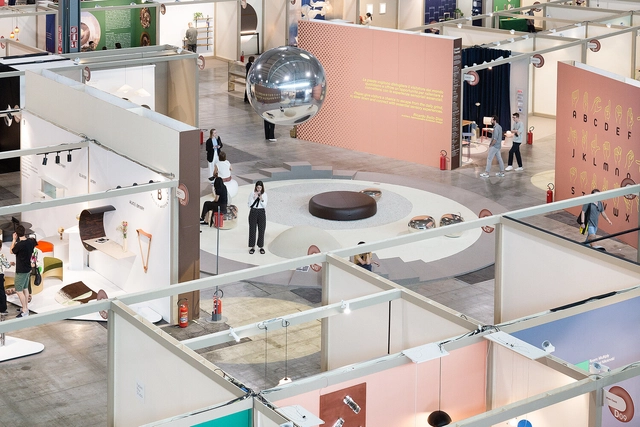
The Salone del Mobile.Milano 2023 entrusted the Milanese architecture and engineering studio Lombardini22 with curating the exhibition space and redefining its layout and circulation flows to ensure an increasingly engaging and contemporary business platform. On a similar note, Formafantasma was appointed to take care of the large Arena and the Cameos, small exhibitions layout in the trade fair site. During this year’s edition, seven exhibitions will be held simultaneously at Fiera Milano fairgrounds in Rho. The events are open to professionals from Tuesday 18th until Sunday 23rd of April, and to the general public on Saturday and Sunday.
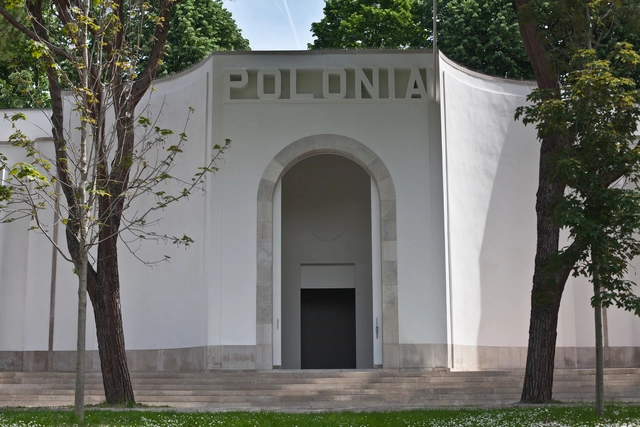
The Polish pavilion will present Datament at the International Architecture Exhibition – La Biennale di Venezia. The installation will allow visitors to experience data in its physical form. The core aim of the exhibition is to showcase how prevalent data has become, shaping the reality in which we live, create, and dwell. Created by Anna Barlik, Marcin Strzała and Jacek Sosnowski, Datament is the starting point for discussing how data and new technologies will play a crucial role in the future.
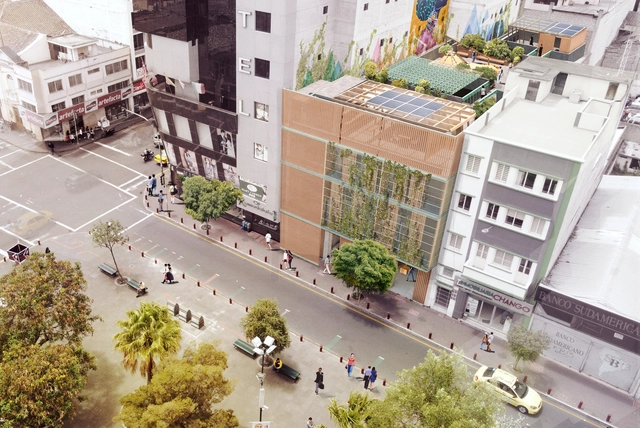
RAMA Estudio has won a competition organized by the Ecuadorian Ministry of Urban Development and Housing (Miduvi) to transform public buildings into social housing. "Casa Cevallos" seeks to give a new face to the Miduvi Tungurahua building, located in front of the Cevallos Park in Ambato, Ecuador, incorporating 16 apartments for 45 inhabitants through 7 adaptable typologies.
No matter how long, how far, or how restful a trip away is, one of the most relaxing moments of any vacation is when you get home. When every muscle in the body relaxes as you collapse into your own chair, greeted by the comforting features of a home you didn’t previously realize you missed.
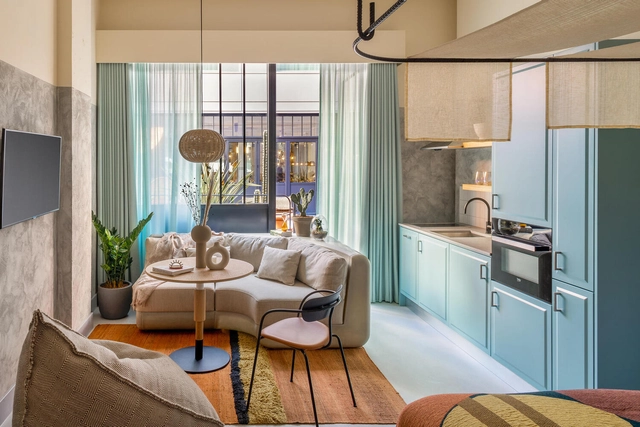
After the rise of Airbnb and other likeminded travel accommodation sites and services, providing real homes –or at least characterful spaces dressed up as them– to travelers searching for more familial home comforts, hoteliers, designers, and architects are taking note, and implementing features that turn the hotel room into a home away from home.
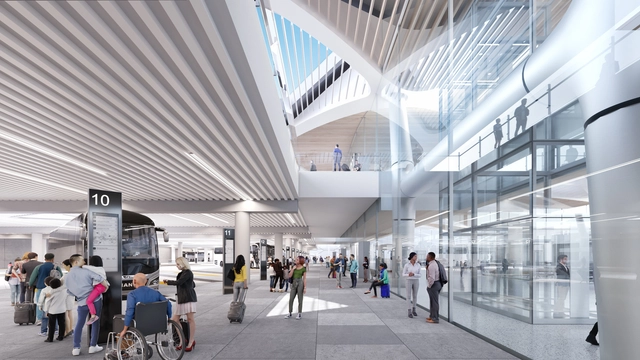
Union Station Expansion Design. Image Courtesy of Grimshaw
Cities that rely on the use of private cars experience a variety of problems- long commutes to and from work, endless traffic jams, and an increase in pollution. While it seems like cars are the most reliable option to take us from place to place, city planners are frequently promoting the benefits of public transit, and the development of communities that are centered around many forms of public transportation. Many cities are growing faster than they were initially planned. As a result, roadways have expanded, land is being transformed into massive parking lots, and connections between communities are growing farther apart.