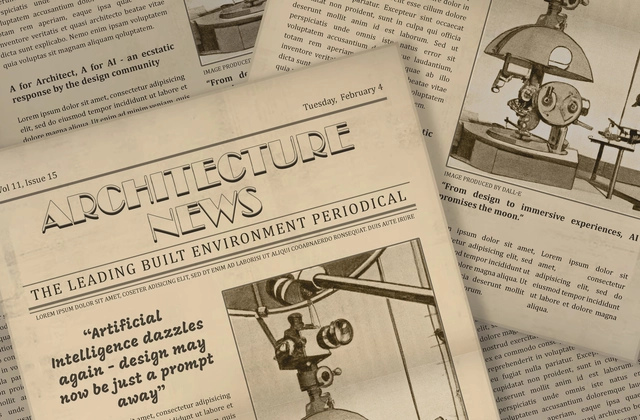
It’s here! The 21st-century digital renaissance has just churned out its latest debutante, and its swanky, sensational entrance has sent the world into an awed hysteria. Now sashaying effortlessly into the discipline of architecture, glittering with the promise of being immaculate, revolutionary, and invincible: ChatGPT. OpenAI’s latest chatbot has been received with a frenzied reception that feels all too familiar, almost a déjà vu of sorts. The reason is this: Every time any technological innovation so much as peeks over the horizon of architecture, it is immediately shoved under a blinding spotlight and touted as the “next big thing.” Even before it has been understood, absorbed, or ratified, the idea has already garnered a horde of those who vouch for it, and an even bigger horde of those who don’t. Today, as everyone buckles up to be swept into the deluge of a new breakthrough, we turn an introspective gaze, unpacking where technology has led us, and what more lies in store.
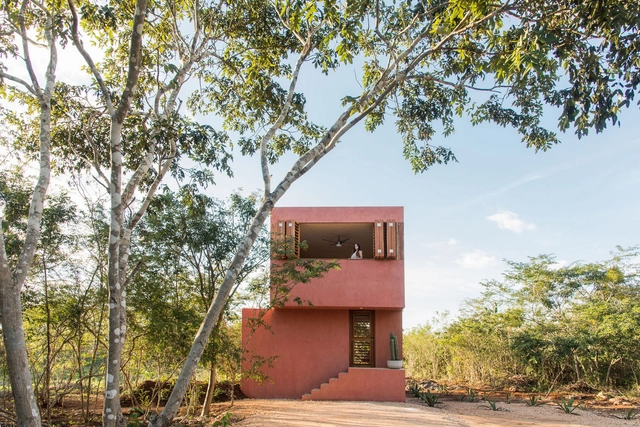
Small homes are a common reality in many urban areas around the world for various reasons. These homes made up of small houses or compact apartments, have become increasingly popular due to the shortage of land and high housing prices in urban areas. Although their size may be limited, contemporary architecture practices focus on intelligent designs to maximize available space and offer comfort to their inhabitants. They often offer efficient layouts, with multifunctional areas that adapt to needs. In addition, some of them integrate innovative design and furniture solutions to optimize space and provide additional storage.
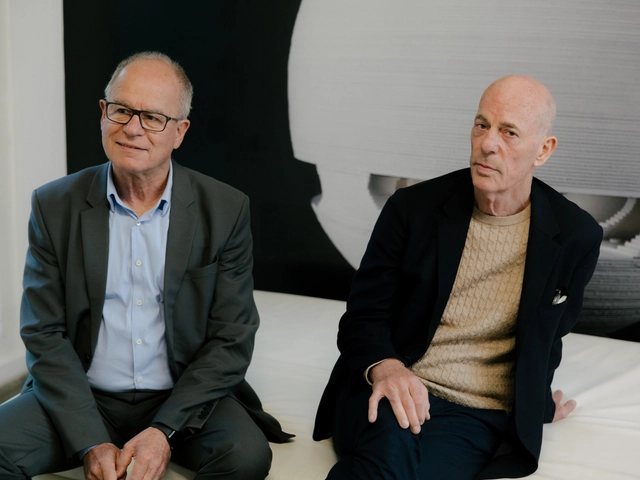
Herzog & de Meuron has been honored as the 36th Louis I. Kahn Award winner by the Center for Architecture and Design in Philadelphia. The annual award, founded in 1983 in memory of Philadelphia architect Louis Kahn, celebrates individuals who have made significant contributions to the field of architecture. Jaques Herzog, one of the two founders of the Swiss-based architecture firm, will present a talk on behalf of this office during the official award ceremony, to be held at the University of Pennsylvania’s Museum of Anthropology and Archeology at 6:30 pm on May 31, 2023.
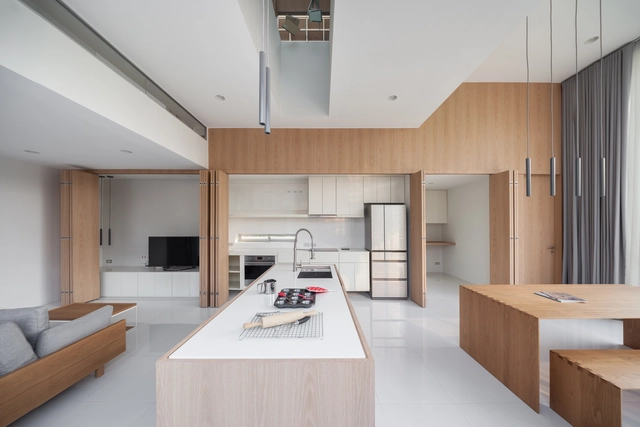
While the kitchen is a ubiquitous part of almost every home—and, in many cases, is considered symbolic of domestic living entirely—it can also take up precious space, produce visual clutter, and detract from the minimalist aesthetic of an otherwise sleek, modern home. For some homeowners, the solution is simply to keep the kitchen clean and organized at all times. But for some innovative contemporary architects and their clients, the solution is to design a compact, concealable kitchen that can quickly and easily be shuttered out of view. Below, we discuss several examples of hidden kitchens, as well as some common techniques and strategies for designing them.
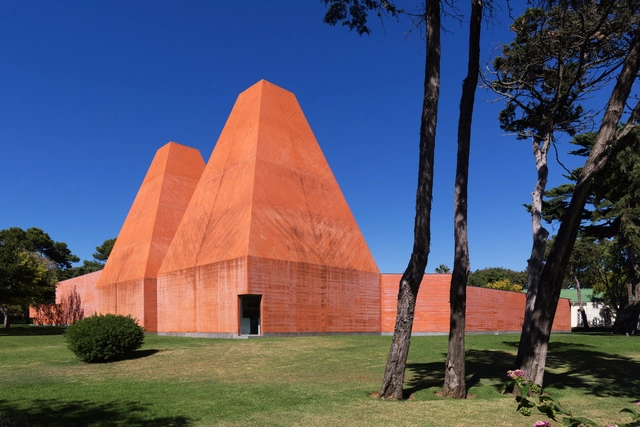
Preserve, disseminate, and create cultural expressions. When we visit museums, galleries, libraries, and various cultural centers, we understand other worldviews. This is how we broaden our subjectivity and empathy and gain new knowledge. In Portugal, a country with a millennial history that crosses various cultural layers, from food to the arts, there is constant investment in equipment that helps share and reinforce its past and present. And, as expected, architecture is fundamental to lace these narratives.
Can current design and manufacturing technologies be incorporated into vernacular and traditional construction techniques? On the IE University campus in Segovia, a group of researchers from IE University, Princeton University, and the University of Bergamo built an unreinforced masonry structure called innixAR that demonstrates how digital technologies can enhance craftsmanship. This pavilion explores the intersection between the latest augmented reality (AR) innovations and 4D funicular design to allow vault craftsmen to build masonry structures without the need for physical guides and costly temporary molds.
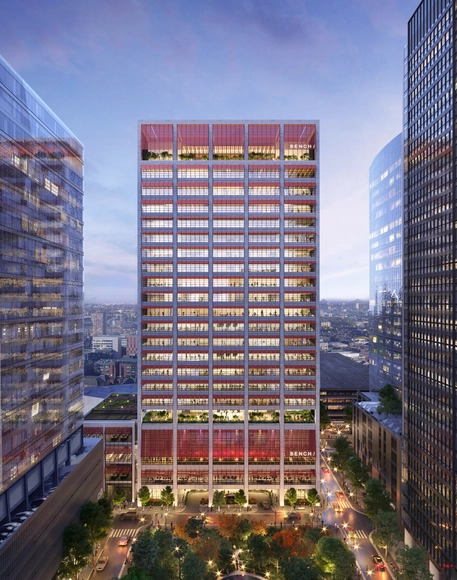
Foster + Partners’ project for BENCH, one of the Philippines’ leading clothing and lifestyle brands, has started construction in Manila. The 24-storey headquarters building offers offices, design studios, event spaces, and the necessary amenities to create an enjoyable environment for the company’s employees. Located on the east-west axis in the Bonifacio Global City, the building opens up the ground floor to create a visual connection to the green space surrounding it.
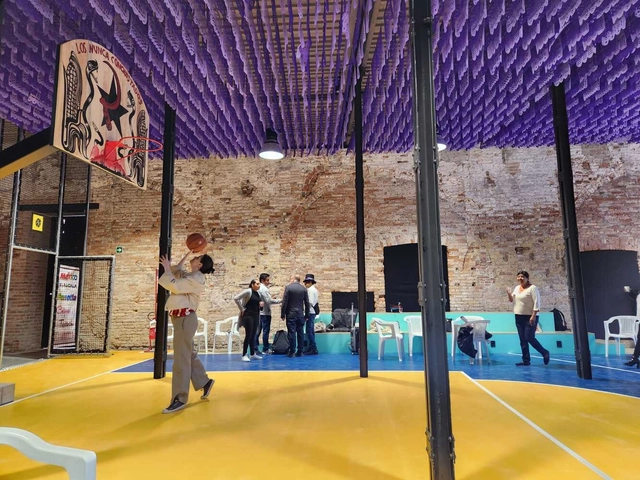
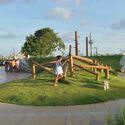
On Thursday, May 18, the Government of Mexico, through the Secretariat of Culture, celebrated the inauguration of the Mexican Pavilion at the 18th International Architecture Exhibition of the Venice Biennale 2023, with the proposal "Utopian Infrastructure: The Campesino Basketball Court". The pavilion, which had an investment of 9,059,600 pesos, aims to invite dialogue and play to engage in conversations about the topics that concern the world of architecture in relation to various aspects of social, cultural, and political life.
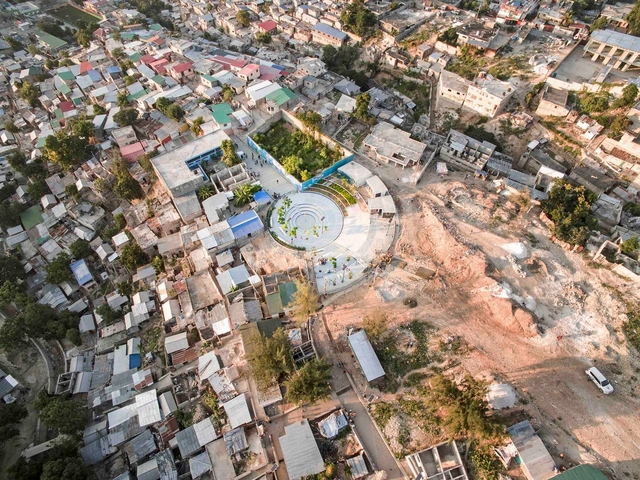
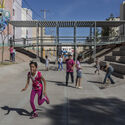
Architecture reconciles the sense of belonging and dignity of space. In addition to designing residential or cultural facilities, addressing public space in communities that inhabit vulnerable areas is also urgent and necessary to provide a dignified infrastructure that provides quality of life for the population. Therefore, we have gathered seven interventions in marginalized territories that show the potential for transformation from the space itself.
There’s a lot of undeserved stigma surrounding social housing. Although many projects start off well enough with shiny ribbon-cutting photoshoots, the cameras move on and investment tends to dry up, and maintenance cut. A lack of suitable green spaces follows – due to low-maintenance, and eventually results in forgotten, isolated communities, eventually spiraling down the plughole of ghettoisation.
Although easily blamed, the architecture of high-rise social housing blocks is not the cause of the problem, but can instead be part of the solution. Building up instead of out still offers a sensible route through both the current housing and social crises – sharing space and resources.
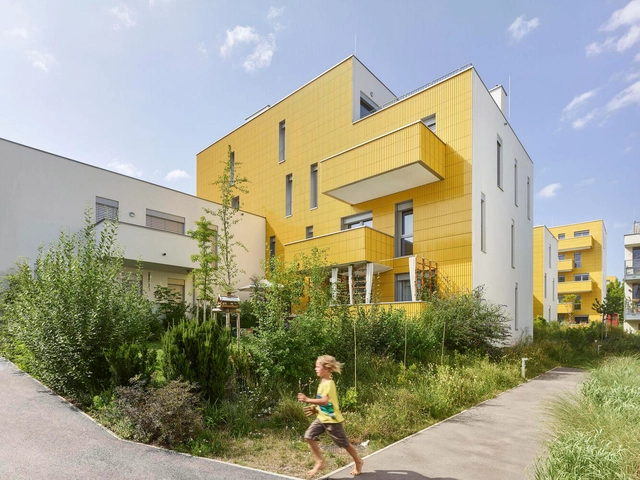
Moreover, these four projects from across Europe show, integrating social housing developments around accessible courtyards of sustainable green space helps bring and keep communities together.
In January 2023, Copenhagen Architecture Festival carried out a film and architecture workshop in collaboration with Barleti University and Tirana Architecture Triennale, exploring inclusivity in Albania’s capital city. In this interview, professor Saimir Kristo shares his thoughts about his booming city and the potential of film to narrate its true character.
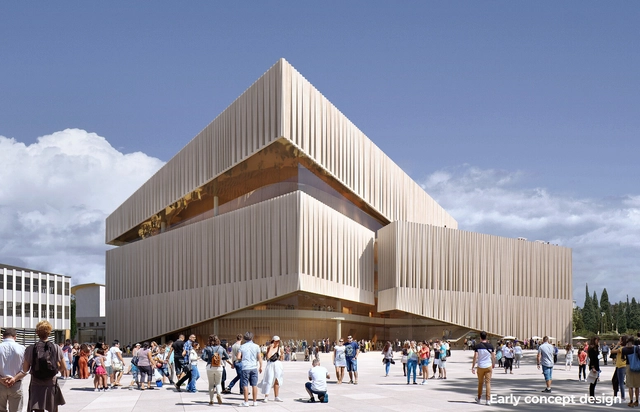
Canberra Theatre Centre design concept. Image Courtesy of Henning Larsen, Architectus, and Arup
The consortium formed of international studio Henning Larsen, Australian office Architectus, and global consultants Arup has been selected to transform the Canberra Theater Center into a vibrant and inclusive space. The project is developed in consultation with First Nations peoples to ensure that Canberra’s Civic and Cultural District will become a welcoming space for both artists and audiences. The winning tender includes preliminary designs that depict a new theater building to be added to the district, in addition to the renovation of the Courtyard Studio, Canberra Theater, and The Playhouse.
Whether it is the landscape and nature surrounding a plot of land or the desires and needs of his clients, for São Paulo architect Gui Mattos, the development of an architectural project is always a process of dialogue and exchange, built together with a series of other elements. After graduating in 1986 from the Faculty of Architecture and Urbanism of Santos (FAU Santos), he has led his architecture firm since 1987, which today has more than 40 employees.
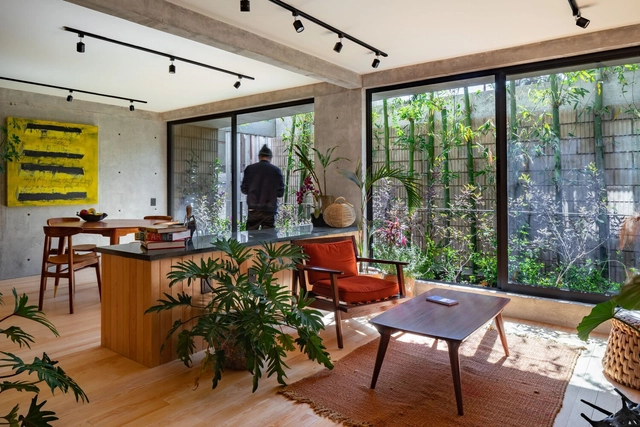
The origin of interior courtyards dates back several years, serving as a means of shelter, security, and protection, while also aiming to achieve comfort and well-being through exterior elements. In contemporary housing, a wide range of possibilities is deployed, capable of accommodating various uses and activities that foster the relationship between the interior and exterior environment. Furthermore, notions of energy efficiency, thermal regulation, ventilation, and natural lighting are incorporated, among others.
Cities are a canvas for architectural creativity and the dynamism of urban life. In recent years, they have taken on an additional role: that of living laboratories for innovative architecture and urban design. International cities have become experimental grounds for architectural technology, sustainable practices, and human-centered design principles to be tested and refined. This paradigm shift has not only transformed the physical aspects of urban environments but has also redefined the relationship between architecture, community, and the built environment.
Since the earliest civilizations, nature has been a mainstay in serving as a natural habitat for humankind, providing shelter, food, and medicine. In modern times, industrial and technological revolutions took over the landscape, restructuring the way humans interact with nature. However, today, due to the events we have experienced as a society, it is necessary to focus on creating cities and spaces that integrate nature into our daily lives.
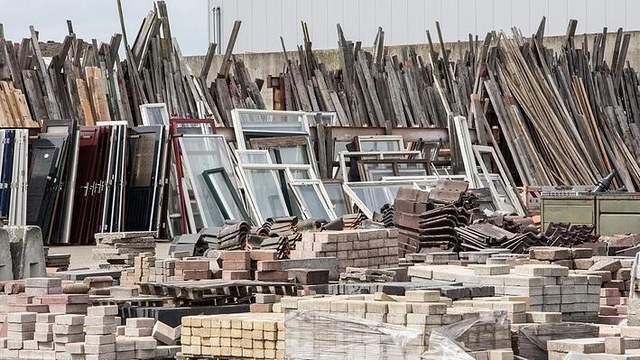
Almost two decades ago, in the downtown corridor of Columbus, Ohio, the century-old landmarked Lazarus Building underwent an extensive renovation to save the department store and restore it to its former glory. Sixty million dollars went into its restoration and transformation into a retail and office complex. During the construction, workers recycled nearly 5,000 pounds of steel, 2,000 pounds of concrete, and significant amounts of carpeting, ceiling tiles, and various wood- keeping 22,000 pounds of debris out of Ohio’s landfills. They also saved more than $25 million dollars by implementing this rigorous recycling process.
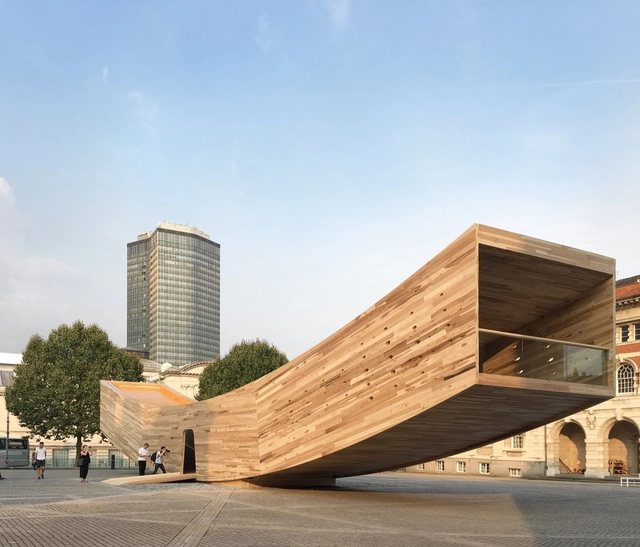
Timber is a natural, renewable material, easy to fabricate, and with low-carbon emissions. As a construction material, however, when put under enough directional force along its grain, sawn timber is structurally unstable, so deemed unsuitable under higher loads. In comparison, the manufacture of cross-laminated timber (CLT) involves simply gluing multiple layers of timber together at right angles. By crossing the direction of the grains, CLT achieves a far higher level of structural rigidity along both axes. CLT boards start with a minimum of three layers but can be strengthened further with the addition of more. Simply put, due to the complex physics involved in the perpendicular lamination, the strength of CLT board is similar to that of reinforced concrete, and has proven performance under seismic forces.
So what’s new? Wood’s been around for long enough now, and we’ve been using it as a building material for centuries. Surely this isn’t the first time someone’s realized it gets stronger the more you use it? Well… as you’d expect, the changing popularity of cross-laminated timber in construction does coincide with a greater understanding and focus on environmental causes, but the relationship hasn’t always been positive.