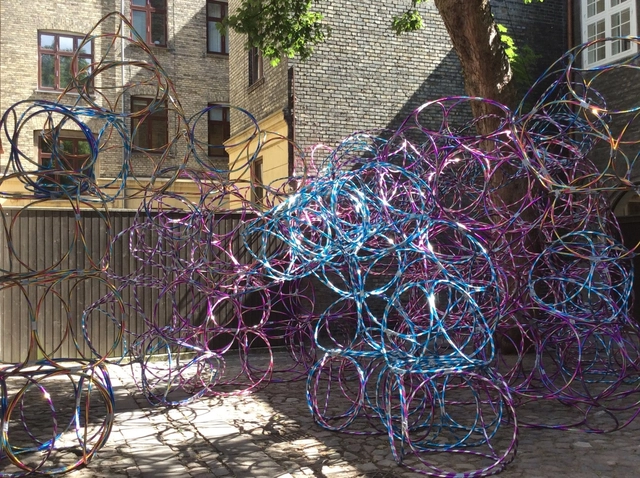
Architect and theorist Yona Friedman has brought his playful “People’s Architecture” installations to Rome’s MAXXI Museum, Paris’s Les Halles and Denmark where they were recently assembled in a workshop at the Danish Association for Architects. Built using plastic hula hoops, each installation is assembled spontaneously, creating new variations of space with each turn. Says Friedman: “Architecture for people proposes a variant of the original “Ville Spatial.” It is based on a structure easy to modify, a structure not necessarily raised over ground level, keeping that option open if wanted.”
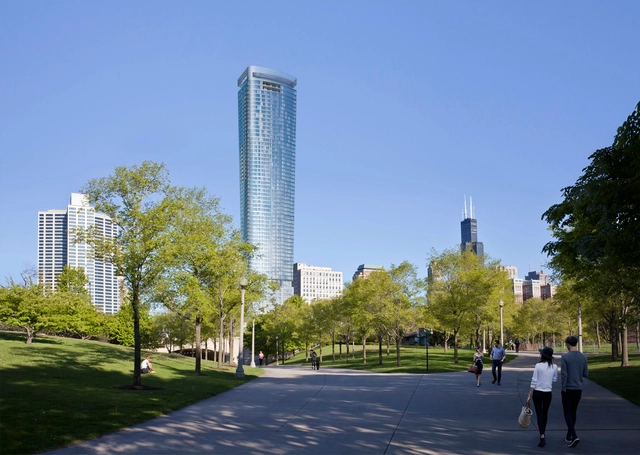
Updated renderings have been revealed for renowned architect Helmut Jahn’s1000M, an upcoming 832-foot skyscraper that will take the place of a currently vacant lot on Chicago’s historic Michigan Avenue. Accommodating 323 luxury residences and over 40,000 square feet of amenities, the building will be clad in a green and blue glass curtainwall, with horizontal metal spandrels running across and dividing it. The roof terrace is covered by a hovering metallic mesh crown, which is shown in the new renderings.
https://www.archdaily.com/877168/new-renderings-revealed-for-helmut-jahns-upcoming-832-foot-skyscraper-in-chicagoOsman Bari
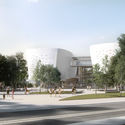
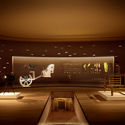
Theoni Xanthi of XZA Architects has been selected as the winner in the competition to design the new archaeological museum in Cyprus. Composed of three layers corresponding to Memory, the City, and the River, Xanthi's proposal took first place in a competition that sought a new urban space to celebrate Nicosia’s history and archaeology. The project is situated in close proximity to the medieval city walls, enabling it to play a key role in altering and upgrading the existing urban and green spaces that surround it.
Los Angeles' Department of City Planning has released an initial study for a potential future skyscraper that could break ground in 2020. The 66-story Figueroa Centre is proposed for construction on a current parking lot adjacent to the Hotel Figueroa in South Park. Designed by CallisonRTKL, upon completion, the building would become Downtown LA’s third tallest building, surpassed only by Wilshire Grand and the US Bank Tower, both at 73 stories.
https://www.archdaily.com/876206/proposed-66-storey-tower-could-be-las-third-tallest-buildingOsman Bari
Courtesy of Kobi Karp Architecture & Levy Public Relations
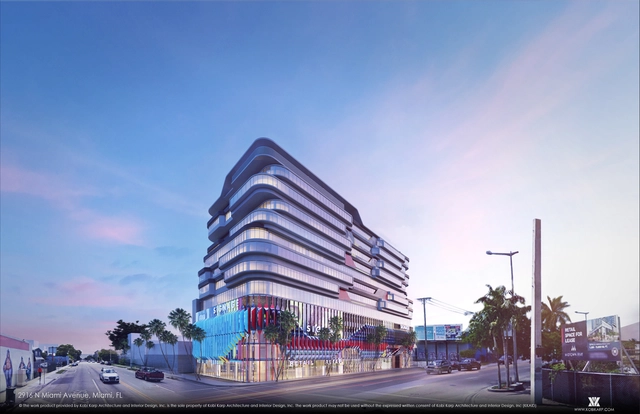
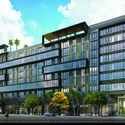
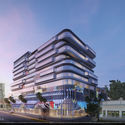
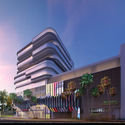
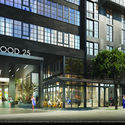
Miami’s growing art district of Wynwood is set for further development in the form of two projects designed by renowned local architect Kobi Karp – Wynwood 25and Gateway at Wynwood. The first is a $100 million unique mixed-useresidential opportunity in the neighborhood, co-developed by the Related Group in Miami and the New York based East End Capital, and interiors by Meshberg Group, while the second is an upcoming 12-story tower responding to the increasing demand for office rental space.
“Wynwood’s artistic spirit and modern vibe are elements that inspired our designs for Wynwood 25 and Gateway at Wynwood,” explained Kobi Karp, Founder, and Principal of Kobi Karp Architecture and Interior Design, Inc. “This forward-thinking, vibrant area is gaining so much momentum and we wanted this to translate into our designs. It’s an exciting time to be a part of Wynwood’s growth and we aim to create unique designs that merge seamlessly with the area’s culture and unique energy.”
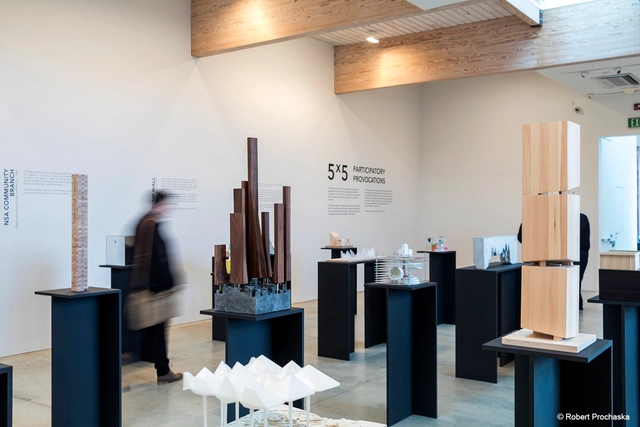
Architecture Exhibition5x5 Participatory Provocations opened its doors at the New York Center for Architecture on July 11, featuring 25 models by 25 young American architecture firms. The exhibition engages its participants to take clear stances on a series of provocative issues facing architecture today, with their models “producing a physical expression or provocation that is then made available to the public.” Curated by Kevin Erickson, Julia van den Hout, and Kyle May, the exhibition argues for “participatory criticism” covering growing income gaps, immigration, globalization, technology’s impact on our lives, surveillance, and power.
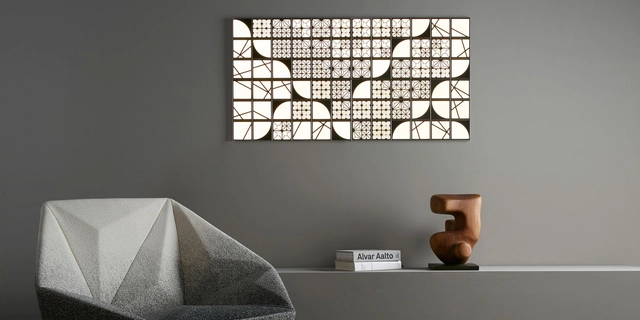
Japanese designer Michiru Tanaka has released a new product partnering with lighting manufacturer Kaneka to create a stainless steel tile that doubles as both an OLED and a mirror. A graduate of Tokyo’s Musashino Art University, Tanaka pursued a career in architectural lighting and her projects range from commercial installations, lighting at museums as well as product design. Coined “Kumiko,” the tiles come from a fusion of inspirations, ranging from traditional Japanese architecture and woodworking techniques to Manhattan’s gridded cityscape.
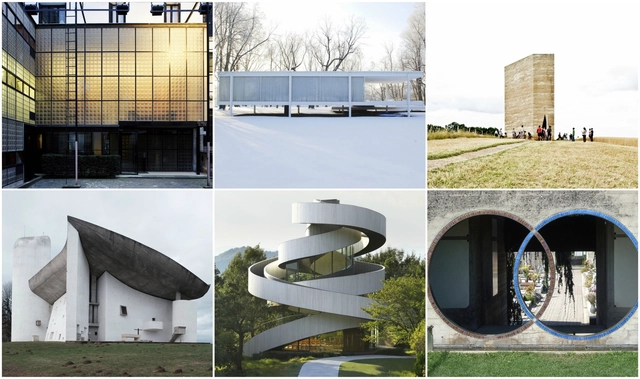
Visiting architectural masterpieces by the greats can often feel like a pilgrimage of sorts, especially when they are far away and hard to find. Not everyone takes the time to visit these buildings when traveling, which makes getting there all the more special. With weird opening hours, hard-to-reach locations and elusive tours we thought we’d show a selection from our archives of masterpieces (modernist to contemporary) and what it takes to make it through their doors. Don’t forget your camera!
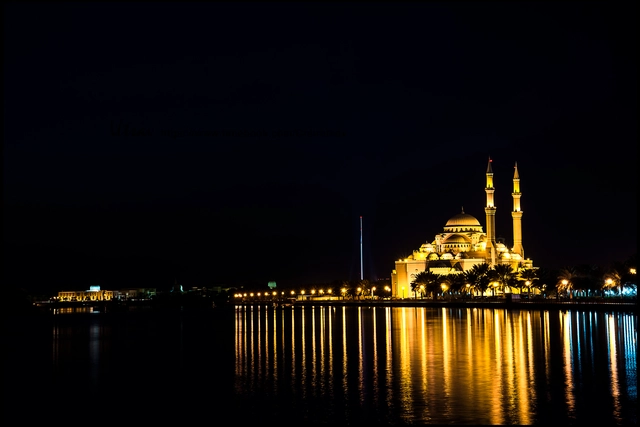
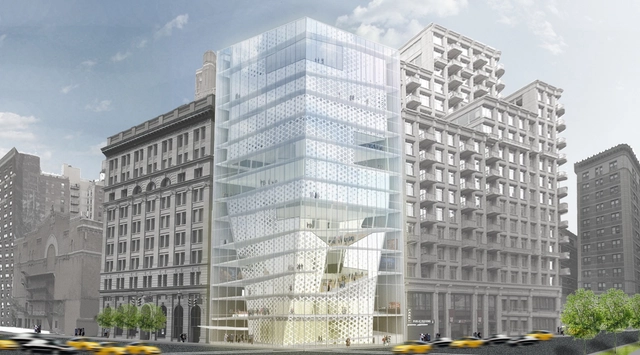
Highlighting the necessity of such a project, the design team explain: “There are approximately 800,000 Muslims living in NYC. A majority of the gathering places for Muslims are Mosques that focuses on Religion as Practice, which does not leave enough room for developing Religion as Culture.”
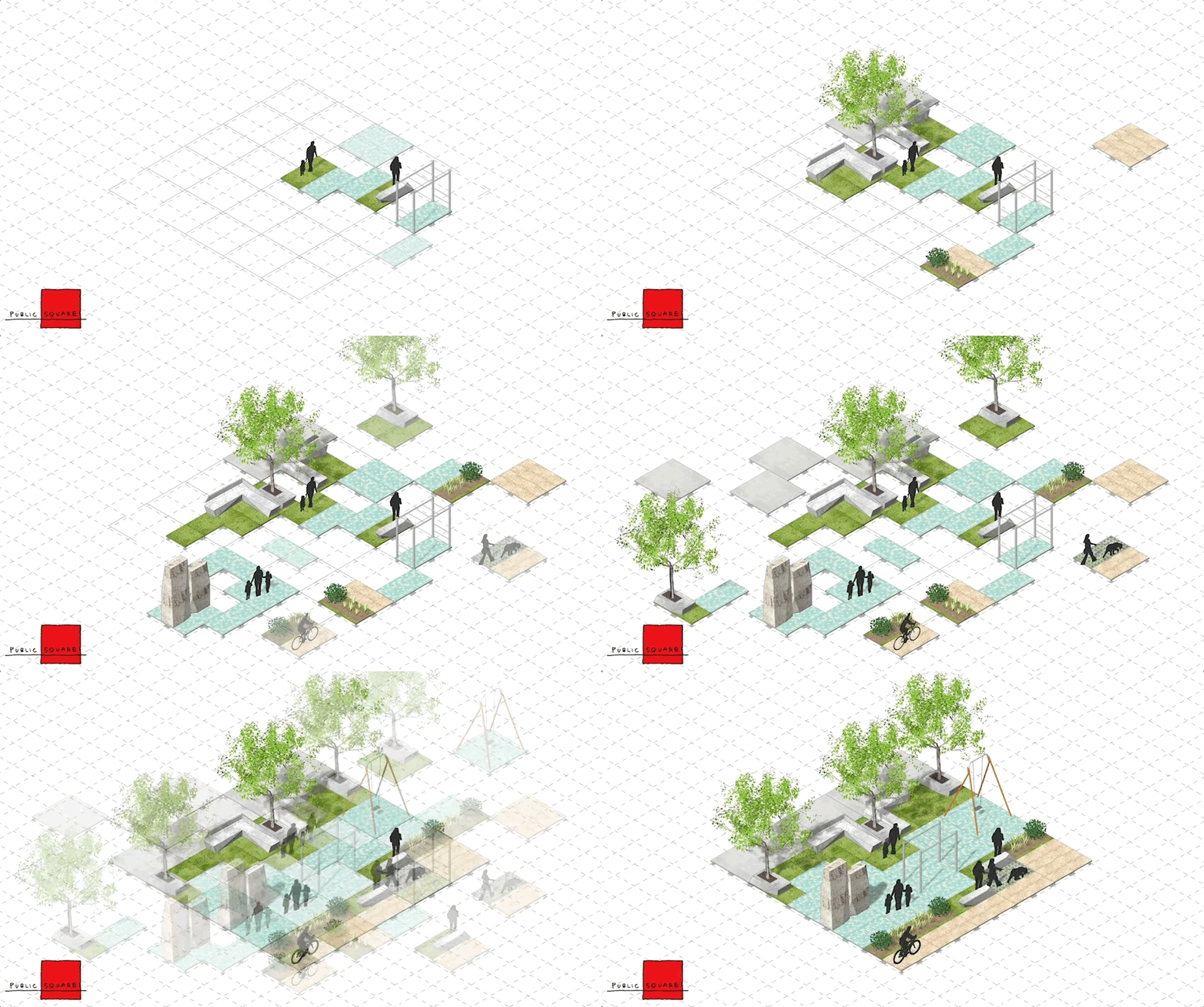
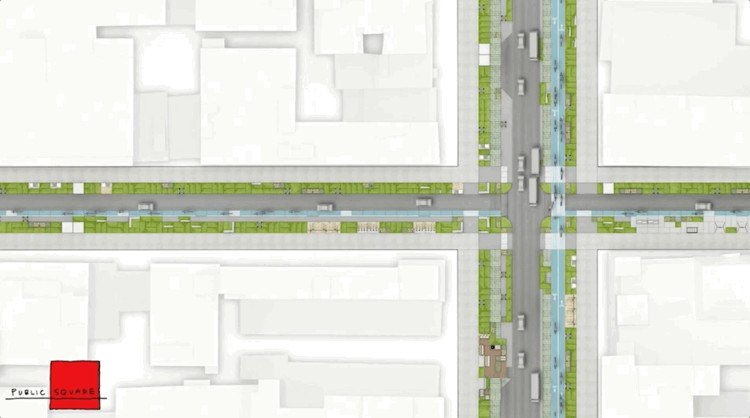
Of the four finalists selected for Blank Space’s “Driverless Future Challenge”, which was announced last month, “Public Square” has emerged as the winning entry, with a plug-and-play scheme to transform New York’s public realm for its streets and pedestrians. Designed by FXFOWLE and Sam Schwartz Engineering, the proposal was selected by a panel of New York City commissioners, for its response to the competition brief with a flexible system that accommodates a variety of public space typologies, while creating a harmonious coexistence between pedestrians, cyclists, and vehicles.
https://www.archdaily.com/875787/the-driverless-future-challenges-winning-entry-uses-plug-and-play-system-to-reclaim-public-space-for-pedestriansOsman Bari
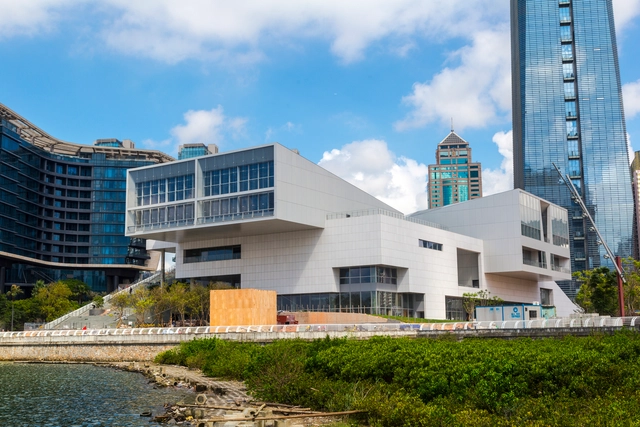
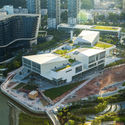
A series of new photographs of China’s “first major design museum” has been unveiled by Design Society, showing Pritzker Prize winner Fumihiko Maki’s design nearing completion in the Shekou district of Shenzhen. Commissioned by the duo of China Merchants Group (CMG) and the V&A Museum in London back in 2014, the project was envisioned as a catalyst for development in the city, given Shenzhen’s bustling creative sector of over 6,000 companies.
As the photos display, the building is formed through three separate cantilevering volumes, which sit atop a plinth overlooking the waterfront. An exterior corner staircase leads to a number of publicly accessible rooftop terraces, inviting the public to engage with the building at various levels. Finishing touches are being added to the construction with the envelope already complete, while interior spaces and the site landscaping are still undergoing further polish and are yet to be fully resolved. Check out all the photographs of the building below, which will be occupied by Design Society upon completion.
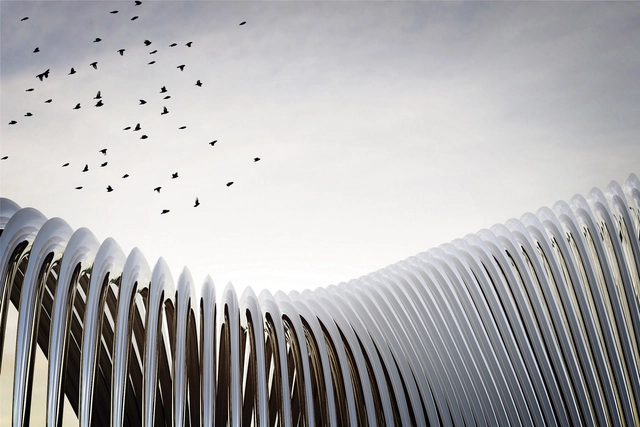
Polish architect, designer, and sculptor Oskar Zieta has unveiled his latest project: the arched NAWA pavilion on an island in Wroclaw, Poland. The pavilion forms part of the European Capital of Culture celebrations following the theme of “Metamorphoses of Culture” and was unveiled in June. The lightweight steel elements that make up the parametrically designed sculpture are made in a unique method called FiDU, a metal-inflating process created by Zieta during his PhD studies in ETH Zurich. Though Zieta has used FiDU successfully for various products (many exhibited in the Salone del Mobile in Milan), the NAWA Pavillion is the first project of this size to use the technology entirely, and is thus coined as “a manifesto of FiDU."
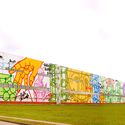
Street Artist Misha Most have finished a gargantuan project – a 10,800 square meter mural set to be the world's largest in Vyska, Russia. The giant mural, titled “Evolution-2” covers the facade of the "Stan-5000" industrial complex from the oldest Russian manufacturer, Vyksa Steel Works. The mural project was chosen in the course of the "Vyksa 10000" open competition and is part of the ArtOvrag urban art festival curated by Sabina Changina and Russian creative studio Artmossphere. Artmossphere is known for curating various art projects, exhibitions, and festivals connected with street art with both established and upcoming street artists.
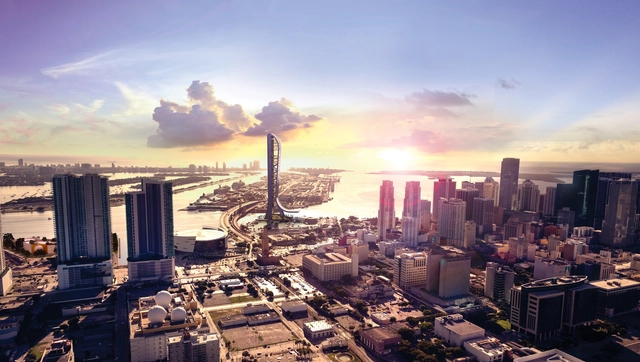
Currently under construction, new renderings of SkyRise Miami have been released, showcasing the 1,000-foot tower’s numerous mixed-use entertainment facilities from its prime location at the heart of Miami’s downtown core. Designed by local heavyweight Arquitectonica, the city’s tallest tower is being developed by Berkowitz Development Group, since the project’s inception in 2013.
Architecture, as both a profession and the built environment, currently finds itself at a crossroads in trying to adapt to a world in constant flux. Cities and its people face continuous socio-economic, political and environmental change on a daily basis, prompting a necessary rethink in the evolution of sustainableurbanization. With a focus on housing, society and cultural heritage, RIBA’s International Conference, Change in the City, aims to offer insight into the “New Urban Agenda” and how architects can play an interdisciplinary role in future urban development.
Speaking in an interview ahead of the conference, Norman Foster is a strong advocate for a careful consideration of what aspects of urban life need to be prioritized when designing cities of the future. For an increasingly global society, Foster stresses the need for architecture to surpass buildings and tackle its greatest obstacle – global warming, honing in on its roots and factors involved to create viable urban solutions.
https://www.archdaily.com/875169/norman-foster-stresses-the-importance-of-interdisciplinary-architecture-in-creating-future-citiesOsman Bari
Coined by Robert Venturi and Denise Scott Brown in Learning from Las Vegas, “Ducks” are buildings that project their meaning in a literal way [1]. No architectural metaphors here - they are exactly what they look like. Many emerged alongside interstate highways, a lone doughnut or dinosaur punctuating the road trip across America. Places like Las Vegas and Macau have built their identity in the kitsch and literal language of architecture – with the duck a strong contributor. Though they get relegated to one of the weird forays of the postmodern era, ducks still make current-day appearances (like the Chicago Apple Store’s recent Macbook roof). Are they fun, kitschy, or just plain ugly? Love them or hate them, ducks have a light-hearted presence in our architectural history. Below are 9 weird and wonderful examples of buildings that make no apologies for being exactly what they are:
via Flickr User Utsav Verma. Licensed under Attribution-NonCommercial 2.0 Generic (CC BY-NC 2.0).
Foster + Partners have announced plans for the redevelopment of a major landfill site in Sharjah, UAE, belonging to Bee’ah – the foremost environmental energy and waste management company in the Middle East since 2007. Upon Sharjah reaching its “zero waste to landfill” target by 2020, the site is set for redundancy, sparking a proposed sustainable masterplan as an example of a circular economy and a reflection of Bee’ah’s vision of clean energy and sustainable innovation.
“We believe that this vision, as interpreted through our masterplan, represents a wonderful opportunity to demonstrate just what can be achieved at sites like this which feature in every industrialized nation on the planet,” expressed Giles Robinson, Senior Partner at Foster + Partners. “The project will also serve to further showcase Bee’ah’s waste management center as a place where innovation, environmental best practice, and good design take center stage.”
https://www.archdaily.com/875062/foster-plus-partners-to-transform-major-landfill-site-into-sustainable-innovation-hub-in-sharjahOsman Bari
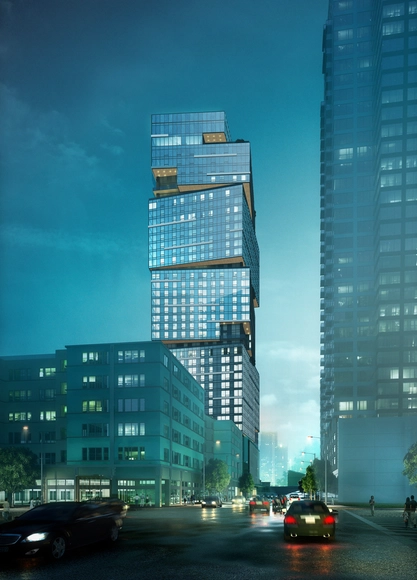
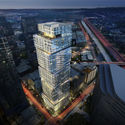
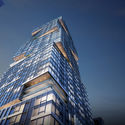
A 440 feet (134 meters) tall stack of twisting cubes, Nexus is an upcoming residential tower planned for the northern edge of downtown Seattle, as the city experiences a shortage of for-sale housing amidst a thriving rental market. Designed by local practice Weber Thompson and commissioned by Vancouver-based Burrard Development, the tower includes 367 residential units and 3200 square feet of retail, aiming to offer one of few residential opportunities in Seattle’s downtown core.







.jpg?1501737244&format=webp&width=640&height=580)


.jpg?1501737244)



















.jpg?1499375393 "© Kirill Makarov")