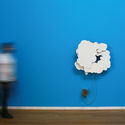
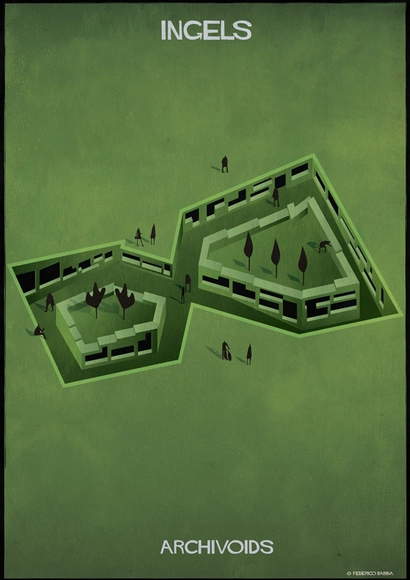
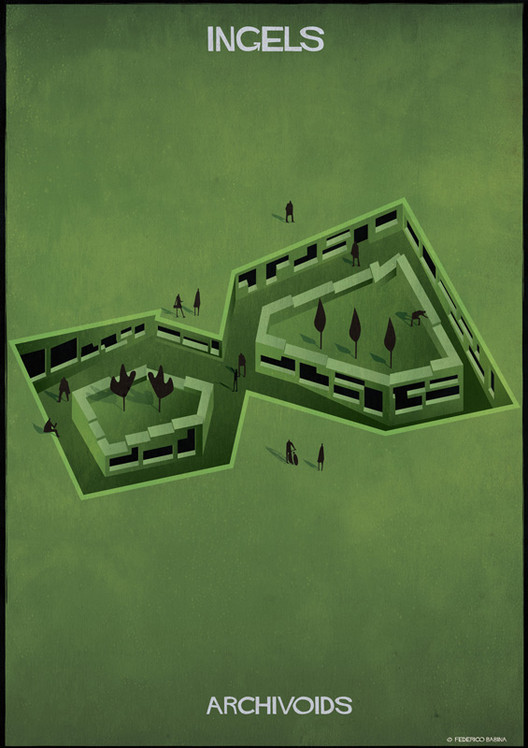
Babina’s images create an inverse point of view, a reversal of perception for an alternative reading of space, and reality itself. Making negative space his protagonist, Babina traces the “Architectural footprints” of famous architects, coupling mysterious geometries with a vibrant color scheme.
Dealing with the context of a project’s site is an essential part of architecture, be it by denying or incorporating preexisting elements and the environment’s conditions in the design. However, understanding what lies around as an active agent of the decisions and space organization goes beyond simply considering the good views, natural ventilation, solar orientation, etc; it is about seeing these conditions as co-authors.
These cases are most notable when practices think of the architecture's surrounding environment as an active agent.
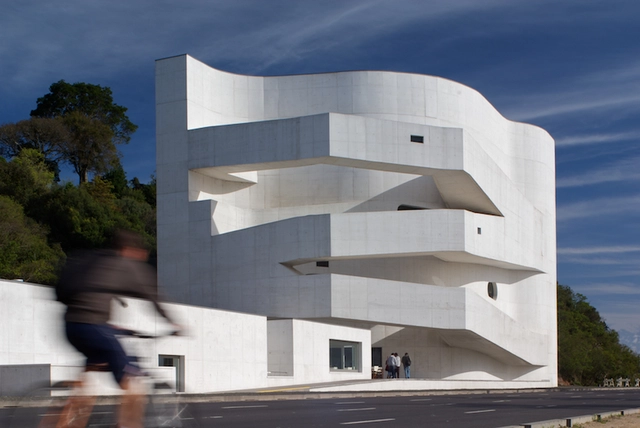
During the second half of the twentieth century, architects all over the world, specifically from Europe, produced a legacy of renowned, modern works in Brazil. Following the principles of masters such as Le Corbusier, names like Lina Bo Bardi, Hans Broos, and Franz Heep held an undeniable influence on Brazilian architecture.
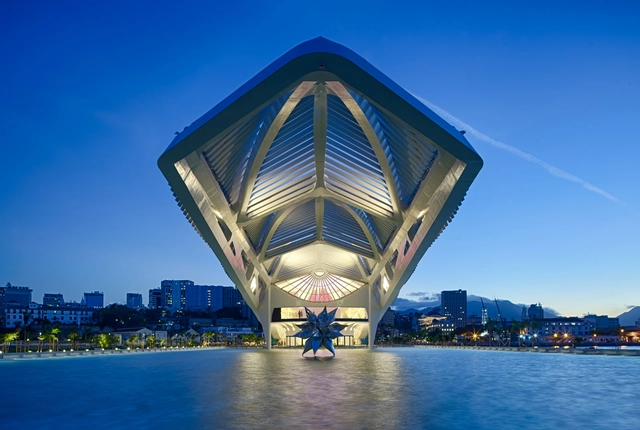
In recent years, the country has been welcoming a variety of buildings designed by foreign architects. Below, we have compiled 10 iconic works by international architects.
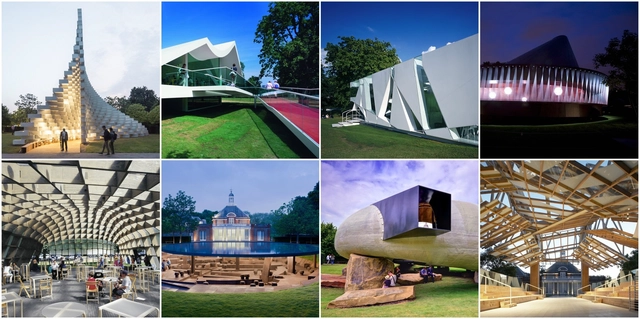
If the surest sign of summer in London is the appearance of a new pavilion in front of the Serpentine Gallery, then it’s perhaps fair to say that summer is over once the pavilion is taken down. The installations have gained prominence since its inaugural edition in 2000, acting as a kind of exclusive honor and indication of talent for those chosen to present; celebrated names from the past names include Zaha Hadid, Rem Koolhaas, and Olafur Eliasson.
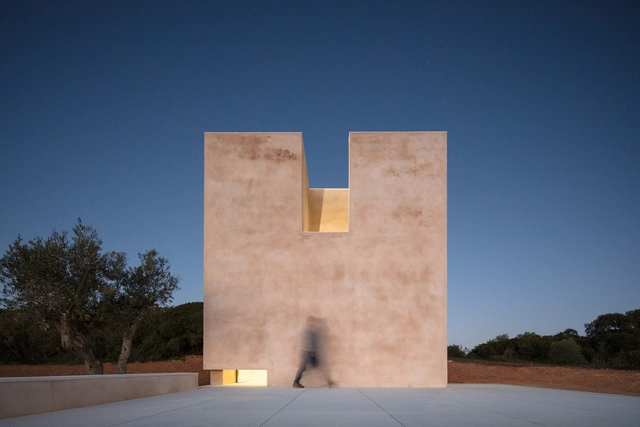
Portuguese architectural photographer João Morgado shared with us a series of images from Álvaro Siza's latest project, the Capela do Monte. This chapel is located in Barão de São João, in the Algarve region of Portugal. Part of the Monte da Charneca complex, Capela do Monte was commissioned in 2016 by a Swiss-American couple residing there.
Inaugurated in March of this year, the sandy colored, 10.34 x 6.34-meter structure was built at the highest point of a hill and can only be accessed by foot. Its monolithic geometry suggests, from outside, a serenity from the inner space. The wooden furniture within the chapel were all designed by Siza and manufactured by Serafim Pereira Simões Successors of Porto.
Lasting for close to two decades now, the annual Serpentine Gallery Pavilion Exhibition has become one of the most anticipated architectural events in London and for the global architecture community. Each of the previous eighteen pavilions have been thought-provoking, leaving an indelible mark and strong message to the architectural community. And even though each of the past pavilions are removed from the site after their short summer stints to occupy far-flung private estates, they continue to be shared through photographs, and in architectural lectures. With the launch of the 18th Pavilion, we take a look back at all the previous pavilions and their significance to the architecturally-minded public.
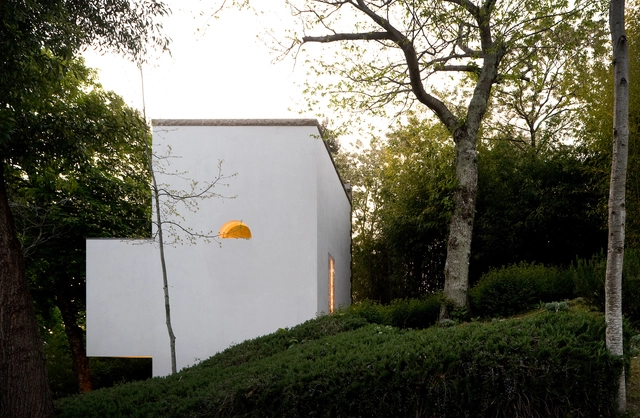
A pure volume, slightly lit, sits in the middle of a garden. It is a private chapel in Quinta de St. Ovídio in Lousada, built between 1989 and 2001 and designed by Álvaro Siza Vieira. The project starts from a path, where you can see the prismatic white volume from afar. As you pass through the building and some steps, you arrive at the entrance square. Here you will notice that Siza differentiated the main facade, in stone, from the other three, in white painted concrete, giving it importance.
March 22 is World Water Day, an annual international celebration launched and organized by the United Nations. The goal of the day is to raise awareness about a wide range of water-based issues from around the world. This year’s theme is “Nature From Water”, which invites everyone to think about how nature can provide solutions to the water challenges we face today.
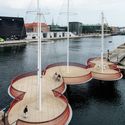
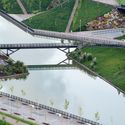
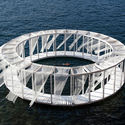
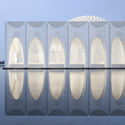
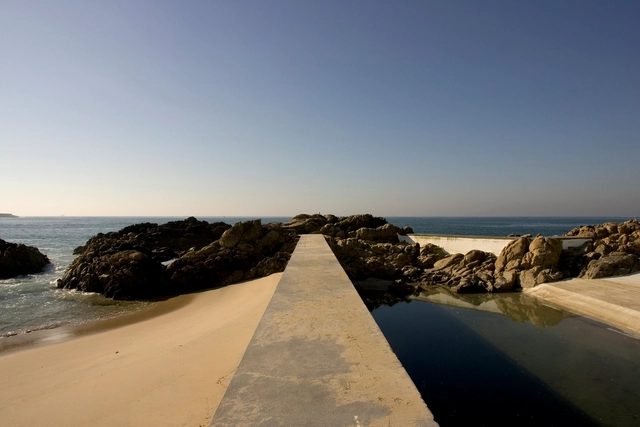
To celebrate World Water Day this year, we’ve rounded up 20 of our favorite projects that utilize water as a central design feature. Whether it be Zumthor'sThermal Vals or Chritso and Jeanne-Claude'sFloating Piers, water has been playing an important role in architectural design and in demarcating the boundaries of nature against our built environment.
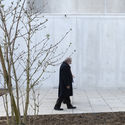
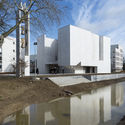
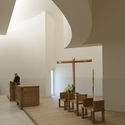
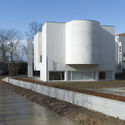
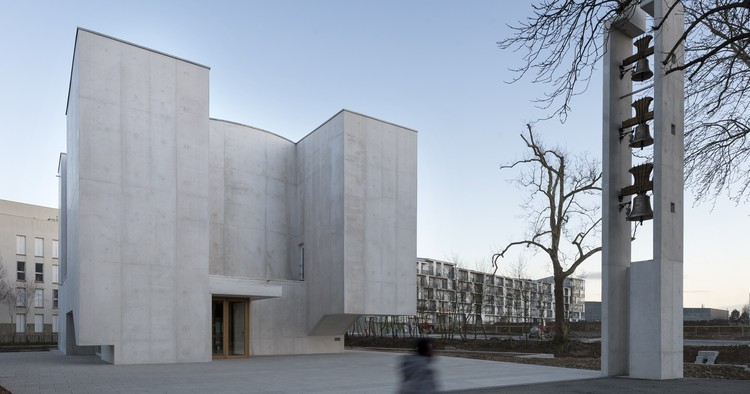
Architecture photographer Ana Amado has shared with us a set of photographs featuring Álvaro Siza's recently inaugurated Church of Saint-Jacques de la Lande, in Rennes—the first church built in Brittany, France this century.
As in many other Siza buildings, this church is built in white concrete and pays special attention to the natural light, which bathes the altar, tabernacle, pulpit and baptismal font from above. Externally, different volumes—blocks, cylinders and incisions—add to the overall mass of the building, distinguishing it from the neighboring housing blocks, while the use of few openings helps to establish a solid, permanent presence in the natural environment. Check Ana Amado's set of photographs below:
Álvaro Siza's extensive personal archive of built and unbuilt projects is going online with free access, thanks to the collaboration between three institutions – the Serralves Foundation in Oporto, the Calouste Gulbenkian Foundation in Lisbon and the Canadian Centre for Architecture (CCA) in Montreal.
Siza donated his archive to the three institutions in 2014, and after three years of archival work, the first batch of entries are set for public viewing.
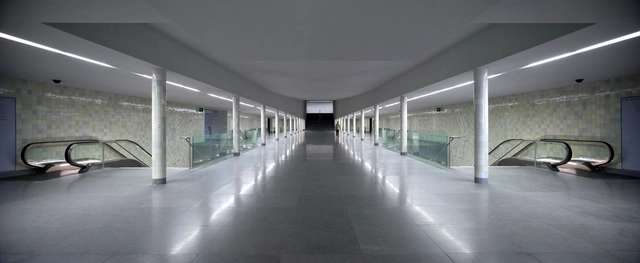
The following photo set by Fernando Guerra focuses on Porto's Subway, a project completed in 1996 and projected by the important Portuguese Architect Álvaro Siza Vieira.
Designing a subway station in Porto is about influencing the daily lives of thousands of people, where they daily circulate, establishing flows and routes, in a urbanistic and architectural intervention with large-scale dimensions. Although it demands an extremely functional and austere design, it is possible to see the gestures of the architect through the details and surprises.
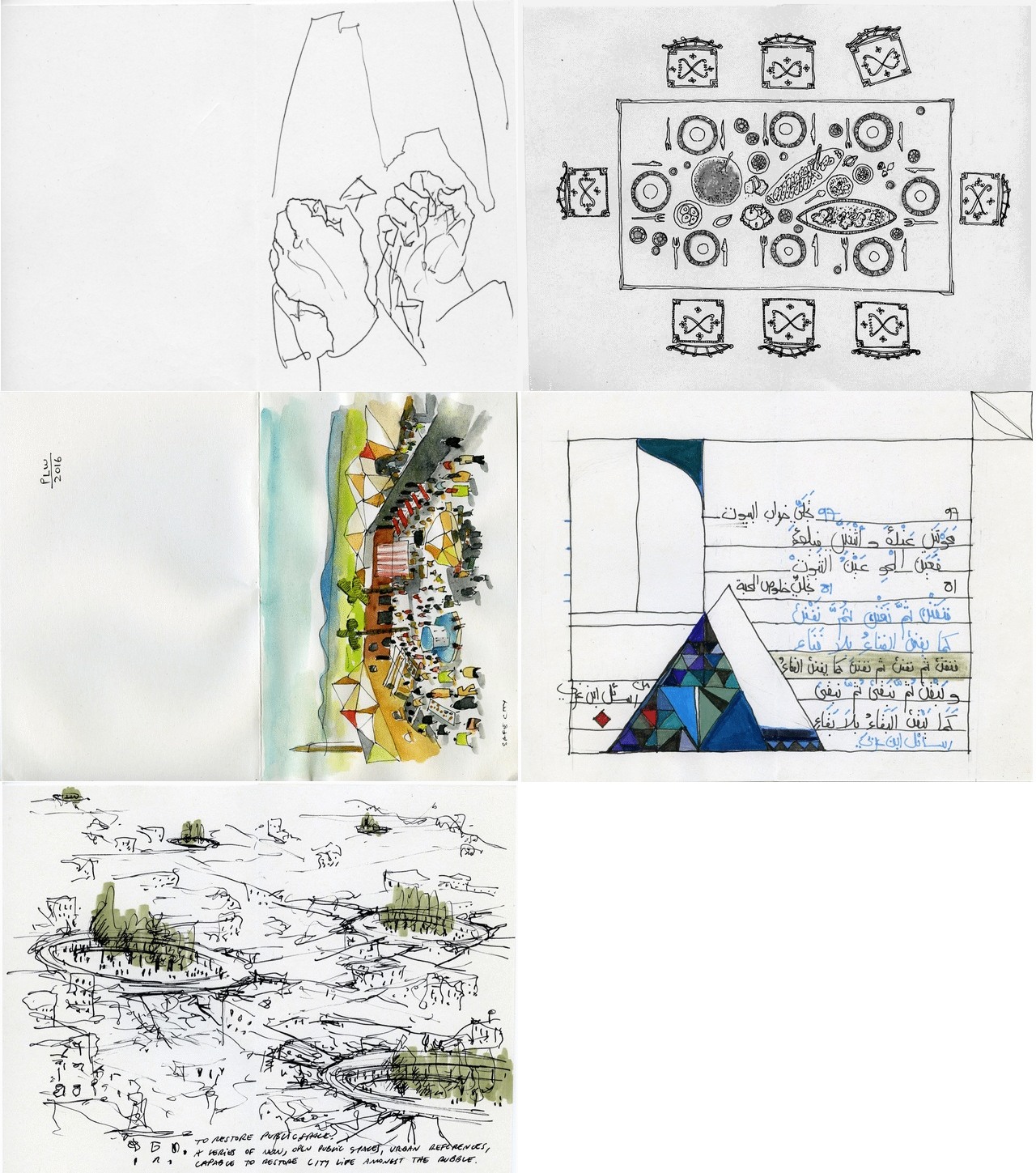
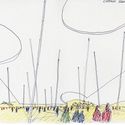
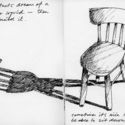
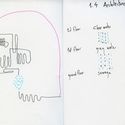
Sketch for Syria, a project initiated by by Marco Ballarin and Jacopo Galli at IUAV, Venice, has brought together 150 architects from 26 nations in a large-scale effort to "imagine, trace and share possible scenarios" for Syria, following the recent devastation of the lives of its citizens and a significant amount of its architectural heritage.
In response to the United Nations' (UN-ESCWA) drafting of an agenda on July 14th, 2016 to consider ways of reconstructing the country, this drawing project has attracted contributions from the likes of Álvaro Siza, Philippe Rahm, Peter Wilson, and Francisco Aires Mateus.
https://www.archdaily.com/878217/alvaro-siza-leads-a-rostrum-of-acclaimed-architects-imagining-possible-scenarios-for-reconstructing-syria-iuav-venice-venezia-sketchAD Editorial Team
The following photo set by Fernando Guerra focuses on the Galician Center of Contemporary Art, a project by Portuguese architect Álvaro Siza Vieira.
Located in the Spanish city of Santiago de Compostela, the Galician Center for Contemporary Art was developed in 1993. Its declared horizontality and respect for the surrounding buildings and the urban structure are configured in the most remarkable gestures of this project. The solid and austere volumes form the boundaries of the area to the streets, with subtractions that make it accessible. The center has several permanent and temporary exhibition rooms, auditorium, library, cafeteria and administrative rooms.
In all but the most optimistic architect's career, there will be moments you come across doubts and insecurities about our profession. It is in these moments where the wisdom of the greats who have come before us can help provoke the inspiration needed to face the challenges proposed by architecture and urbanism.
MArch Valencia originates as a cultural meeting point for professional architects and designers, students and companies with a same set of values; with the aim of bringing together and sharing all different experiences that arise during creative processes.
A nexus between the academical, professional and enterprise worlds, which is vital nowadays.

.jpg?1539856634&format=webp&width=640&height=580)


.jpg?1539856634)