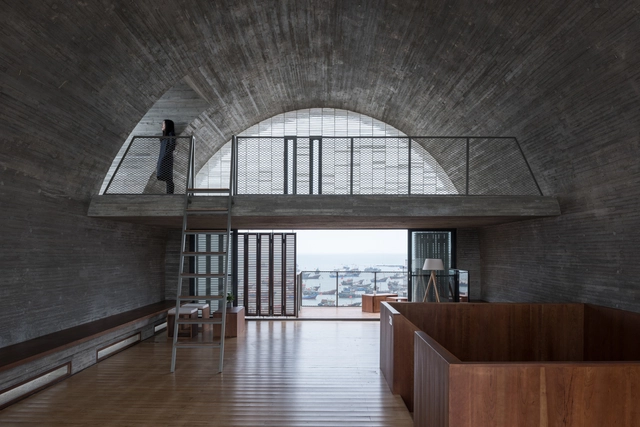
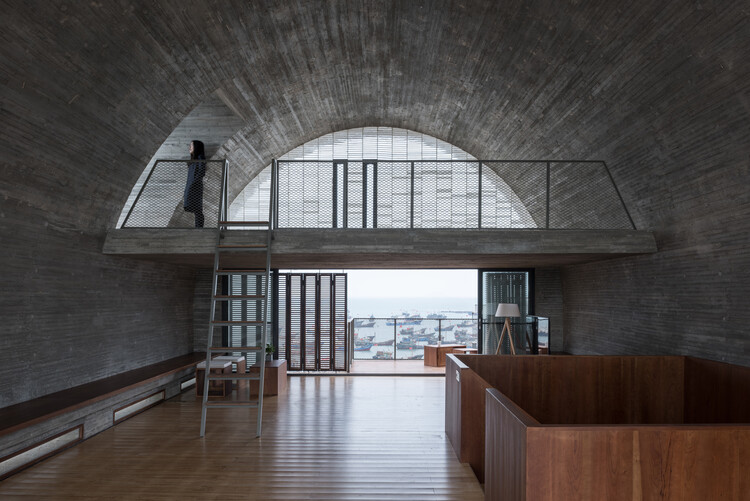
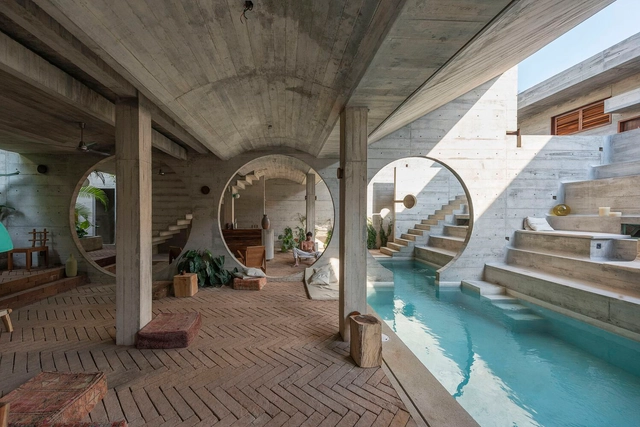
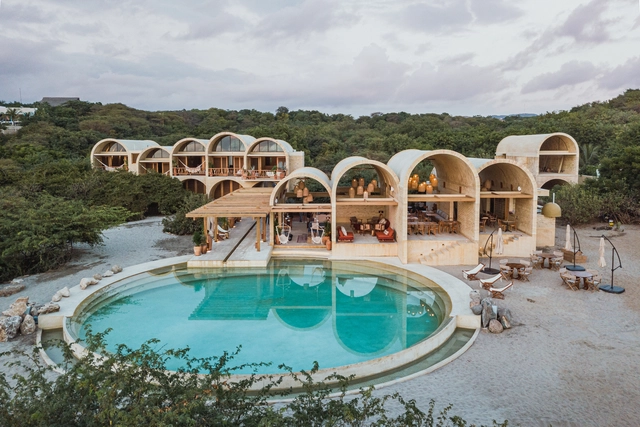
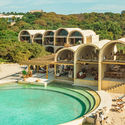
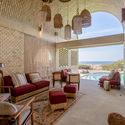
The term vault in architecture refers to a self-supporting arched structure that forms a ceiling or roof, which can effectively create a wide, column-free space. While traditional masonry vaults transfer loads to walls and buttresses, contemporary versions are more broadly defined as any ceiling that follows the roofline, creating a high, curved interior. These modern ceilings are typically framed using materials like concrete, timber, or steel, which provide the structural flexibility to create the dramatic effect of a vault without its historical constraints. The round arch vault, in particular, seems to have been a recently favored form for its simple, elegant geometry and its ability to adapt to a variety of modern residential styles.
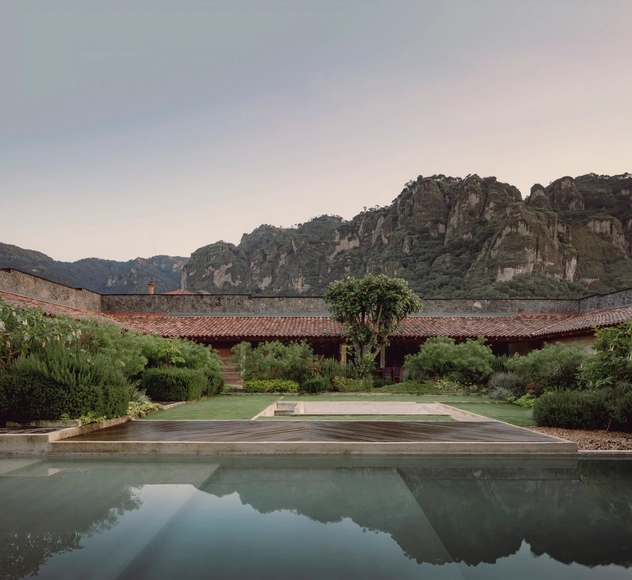
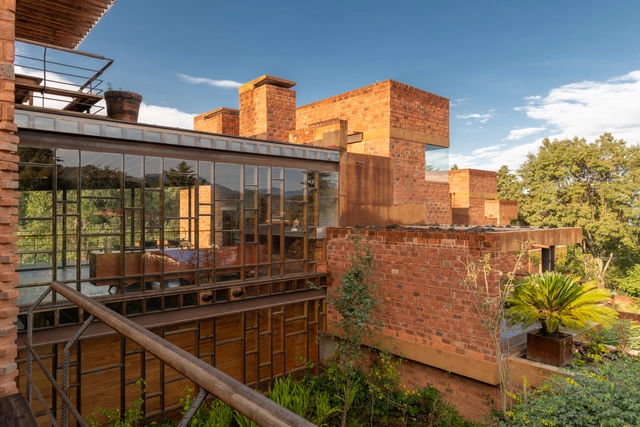
Recently selected to participate in the upcoming 2025 edition of the Latin American Architecture Biennial in Pamplona, Práctica Arquitectura has established itself as a young and promising firm in the region, specifically in Mexico. Their architectural work focuses on materializing projects that achieve a high level of sensitivity, both for those who inhabit them and for their immediate surroundings, whatever they may be. In close connection with landscapes and terrains, their projects come to life through a design that carefully considers materials, structures, and details, while ensuring a sensory and emotional experience in the spaces they create.
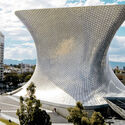
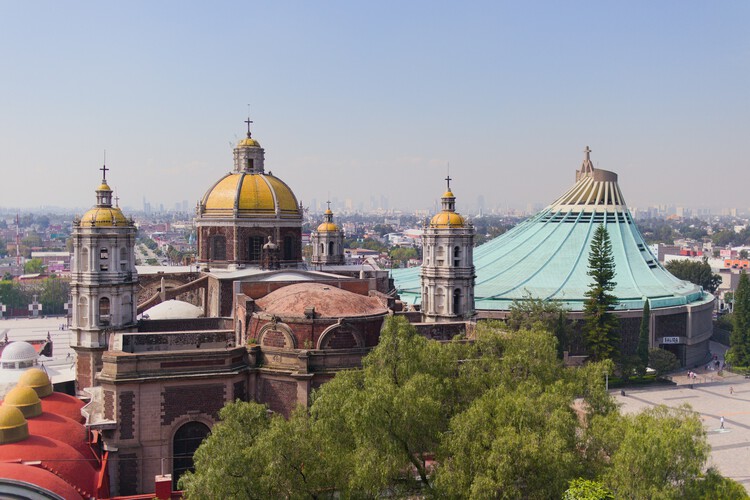
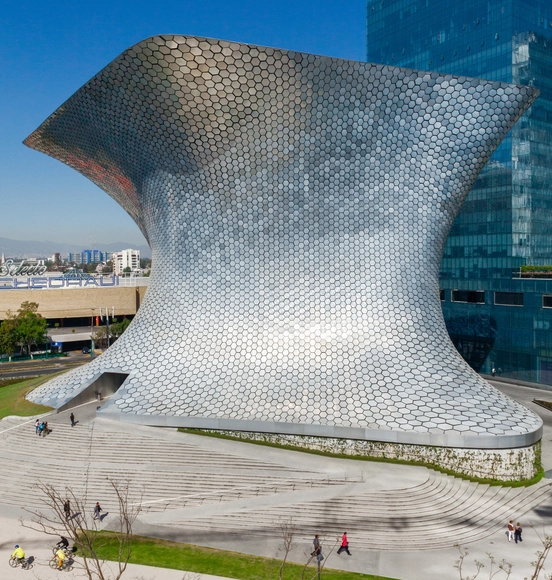
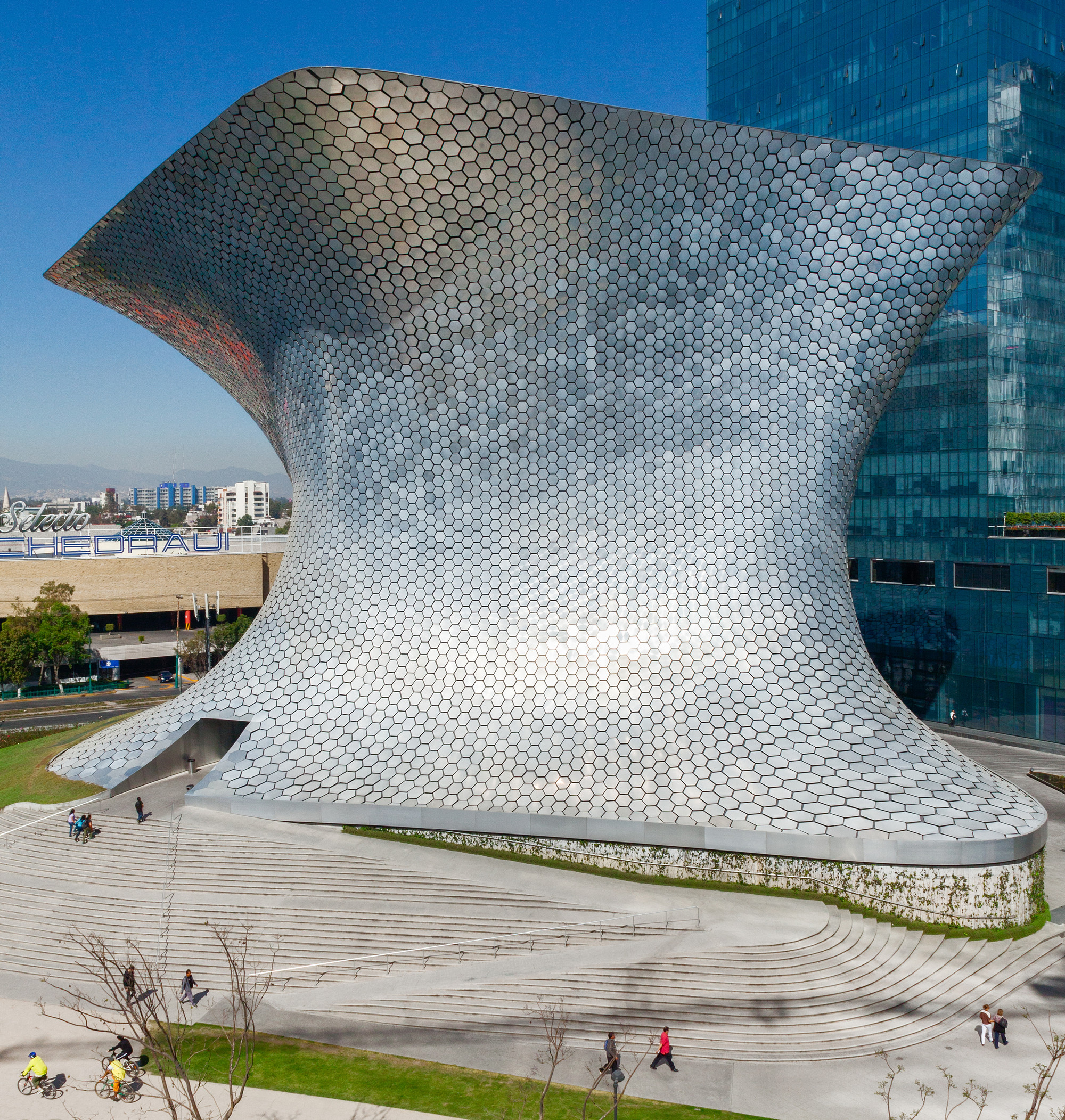
Mexico City is renowned for its abundant museums, heritage sites, and cultural richness. In fact, the capital has over 173 museums, big and small spread out through its 16 alcaldías or burroughs. The presence of these cultural spaces injects and intensifies the artistic appeal and aspect of the vibrant city. With many pioneering Mexican architects having intertwined modern art and architecture, this gave rise to iconic museums and classics of Mexican modernist architecture.
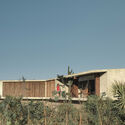
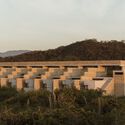
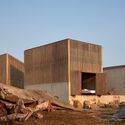
Although there is no exact record of the specific moment in which Puerto Escondido began to become a reference of contemporary Mexican architecture, various waves have been experienced. Perhaps the first one started in 2016 when the construction of Casa Wabi began, a Tadao Ando project where the Mexican office BAAQ´ collaborated as associates to develop the executive project and coordinate its construction. However, in 2019 another wave was experienced that was later reinforced by the beginning of the COVID-19 pandemic and remote work, which radically aroused interest in returning to the provinces and costs where there was less population and overcrowding.
Mexico's Valle de Bravo region, to the southeast of Mexico City, is characterized by the Presa Miguel Alemán lake, created in 1947 as a reservoir for Mexico City and Toluca's water supply. Thanks to its proximity to the capital, Valle de Bravo is a popular weekend destination for residents of surrounding cities. This in turn has sparked the interest of various architects, who have aimed to create projects that enhance visitors' experience such as offering an optimal view of the lake, or an immersive experience in the surrounding forest.
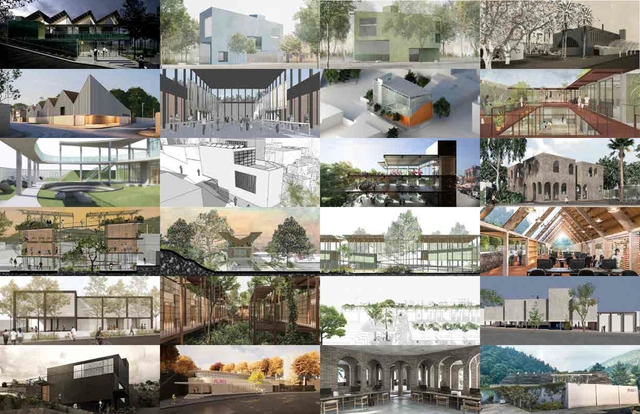
Mexico City's Secretary of Public Works and Services announced a collaboration with some of the country's most distinguished architectural minds in a move to add on to the capital's educational and cultural infrastructure. The project centers on the planning and building of 25 new Points of Innovation, Freedom, Art, Education, and Knowledge (PILARES), an initiative implemented by Mexico City Mayor Claudia Sheinbaum.
Concrete, a material commonly used in the construction industry, is made of a binder combined with aggregates (or gravels), water, and certain additives. Its origins reach back as far as Ancient Egypt, when the construction of large structures created the need for a new kind of material: one which was liquid, featured properties of natural stones, could be molded, and communicated a sense of nobility and grandeur.
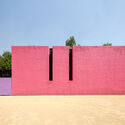
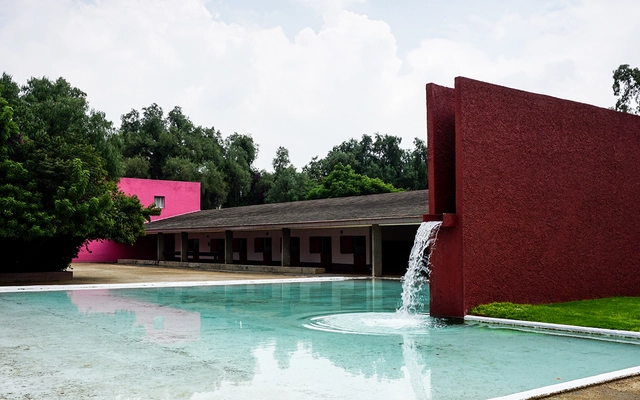
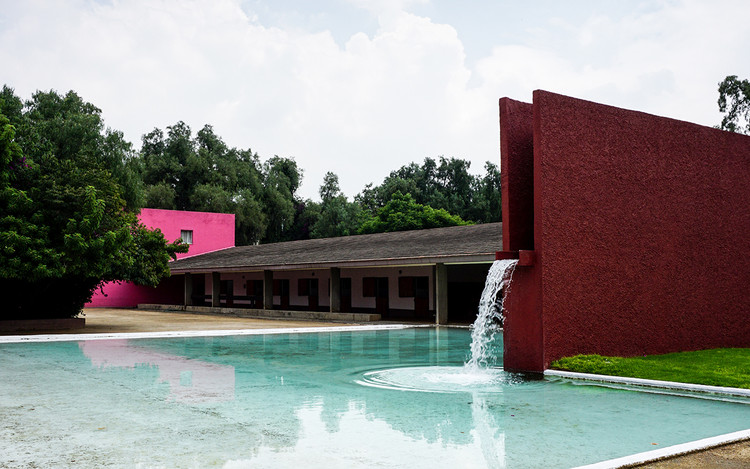
On November 22, 1988, one of the most important and revered figures in the history of Mexican and international architecture died in Mexico City. Luis Barragán Morfín, born in Guadalajara and trained as a civil engineer left behind an extensive legacy of published works, conferences, buildings, houses, and gardens that remain relevant to this day. While Barragán was known for his far-reaching research in customs and traditions, above all, the architect spent his life in contemplation. His sensitivity to the world and continued effort to rewrite the mundane has made him a lasting figure in Mexico, and the world.
Undoubtedly, Luis Barragán's legacy represents something so complex and timeless that it continues to inspire and surprise architects across generations. It is because of this that, 30 years after his death, we've compiled this series of testimonies from some of Mexico's most prominent contemporary architects, allowing them to reflect on their favorites of Barragan's works and share just how his work has impacted and inspired theirs.
Alberto Kalach is a Mexican architect whose career has focused on creating site-specific works that blend into the natural environment. In his most recent exhibition in Mexico City, Territories and Housing, Kalach shows a series of drawings that highlight his concern for the environment. In these drawings, we can see a master plan that proposes ways of living with an environmental conscience.
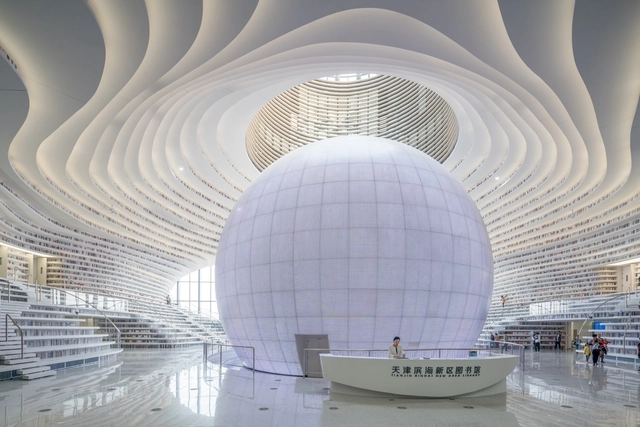
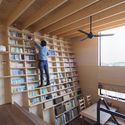
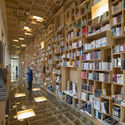
At first, books were kept in chests but as they became published in bulk they moved into the cupboard. The doors came off and the bookcase began to evolve. Today, bookcases can be integral architectural elements that shape space and, in some cases, even light. In celebration of International Day of the Book on April 23rd, ArchDaily compiled this round-up of architecturally, innovative bookcases.
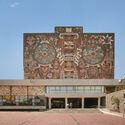
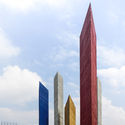
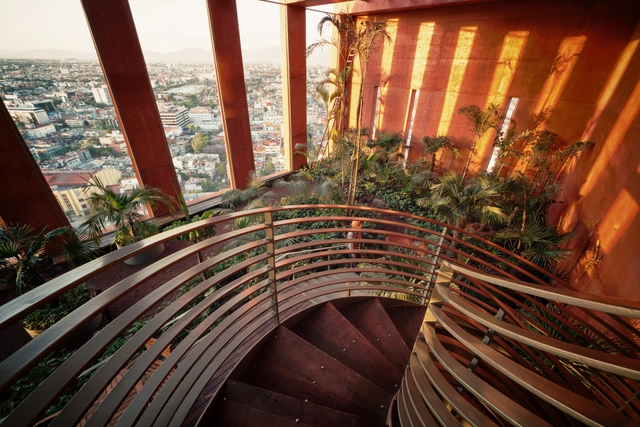
Last month I went on an enlightening trip to Mexico City, during which I had a chance to meet with half a dozen leading Mexican architects and critics. Those meetings included insightful conversations with Miquel Adrià, Tatiana Bilbao, Victor Legorreta, Mauricio Rocha, and Michel Rojkind among others (many of which will also feature in future installments of City of Ideas). I asked them many different questions, but two were consistent: “who would you name as Mexico’s best architect at this moment?” and “what one building built in the capital over the last decade is your favorite?” All of my interviewees pointed to Alberto Kalach (born 1960) and his Vasconcelos Library (2007). My Conversation with Kalach took place the next day after visiting the library on the rooftop of another one of his iconic buildings, Tower 41 overlooking Bosque de Chapultepec, Mexico City’s Central Park. We spoke about books, libraries, and his idea of buildings as inventions.
Though the idea of a vacation in Mexico usually brings to mind images of margaritas on white-sand beaches, it seems the country is slowly but surely gaining recognition in other aspects as well. Among the most populated urban cities in Latin America and the world – not to mention The New York Times' number one "Place to Go in 2016" – Mexico City offers a particular cultural diversity evident both in its traditions and in its architecture. Considering it's the main tourist, educational, cultural, economic and political center of Mexico, it makes sense that it's the perfect scenario for the social encounters of its multicultural inhabitants and tourists.
The sites of architectural interest alone are worth the visit, with prehispanic, classic, modern and contemporary examples ranging from Juan O'Gorman and Luis Barragán to Felix Candela and David Chipperfield. Add to that the fact that its gastronomic scene has garnered much praise and attention in recent years, and you've got a perfect combo. Below is a carefully curated list of 30 sites that every architect should know and visit.
On a recent trip abroad, architect and urban planner José Castillo was struck by a conversation with Mexico’s tourism attaché in Asia. Mexican tourism, the attaché remarked, has changed; it was the ancient pyramids and sandy beaches of the country that once drew visitors to it. Today however, architecture and design—and food—prevail.
The issue of food may be of little wonder. Mexican cuisine has indeed become more popular than ever in both the high and low ends of the culinary spectrum, and food in general is not only what one eats for dinner but also a hobby and an obsessive conversation topic. Yet for local design to come to the same level of acclaim and reputation is, at any rate, quite astonishing. It may be, though, that food and architecture are not so far apart. These are both highly creative and productive professions, as well as ones with a rich history, a theory, and many layers of tradition.
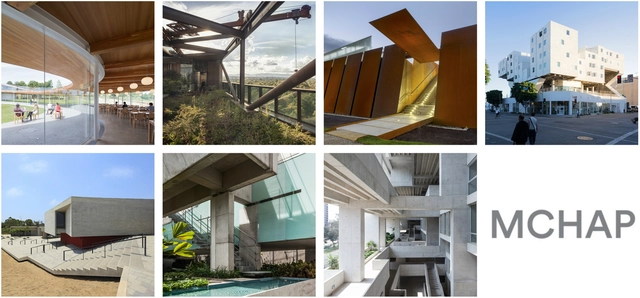
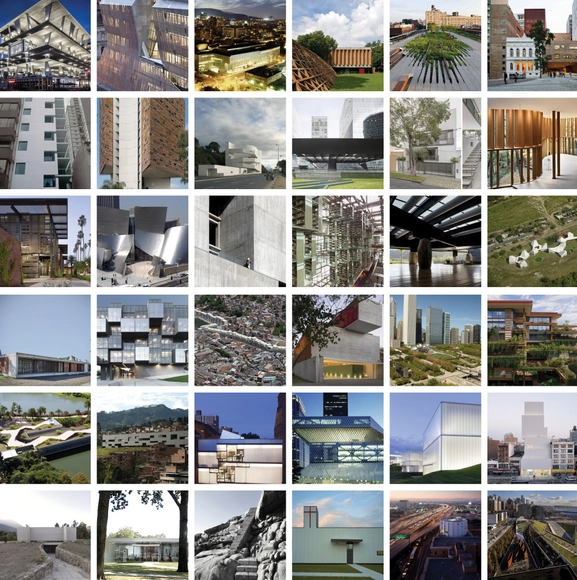
Wiel Arets, Dean of the College of Architecture at Illinois Institute of Technology (IIT) and Dirk Denison, Director of the Mies Crown Hall Americas Prize (MCHAP), have announced the inaugural MCHAP shortlist – 36 “Outstanding Projects” selected from the 225 MCHAP nominees.
“The rich diversity of these built works is a testament to the creative energy at work in the Americas today,” said Arets. “When viewed alongside the innovative work by the MCHAP.emerge finalists and winner, Poli House by Mauricio Pezo and Sofia von Ellrichshausen which we honored in May, we see the evolution of a distinctly American conversation about creating livable space.” See all 36 winners after the break.