

-
Architects: B.L.U.E. Architecture Studio
- Area: 4250 m²
- Year: 2025
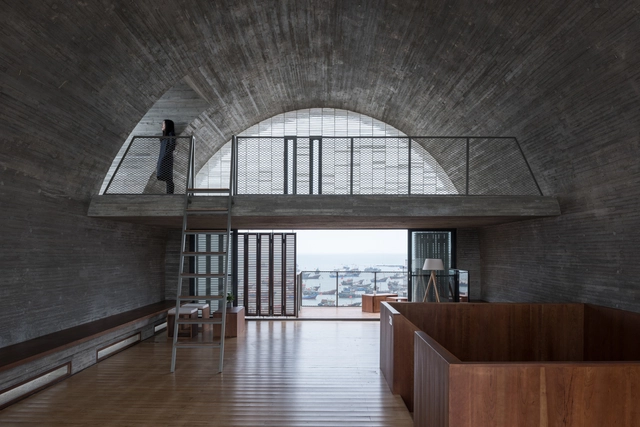
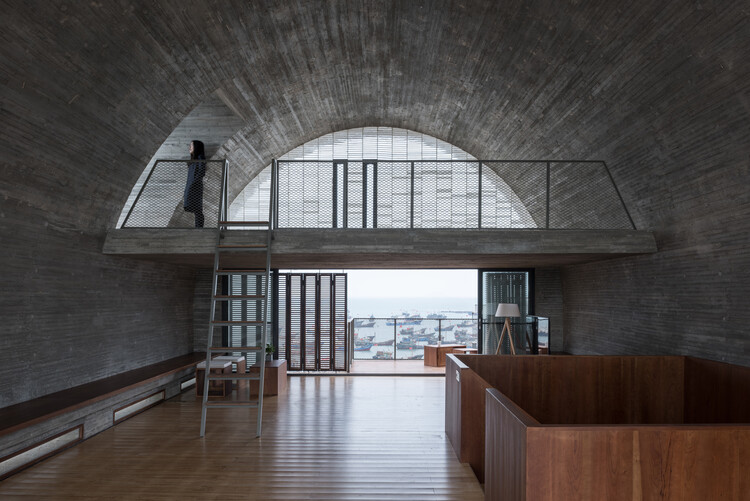
The term vault in architecture refers to a self-supporting arched structure that forms a ceiling or roof, which can effectively create a wide, column-free space. While traditional masonry vaults transfer loads to walls and buttresses, contemporary versions are more broadly defined as any ceiling that follows the roofline, creating a high, curved interior. These modern ceilings are typically framed using materials like concrete, timber, or steel, which provide the structural flexibility to create the dramatic effect of a vault without its historical constraints. The round arch vault, in particular, seems to have been a recently favored form for its simple, elegant geometry and its ability to adapt to a variety of modern residential styles.
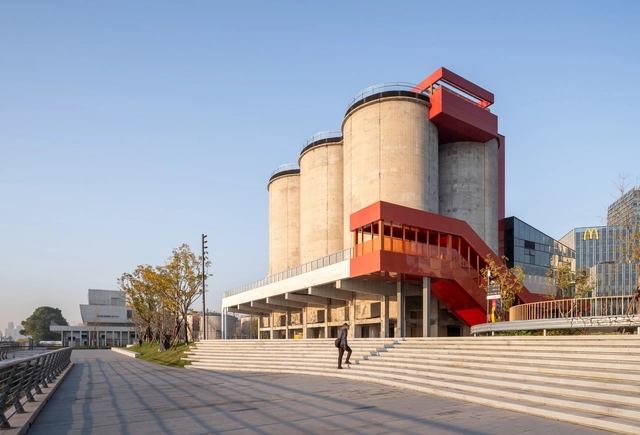
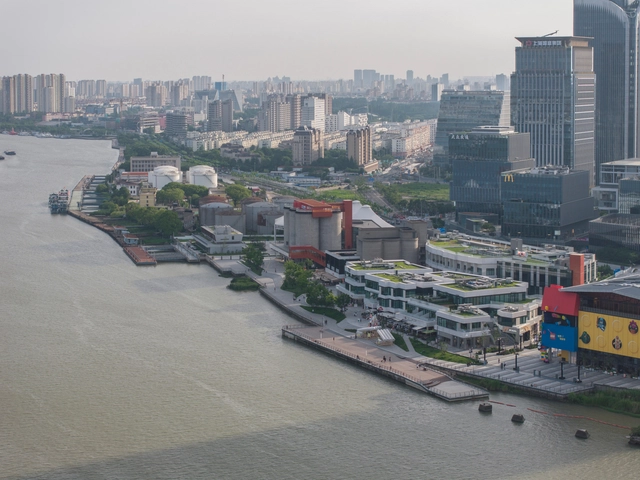
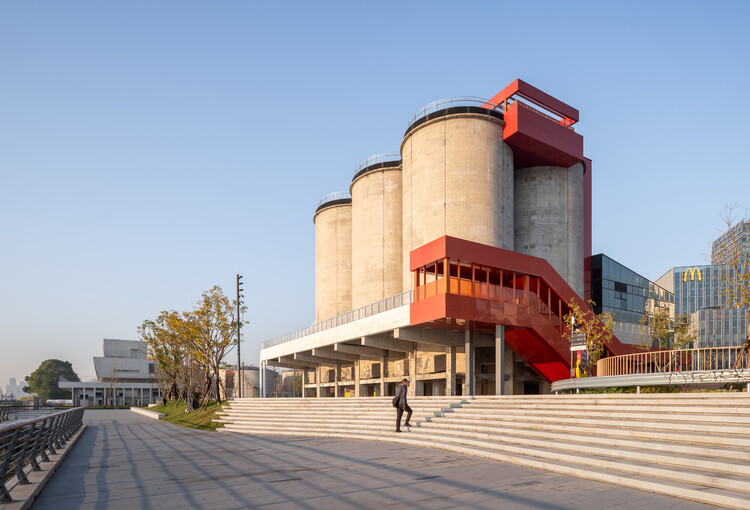
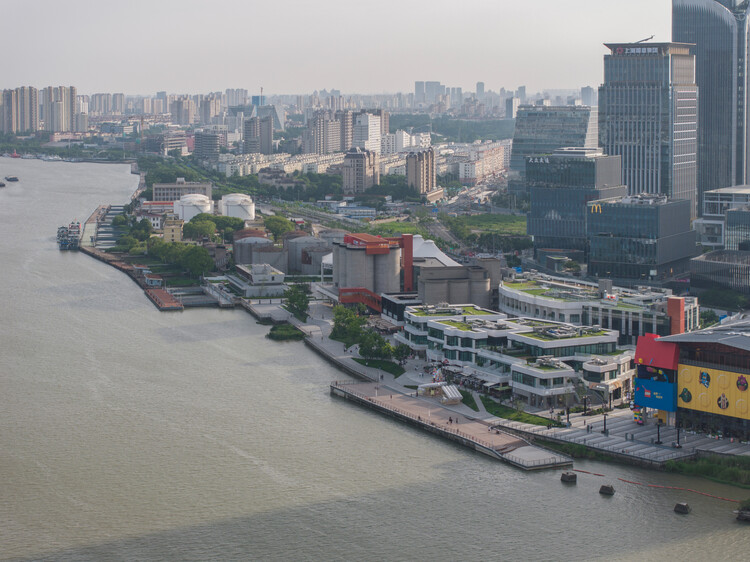
MVRDV has completed the GATE M West Bund Dream Center, a major adaptive reuse project that transforms a former cement factory into a dynamic cultural and leisure district in Shanghai. Located along the city's Huangpu River, the development contributes to the growing series of West Bund cultural initiatives and offers a wide array of public amenities, from food and retail spaces to climbing facilities, event venues, and riverside relaxation areas. Once the site of Asia's largest cement factory, the area underwent a significant shift following the 2010 Shanghai Expo, which prompted the relocation of industrial activities and the revitalization of the riverbanks.
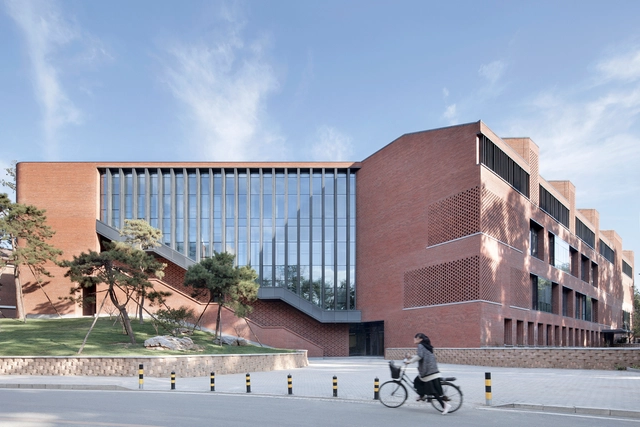
Every year, the QS World University Rankings by Quacquarelli Symonds (QS) releases an updated list of best university programs worldwide. In the field of Architecture and the Built Environment, the list includes 250 institutions. The ranking evaluates institutions across all continents. This year, The Bartlett School of Architecture (part of UCL) maintains its position in first place, as the top 10 list sees a reorganization of the selected universities, with no new entrants. Tsinghua University is the only one among them to improve its position since last year, rising from eighth to joint seventh.
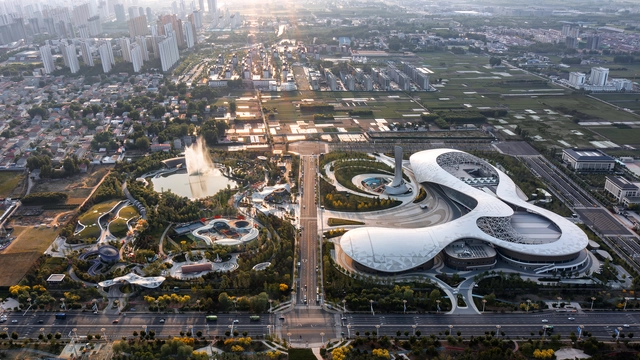

Deutsches Architekturmuseum (DAM) has announced the International High-Rise Award 2024/25. Selected from more than 1,000 new high-rises worldwide dating from the past two years, the nominated projects are located in 13 counties from 5 continents. In autumn, the five finalists will be announced, followed by the winner announcement scheduled for November 12, 2024. The main objective of the award is to highlight good practices in the ongoing trend of mixed-use high-rises.
With the increase in the construction of high-rises, special features such as the introduction of greenery in the design, unusual shapes, or the construction of clusters of towers, have become the new normal. DAM’s research this year also shows a growing eco-awareness, as the focus in high-rise construction is increasingly on the use of existing buildings. While the majority of tall buildings continue to be erected in China, followed by the USA, Australia, and Singapore have emerged as new hubs of high-rise architecture.
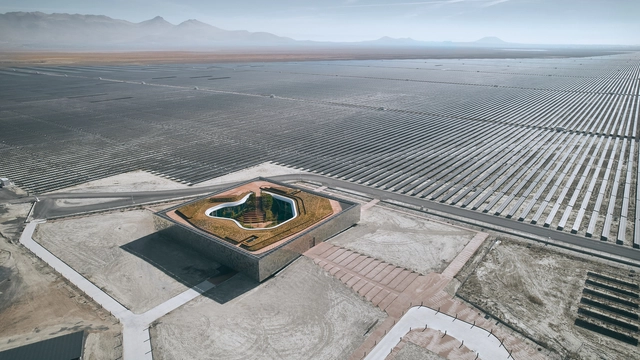
The 17th edition of World Architecture Festival (WAF) will take place at Marina Bay Sands in Singapore from the 6-8th November 2024. In addition to the unique live-judged awards programme and crit presentations, this year's event will include fringe events, an exhibition, and keynote talks from an international panel of speakers.
This week, the festival announced their short list of most innovative projects from around the globe, celebrating the best new completed buildings and landscapes as well as the most inspiring future architectural concepts, across 33 categories, ranging from residential, to transport, to retrofit. This year's finalists range from major world architects including Zaha Hadid Architects, WOHA, Renzo Piano Building Workshop, MVRDV, Tadao Ando Architect & Associates, Kohn Pederson Fox, and Nikken Sekkei, with many emerging practices also on stage competing against the big names.
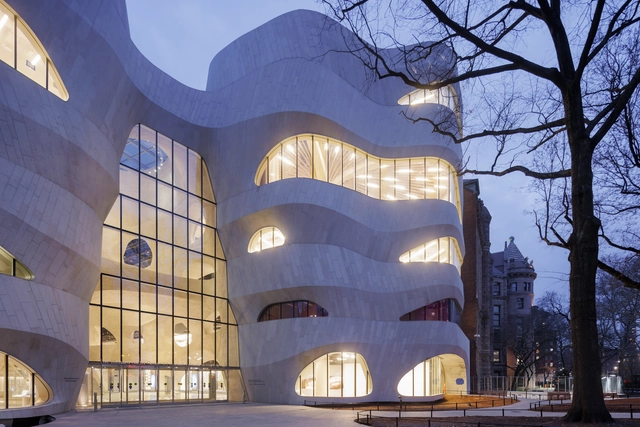
As we reflect on the unfolding of 2023, it has been a remarkable chapter in the world of architecture and design. This year saw the fruition of numerous groundbreaking projects that have left a mark on our collective built environment. This narrative takes place around a year of significance, with a renewed commitment to combat climate change, with dialogue initiated around world-renowned events such as the UIA World Congress of Architecture in Copenhagen or the 18th International Architecture Exhibition in Venice – La Biennale di Venezia.
This curated list includes projects that opened to the public in 2023. Each of them was designed and long-awaited to be completed. The featured architects include MVRDV, Zaha Hadid Architects, Snøhetta, Studio Gang, and OMA in collaboration with Shohei Shigematsu. Each of these firms is a unique design studio with its specific architectural style; while all these listed built projects are public and commercial.
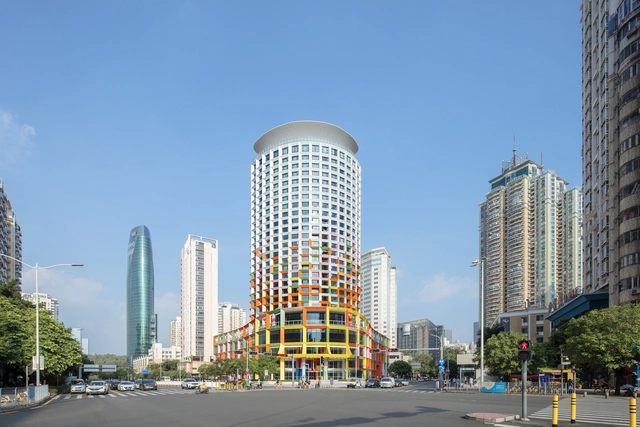
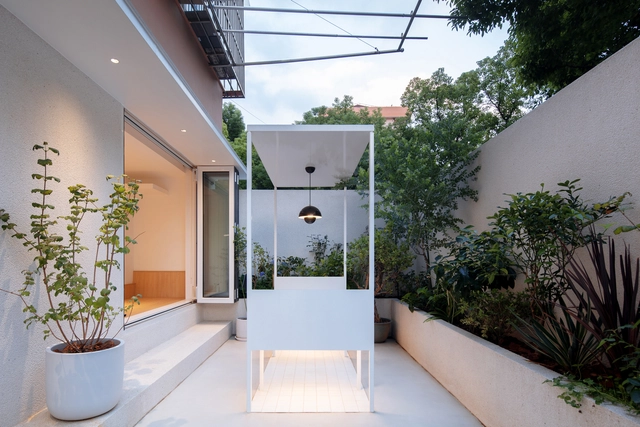

The key to successfully designing or recovering public spaces is to achieve a series of ingredients that enhance their use as meeting places. Regardless of their scale, some important tips are designing for people's needs, the human scale, a mix of uses, multifunctionality and flexibility, comfort and safety, and integration to the urban fabric.
To give you some ideas on how to design urban furniture, bus stops, lookouts, bridges, playgrounds, squares, sports spaces, small parks, and urban parks, check out these 100 notable public spaces.
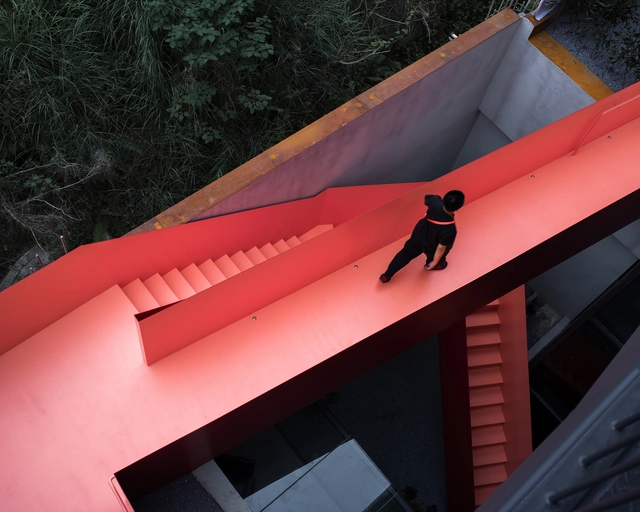
Stairs are often an inevitable part of a building's DNA. Nowadays, staircases not only serve the function of practicality but are also a showcase of their own kind, especially if paired with a color that is guaranteed to grab attention. Among warm colors, red is considered to be the most powerful one. On one hand, it evokes feelings of joy and energy, and on the other, feelings of alertness and danger. Red can stimulate a whole range of emotions. Therefore, its usage should be attentive, delicate, and thought out.