.jpg?1494959021&format=webp&width=640&height=580)
.jpg?1494959182&format=webp&width=230&height=230&crop=true)
.jpg?1494959395&format=webp&width=230&height=230&crop=true)
.jpg?1494959171&format=webp&width=230&height=230&crop=true)
.jpg?1494959371&format=webp&width=230&height=230&crop=true)
.jpg?1494959021)
-
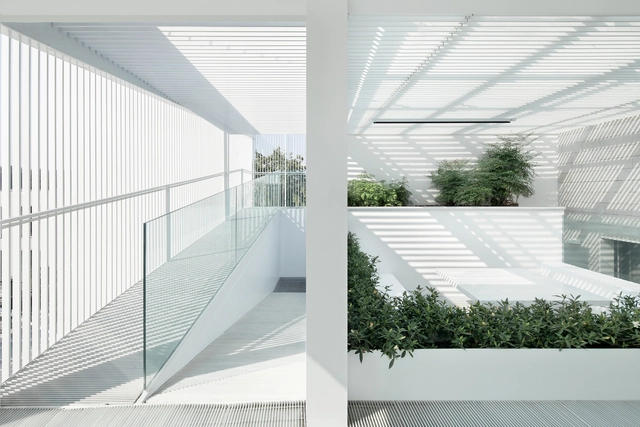
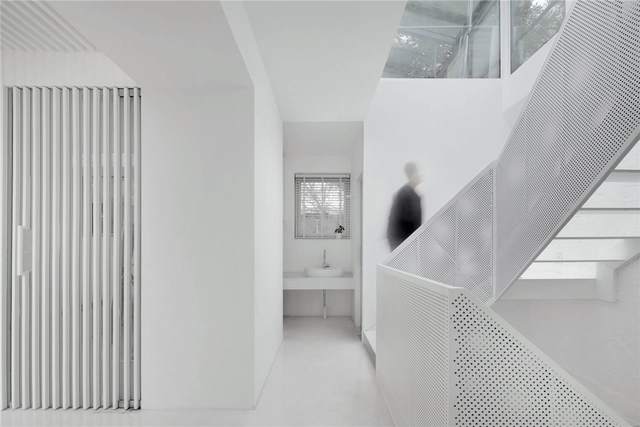
Architects: Vector Architects
- Area: 470 m²
- Year: 2017


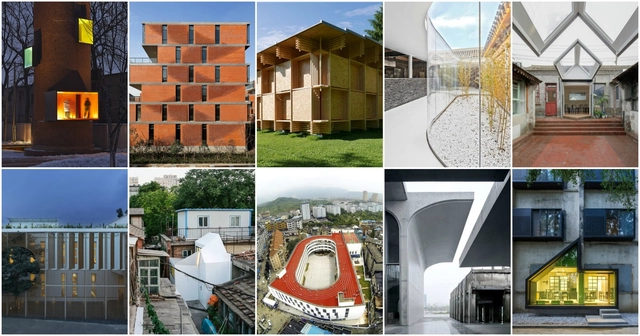
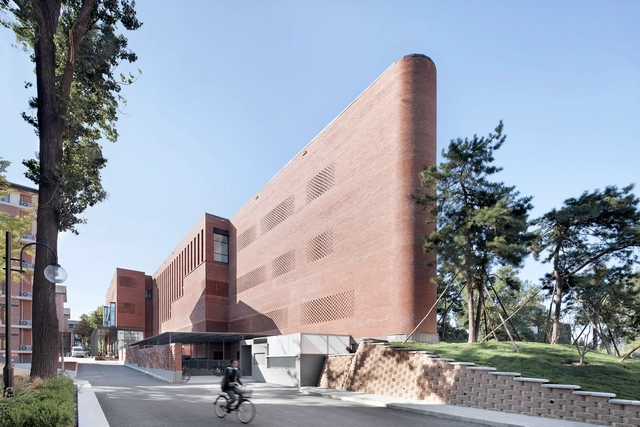
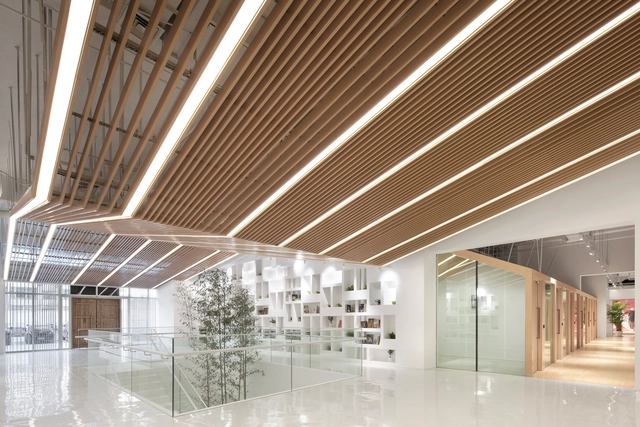
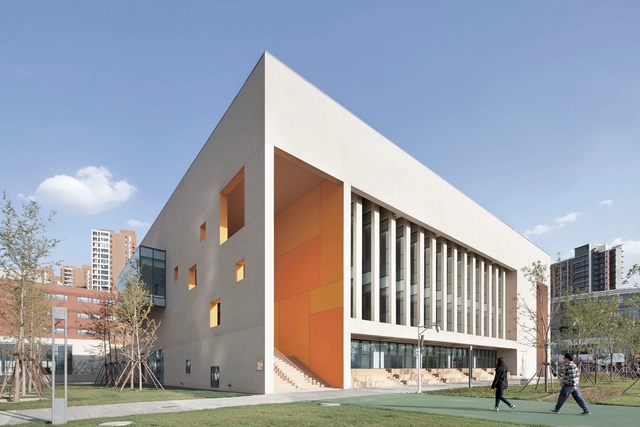
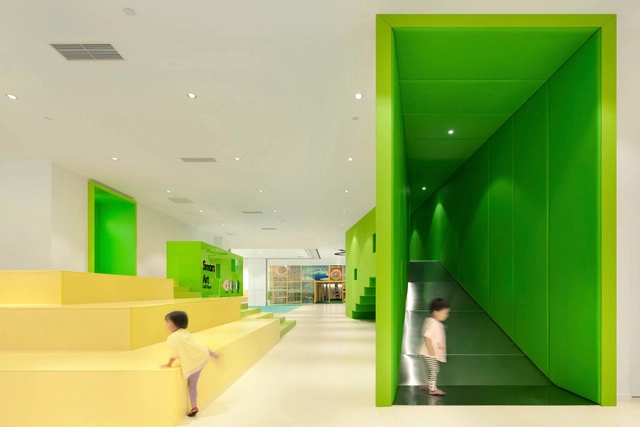
2016 has been a momentous year for Chinese architecture. From the completion of the Harbin Opera house by MAD to the Aga Khan Awards recognizing Zhang Ke of Standard Architecture for his micro-scale design of the Hutong Children’s Library and Art Centre in Beijing. It seems the general perception of Chinese architecture has finally moved beyond the big, weird and ugly.
Since we’ve started to branch out into China, the ArchDaily China team has been able to discover the rich layers beyond just these rising Chinese stars. As part of the country's large-scale urbanization process, last year, we posted some of the large-scale projects designed by China’s (largely unknown) Design & Research institutions such as train stations and cultural centers.
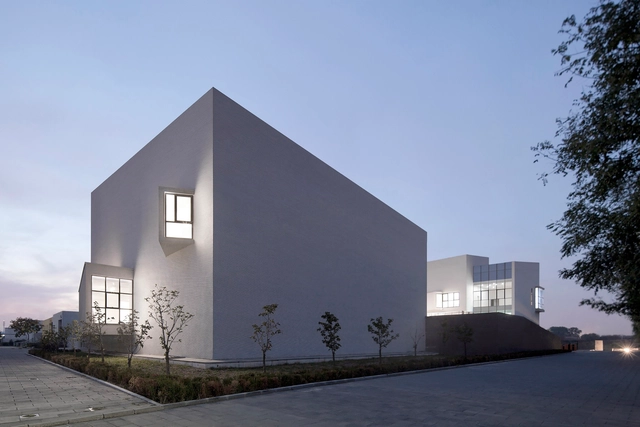
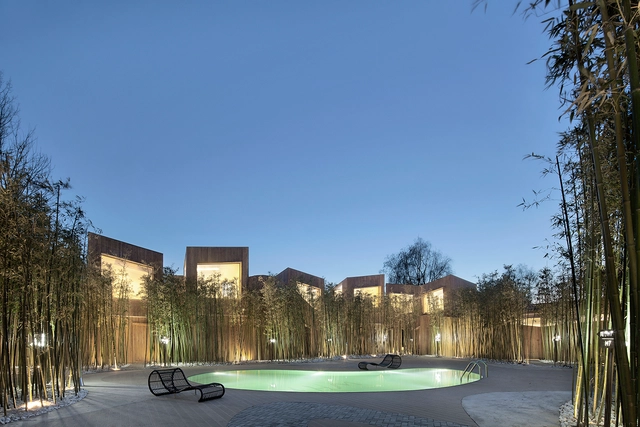
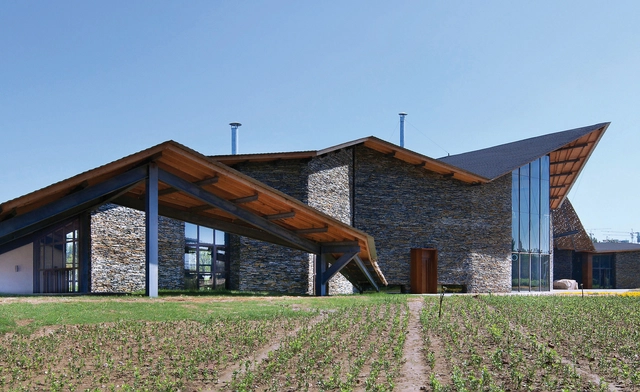
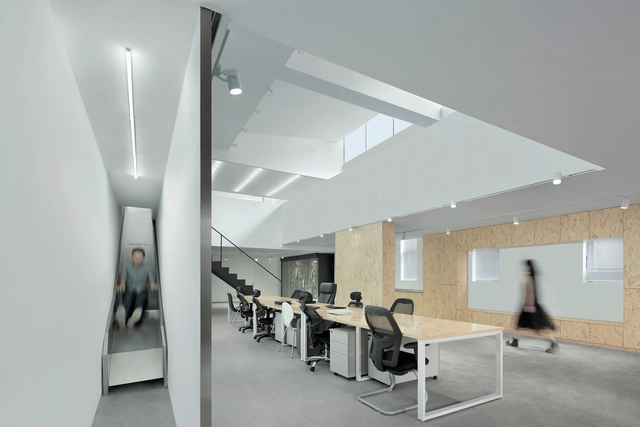
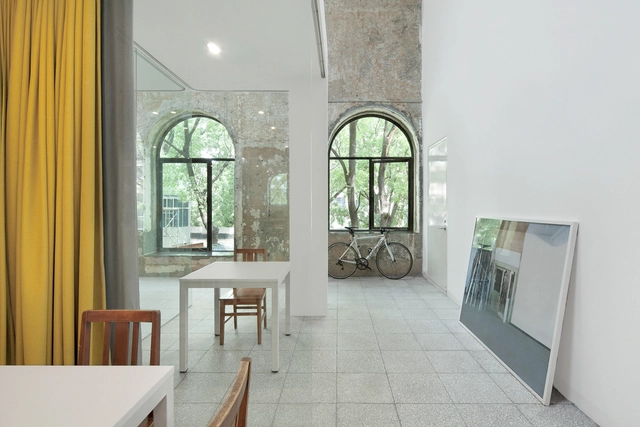
In addition, we’ve also come across a series of smaller, lesser known, younger practices that focuses more on small-scale experimental work. Here are our top ten favorites:
.jpg?1443794805&format=webp&width=640&height=580)
Text description provided by the architects. Following up a year of development, Penda has unveiled their installation for Beijing Design Week (BJDW) 2015 – Rising Canes, a structural system made entirely of bamboo and ropes. Meant to be a speculation system for larger developments, the installation is fully modular, ecological and easy to expand in every direction. Bamboo was chosen as the main construction material for its long traditional roots in China and fantastic structural capability, as well as part of a desire to fight its current obscurity as a construction material.
.jpg?1433216600&format=webp&width=640&height=580)
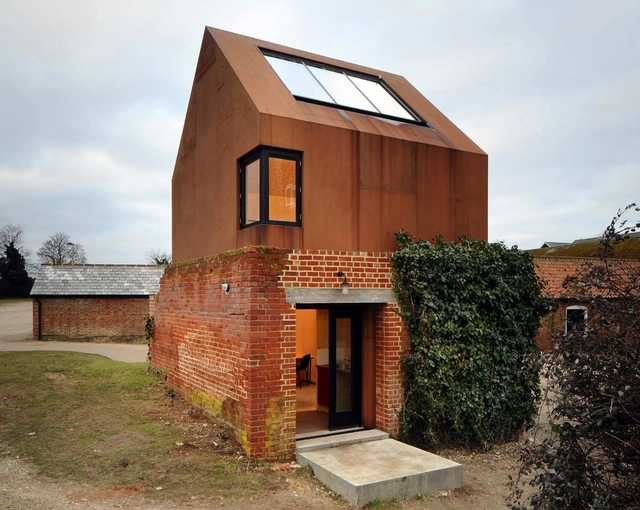
One of the most interesting trends in architectural materials of recent years is the increase in use of weathering steel - more commonly referred to by its trademark name, Cor-Ten. Thought the material has been around for decades, first being used for architectural purposes in the Eero Saarinen-designed John Deere Headquarters in 1964, the material has seen a surge in popularity in the last decade or so, being used in everything from individual houses and tiny kiosks, to SHoP's design for the Barclays Center in Brooklyn, which used a staggering 12,000 weathering steel panels.
To celebrate this material we've rounded up nine of the most innovative and striking uses of weathering steel from recent years: Haworth Tompkins' tiny Dovecote Studio; Feilden Clegg Bradley Studios' offices and student housing at Broadcasting Place; the perforated facade of IGC Tremp by Oikosvia Arquitectura; the rusted ribbons of Ron Arad's Design Museum Holon; vertical striations on The Corten House by DMOA Architecten; Tony Hobba Architects' Third Wave Kiosk and its corrugated Cor-Ten walls; striking patterned facades in Santiago's Gabriela Mistral Cultural Center by Cristian Fernandez Arquitectos, Lateral Arquitectura & Diseño; weathered facades and louvers in Guillermo Hevia's Ferreteria O´Higgins; and finally the folding garage-style doors of Origin Architect's Refurbishment of the Offset Printing Factory.








.jpg?1447005293&format=webp&width=230&height=230&crop=true)


.jpg?1443795381&format=webp&width=230&height=230&crop=true)
.jpg?1443795335&format=webp&width=230&height=230&crop=true)
.jpg?1443794787&format=webp&width=230&height=230&crop=true)
.jpg?1443794843&format=webp&width=230&height=230&crop=true)
.jpg?1443794805)


.jpg?1433216579&format=webp&width=230&height=230&crop=true)
.jpg?1433217035&format=webp&width=230&height=230&crop=true)
.jpg?1433216657&format=webp&width=230&height=230&crop=true)
.jpg?1433216416&format=webp&width=230&height=230&crop=true)
.jpg?1433216600)


