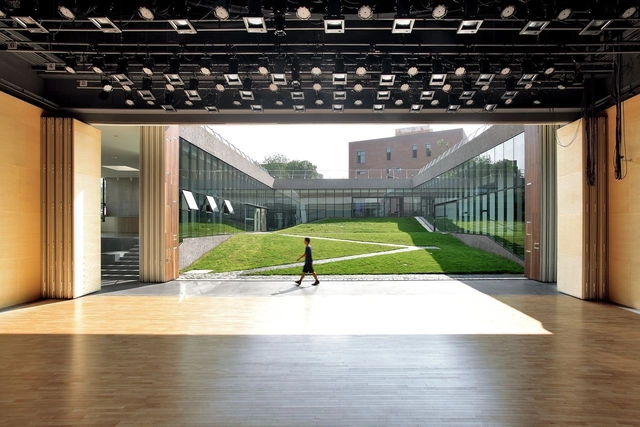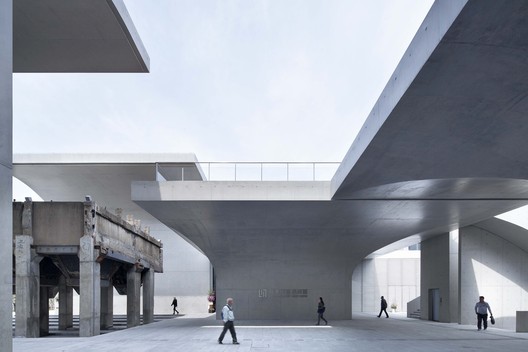
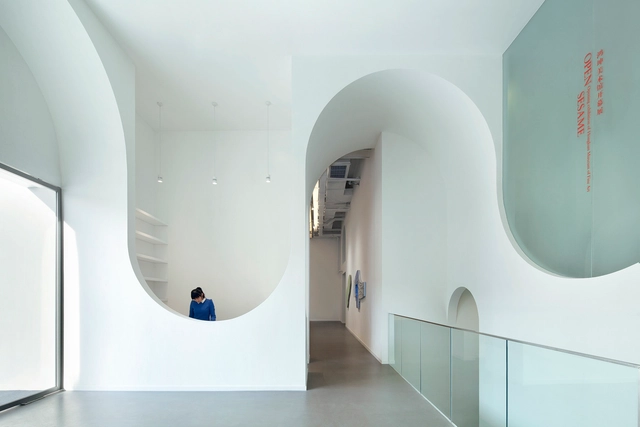
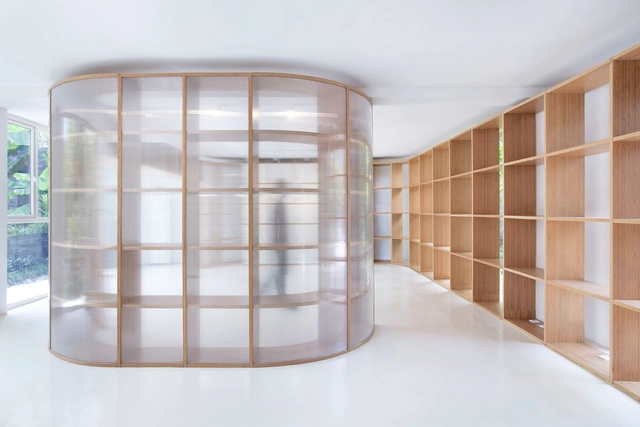
“We use two aspects to express architecture: Qing [emotion], Jing [pattern]. Jing is the architectural pattern that we apply, to certify the living and working style, to consider what our architecture can bring. Another thing is the relationship between architecture and the site, the city and nature. Ancient Chinese dwellings are usually enclosed by walls, creating an introverted space. This is the second aspect Qing, more related to traditional customs, aesthetics, and our attitude towards the environment and nature. The enclosed space originates from our interpretation of Qing. What we have captured about the ancient spirit of aesthetics is a kind of uncertainty, a kind of blurry and ambiguous feeling.”
- Chen Yifeng, Shanghai, 2013


.jpg?1429208050&format=webp&width=640&height=580)
.jpg?1429208125&format=webp&width=230&height=230&crop=true)
.jpg?1429209154&format=webp&width=230&height=230&crop=true)
.jpg?1429208029&format=webp&width=230&height=230&crop=true)
.jpg?1429209086&format=webp&width=230&height=230&crop=true)
.jpg?1429208050)
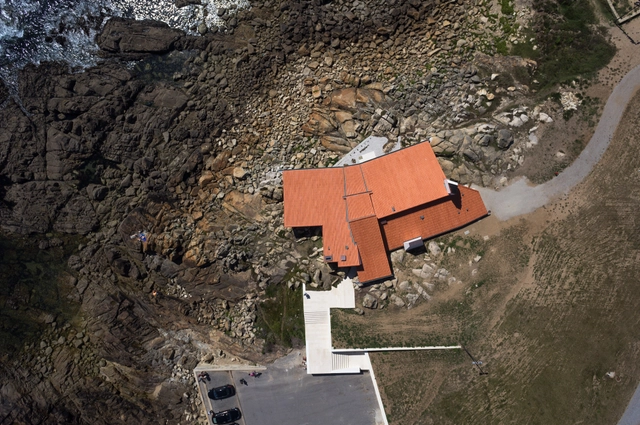

















.jpg?1365618202&format=webp&width=640&height=580)


.jpg?1365618206&format=webp&width=230&height=230&crop=true)
.jpg?1365618202)