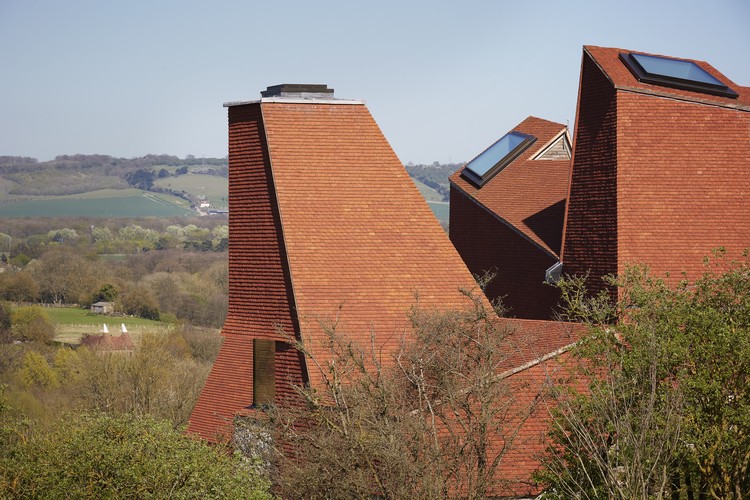
James Macdonald Wright and Niall Maxwell’s reimagining of the English country house, “Caring Wood,” has been selected as the 2017 RIBA House of the Year, bestowed annually by the Royal Institute of British Architects (RIBA) to the “best new house or house extension designed by an architect in the UK.”
Inspired by the traditional ‘oast houses’ – agricultural buildings used for kilning hops – found in the county of Kent, the house was lauded by the jury for its celebrating of local building crafts and traditions, including the use of handmade peg clay tiles, locally quarried ragstone and coppiced chestnut shingles.
This August 19th is World Photo Day, which celebrates photography on the anniversary of the day on which France bought the patent for the daguerreotype, one of the earliest photographic processes, and released it to the world for free in 1839. At ArchDaily, we understand the importance of photography in architecture—not only as a tool for recording designs, but also as a discipline that many of us enjoy. To celebrate the occasion, we decided to reveal the most popular images ever published on ArchDaily, as selected by you, our readers. Using data gathered from My ArchDaily, we have ranked the 100 most-saved images from our database; read on to see them.
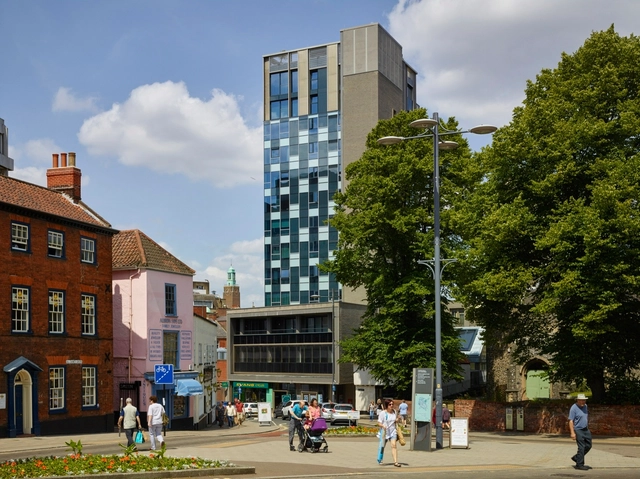
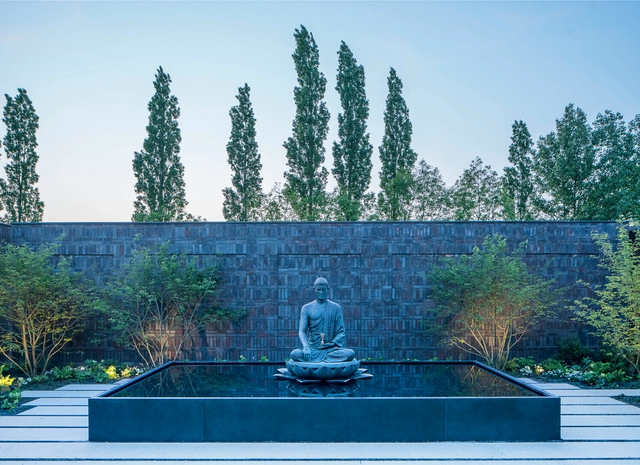
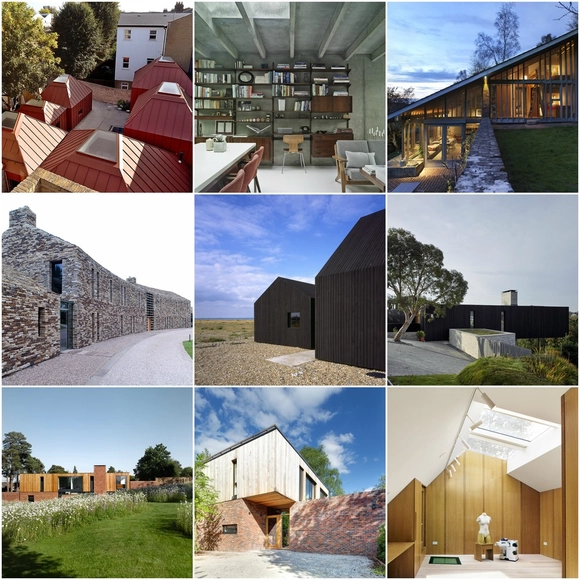
The Royal Institute of British Architects (RIBA) has announced 17 winning projects in the 2017 RIBA East Awards. Topped by Walters & Cohen Architects' Vajrasana Buddhist Retreat Centre in Suffolk which won the RIBA East Building of the Year Award, these 17 regional winners will go on to compete in RIBA's national awards, with the best in the national awards ultimately going forward to compete for the Stirling Prize.
"It was just fabulous to see the diversity and exceptional quality of buildings around the region," said RIBA East Regional Director Louise Todd. "The jury had a really difficult task in selecting the winners, which says a lot for the strength of the shortlist and the creativity of the architects involved."
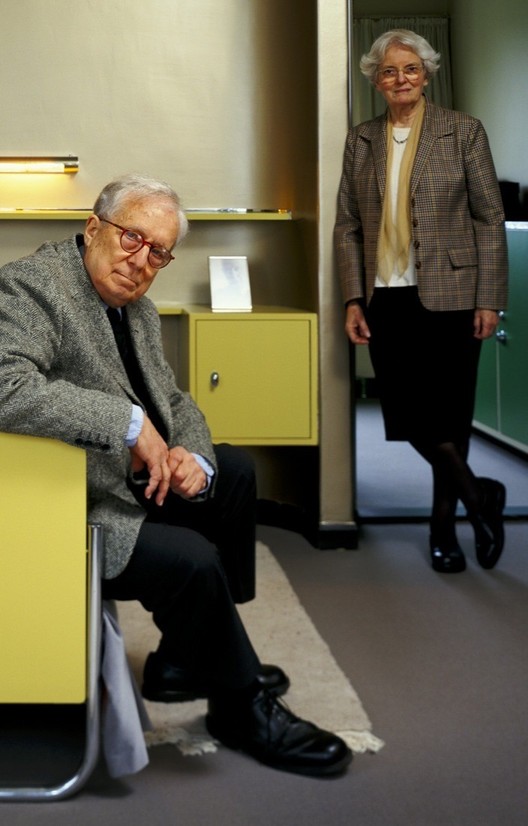
Through their books, theories and design projects, there's no doubt that Denise Scott Brown and Robert Venturi dramatically altered the course of architecture at the end of the Modernist period. In this interview conducted at the Harvard Graduate School of Design in 2013, Shalmali Wagle and Alen Žunić talk with Scott Brown about the origins of the groundbreaking theories that underpinned the work of Venturi Scott Brown and Associates, what she is working on now, and her hopes for the future of the profession.
When you decided to practice architecture, was there a second option? What could have been your alternate career?
Because my mother had studied architecture, I wanted as a child, to be an architect, and as she drew a great deal for us, I spent much of my preschool life drawing and painting. In grade school I loved my teachers and wanted to do what they did. And in middle school I wanted to write, study languages, travel, and perhaps be a librarian—a career I saw as appropriate to my interests and open to women. But on entering architecture school, I saw only men there (5:60 was the ratio everywhere, until almost 1980). But the architects I knew were women, so I had thought it was a female's profession. "What are all these men doing in the studio?" I asked myself. When I was 40 I looked back and realized I had had all the roles I hoped to have but within the framework of architecture.
https://www.archdaily.com/796821/denise-scott-brown-on-the-past-present-and-future-of-vsbas-groundbreaking-theoriesShalmali Wagle and Alen Žunić
The award, now in its ninth year, “celebrates design that promotes or delivers change, enables access, extends design practice or captures the spirit of the year.” Nominees are selected in six categories, including Architecture, Digital, Fashion, Graphics, Product and Transport. An exhibition on the projects will be on display from 24 November 2016 – 19 February 2017.
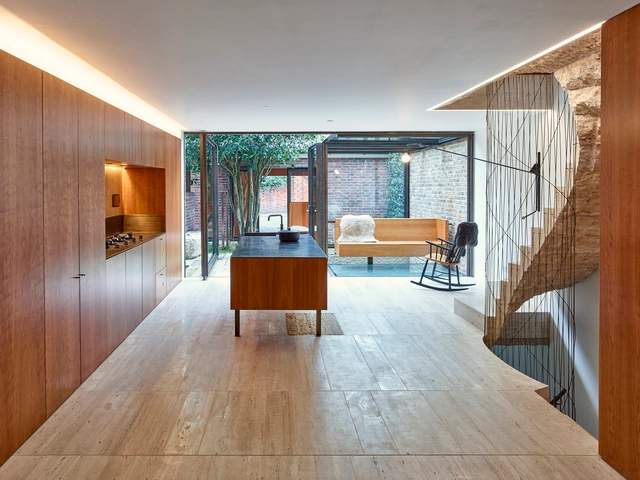
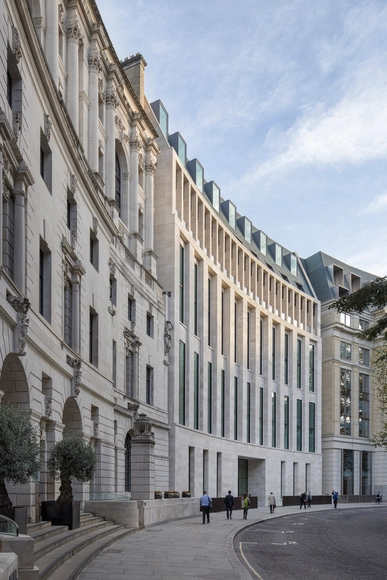
From a shortlist of 68 buildings, 36 London projects have been awarded the 2016 RIBA LondonAwards for architectural excellence, the city's most prestigious design honor. The winners include a home for ravens, a Japanese-inspired London terrace home and a historical restoration. All of these designs will be further considered for the RIBA National Awards, to be announced in July. The winners of the national award will then create a shortlist for the RIBA Stirling Prize – the highest award for architecture in the UK.
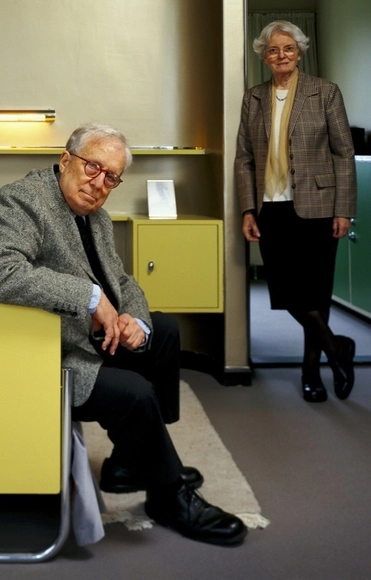
The American Institute of Architects (AIA) has announcedDenise Scott Brown, hon. FAIA and Robert Venturi, FAIA, as joint winners of the 2016 AIA Gold Medal. The AIA cited the duo for their "built projects as well as literature that set the stage for Postmodernism and nearly every other formal evolution in architecture." Scott Brown and Venturi are the first ever pair to receive the Gold Medal, after the AIA approved a change to its bylaws in 2013 that allowed the award to be presented to up to two individuals working together.
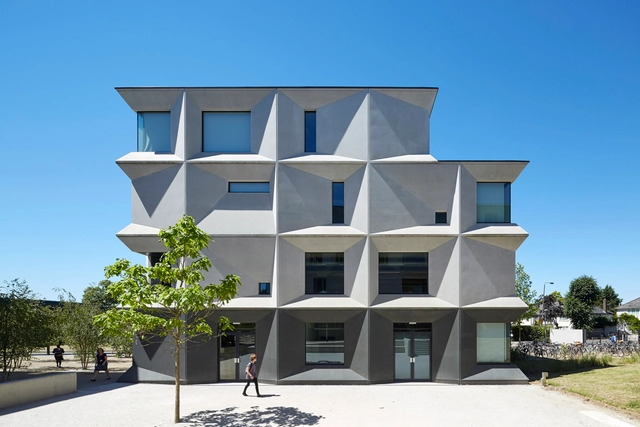
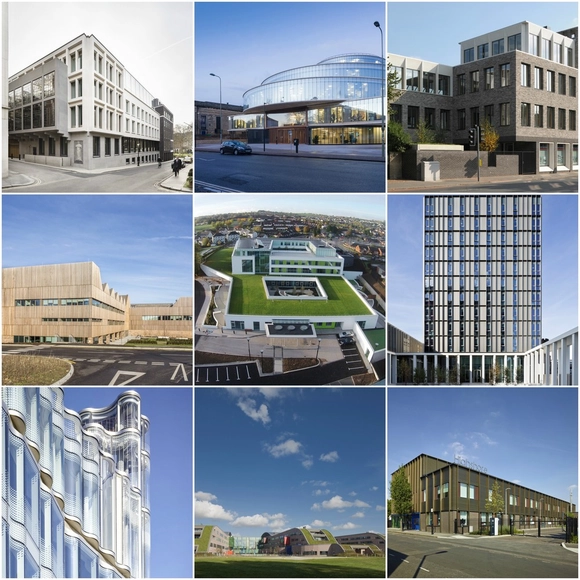
But despite the apparent surprise, was AHMM's Burntwood School a suitable winner of British architecture's highest award? Read on to find out what the critics thought.










.jpg?1475760547&format=webp&width=640&height=580)






.jpg?1449161851&format=webp&width=230&height=230&crop=true)
.jpg?1449161803&format=webp&width=230&height=230&crop=true)
.jpg?1449161873&format=webp&width=230&height=230&crop=true)
.jpg?1449161910&format=webp&width=230&height=230&crop=true)