
Villa Nouvelle Vague / Magalie Munters™ Architecture


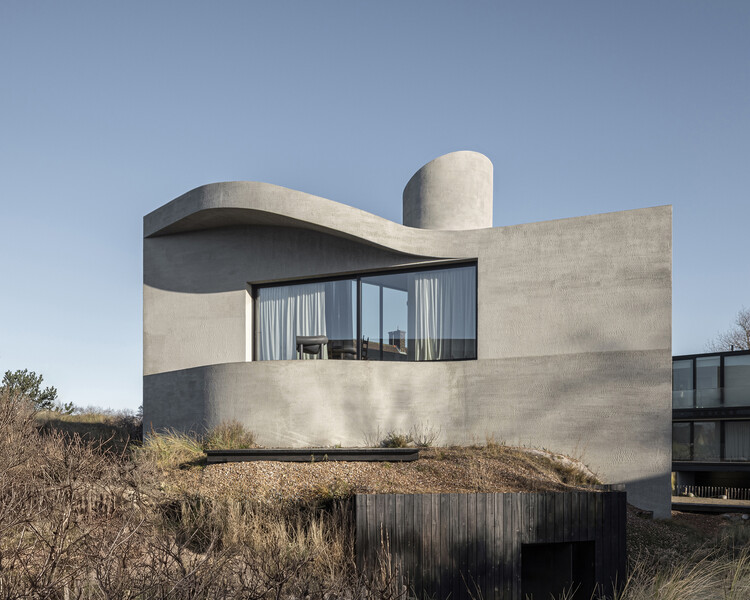
https://www.archdaily.com/1041495/villa-nouvelle-vague-magalie-munters-architectureHadir Al Koshta
No Solid Ground: Three Approaches to Building Below Sea Level in Rotterdam

Architects carefully calibrate their relationship to the earth, adjusting foundations to soil, groundwater, climate, risk, and culture. Driven timber piles, rammed-earth platforms, and poured concrete slabs are each a response to a specific set of ground conditions, and each shapes the architecture that rises from it. The way a building meets the earth determines its durability and its limits because foundations are among the most consequential design choices an architect makes.
The city of Rotterdam sits approximately one meter below sea level, an organizing condition that shapes daily life in the Netherlands' second-largest city and is a growing preoccupation amid unstable coastal conditions. The city occupies the delta of the Rhine and Maas rivers, a landscape that was never naturally dry but has been kept functional through centuries of hydraulic intervention. The water boards in this region are among the oldest democratic institutions in the world, created in the thirteenth century to manage shared water drainage and still operating today as elected bodies with technical capacity. As sea levels rise and rainfall across Northern Europe grows less predictable and more extreme, Rotterdam faces a significantly increased risk of coastal storm surges and urban flooding driven by overwhelmed drainage infrastructure.


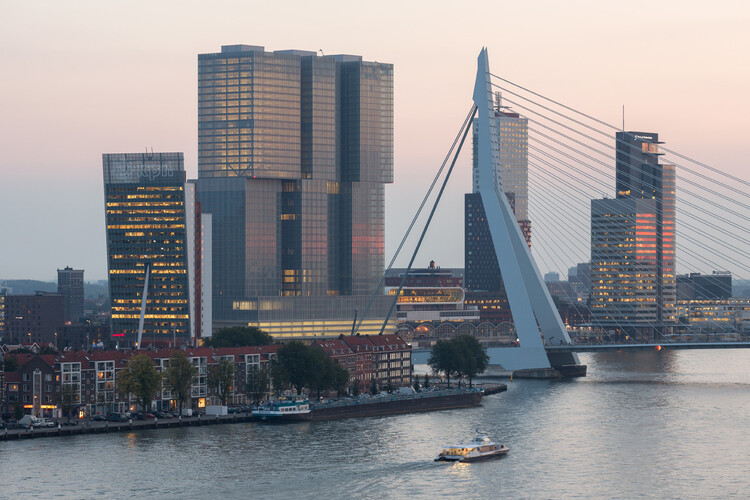
https://www.archdaily.com/1040325/no-solid-ground-three-approaches-to-building-below-sea-level-in-rotterdamOlivia Poston
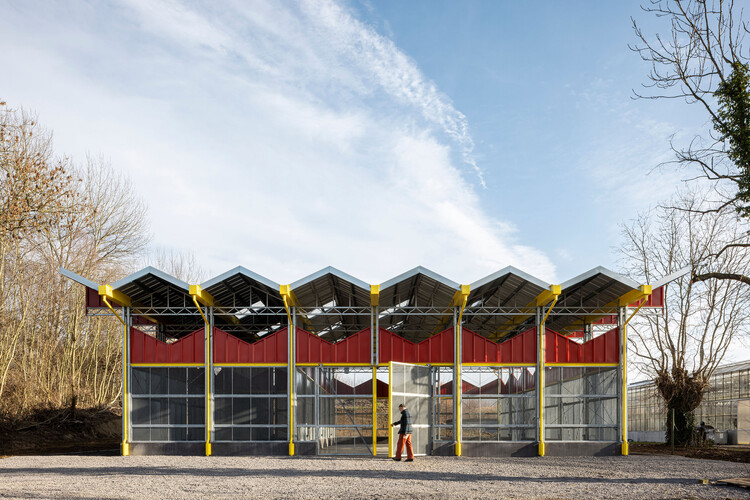
The Lab / VAK architecten


-
Architects: VAK architecten
- Area: 450 m²
- Year: 2026
https://www.archdaily.com/1039085/the-lab-vak-architectenHadir Al Koshta
Unearthing the Ground: Architecture and the Politics of the Subterranean

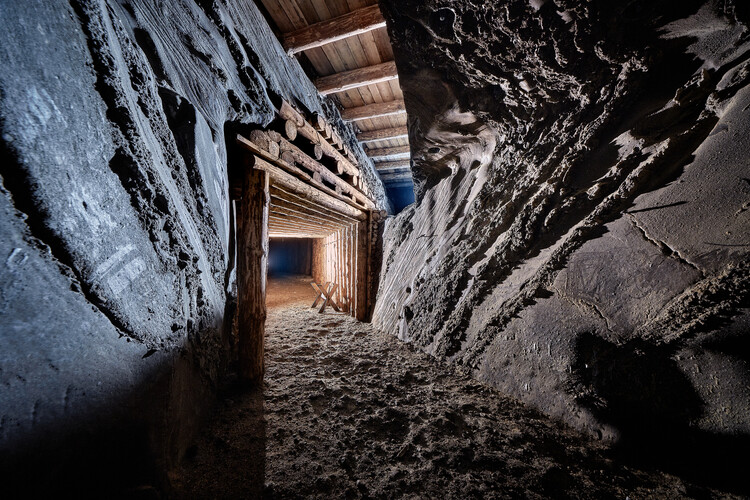
Beneath the visible surface of cities lies an invisible architecture. Subways, tunnels, water systems, data cables, and bunkers form a dense network that sustains urban life while remaining largely unseen. The ground beneath our feet is not a void but a complex territory that holds the infrastructures, memories, and anxieties of our age. In recent years, as land becomes scarce and climate pressures intensify, architects and urbanists have turned their gaze downward, rediscovering the subterranean as both a physical and conceptual frontier. To design underground is to engage with the unseen mechanisms that shape the world above.
The subterranean has long been a site where architecture intersects with politics, technology, and belief. From the catacombs of Rome to the industrial subways of modernity, descent has symbolized both protection and exposure. Twentieth-century urbanism transformed this gesture into a system: metros, shelters, and utilities redefined the city section as an instrument of governance. Beneath the promise of efficiency and progress, the underground absorbed the anxieties of an era of war, surveillance, and collapse. Its evolution reveals not only how societies build, but also how they fear.
Today, the ground has become the new frontier of urban expansion and ecological adaptation. As digital infrastructures, energy systems, and climatic buffers migrate below grade, architecture confronts a space both technical and metaphysical — essential yet marginal, invisible yet decisive. To think in sections rather than in plan is to recognise that contemporary cities no longer exist solely in their skylines but also in their depths. The challenge for architecture is not only to occupy that space, but to render it legible, to turn the unseen into knowledge, and the hidden into a new terrain of design.

https://www.archdaily.com/1037282/unearthing-the-ground-the-politics-of-the-subterraneanDiogo Borges Ferreira
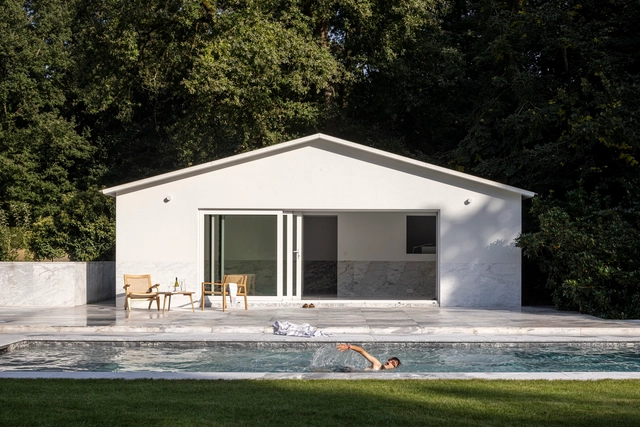
Garden No. 2 – Limburg / Camarim Arquitectos


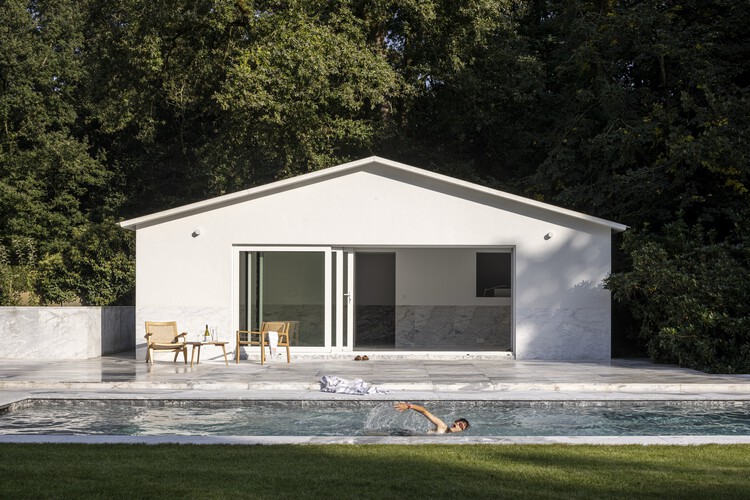
https://www.archdaily.com/1034204/garden-no-2-limburg-camarim-arquitectosSusanna Moreira
Georges House / hé! architectuur
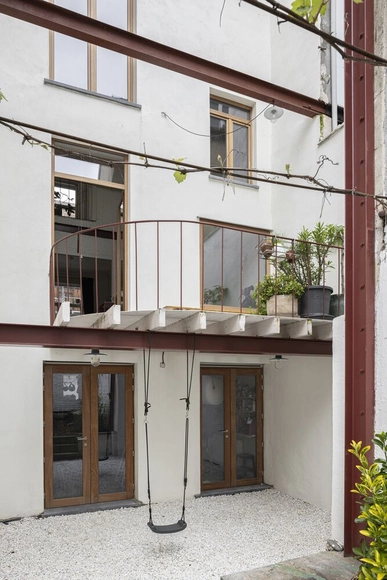


-
Architects: hé! architectuur
- Area: 282 m²
- Year: 2023
-
Manufacturers: RotorDC
https://www.archdaily.com/1030469/georges-house-he-architectuurValeria Silva
Bawada Residence / TOOP architectuur
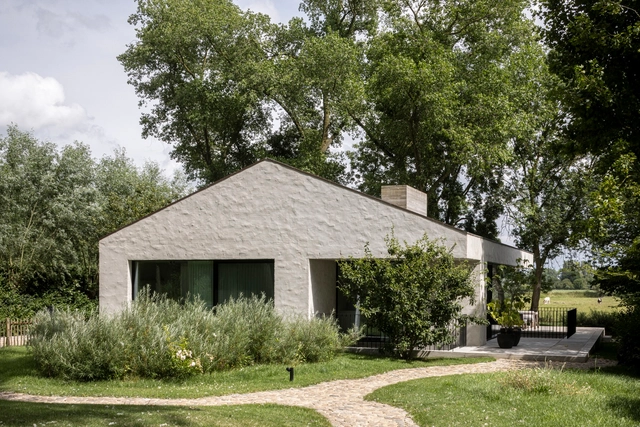


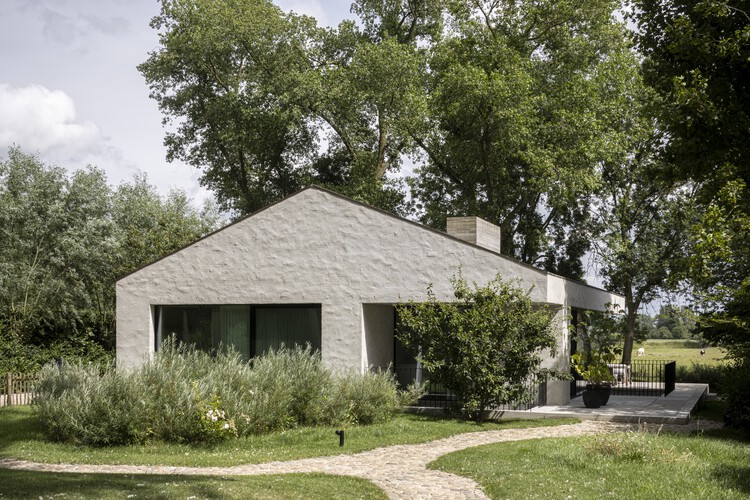
-
Architects: TOOP architectuur
- Area: 327 m²
- Year: 2024
https://www.archdaily.com/1030622/bawada-toop-architectuurHadir Al Koshta
Kasteel Home / hé! architectuur
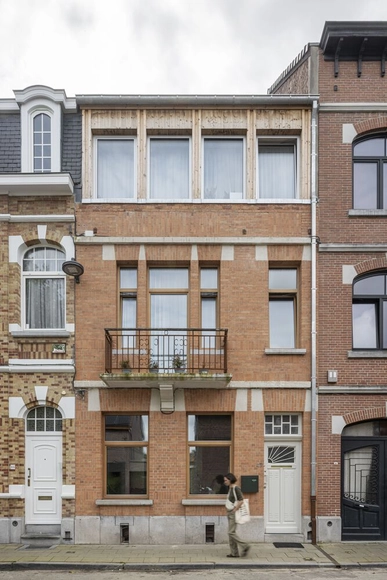


-
Architects: hé! architectuur
- Area: 256 m²
- Year: 2024
-
Manufacturers: Eurabo, Léém
-
Professionals: atelier Hanssens, BAST Architect & Engineers
https://www.archdaily.com/1030428/kasteel-home-he-architectuurPilar Caballero
Omloop Farmhouse / hé! architectuur
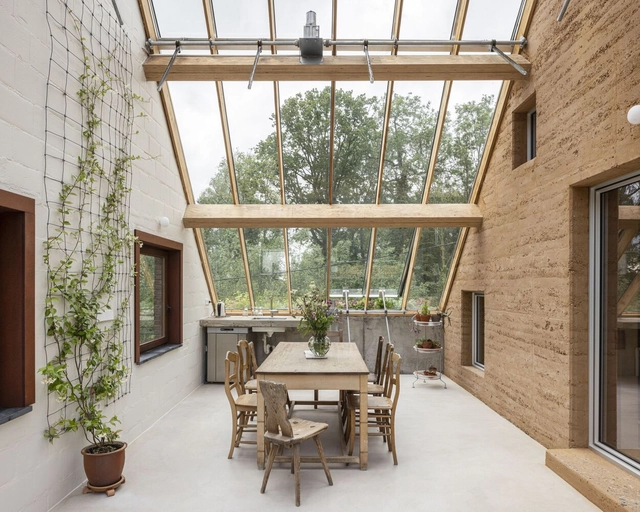


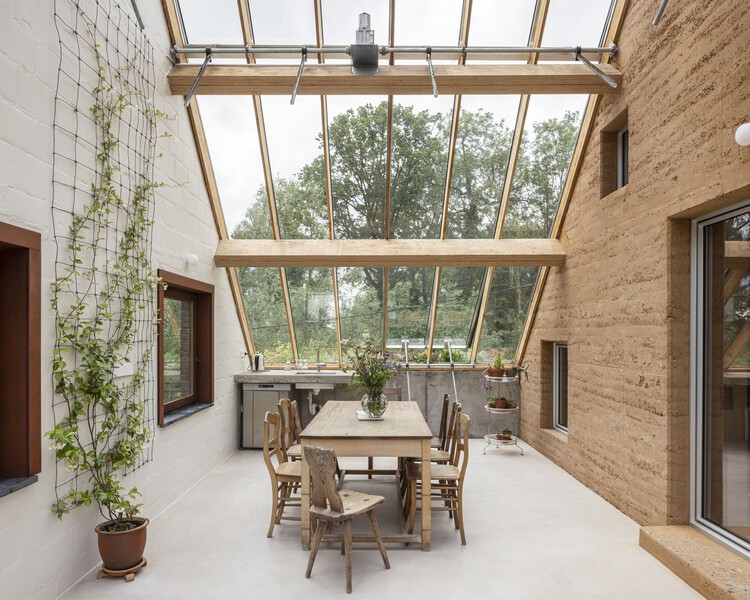
-
Architects: hé! architectuur
- Area: 342 m²
- Year: 2023
-
Manufacturers: Léém
-
Professionals: Leemniscaat, Serrebouw de clercq
https://www.archdaily.com/1030429/omloop-farmhouse-he-architectuurPilar Caballero
Karper Building Renovation / hé! architectuur
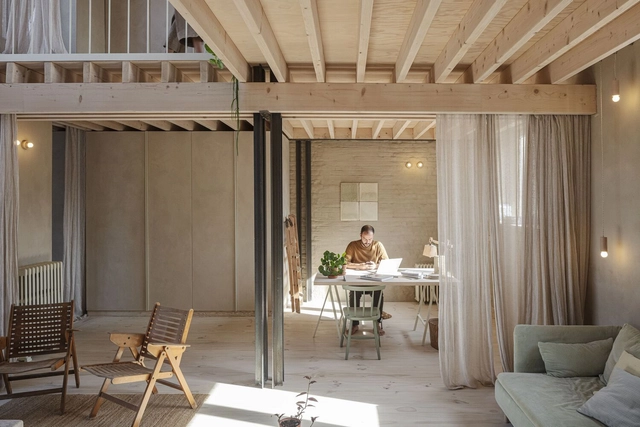


-
Architects: hé! architectuur
- Year: 2024
https://www.archdaily.com/1030330/karper-building-renovation-he-architectuur-plus-buro-kiss-plus-ea-plusHadir Al Koshta
Pavilions in Urban Spaces: On the Experimentation, Recycling, and Reuse of Materials
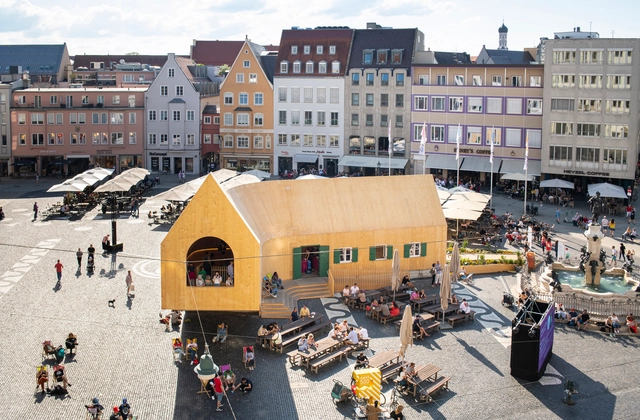
How do pavilions emerge in architecture? What role do they play in urban spaces? Beyond the multiple interpretations that exist around the world, the pavilion, as an architectural principle and typology, tends toward extroversion, often associated with a centrifugal nature and visual openness toward the horizon, which is linked to its origins as a tent offering shelter from the elements. Pavilions are usually identified as isolated and independent structures that can promote lateral openings in the urban space, panoramic or introspective views, technological reflections, and material experiments that are recognizable from the outside or once inside.


https://www.archdaily.com/1021424/pavilions-in-urban-spaces-on-the-experimentation-recycling-and-reuse-of-materialsAgustina Iñiguez
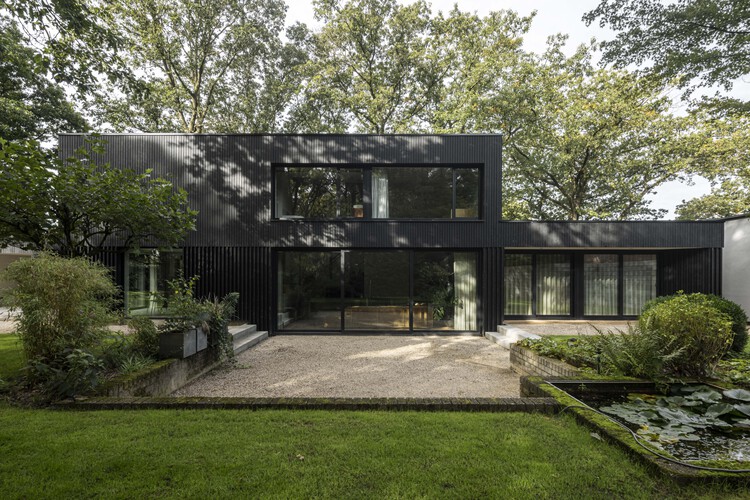
Renovation Park Villa Eindhoven / Wenink Holtkamp Architecten
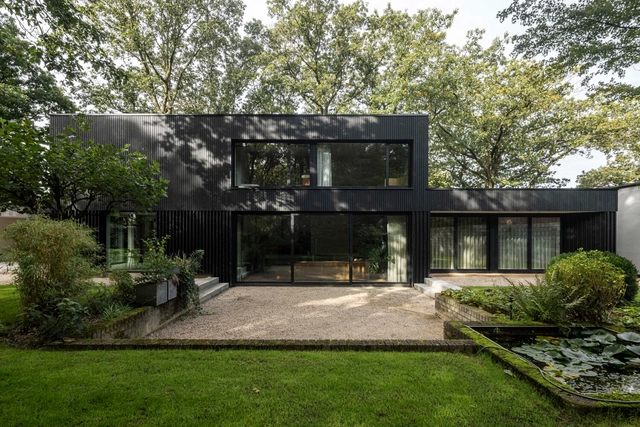


-
Architects: Wenink Holtkamp Architecten
- Area: 1500 m²
- Year: 2023
-
Manufacturers: Aluk, Flow gevelbekleding
-
Professionals: Van Gerven, Flow gevelbekleding, Van Kaathoven Bouw
https://www.archdaily.com/1028484/villa-eindhoven-renovation-wenink-holtkamp-architectenHadir Al Koshta
Hidden Villa / i29 architects
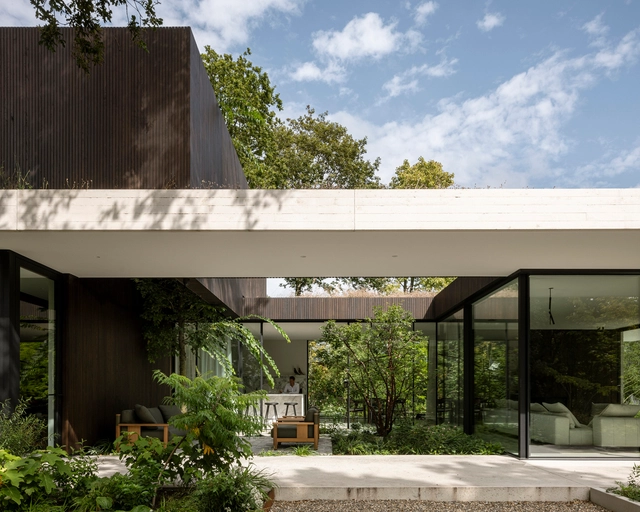


-
Architects: i29 architects
- Year: 2024
-
Manufacturers: Petersen Tegl
-
Professionals: GRADwood and A-wood, VDI Haasdrecht
https://www.archdaily.com/1028271/hidden-villa-i29-architectsValeria Silva
From Patina to Purpose: 15 Projects that Explore Corten Steel as a Design Element
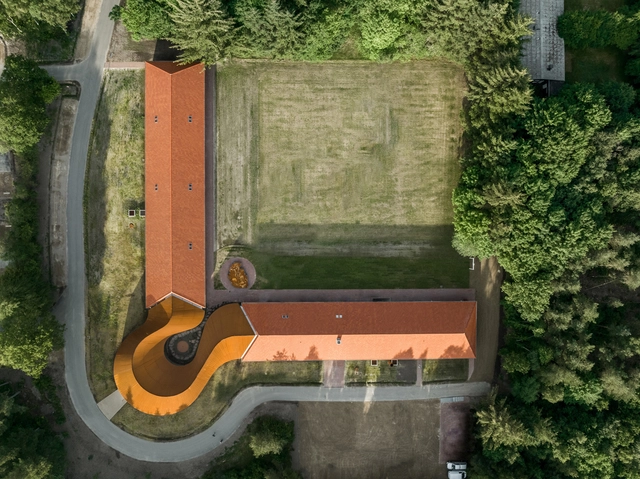
In architectural design, materials convey narratives, shaping how spaces are perceived and experienced. Weathering steel, often known by its genericized trademark name, Corten steel, stands out for its ability to evolve, transforming into a medium that tells its own story. It represents a group of steel alloys that form a stable external layer of rust that replaces the need for paint to protect the steel while allowing it to develop in time. Its weathered patina serves as more than a functional shield; it becomes an aesthetic language, a testament to the interplay between architecture and nature. This ever-changing surface bridges the ephemeral and the enduring, offering architects a material that grows richer with age.


https://www.archdaily.com/1024538/from-patina-to-purpose-15-projects-that-explore-corten-steel-as-a-design-elementDiogo Borges Ferreira
Villa WIGO / CAS architecten
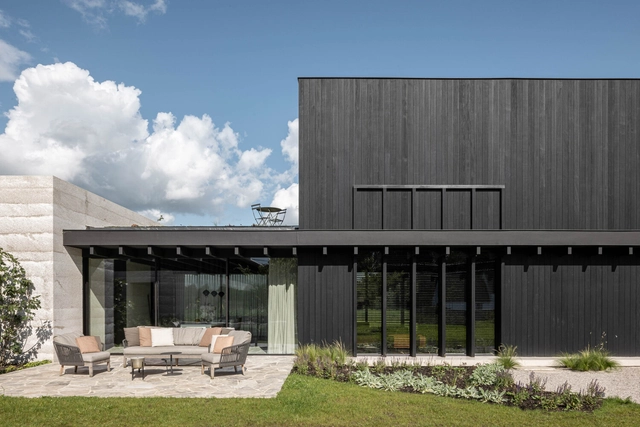


https://www.archdaily.com/1024491/villa-wigo-cas-architectenValeria Silva
DeDe House / OYO
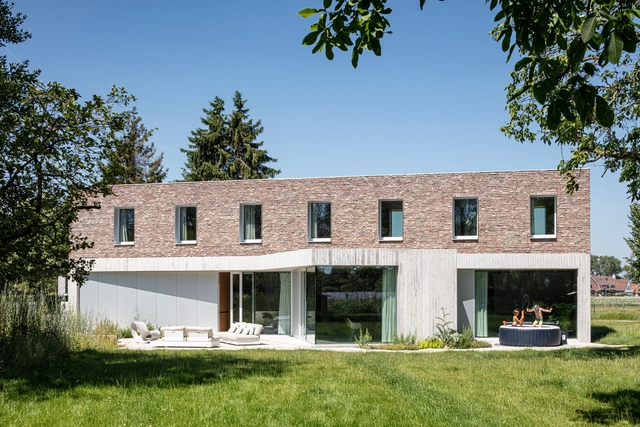


-
Architects: OYO
- Area: 369 m²
- Year: 2019
-
Manufacturers: Reynaers Aluminium
-
Professionals: Immohuys, LIME, Buro Bossaert
https://www.archdaily.com/1023083/dede-house-oyo-architectsPilar Caballero
Buda Recypark Industrial Center / A229 + evr-Architecten
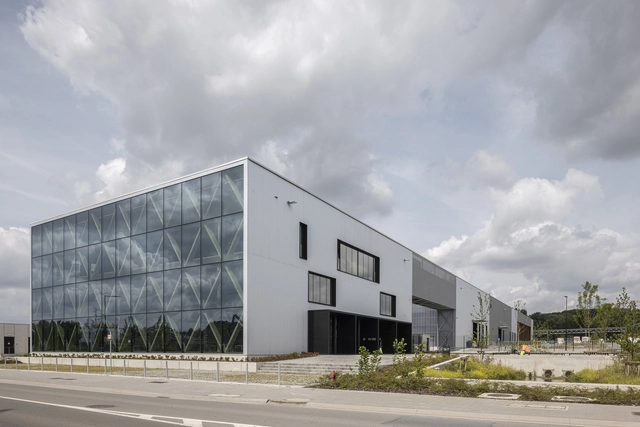


-
Architects: A229, evr-Architecten
- Area: 9660 m²
- Year: 2024
-
Professionals: evr-architecten, Stabilis
https://www.archdaily.com/1022346/buda-recypark-industrial-center-atelier-229Pilar Caballero
Veterinary School in Anderlecht / HASA - Architecten
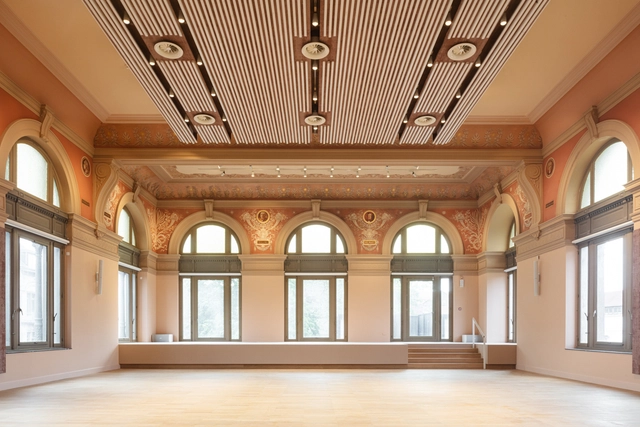


-
Architects: HASA - Architecten
- Area: 4098 m²
- Year: 2021
https://www.archdaily.com/1021447/veterinary-school-in-anderlecht-hasa-architectenValeria Silva