Sergio López
BROWSE ALL FROM THIS PHOTOGRAPHER HERE
↓
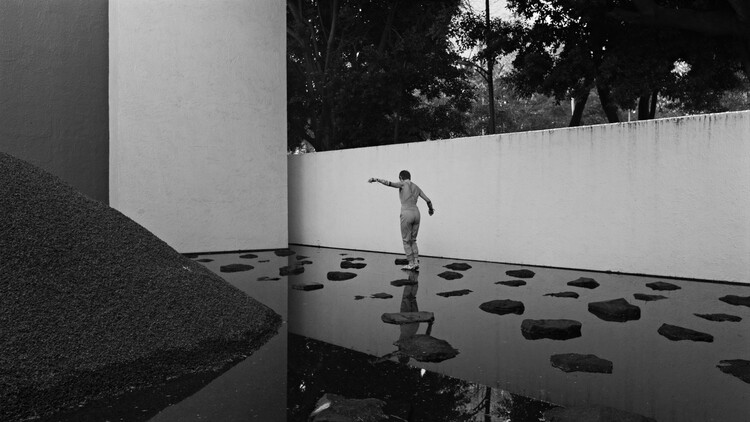
Pabellón El Eco 2020: Cronoboros / TANAT


https://www.archdaily.com/1185654/pabellon-el-eco-2020-cronoboros-tanatValentina Díaz
Mexico City Architecture City Guide: 38 Projects From Tenochtitlan to the 21st Century

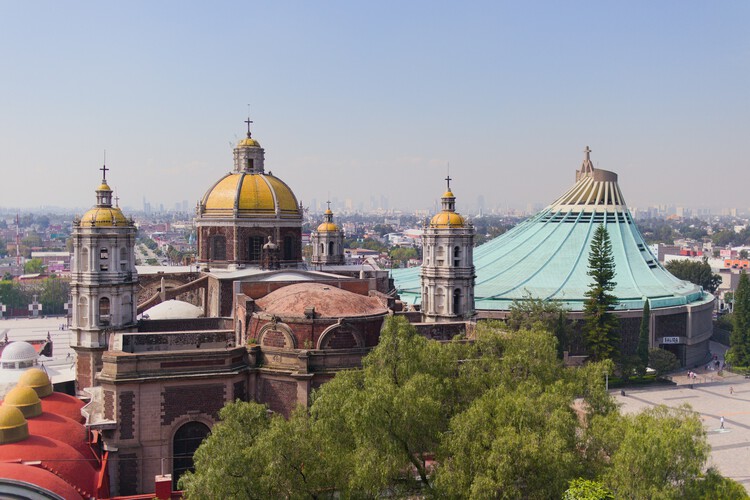
Mexico City is a sprawling metropolis of layered temporalities, where architecture operates as a continuous negotiation between deep-seated history and intense urban mutation. Built over the aquatic traces of Tenochtitlan, the city's fabric is an ongoing dialogue between eras: the monumental scale of the Pre-Hispanic Templo Mayor and the Viceroyalty architecture of the Catedral Metropolitana coexist with the modern and contemporary impulses that define its skyline. This dense juxtaposition creates a unique urban canvas where sacred geography, colonial imposition, and 20th-century ambition intersect.
The mid-century marked a definitive era of experimentation, forging a Mexican Modernism that masterfully synthesized international structural rationalism with local identity and materiality. This synthesis is epitomized by the sweeping, plastic integration of art and architecture at the Ciudad Universitaria, the structural poetry of Félix Candela's hyper-parabolic shells, and the raw, monumental brutalism of Teodoro González de León and Abraham Zabludovsky. Parallel to this, the intimate, introspective mastery of Luis Barragán and Juan O'Gorman redefined domestic space, experimenting with light, vernacular color, and tectonic honesty to create spaces of profound spatial stillness.


https://www.archdaily.com/866897/30-sites-every-architect-should-visit-in-mexico-cityValentina Díaz
More Than Gray: 15 Projects That Explore Red Pigmented Concrete
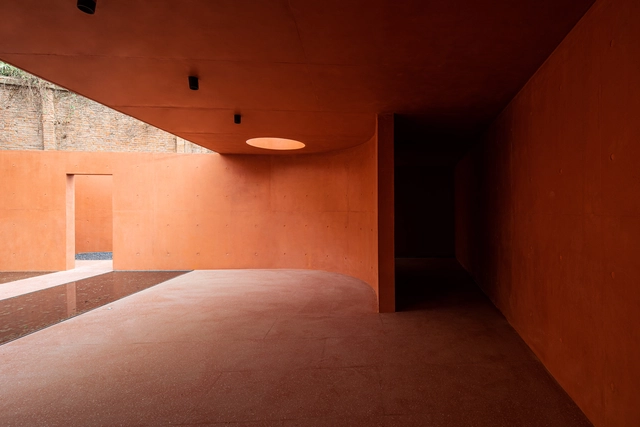
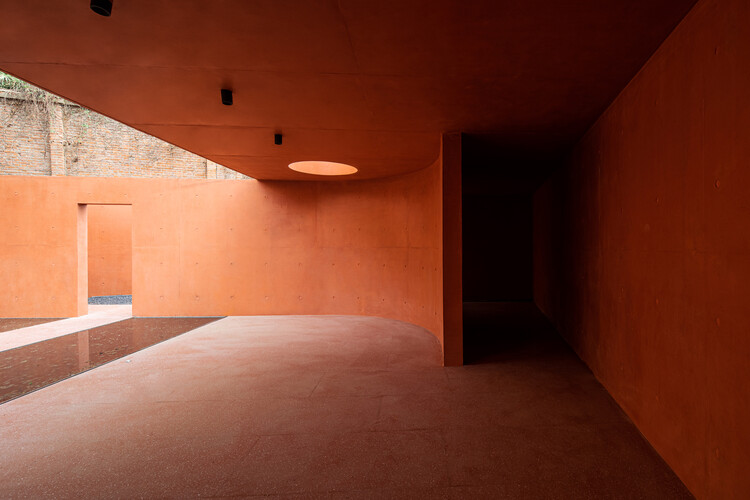
Concrete is often seen as the material of modernity, defined by its structural strength, raw finish, and unmistakable gray tone. It became the default palette of 20th-century architecture, a symbol of functionality and permanence. Yet, concrete is not bound to this chromatic identity. Its color is a byproduct of the cement, aggregates, and chemical composition used in its mix, and it can be intentionally altered through pigmentation. Among the many hues explored, red stands out — not only for its visual intensity, but for its ability to root buildings in place, evoke cultural references, and imbue architecture with a material presence that feels both elemental and expressive.
Pigmenting concrete involves the addition of mineral-based colorants — usually iron oxides — during the mixing process. Unlike paints or coatings applied to the surface, these pigments are integrated directly into the concrete mass, ensuring the color permeates the material and remains stable over time. Red pigments in particular are often derived from iron oxide (Fe₂O₃), a naturally occurring compound found in clay, hematite, and other iron-rich minerals. Their deep, earthy hue connects contemporary construction with ancient techniques — from Roman pozzolana mortars to the red earth buildings of West Africa and South America.


https://www.archdaily.com/1032093/more-than-gray-15-projects-that-explore-red-pigmented-concreteDiogo Borges Ferreira
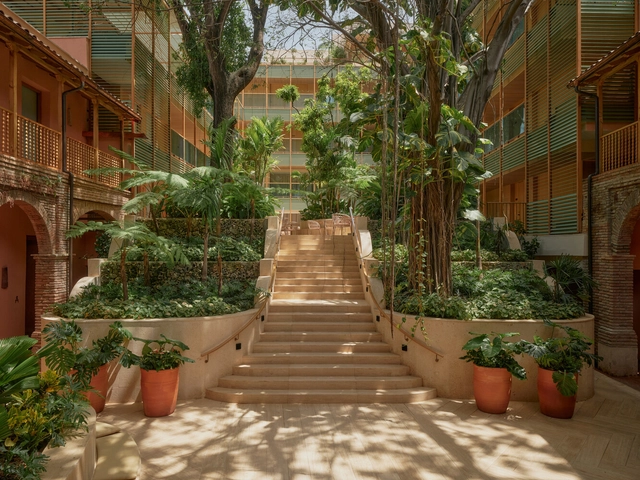
Kimpton Las Mercedes Hotel / Moneo Brock Studio


-
Architects: Moneo Brock Studio
- Area: 6389 m²
- Year: 2024
-
Manufacturers: Ladrillerias Mallorquinas, Leds-C4, Porcelanosa Grupo, Tolder
https://www.archdaily.com/1031594/kimpton-las-mercedes-hotel-moneo-brock-studioValentina Díaz
How to Apply the Monochrome Technique in Architecture? Examples in Mexico
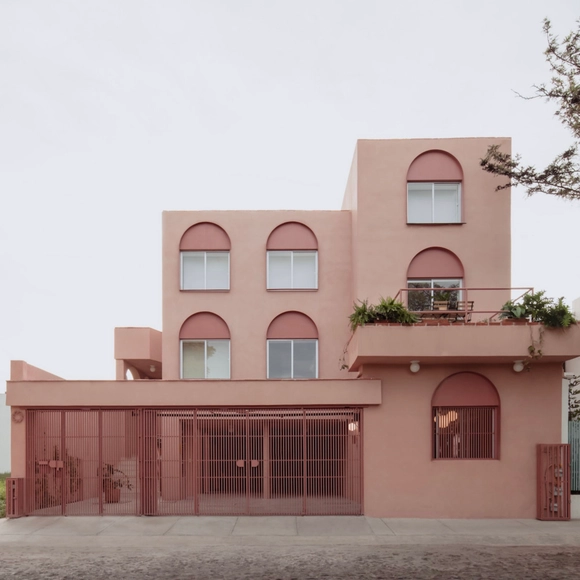
One way to employ color is through monochrome, a design technique that involves using a single tone or color in a space. In architecture, monochrome is a powerful tool where different shades can be created through the play of lights and shadows, generating spaces that offer unique experiences to their inhabitants.
https://www.archdaily.com/1006545/how-to-apply-the-monochrome-technique-in-architecture-examples-in-mexicoMónica Arellano
Cazú Zegers, Among the 30 Most Powerful Women in Chile According to Forbes

With the goal of highlighting Chilean women who embody female empowerment, Forbes magazine has compiled a list of the 30 most influential women in the country today. The selection is based on key attributes such as leadership, public inspiration, and an ongoing contribution to shaping a more gender-equitable nation.
https://www.archdaily.com/1136124/cazu-zegers-among-the-30-most-powerful-women-in-chile-according-to-forbesIsidora Tscherebilo
The Impact of Pigmented Concrete in Latin American Residential Architecture
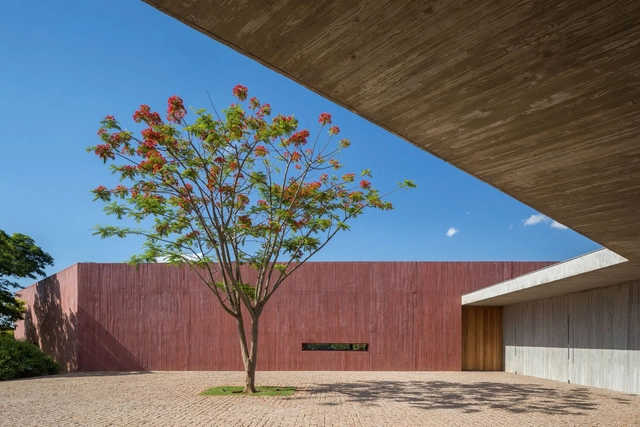
The use of pigmented concrete in Latin American architecture is growing - and influencing contemporary architectural expression. This can be seen in recent built works ranging from the INES Innovation Center designed by Pezo von Ellrichshausen in Chile to the Teotitlán del Valle Community Cultural Center by PRODUCTORA in Mexico.
https://www.archdaily.com/1006159/the-impact-of-pigmented-concrete-in-latin-american-residential-architectureAgustina Iñiguez
How to Integrate Water into the Design of a House? Ponds, Pools, and Rainwater Treatment
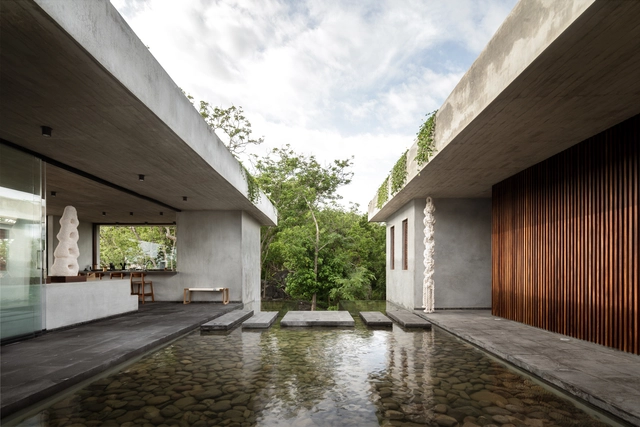
Water and architecture are closely related in habitat design, encompassing both functional and aesthetic aspects. The best option is to take this into account from the beginning of the design process, as implementing appropriate technologies and systems will determine water consumption. Currently, it is our responsibility as professionals to think about how we can reduce and recycle water consumption within our own homes. There are various ways to address these needs, such as installing low-flow devices in faucets and showers, dual-flush toilets, and efficient irrigation systems for landscaping. In addition, rainwater collection and reuse systems can be implemented for irrigation or house cleaning, which contributes to its conservation.
https://www.archdaily.com/1002693/how-to-integrate-water-into-the-design-of-a-house-ponds-pools-and-rainwater-treatmentMónica Arellano
Tiny House / Weber Arquitectos
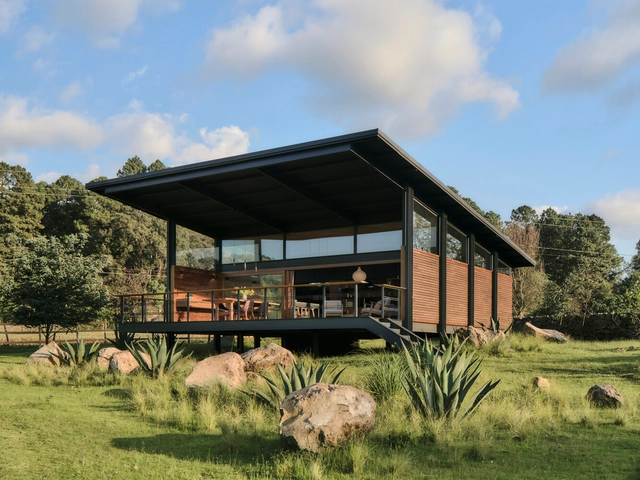


https://www.archdaily.com/996717/tiny-house-weber-arquitectosPilar Caballero
Casa FS / Weber Arquitectos
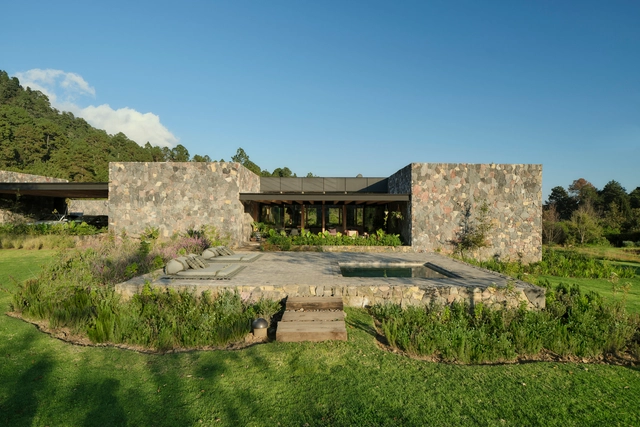


-
Architects: Weber Arquitectos
- Area: 800 m²
- Year: 2022
-
Manufacturers: David Pompa, Klinai, Kommerling, Vitelier, unique payet
https://www.archdaily.com/996749/casa-fs-weber-arquitectosAndreas Luco
La Ribera Housing / Zeller & Moye
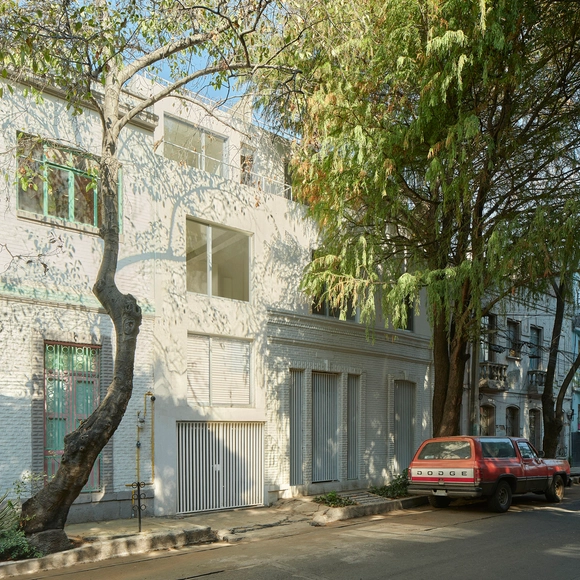


-
Architects: Zeller & Moye
- Area: 12917 ft²
- Year: 2022
-
Manufacturers: Cemex, Mexicana de Mosaicos, Novaceramic, Zeller & Moye
https://www.archdaily.com/990412/la-ribera-housing-zeller-and-moyePilar Caballero
Aesthetics: The Different Uses of Color in Latin American Houses
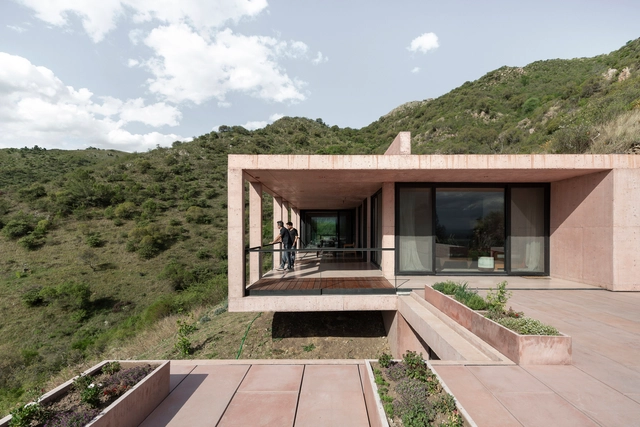
How relevant is the use of color in architecture? Throughout history, we find various scenarios where color takes centre stage in its integration with the architectural work. Nowadays this is no exception. This is because colour is a medium that can be used to provoke deep and immediate emotions and reactions in the person observing. Because of this, colour plays an important role in the architectural reading, as it has the power to clarify the components that make it up or, on the contrary, to change the perception of the work or space.
The following list shows various Latin American housing projects that have had a particular approach to color in their composition. In them, we see the conception of color as the integrator of the work, or as a means of enhancing a particular element, be it interior or exterior.
https://www.archdaily.com/983381/aesthetics-the-different-uses-of-colour-in-latin-american-housesVania Masalías
Best Architectural Projects of 2020
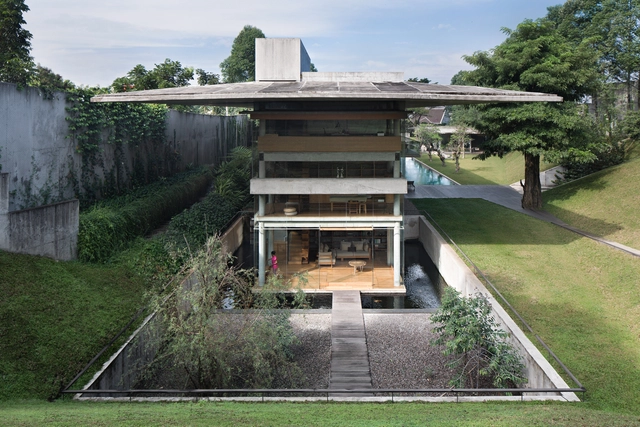


On behalf of the entire ArchDaily team, we would like to thank you for your continued support and for making 2020 our best year so far! We are now reaching more architects around the world and inspiring them in the creation of better built environments. With more than 5500 different projects published during the year, our curators are excited to share this collection of the 100 most visited projects of 2020. This selection represents the best content created and shared by the ArchDaily community over the past 11 months.
https://www.archdaily.com/953193/best-architectural-projects-of-2020María Francisca González
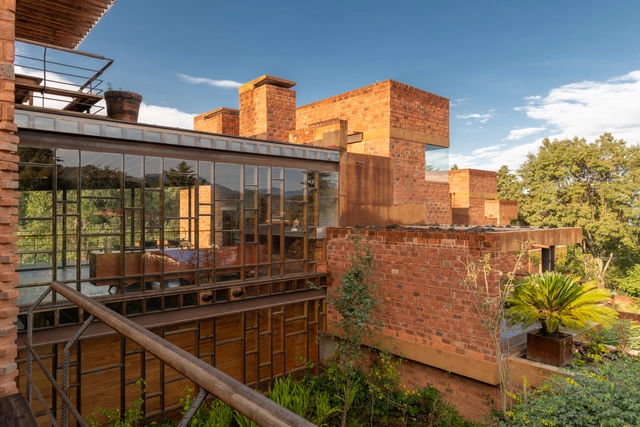
Architecture in Mexico: Emblematic Houses of Valle de Bravo
.jpg?1597763267&format=webp&width=230&height=230&crop=true)
.jpg?1597763791&format=webp&width=230&height=230&crop=true)

.jpg?1597763256&format=webp&width=230&height=230&crop=true)

Mexico's Valle de Bravo region, to the southeast of Mexico City, is characterized by the Presa Miguel Alemán lake, created in 1947 as a reservoir for Mexico City and Toluca's water supply. Thanks to its proximity to the capital, Valle de Bravo is a popular weekend destination for residents of surrounding cities. This in turn has sparked the interest of various architects, who have aimed to create projects that enhance visitors' experience such as offering an optimal view of the lake, or an immersive experience in the surrounding forest.
https://www.archdaily.com/952372/architecture-in-mexico-emblematic-houses-of-valle-de-bravoMónica Arellano
San Simón Cabins / Weber Arquitectos


https://www.archdaily.com/942381/san-simon-cabins-fernando-weberValeria Silva
El Eco Pavilion 2020: CRONOBOROS by TANAT | Diego Rivero Borrell
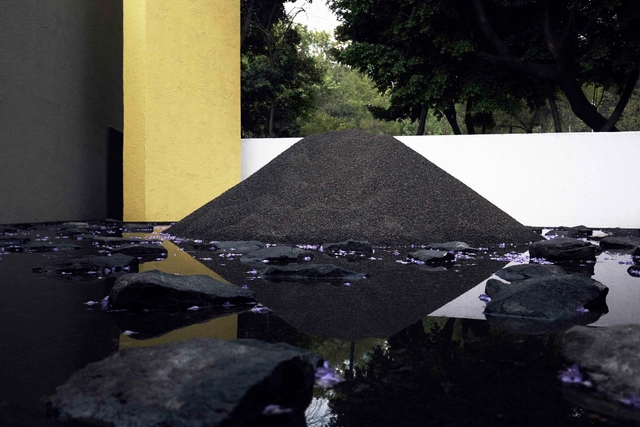


The Eco Pavilion 2020 is the tenth edition of this competition, which, since 2010, has served as a space for reflection on architecture through temporary installations in the courtyard of the Museo Experimental el Eco. This year's edition was structured around Mathias Goeritz's idea of "the serpent," based on a concept proposed by architect Javier Senosiain.
https://www.archdaily.com/1123803/el-eco-pavilion-2020-cronoboros-by-tanat-diego-rivero-borrellMónica Arellano
Architecture in Mexico: Residential, Hospitality, Cultural, and Public Space Projects with Pools
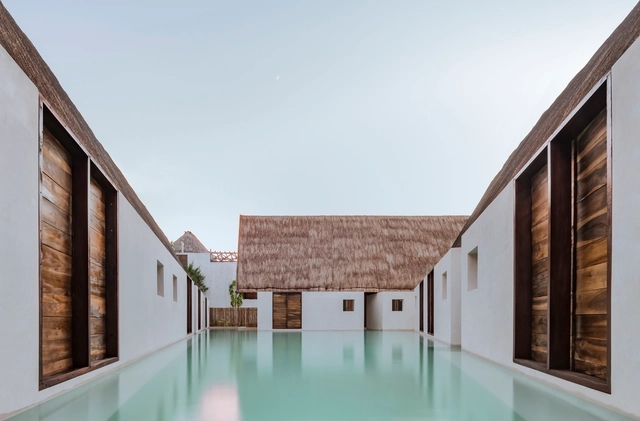


One of the most important factors in design is the site's specific climate. This can pose a challenge in extreme weather, where insulating materials are required to adapt to changing conditions. However, in the case of Mexico and its privileged climate, this factor works to the architects' advantage, allowing them to create microclimates and spaces that blur the transition between indoors and outdoors.
https://www.archdaily.com/1123667/architecture-in-mexico-residential-hospitality-cultural-and-public-space-projects-with-poolsMónica Arellano