-
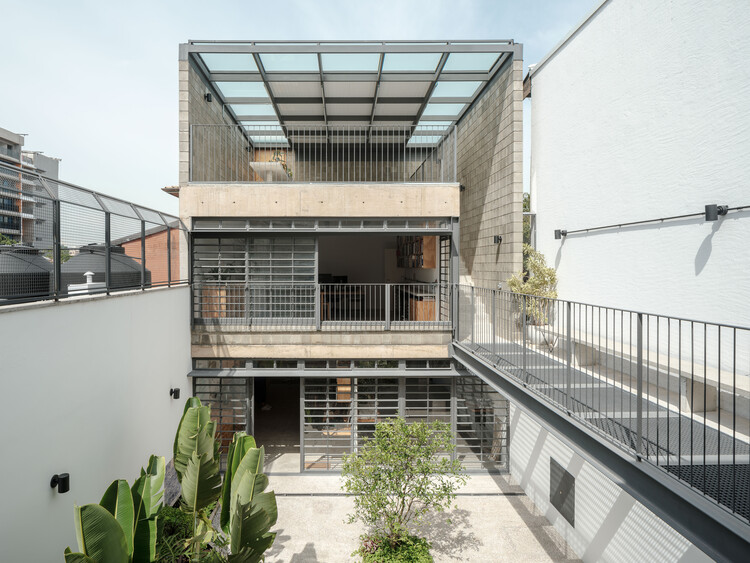
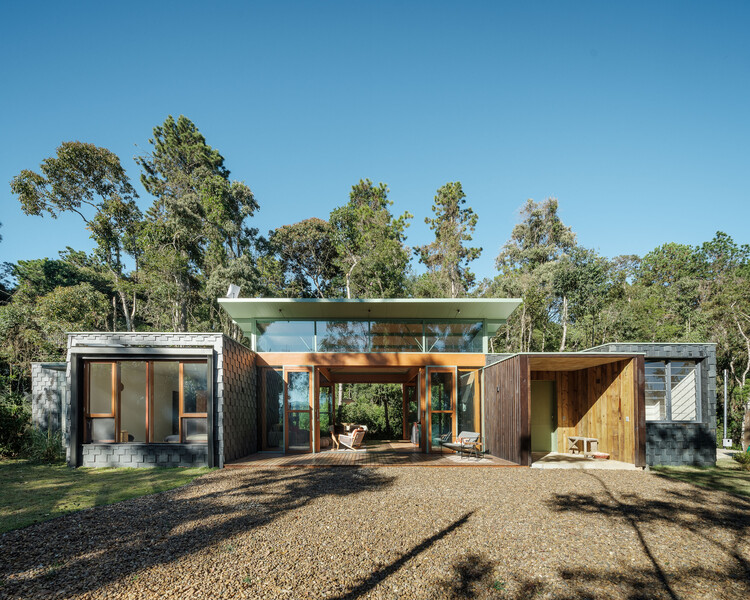
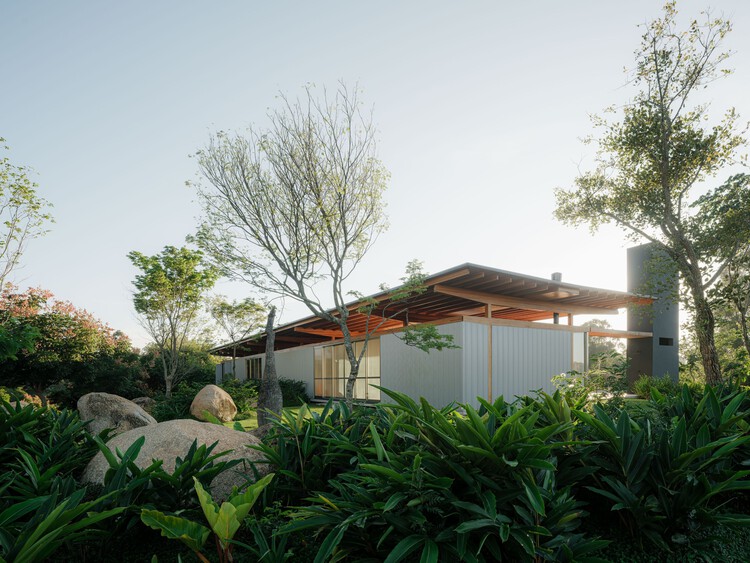
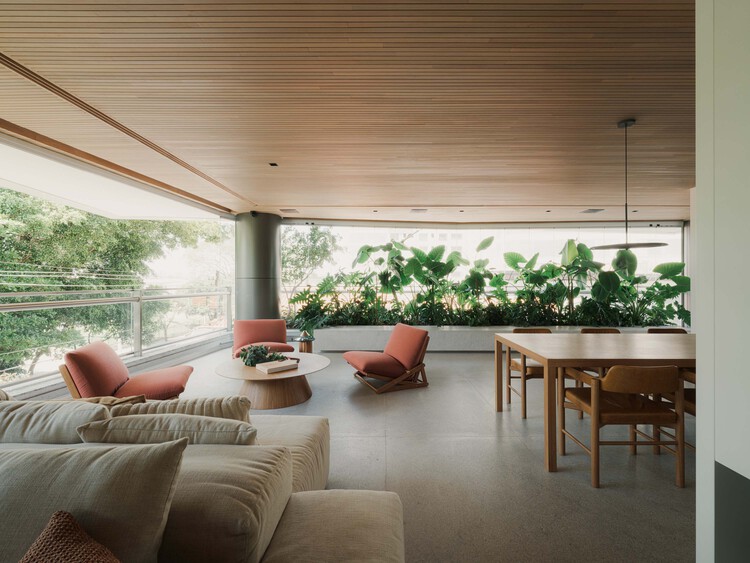
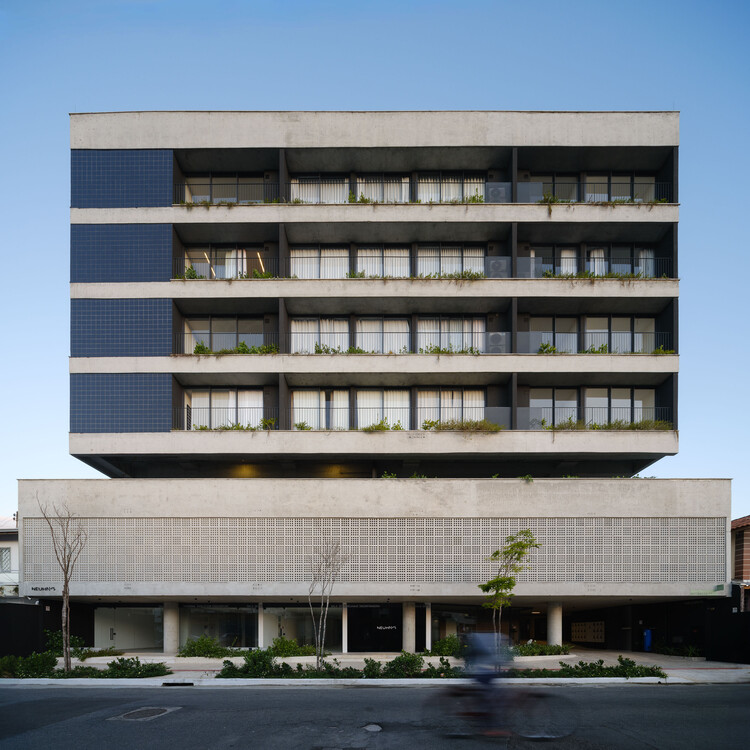
Architects: Estúdio PRG Arquitetura, Mariana Ferretti Interiores
- Area: 340 m²
- Year: 2024
-
Manufacturers: Indusparquet, Portobello, REKA
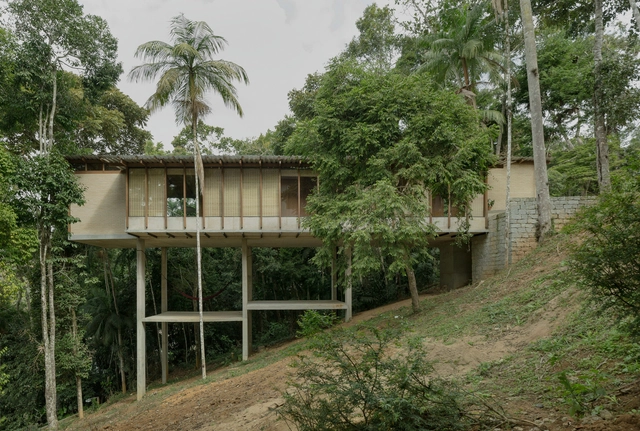
A cada ano, a equipe de Curadoria de Projetos do ArchDaily rememora a vasta gama de obras publicadas ao longo desse período, apresentando retrospectivas que permitem não apenas identificar tendências e variações na produção arquitetônica, mas também reconhecer de que forma impactam a nossa audiência. No ArchDaily Brasil, a seleção anual de melhores casas – que ano após ano, segue permanecendo como nossa categoria de projeto mais popular – representa uma amostra das variadas soluções, estratégias, técnicas e materiais encontrados na arquitetura residencial dos países de língua portuguesa.


![From the object to the city, in search of possible poetics: interview with [entre escalas] - Featured Image](https://snoopy.archdaily.com/images/archdaily/media/images/686d/58dd/c677/407c/837f/55e8/slideshow/do-objeto-a-cidade-em-busca-de-poeticas-possiveis-entrevista-com-entre-escalas_1.jpg?1751996647&format=webp&width=640&height=580)
Founded by architect Marina Canhadas in 2018, the practice [entre escalas] emerged from the intersection of professional practice, academic research, and international experience. With a career shaped by competitions, collaborations, and tenures at firms in Brazil and Mexico, Marina has consolidated an approach that values context and building history, particularly in projects dealing with pre-existing structures—one of the firm's primary areas of focus.
[entre escalas]' work stands out for its sensitivity to time and building memory. Renovations of historic townhouses, such as Casa Saracura and Casa Apiacás, reveal a kind of architectural archaeology that seeks to recover original techniques, materials, and even natural flows, reinterpreting these elements to foster new possibilities of use and connection with the surroundings. The act of removing layers—both physical and symbolic—is seen as a way to reveal hidden histories, connecting past and future.
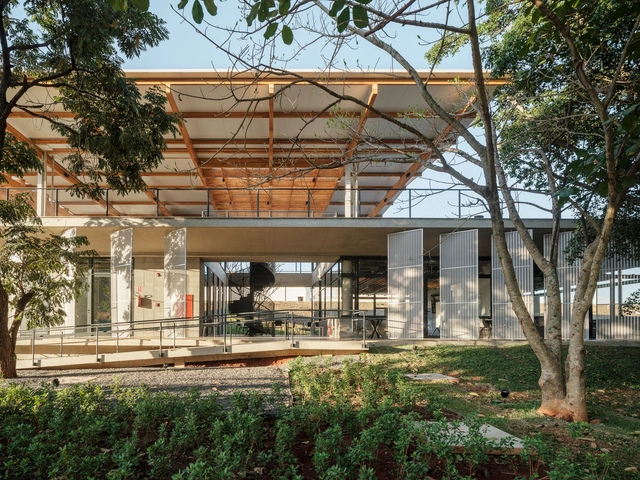
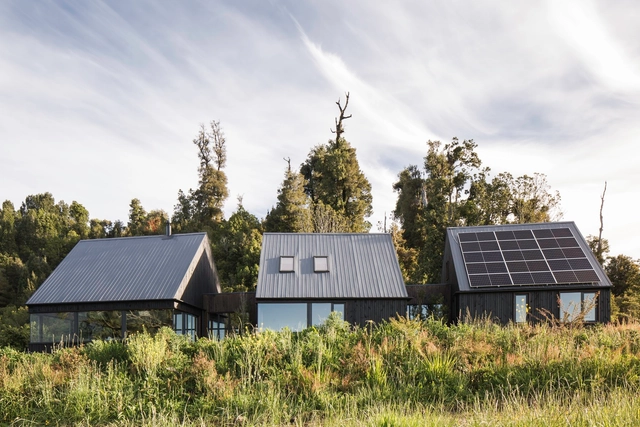
What design strategies or new technologies can be integrated into architectural design without compromising the environment? In recent years, renewable energy has been gaining significant momentum worldwide, and photovoltaic solar energy is one of many showing exponential growth.
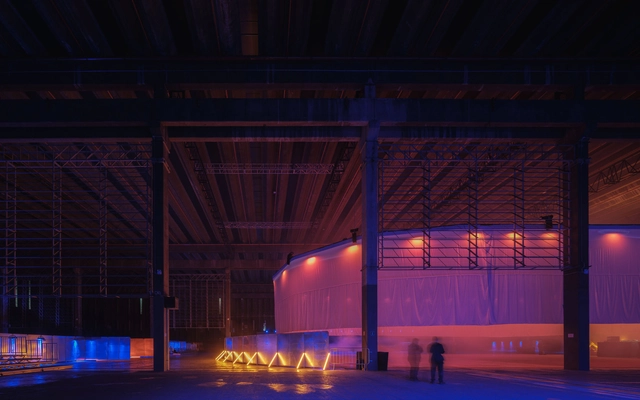


What defines the atmosphere of a home? Beyond material palettes and natural light, sound plays a defining role in how spaces are perceived and inhabited. The reverberation of footsteps across stone, the muted calm of a textile-lined room, or the way music carries through an open-plan interior all shape the sensory identity of domestic space. Architecture is experienced not only visually, but acoustically.
The concept of the "soundscape" describes this relationship between people, sound, and the built environment. In residential architecture, sound is more than background noise or technical performance; it influences privacy, concentration, rest, and emotional comfort. Geometry and materiality act as the primary acoustic conductors: while concrete, glass, and stone reflect and amplify, timber and upholstery soften and absorb. Ceiling heights, circulation paths, and room proportions further shape how sound travels and settles across a space.






![From the object to the city, in search of possible poetics: interview with [entre escalas] - More Images](https://images.adsttc.com/media/images/686d/58dd/c677/407c/837f/55e8/newsletter/do-objeto-a-cidade-em-busca-de-poeticas-possiveis-entrevista-com-entre-escalas_1.jpg?1751996647)