

-
Architects: Estúdio HAA!
- Area: 320 m²
- Year: 2023
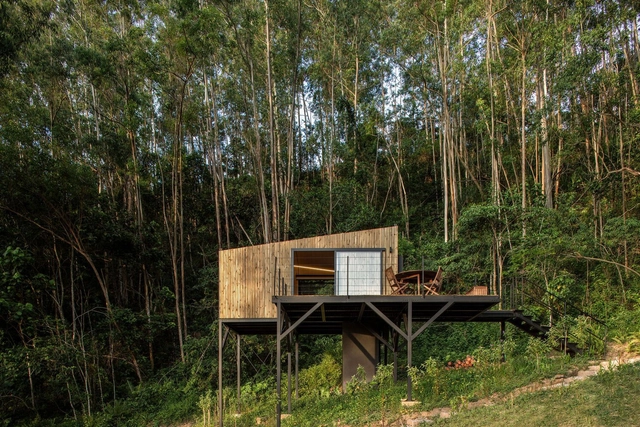
The Latin American territory encompasses a vast diversity of climates, atmospheres, and temperatures across its entire expanse. Amid forested landscapes, jungles, or coastal settings, many architects choose to design cabins immersed in natural surroundings, seeking to foster a deeper connection with nature by distancing themselves from the city. While experimenting with different materials and local techniques enhances a stronger bond with the site's traditions and creates a distinct architectural identity for each region, the integration of technological innovations and new construction materials can offer greater resilience to climate change, improve short- and long-term maintenance, optimize construction timelines, and address other key considerations.
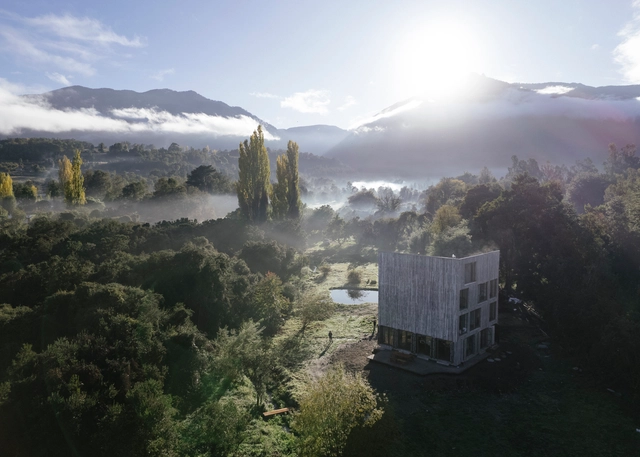
Annually, ArchDaily's curatorial team undertakes a rigorous selection process to identify exemplary projects in Latin American residential architecture. The goal is to share these works of architecture with our audience and highlight and promote good practices within contemporary architecture. This meticulous effort focuses on identifying projects that stand out for their design and their positive impact on the environment, innovative use of materials and techniques, and ability to address current needs.
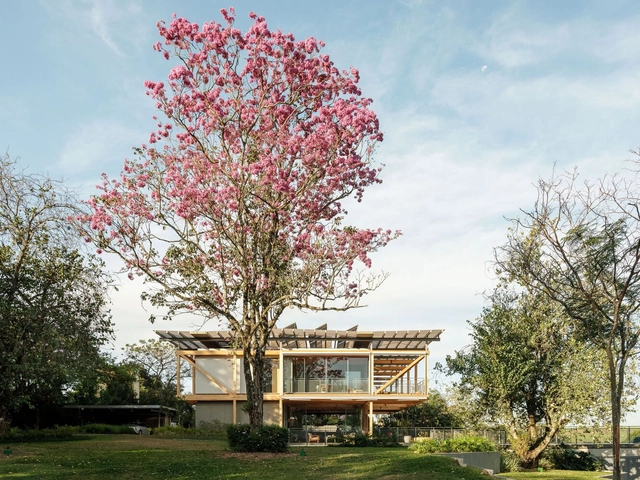
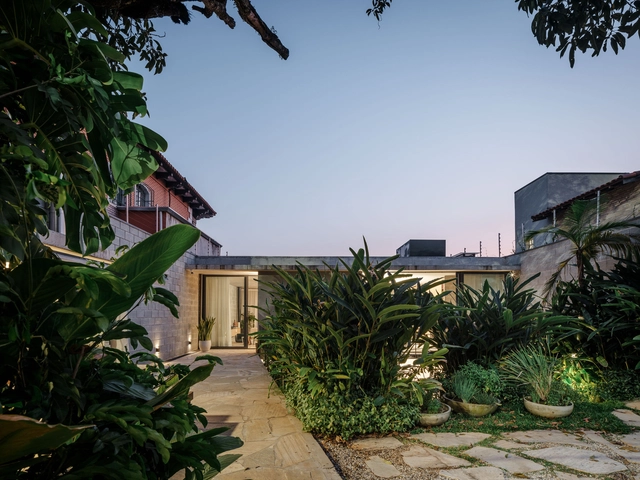
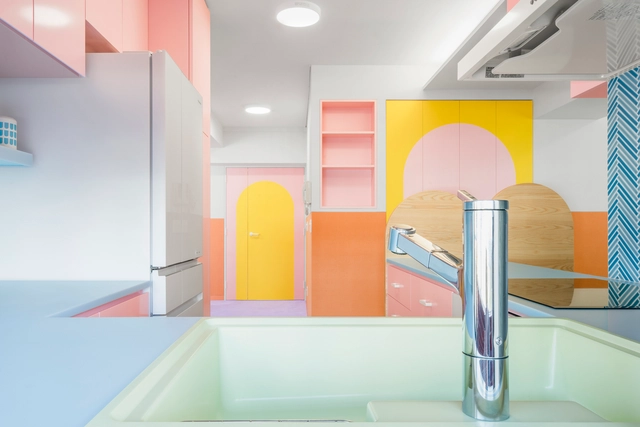
Urban apartments are frequently praised for their clever use of space, but what of their approach to color? Thoughtfully incorporating color is more than an aesthetic decision; it has the potential to shape emotional responses, influence mood, and create spatial illusions. Research in color psychology shows that colors affect our social, cultural, and psychological reactions, making them powerful design tools. Variations of blue, for instance, have been shown to slow melatonin production, keeping people more awake and alert, while shades of green relieve strain on our nervous systems, helping us feel calmer and more grounded. Color in architectural spaces can even alter our perception, creating illusions of depth, movement, and texture that influence how we experience space. Warmer hues like oranges and reds tend to make a room feel more intimate and cozy, while cool whites and blues lend a sense of openness, making spaces appear taller and more expansive.
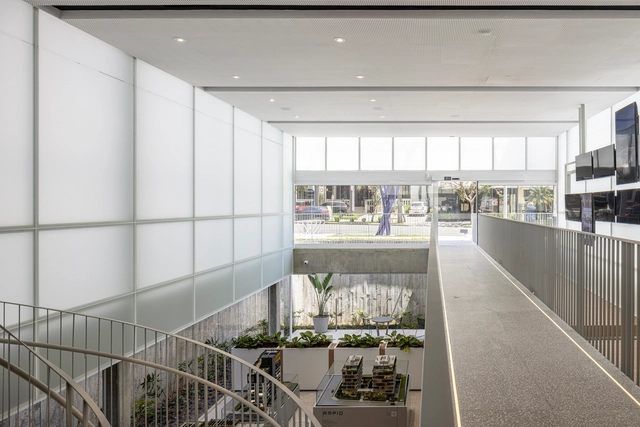
Art and architecture go through a series of interpretive processes before their creation that involve recognizing a capacity for wonder, experimentation, communication, and imagination. Sharing sensitivities and creative quests, they can transform the experience of the world by responding to a collective set of ideas that, at times, design, paint, and write about themes related to the connection with nature, the role of society in the built environment, the sensations conveyed by spaces, and more.
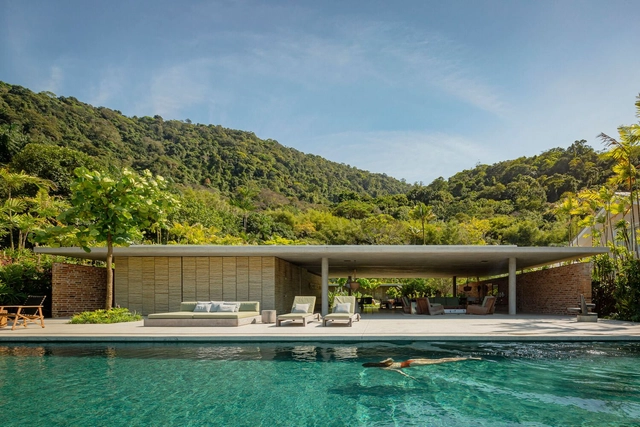
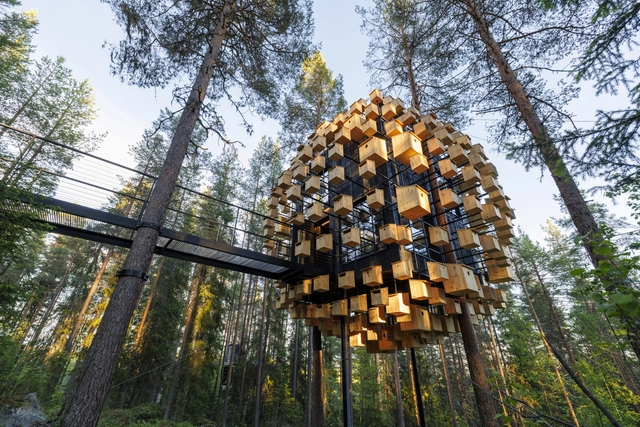
Today's population lives in large, vibrant, and sometimes chaotic cities. That’s why the most popular options involve escaping to natural settings such as remote forests, tropical jungles, or pristine beaches when choosing places to take a break from daily responsibilities and routines. For those seeking to disconnect completely from city life while staying closely connected to nature, small-scale hotels, cabins, and lodges are excellent options. Whether it’s a private vacation home or a cabin hotel, these accommodations are designed to make their natural surroundings their most important asset, allowing the buildings to blend seamlessly into the landscape.
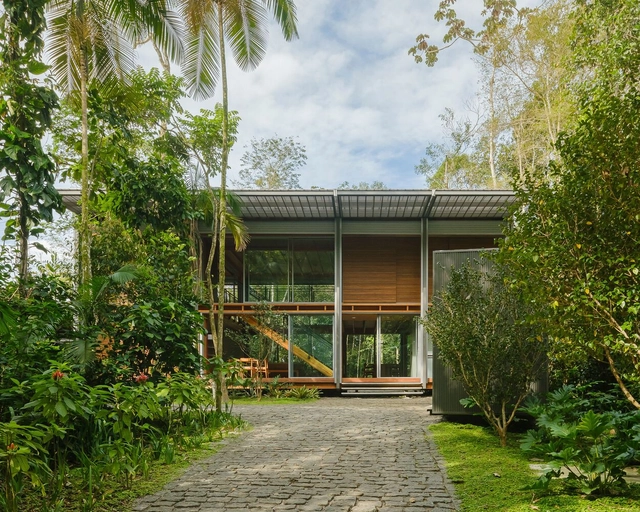
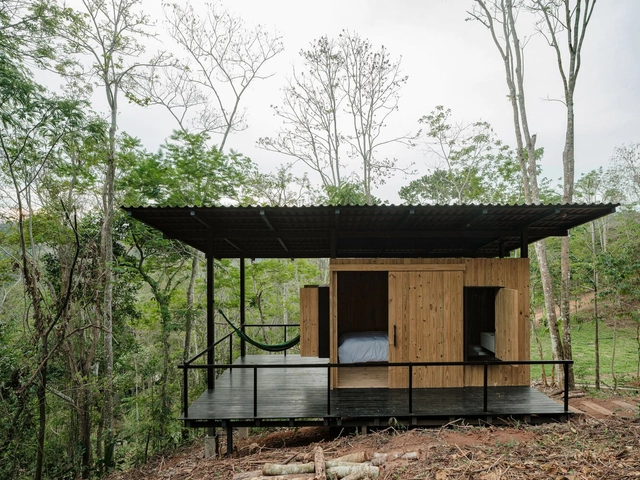
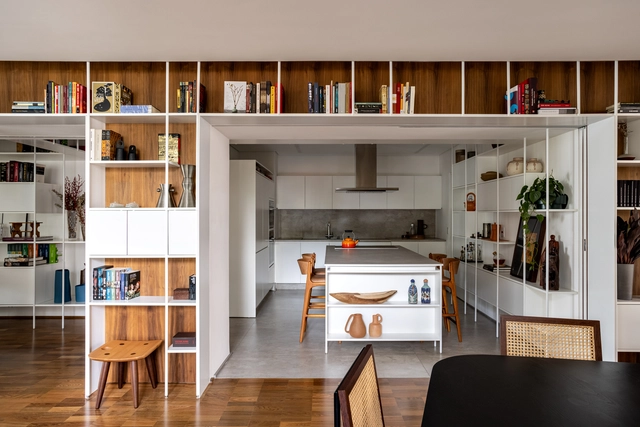
Beyond the wide variety of landscape, environmental, economic, social, and cultural particularities that distinguish each region of Latin America, the renovation of interior spaces that make up domestic life generally focuses on achieving the greatest possible integration of environments along with providing flexibility, spaciousness, and better conditions for ventilation and natural lighting. Seeking to revalue unused spaces and/or give them a second life, renovations aim to transform the ways of living through strategies capable of involving the restoration of materials, the preservation of structures, the maintenance of installations, and more.
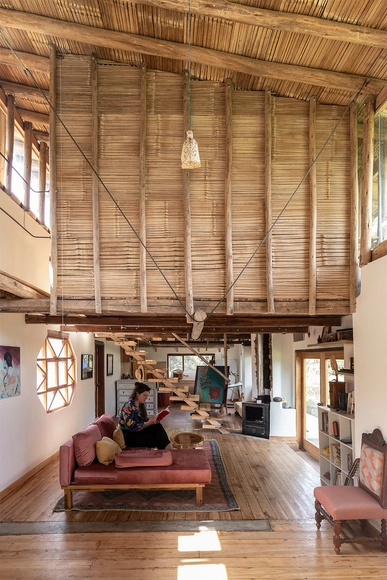
Refurbishment is an increasingly common and fundamental practice in contemporary architecture. More than a trend, it represents a crucial strategy for reducing resource consumption and minimizing waste generation, providing clear advantages over brand-new constructions. In the Latin American context, this philosophy stands out for its unique characteristics. It intricately weaves circularity and climate action with local materials, addressing economic challenges while harmonizing Indigenous, colonial, and contemporary influences.
Housing plays a crucial role in this context, where traditional materials and construction techniques define each project's distinctiveness and integrate it into the community's social fabric. Throughout Latin America, regional identities are deeply embedded in refurbishment efforts, ranging from restoring facades and repurposing wood to reimagining the use of demolition waste. The adaptation of spaces in these projects is influenced by their unique identities and geographic conditions, rooted in social and cultural expressions.
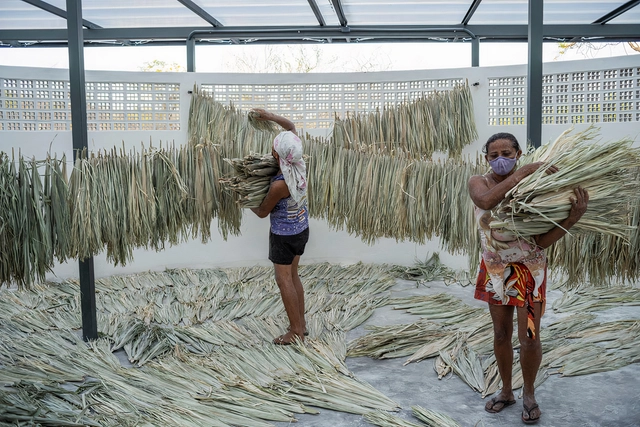
Marcelo Rosenbaum speaks with vivacity and excitement, reflecting his undeniable passion for what he does. His approach to architecture is marked by a proactive stance, leading him to travel to the most remote interiors of Brazil, often voluntarily. There, he listens carefully to local demands and seeks to develop projects that go beyond simple buildings, becoming instruments of transformation for the local reality. One of his best-known projects is in Tocantins, the Children's Village on the Canuanã Farm, done in partnership with the Aleph Zero office, which has been recognized worldwide and won awards. On June 20, he closed the program of the AsBEA 2024 National Convention, whose theme was "Sustainable Roots," held in Florianópolis, Brazil. We had the chance to talk to him about his professional career and some of his recent work.
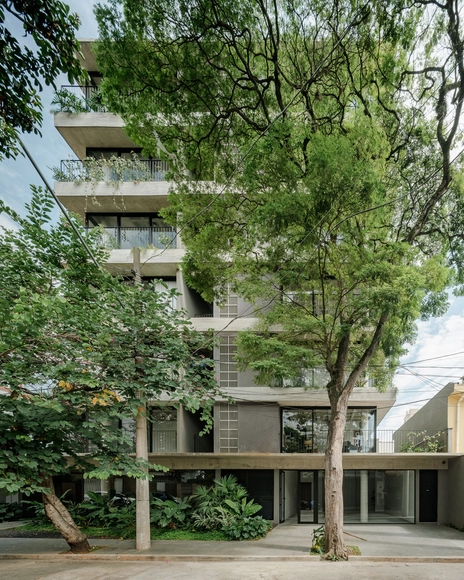
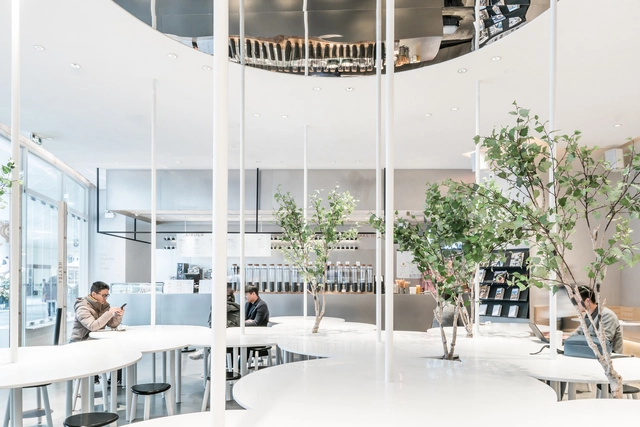
Humans are social beings.The interaction between individuals is an essential part of the human experience and helps improve society as a whole. While architecture plays an important role in promoting spaces for people to meet, exchange and socialize, furniture can be a strategic tool for achieving this goal.
Browsing through our project library, one can find a number of examples of cafes and public spaces where communal tables become a central element in providing a place to meet. In many of these projects, the sinuous design of the tables, with protrusions and recesses, provides not only the possibility of various configurations of chairs for different group sizes but also different uses for the tables themselves, at times as planters, at others as slides or extensions of a workbench.