“Time is a resource we are not spending properly. People are eager to save other resources, but they don’t mind spending their time carelessly,” says Anupama Kundoo in this Louisiana ChannelInterview, where she talks about time as a general concept, sharing some of her philosophy of life on the matter. Turning to architecture, Kundoo reflects on the sense of urgency governing the current design process, obstructing any long term thinking about the collective body of work left as a legacy to future generations; therefore she urges architects to take time to rethink their work and refine their designs.
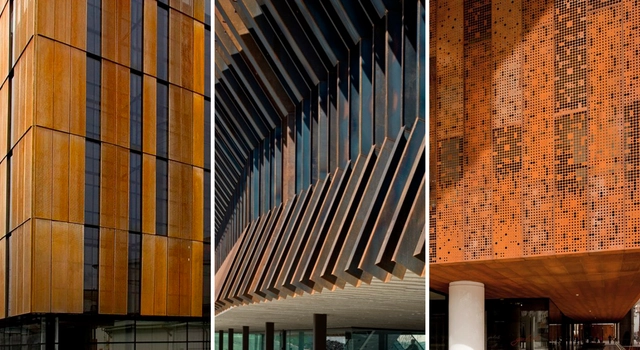
The characteristics of Corten steel has been respected by all architects, both for its strength and for its particular color. It corresponds to a type of steel manufactured with a chemical composition that provides an oxidation that protects the piece, practically without altering its mechanical characteristics. The architectural details of Corten steel present a diversity of situations and connections, not only the obvious constructive factor but it also gives an aesthetic value to any architectural project.
We have compiled this list of 6 eye-catching Corten steel construction details that stand out the most.
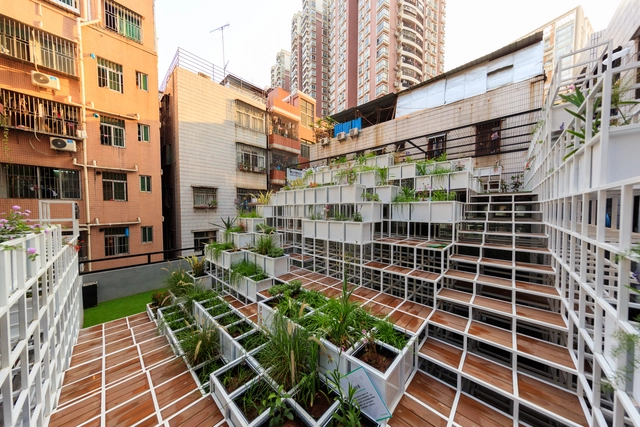
Normally the efforts of the construction industry are aimed to design permanent and durable spaces. However, on some occasions creating temporary spaces can be of great help, not only when providing fast assembly infrastructure after the effects of a natural disaster, but also when activating residual or abandoned spaces in our cities. To exemplify the potential of these interventions, we present thirteen successful temporary public spaces.
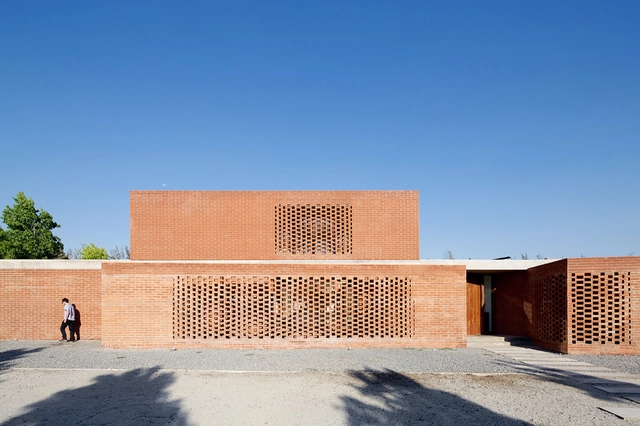
Eduardo Souto de Moura (born 25 July 1952), the Portuguese architect that won the 2011 Pritzker Prize, is known for designs that are formally simple yet serious and at times, dramatic, created through his thoughtful use of colors and materials. His architecture is both versatile and consistent, contextual yet universal, and rarely affected by current trends or styles.
One of the most highly regarded architects of his generation, Portugese architect Álvaro Siza (born 25 June 1933) is known for his sculptural works that have been described as "poetic modernism." When he was awarded the Pritzker Prize in 1992, Siza was credited as being a successor of early modernists: the jury citation describes how "his shapes, molded by light, have a deceptive simplicity about them; they are honest."
Thermal comfort becomes very evident when it is not attended to. When thermal conditions are adequate in one location, our body is in balance with the environment allowing us to perform activities normally. On the other hand, when a space is too hot or too cold, we soon see changes in our mood and body. Dissatisfaction with the thermal environment occurs when the heat balance is unstable, that is when there are differences between the heat produced by the body and the heat that the body loses to the environment.
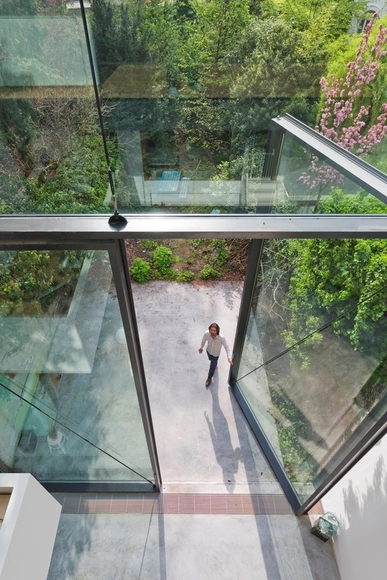
Today, improvements in glass processing technology have made it possible to render specific and effective solutions for a wide range of architectural projects. In fact, there are so many options available that it's almost necessary to research different products and their properties, and how this will impact, for example, the windows and doors that you are designing.
What variables should be considered – and prioritized – when choosing the glass used in a project? How can aesthetics coincide with function and efficiency? We sat down with the experts at Cristales Dialum to delve into the complex world of glass and to better understand the hows and whys of choosing the best type of glass for your projects and ensuring the best results for your clients.
As founder of the “Do Tank” firm ELEMENTAL, Chilean architect Alejandro Aravena (born on June 22, 1967) is perhaps the most socially-engaged architect to receive the Pritzker Prize. Far from the usual aesthetically driven approach, Aravena explains that “We don’t think of ourselves as artists. Architects like to build things that are unique. But if something is unique it can’t be repeated, so in terms of it serving many people in many places, the value is close to zero.” [1] For Aravena, the architect’s primary goal is to improve people's way of life by assessing both social needs and human desires, as well as political, economic and environmental issues.
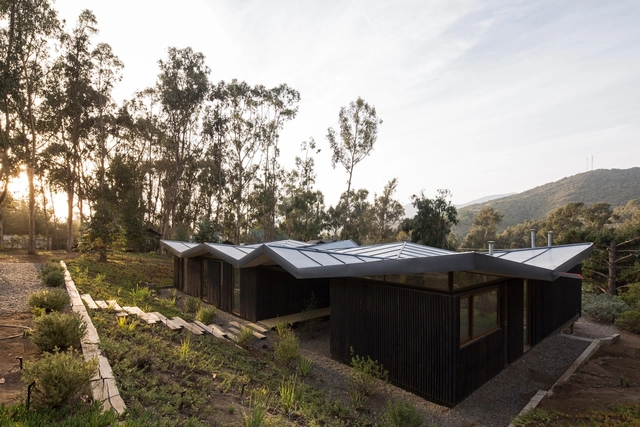
Mainly known outside of his home country for his design of the 2014 Serpentine Gallery Pavilion, architect Smiljan Radić (born June 21, 1965) is one of the most prominent figures in current Chilean architecture. With a distinctive approach to form, materials, and natural settings, Radić mostly builds small- to medium-sized projects that flirt with the notion of fragility.
It is expected that within the next couple of decades, Earth will have absolutely nothing left to offer whoever/whatever is capable of surviving on it. Although the human race is solely responsible for the damages done to the planet, a thin silver lining can still be seen if radical changes were to be done to the way we live on Earth and how we sustain it.
Since architects and designers carry a responsibility of building a substantial future, we have put together an A-Z list of every sustainability term that you might come across. Every week, a new set of letters will be published, helping you stay well-rounded on everything related to sustainable architecture and design. Here are the terms that start with letters A, B, and C.
The dramatic improvement in recent decades in our understanding of sustainable design has shown that designing sustainably doesn't have to be a compromise—it can instead be a benefit. When done correctly, sustainable design results in higher-performing, healthier buildings which contribute to their inhabitants' physical and mental well-being.
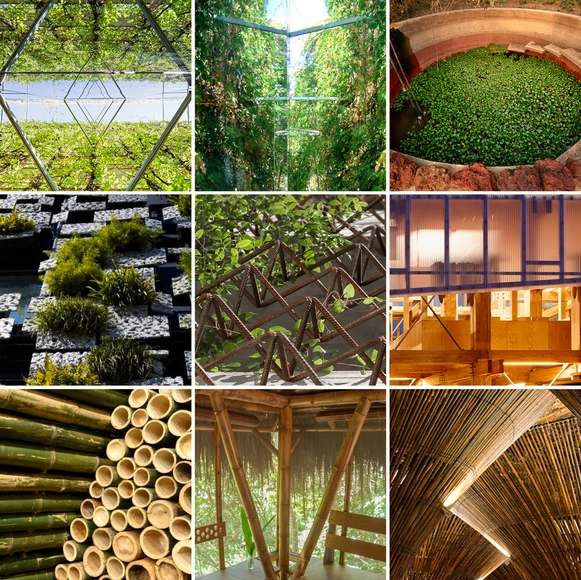
The benefits of incorporating vegetation in façades and in roofs, as well as materials and construction systems that take energy use and pollution into account, demonstrate that sustainable design has the potential to create buildings that improve living conditions and respect the natural environment.
Below we have compiled 30 plans, sections and construction details of projects that stand out for their approach to sustainability.
Back in 2008, ArchDaily embarked on a challenging mission: to provide inspiration, knowledge, and tools to the architects tasked with designing cities. In an effort to further align our strategy with these challenges, we recently introduced monthly themes in order to dig deeper into topics we find relevant in today’s architectural discourse. From architects who don't design to reframing climate change as a global issue, we are celebrating our 11th birthday by asking 11 editors and curators to choose ArchDaily's most inspiring articles.


.jpg?1585773323&format=webp&width=640&height=580)