

BROWSE ALL FROM THIS PHOTOGRAPHER HERE
↓
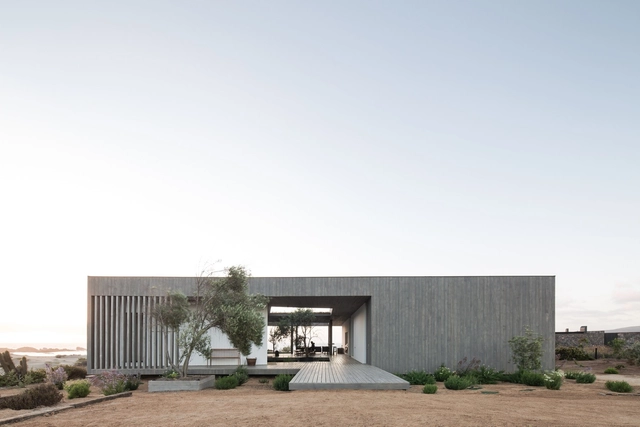
AD 23 House / Apio Arquitectos


https://www.archdaily.com/970152/ad-23-house-apio-arquitectosPilar Caballero
Punta Chilen House / Baltazar Sánchez
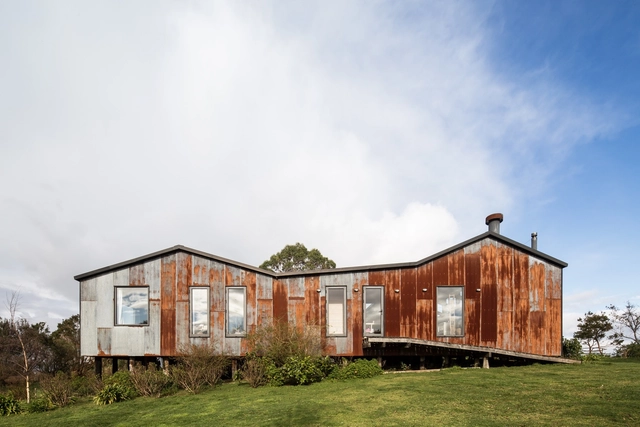


https://www.archdaily.com/940007/punta-chilen-house-baltazar-sanchezClara Ott
Architecture Guide: 20 Must-See Works by Alvar Aalto
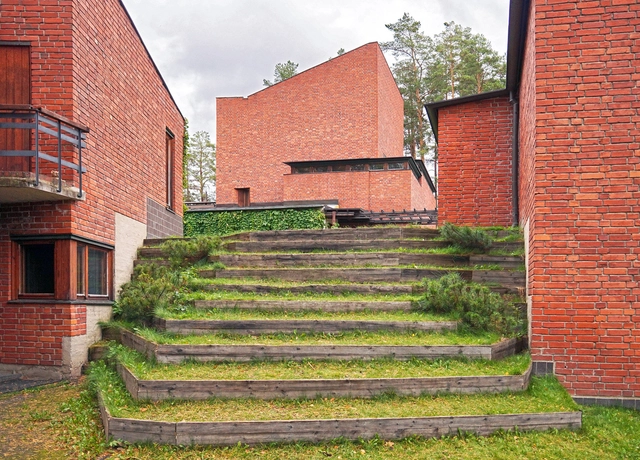
Finnish architect Alvar Aalto was a pioneer of modern architecture and design, especially in his use of organic, naturally derived materials. When he decided to embark on a career as an architect, he traveled to Helsinki, the only place where he could find academic training in the profession. His journey did not end there, however, as his work can be seen around the world. Here, we have mapped out 20 of his most notable works that must be seen up close and in-person to truly be appreciated.
https://www.archdaily.com/918635/architecture-guide-20-must-see-works-by-alvar-aaltoFabian Dejtiar
Open Air: New Ways We Can Live Together in Nature
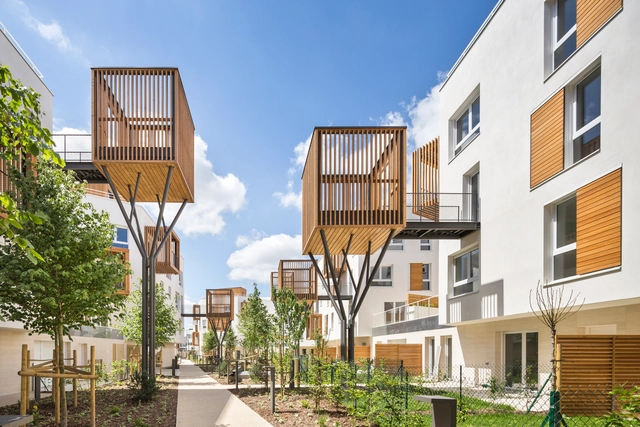
“We need a new spatial contract." This is the call of Hashim Sarkis, curator of the Venice Biennale 2021, as an invitation for architects to imagine new spaces in which we can live together. Between a move towards urban flight and global housing crises, the growth of more low-rise, dense developments may provide an answer in the countryside. Turning away from single family homes in rural areas and suburbs, modern housing projects are exploring new models of shared living in nature.


https://www.archdaily.com/945196/open-air-new-ways-we-can-live-together-in-natureEric Baldwin
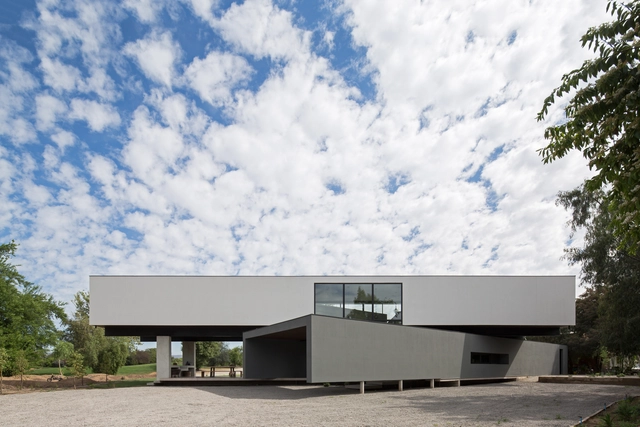
Después del Domo / Claudio Torres Salazar + Yuji Harada + Clarita Reutter Susaeta + Emile Straub
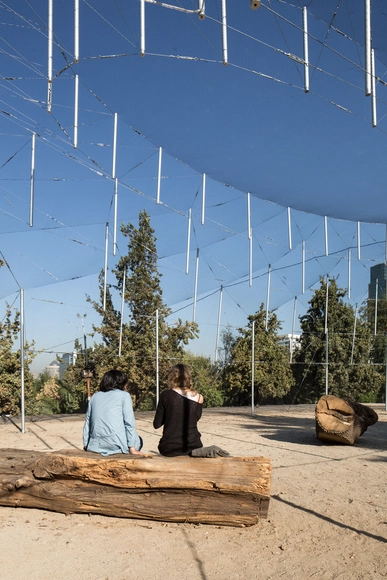


-
Architects: Clarita Reutter Susaeta, Claudio Torres Salazar, Emile Straub, Yuji Harada
- Area: 575 m²
- Year: 2017
https://www.archdaily.com/963684/despues-del-domo-claudio-torres-salazar-plus-yuji-harada-plus-clarita-reutter-susaeta-plus-emile-straubRayen Sagredo
House T+T / RLL Estudio Arquitectura
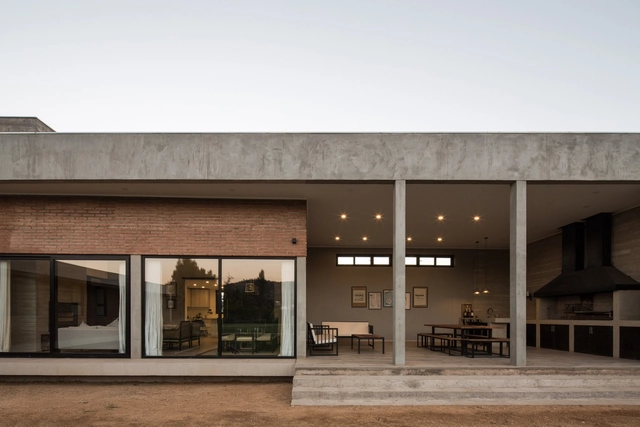


-
Architects: RLL Estudio Arquitectura
- Area: 366 m²
- Year: 2020
-
Professionals: De La Riva Ingenieros Ltda.
https://www.archdaily.com/962422/house-t-plus-t-rll-estudio-arquitecturaClara Ott
Alvar Aalto and the Use of Timber: From Stools to Ceilings and Structures
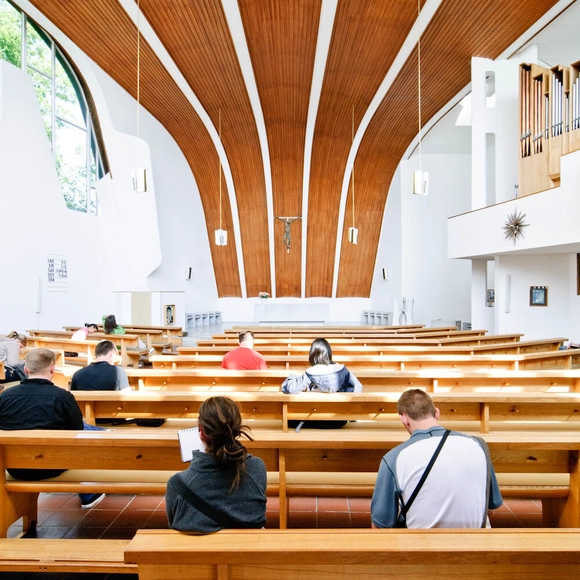
Many describe the work of Alvar Aalto as an embodiment of the concept of Gesamtkunstwerk (a total work of art), where architecture, design, and art merge into one. The Finnish architect is a pioneer in the so-called organic strand of modern architecture in the early 20th century and has strongly influenced what we know today as Scandinavian architecture. According to a description on the MoMA website: "his work reflected a deep desire to humanize architecture through an unorthodox handling of shapes and materials that was rational and intuitive." Its methods of bringing natural light into buildings are extolled and studied repeatedly until today. But throughout Aalto's career, wood has always been present and taken many different forms. From structures to ceilings to stools, Alvar Aalto brought this natural material to the fore.
https://www.archdaily.com/960708/alvar-aalto-and-the-use-of-timber-from-stools-to-ceilings-and-structuresEduardo Souza
The Possibilities of Pigmented Concrete: 20 Buildings Infused With Color
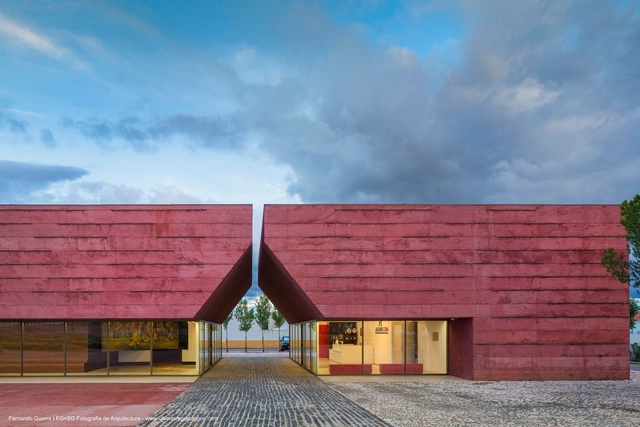
When we think of concrete, the color gray generally comes to mind. The traditional mixture of concrete, which comprises cement, gravel, sand, and water may vary in color depending on elements and admixtures but naturally varies from light to dark gray. However, compounds that add pigment to the mixture are becoming increasingly prevalent and popular, as they infuse the concrete with hues more stable than paint. These shades result from the addition of oxides: yellow, red and their derivations (eg. brown) are obtained with the addition of iron oxide; chromium and cobalt oxide create the greens and blues, respectively. For black concrete, it is common to use black iron oxide and carbon oxide combined with pozzolanic cement.


https://www.archdaily.com/910825/the-possibilities-of-pigmented-concrete-18-buildings-infused-with-colorEduardo Souza
"There is an Incredible Order Created by Nature": In Conversation with Anupama Kundoo
In Louisiana Channel's latest interview, Indian architect Anupama Kundoo shares her thoughts on the importance of observing the surroundings from the perspective of time and its imprint on matter. "Before humans, there was an architecture that life itself creates," says the architect discussing the natural world as a source of inspiration, pointing out that one "can see the same question already solved by nature".

.jpg?1606397161&format=webp&width=230&height=230&crop=true)


https://www.archdaily.com/952173/there-is-an-incredible-order-created-by-nature-in-conversation-with-anupama-kundooAndreea Cutieru


Red House / Panorama Arquitectos + dRN Arquitectos
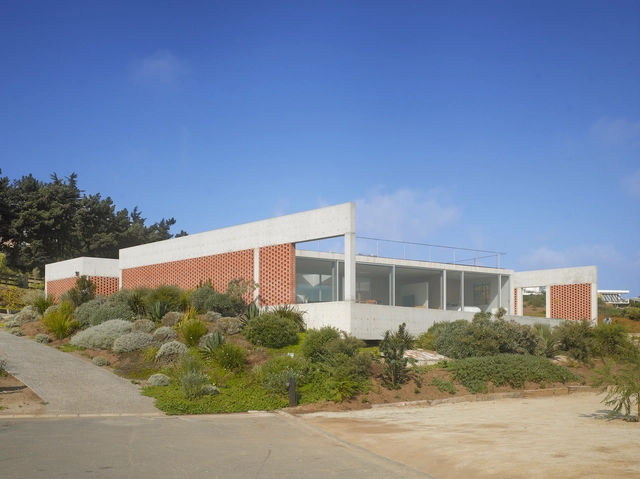


-
Architects: Panorama Arquitectos, dRN Arquitectos
- Area: 245 m²
- Year: 2011
-
Manufacturers: AB Kupfer, Cerámica Santiago, KBE, Luxaflex, Melón Hormigones
https://www.archdaily.com/951123/red-house-panorama-arquitectos-plus-drn-arquitectosClara Ott
The Beauty of Exposed Wooden Trusses
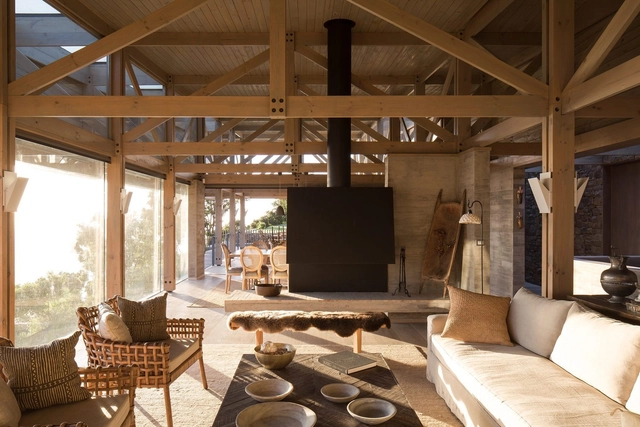


Timber trusses are wooden structural frameworks used to support roofs or other heavy structures. Fabricated from a series of triangles linked by a ridge beam and purlins, wooden trusses are structurally advantageous due to their high strength-to-weight ratios and corresponding ability to support long spans. However, these structural components can also be used for aesthetic ends, and when left exposed, can complexify, beautify, and open an interior space.
https://www.archdaily.com/948955/the-beauty-of-exposed-wooden-trussesLilly Cao
Houses with Side Patios: Bountiful Natural Light and Ventilation
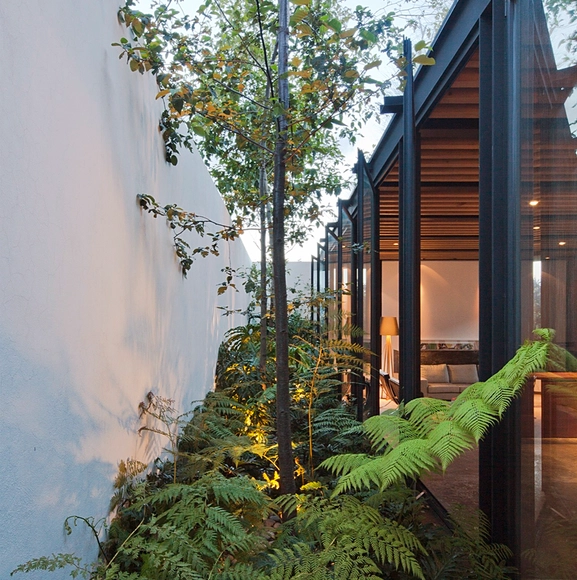


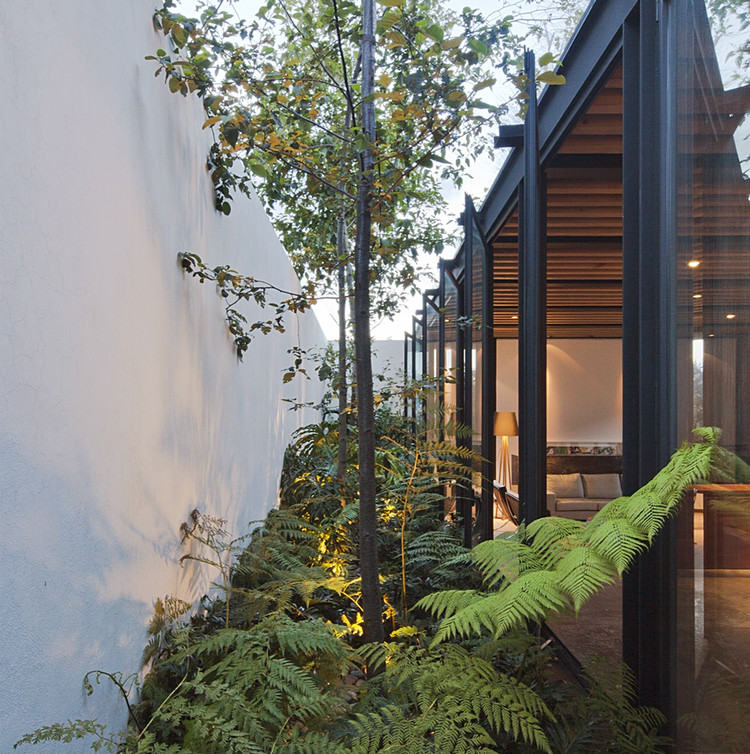
Patios and gardens play a crucial role in a project's planning and layout. In some instances, they serve as organizing elements while in others, they improve the quality of life in a space by providing light, ventilation, and a connection to the outdoors while maintaining the privacy of the inhabitants.
https://www.archdaily.com/945834/houses-with-side-patios-bountiful-natural-light-and-ventilationBelén Maiztegui
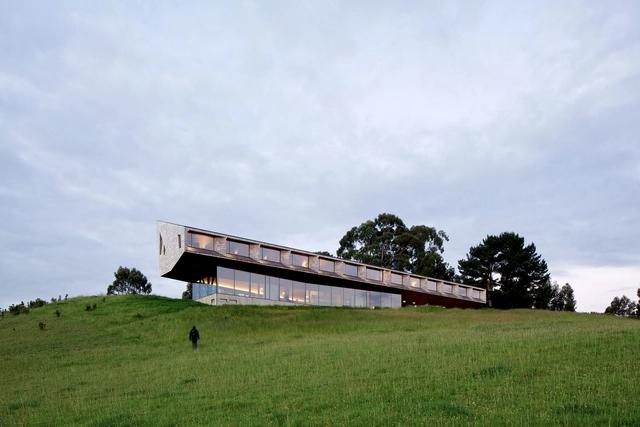
Refugia Hotel / Mobil Arquitectos


-
Architects: Mobil Arquitectos
- Area: 1250 m²
- Year: 2011
-
Manufacturers: Añihue
-
Professionals: Mónica Pérez & Asociados, VMB Ingeniería Estructural
https://www.archdaily.com/305732/refugia-hotel-mobil-arquitectosNico Saieh
Brick in Latin American Architecture: Hospitals and Health Centers
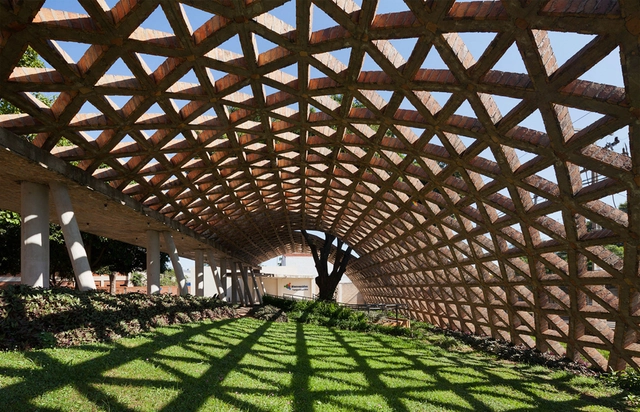
The focus of buildings should ultimately be the well-being of the people using them. When we think of our experiences in hospitals, clinics, the dentist's office, and other medical facilities, the feeling is rarely pleasant. Perhaps it's the smells, the dull, monotone colors, or the sound of medical gadgets working away on some unlucky patient.
https://www.archdaily.com/944906/brick-in-latin-american-architecture-hospitals-and-health-centersSantiago Baraya
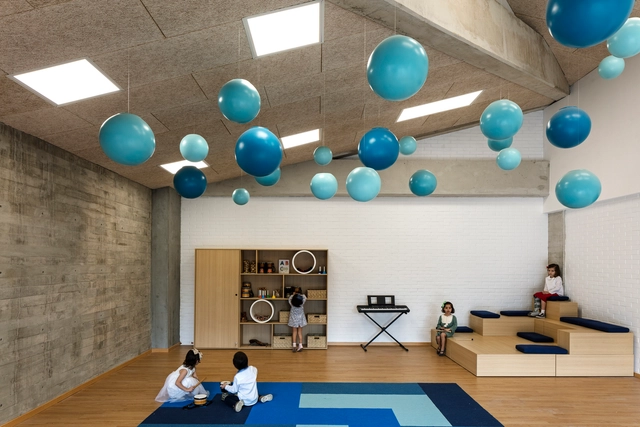
Improving the Educational Environment with the Reggio Emilia Approach
.jpg?1594149242&format=webp&width=230&height=230&crop=true)


The Reggio Emilia Approach was created in the post-WWII period at the initiative of widowed mothers and under the coordination of journalist and educator Loris Malaguzzi. In a time of postwar urban reconstruction, the group's primary concern was the formation of new schools, where they wanted to create a peaceful, welcoming, and cheerful environment, with a domestic atmosphere where children could stay while their mothers worked. Understanding the children's interests and providing a suitable environment for exploration and experimentation is one of the focal points of this pedagogy. The creation of a safe and stimulating environment is so fundamental that, in much literature, it appears as a third teacher.
https://www.archdaily.com/944063/improving-the-educational-environment-with-the-reggio-emilia-approachAudrey Migliani
El Arrayan House / Oficina Bravo


-
Architects: Oficina Bravo
- Area: 190 m²
- Year: 2018
-
Manufacturers: Eco Pinturas, Timbercret
https://www.archdaily.com/943481/el-arrayan-house-oficina-bravoAndreas Luco
Spotlight: Toyo Ito
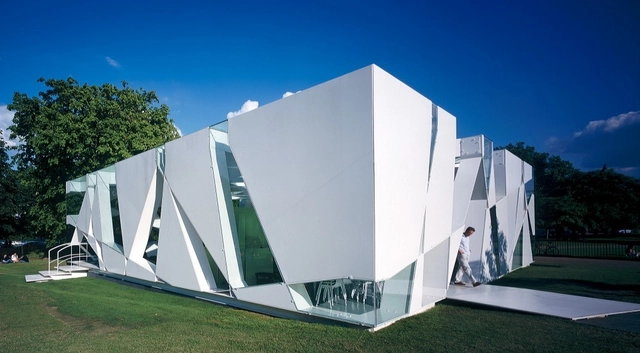
As one of the leading architects of Japan's increasingly highly-regarded architecture culture, 2013 Pritzker Laureate Toyo Ito (born June 1, 1941) has defined his career by combining elements of minimalism with an embrace of technology, in a way that merges both traditional and contemporary elements of Japanese culture.


https://www.archdaily.com/381153/happy-72nd-birthday-toyo-itoRory Stott