-
Architects: DOOR architecten, Ector Hoogstad Architecten
- Area: 9000 m²
- Year: 2026
-
Manufacturers: De Groot Vroomshoop, Desso, Duet window frames , Duracryl, Herso, +4


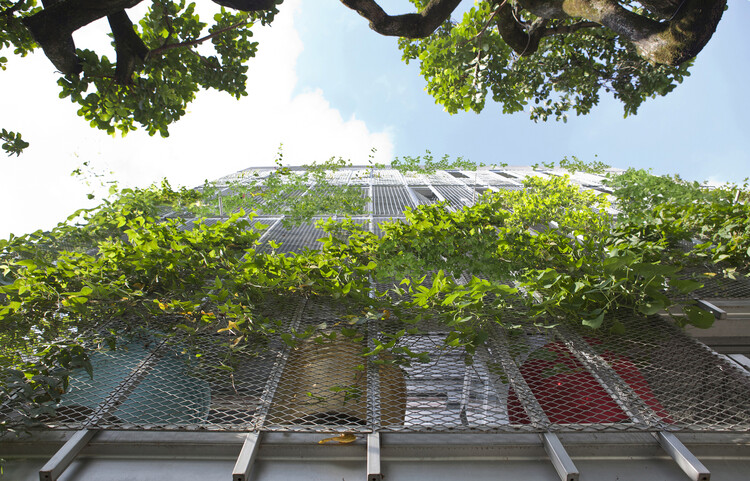
When we think of façades, we rarely think of them as habitats. We see them as the elements that separate interior from exterior, regulate temperature, reduce noise, and protect buildings from external conditions. They give architecture its visual language, but they are also expected to keep the outside world at a distance. In doing so, façades have often been understood as barriers: surfaces that define where human comfort begins and where the environment is meant to remain outside.
But the outside of a building is never empty. For centuries, architecture has unintentionally created opportunities for other forms of life. Birds nested beneath roof tiles, insects occupied cracks in masonry walls, and mosses or plants took root along ledges, gutters, and rough stone surfaces. These conditions were rarely designed with other species in mind, but they created small opportunities for life to inhabit them.

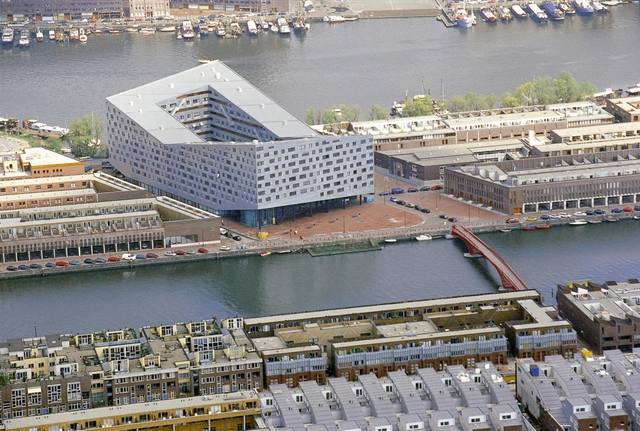
In 2020, in the midst of the first wave of lockdowns due to the pandemic, the municipality of Amsterdam announced its strategy for recovering from this crisis by embracing the concept of the “Doughnut Economy.” The model is developed by British economist Kate Raworth and popularized through her book, “Doughnut Economics: Seven Ways to Think Like a 21st-Century Economist”, released in 2017. Here, she argues that the true purpose of economics does not have to equal growth. Instead, the aim is to find a sweet spot, a way to balance the need to provide everyone with what they need to live a good life, a “social foundation” while limiting our impact on the environment, “the environmental ceiling.” With the help of Raworth, Amsterdam has downscaled this approach to the size of a city. The model is now used to inform city-wide strategies and developments in support of this overarching idea: providing a good quality of life for all without putting additional pressure on the planet. Other cities are following this example.
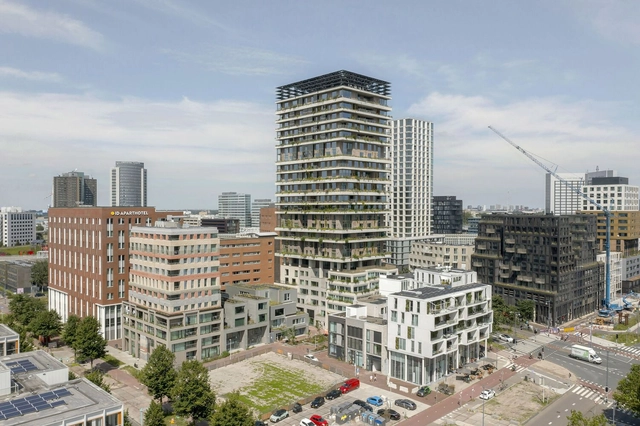
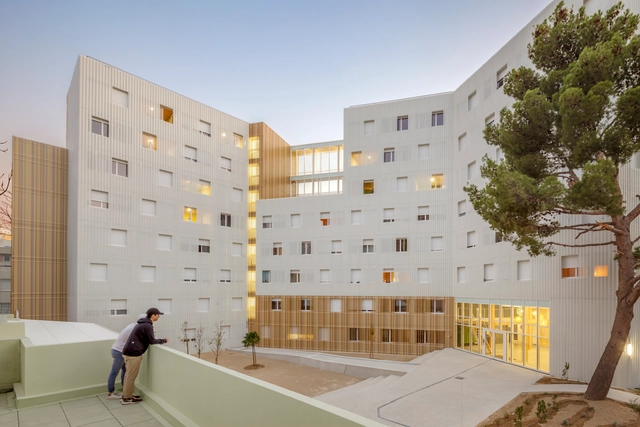
Student housing has undergone a remarkable transformation over the last century. Once seen as a utilitarian necessity, providing shelter and basic amenities for students, this architectural typology has evolved to address increasingly complex societal, cultural, and urban demands. Starting with Le Corbusier's modernist approach at the Cité Universitaire in Paris, student housing has reflected broader trends in architecture, urbanism, and social change.
Today, these buildings must cater to a highly diverse and transient population, navigating the pressures of affordability, density, and the evolving living standards of young adults. With rapid urbanization and increasing student mobility, universities now face the challenge of designing housing that is not only functional but also adaptable to different cultural and social contexts. This has led to more flexible, innovative solutions that promote both privacy and community living.
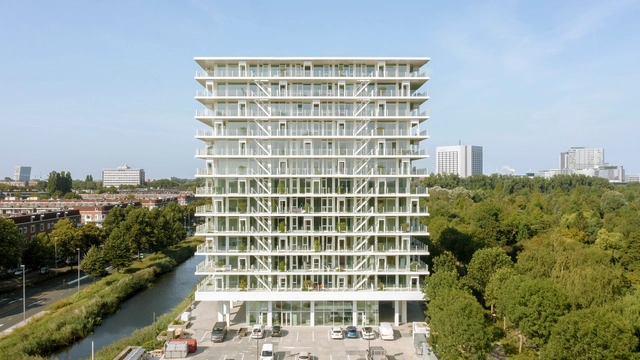
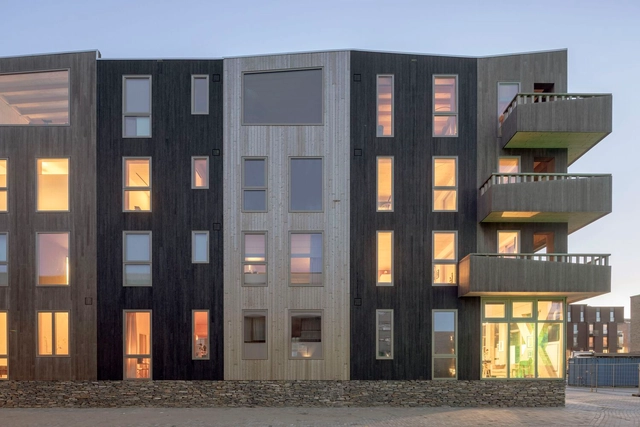
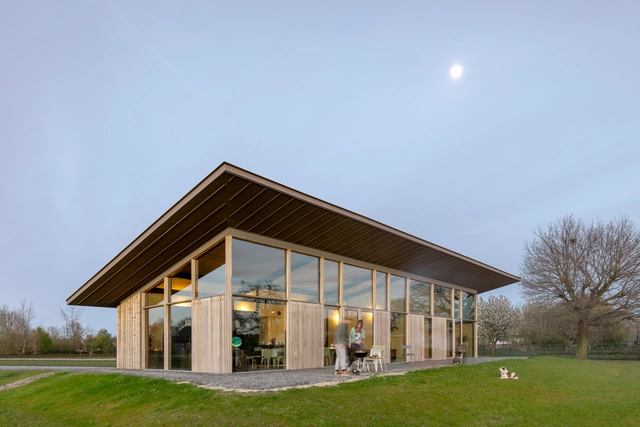
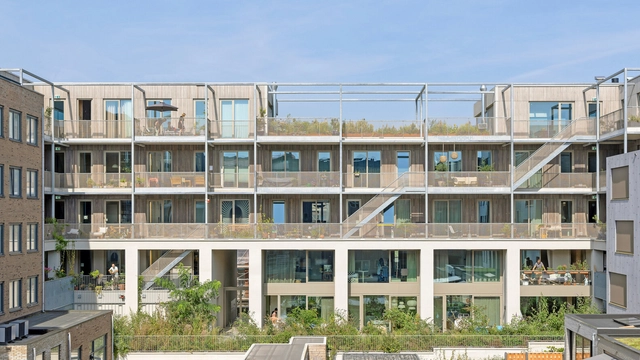
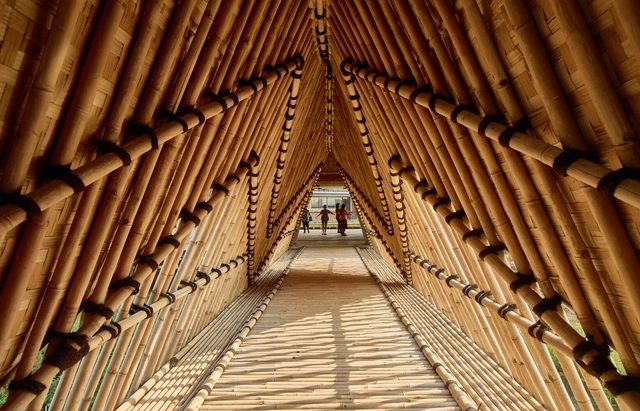
For architects, schools are often complex structures to design. They must provide a variety of spaces for education, and also consider sports and recreational activities. But beyond its size or surface, the greatest challenge is to design an area that fosters a positive pedagogical environment for children. Below, a selection of +70 school projects with their drawings to inspire your proposals for learning campuses.
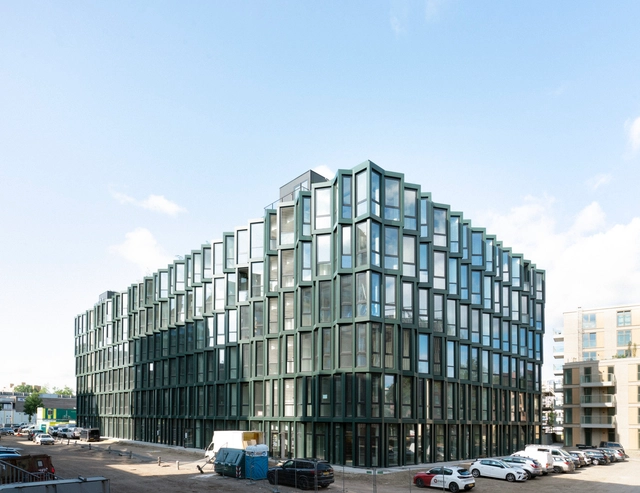
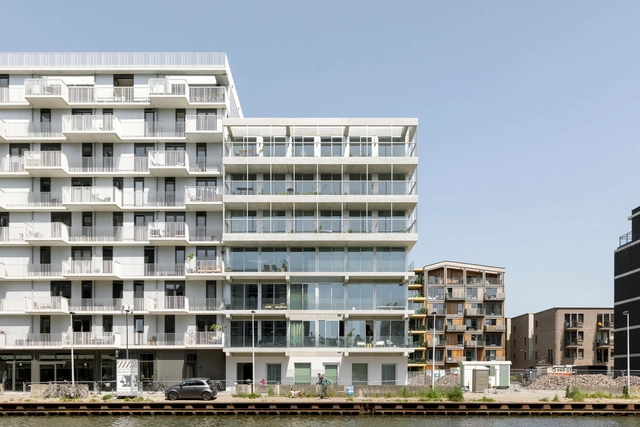

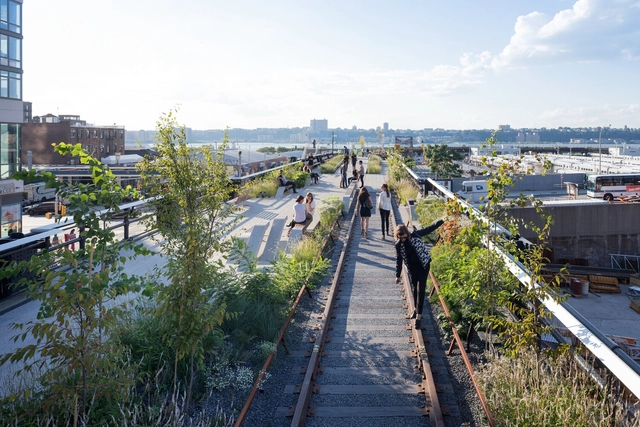
Cities concentrate opportunities and exchanges, culture and business, while, at the same time are a key contributor to climate change. They are highly complex organisms, with multiple actors involved, that bring to light underlying social interests and conflicts present in society. In 2007, the world's urban population surpassed the rural and this difference has been increasing ever since. According to the 2018 Revision of World Urbanization Prospects report, 55% of the world's current population lives in urban areas, rising to 68% by 2050. This will represent an increase of 2.5 billion people in urban areas, with almost 90% of this increase occurring in Asia and Africa. The Smart Sustainable Cities: Reconnaissance Study also points out that urban centers account for 67% of global energy demand, emit 70% of greenhouse gases and, on top of it all, buildings consume 40% of all energy worldwide. The prospect of a mostly urban world, along with the alarming onset of climate change, both raise challenges regarding living conditions in the coming decades and centuries, and all the implications that will accompany these changes.
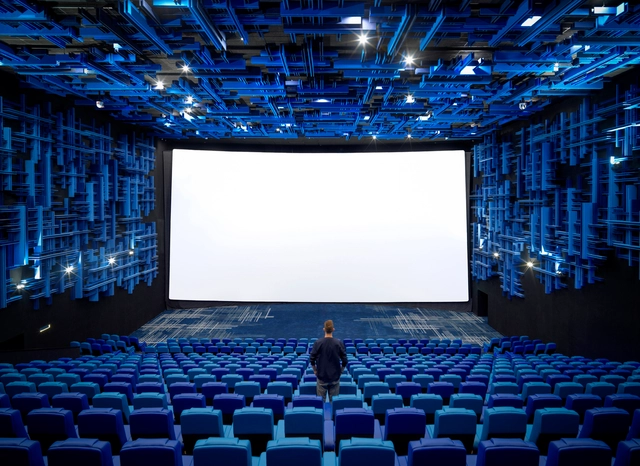
Cinemas mirror architecture. While the coronavirus pandemic shuttered theaters across the world for months, the industry is looking to the future as it aims to rethink the movie-going experience. As crowds flocked to the cinema after the 1918 pandemic, so too will the industry change shape again as it respond to new modes of watching films together.
.jpg?1654265144&format=webp&width=640&height=580)
Most of us use stairways every day, but few times do we stop to contemplate their design or put much thought into their function. With their steps, treads and railing, they are easily one of the most fundamental architectural elements in any home. Apart from providing a safe, simple and easy access from one floor to another, it is through staircases that architects create unique spatial forms and strong visuals. From afar, one can observe people moving up and down repeatedly; from within, the user is treated to new angles and ways to perceive a space. Therefore, good staircases are more than just means of vertical circulation. Through their might and scale, they can become the protagonist of a space – a design focal point that rises to the level of art. In this article, we present their versatile characteristics and material qualities through a selection of inspiring examples, all of which can be found in Architonic's 'Staircases' section.