Natural or artificial, lighting is one of the most important elements in architecture, directly affecting our perception of spaces. It is capable of defining volumes, enhancing colors, textures, and therefore, contributing to the overall relationship between dimension, proportion, and contrasts. One of the many challenges of architecture is to shape spaces based on light and shade, and sometimes natural light is not enough, requiring additional light sources to be installed and controlled.
In early 2020, along with the implementation of worldwide social isolation measures, we published several articles in order to help our readers increase productivity and comfort in their home offices. After months of continued isolation, surveys show that more than 80% of professionals want to continue working from home even after quarantine ends. In addition, a good number of companies are similarly satisfied with current work practices, showing a high tendency to adopt this practice indefinitely, since the majority of companies observed that remote work was as or more productive than face-to-face work.
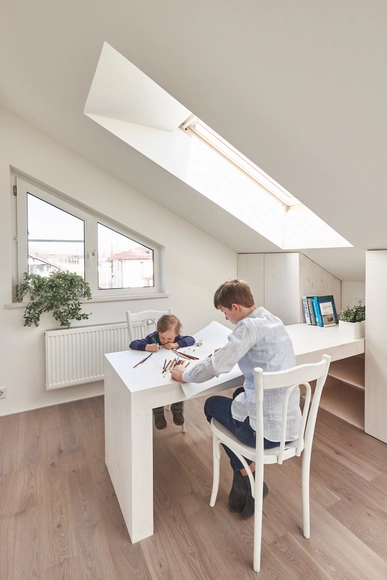
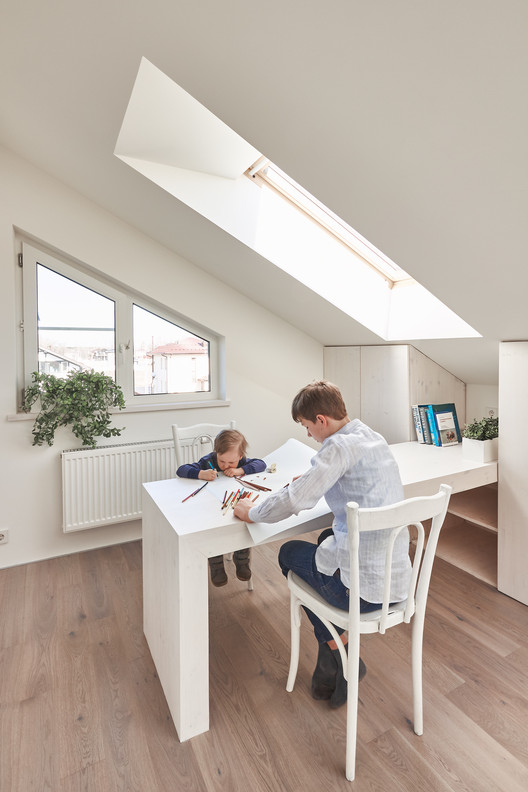
However, with respect to children and home studying during the pandemic, the result was not as positive. One of the main reasons for this difference is that it can be difficult to get students to concentrate and motivate themselves for a long time in front of screens. Lack of physical interaction with other children is also a contributing factor. Yet until the global situation improves, it is likely that the return to schools will continue to be postponed. With this situation in mind, we decided to share in this article a series of efficient strategies to transform study spaces at home into better spaces for learning.
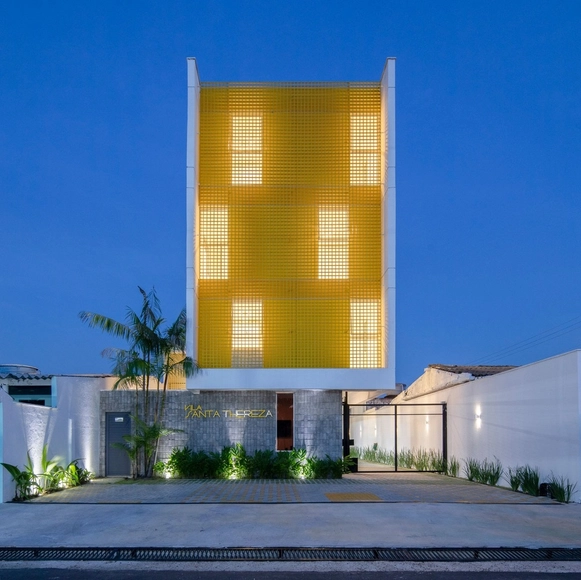
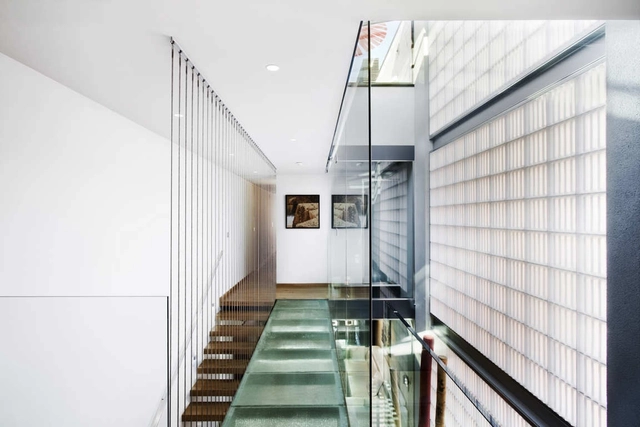
In 1977, a New York Times article by Carter B. Horsley proclaimed that “Glamorous Glass Bricks Are Booming:” once a “less than first-class” material, it was beginning to gain acceptance among architects in residential and restaurant projects for its translucence, privacy, visual interest, and sense of order. However, following the industry’s brief but widespread use of glass bricks, many now associate the material with outdated 80’s architectural styles, an aesthetic that few seem interested in reviving. Yet pioneering contemporary architects have begun using this unique material in new and distinctly modern ways, whether for sleek and minimalist bathrooms, industrial bars and restaurants, vintage residential windows, or even experimental urban facades. As Horsley stated, it appears that glamorous glass bricks are booming – again.
https://www.archdaily.com/941686/glamorous-glass-bricks-are-booming-nil-againLilly Cao
Over the past few decades, interior spaces have become increasingly open and versatile. From the thick walls and multiple subdivisions of Palladian villas, for example, to today's free-standing and multi-functional plans, architecture attempts to combat obsolescence by providing consistently efficient environments for everyday life, considering both present and future use. And while Palladio's old villas can still accommodate a wide variety of functions and lifestyles, re-adapting their use without changing an inch of their original design, today, flexibility seems to be the recipe for extending the useful life of buildings as far as possible.
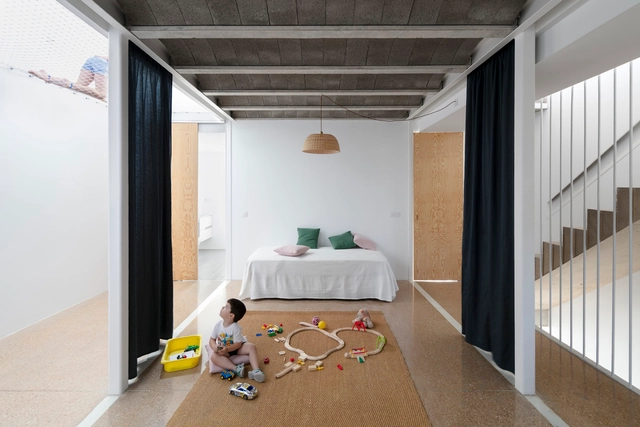
How, then, can we design spaces neutral and flexible enough to adapt to the evolving human being, while still accomplishing the needs that each person requires today? An ancient element could help redefine the way we conceive and inhabit space: curtains.
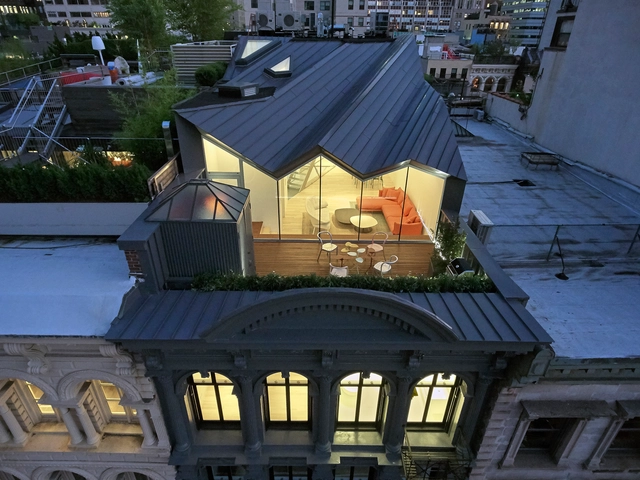
One of the most important cities in the world –and the most populated in the United States of America–, New York is home to a great mix of cultures and history that has been shaped over the years, while art and architecture play a fundamental role in this development.
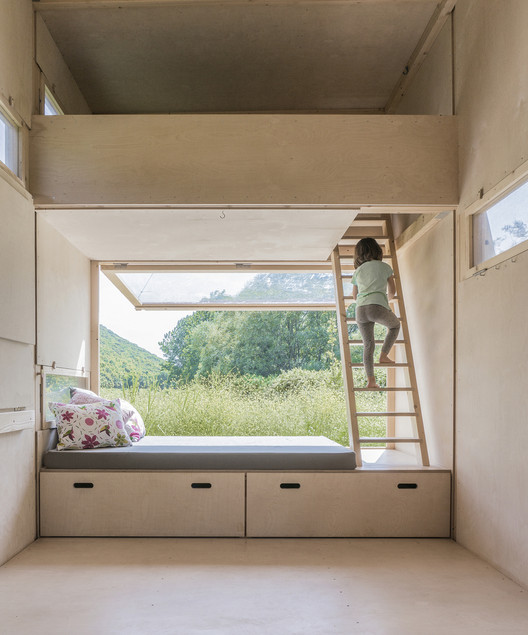
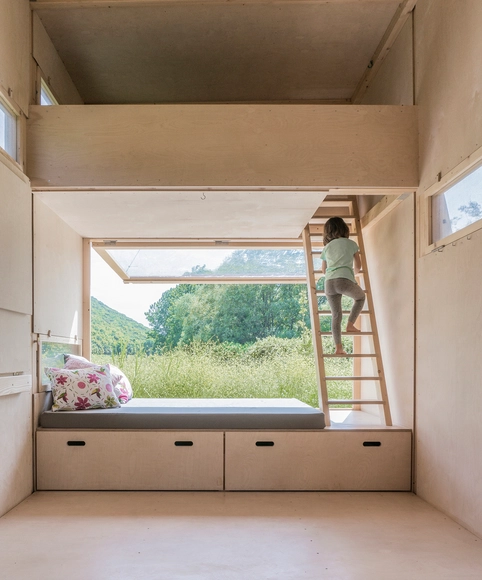
Cabin on the Border / SO? Architecture&Ideas. Image Cortesía de SO?
Dense cities mean small homes. With more and more frequency we are forced to adapt to spaces within which some elements simply do not fit. As architects, these restrictions actually provide us with opportunities and remind us that our goal is to give precise solutions to specific problems. Designing with infinite number square meters and/or an unlimited budget is practically unheard of.
What's the key to accommodating everything? Let's review some effective storage solutions for minimum, tight spaces.





















.jpg?1585197773&format=webp&width=230&height=230&crop=true)
_Frank_Oudeman_19.jpg?1585198175&format=webp&width=230&height=230&crop=true)



.jpg?1552337492&format=webp&width=230&height=230&crop=true)