

-
Architects: Meireles + Pavan Arquitetura
- Area: 1750 m²
- Year: 2019
-
Professionals: Fairbanks, Porus Arquitetura, Marilia Pellegrini Arquitetura
.jpg?1637335441&format=webp&width=640&height=580)

Hammocks are an undeniable passion and an iconic design element in Brazil and are key pieces of furniture in many Brazilian homes. In small houses or apartments, however, hammocks can often be difficult to place in the room. This article shows examples of how to include hammocks in architectural projects and ideas to inspire you to hang one in your apartment.
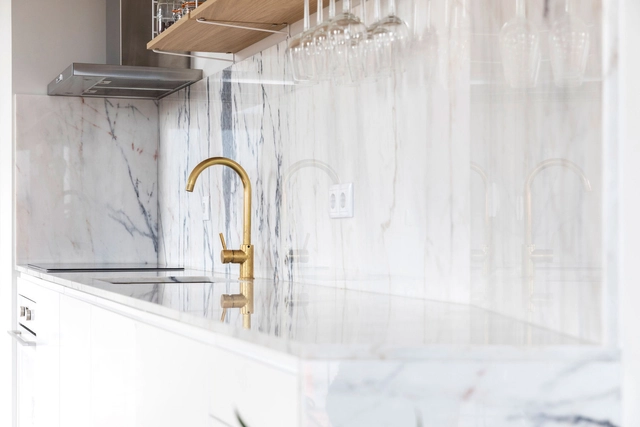
As an architectural project comes to its last phases, it is time to put together the smaller details in bathrooms and kitchens, which means choosing finishes for the walls and floors, as well as the countertops, and picking the right fittings and fixtures. These elements are essential for a well-designed space, regardless of the style.
.jpg?1627401506&format=webp&width=640&height=580)
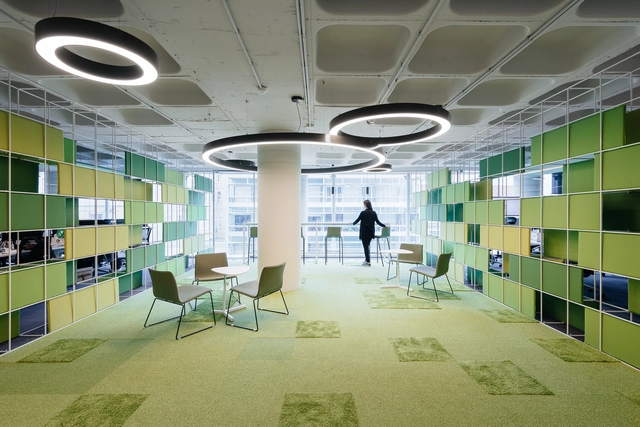
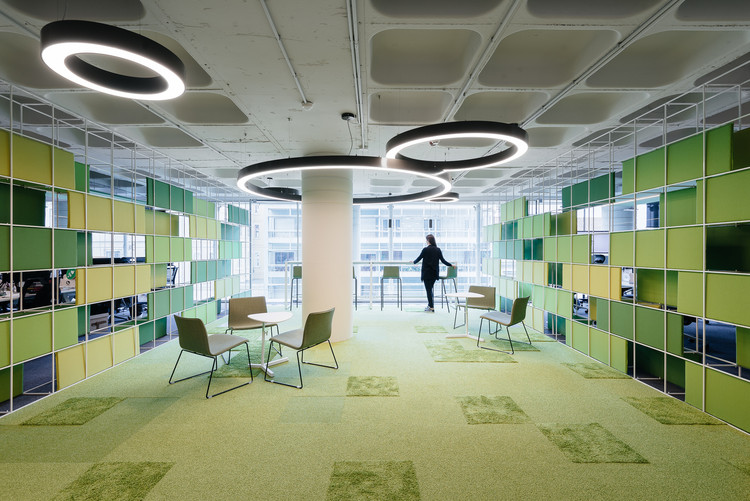
It is safe to say that living in large urban areas, most of the sounds surrounding us are accidental, and most of them are not very pleasant. According to Julian Treasure, chairman of The Sound Agency, sounds can affect us in many ways: physiologically, psychologically, cognitively, and behaviorally, reducing productivity in workspaces and even affecting sales in retail stores. Therefore, paying attention to acoustic comfort in the built environment is imperative, not only for engineers and consultants but also for architects.
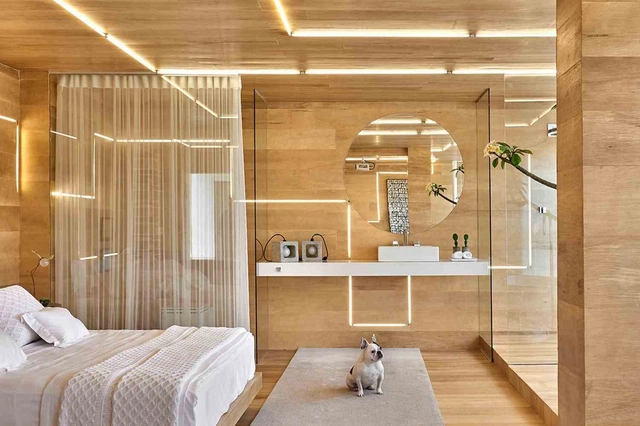
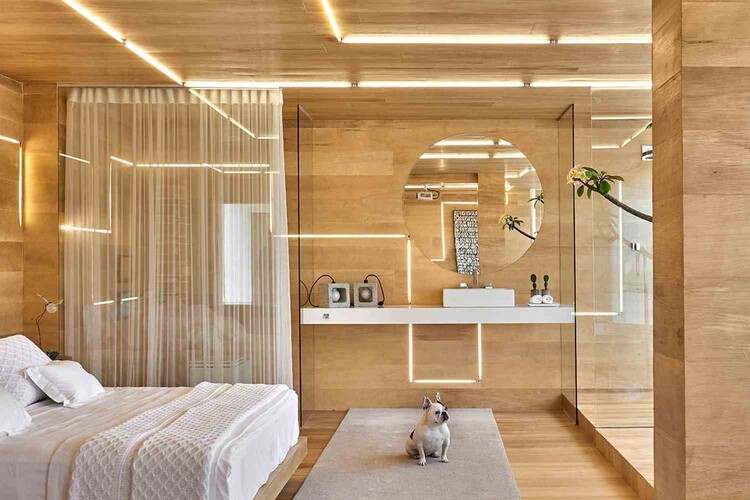
Natural or artificial, lighting is one of the most important elements in architecture, directly affecting our perception of spaces. It is capable of defining volumes, enhancing colors, textures, and therefore, contributing to the overall relationship between dimension, proportion, and contrasts. One of the many challenges of architecture is to shape spaces based on light and shade, and sometimes natural light is not enough, requiring additional light sources to be installed and controlled.
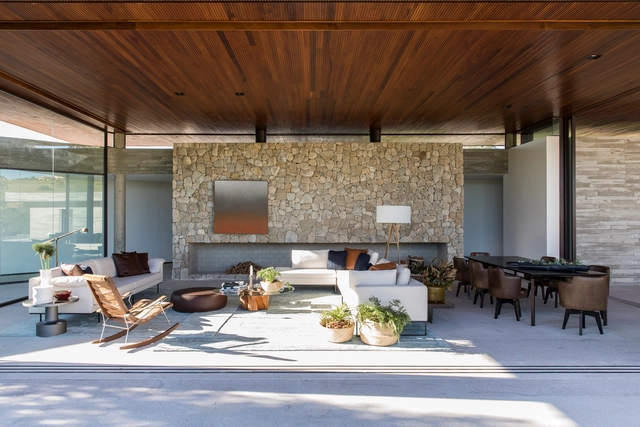
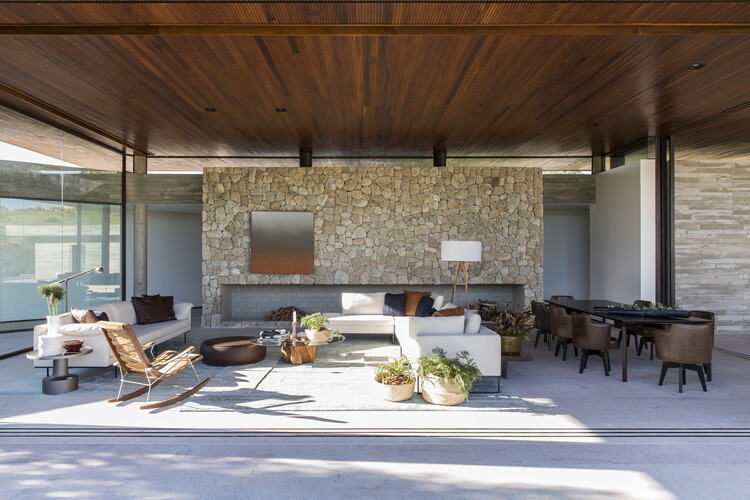
Ancient builders had deep knowledge about environmental conditions and the physical needs of humans in their search for shelter. Regardless of technological advances and the evolution of our perception of the world around us, this kind of knowledge and relationship with our surroundings can still be applied today and adapted to our current context. Natural stone, when used in architecture shows just that, as we explore its many different styles and applications.



.jpg?1637335441)


.jpg?1627401506)