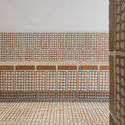
Flooring Patterns: Types and Examples Applied in Projects

Subscriber Access

The choice of finishes is crucial to a project's overall quality, both for its aesthetic impact and its budget implications. Often, designers opt for modular flooring—materials installed in individual pieces—which requires a clear layout logic. This article explores different flooring patterns and how they can be applied to various materials. 

Flooring Patterns: Types and Examples Applied in Projects - Image 2 of 22Flooring Patterns: Types and Examples Applied in Projects - Image 4 of 22Flooring Patterns: Types and Examples Applied in Projects - Image 8 of 22Flooring Patterns: Types and Examples Applied in Projects - Image 10 of 22Flooring Patterns: Types and Examples Applied in Projects - More Images+ 17

Floor coverings are finishes typically installed over a concrete slab or subfloor. They can be seamless, such as burnished concrete or epoxy, or modular, installed piece by piece using mortar or adhesive. Modular flooring can consist of cold materials—such as ceramic, porcelain, stone, or cement tiles—or warm materials, like wood, laminates, vinyl, and carpet. Because these pieces vary in size, their installation possibilities vary as well. 

Content Loader

Image gallery

See allShow less
About this author
Cite: Martino, Giovana. "Flooring Patterns: Types and Examples Applied in Projects" [Paginação de piso: tipos e exemplos aplicados em projetos] 06 Jul 2026. ArchDaily. (Trans. Baratto, Romullo) Accessed . <https://www.archdaily.com/1128030/flooring-patterns-types-and-examples-applied-in-projects> ISSN 0719-8884
Vila Mariana House / M Magalhães Estúdio. Image © Maíra Acayaba

地面铺装排版:类型与项目应用实例

You've started following your first account!

Did you know?

You'll now receive updates based on what you follow! Personalize your stream and start following your favorite authors, offices and users.