As another year comes to a close, the ArchDaily team gathers the highlights of architecture in a series of retrospectives reflecting on the content featured over the past twelve months. As part of this effort, our curation team turns its attention to one of the most popular categories among our readers, residential architecture, selecting the projects that represent the best of a vast global architectural production, as seen through the eyes of our audience.
ArchDaily's curation team strives daily to present our readers with the most significant, inspiring, and innovative projects, expanding the knowledge and repertoire of students and architects worldwide. From small renovations to projects designed from scratch, residential architecture is a constant in the daily practice of most firms. Year after year, we see the deep interest this typology sparks: it remains the most popular category among our audience.
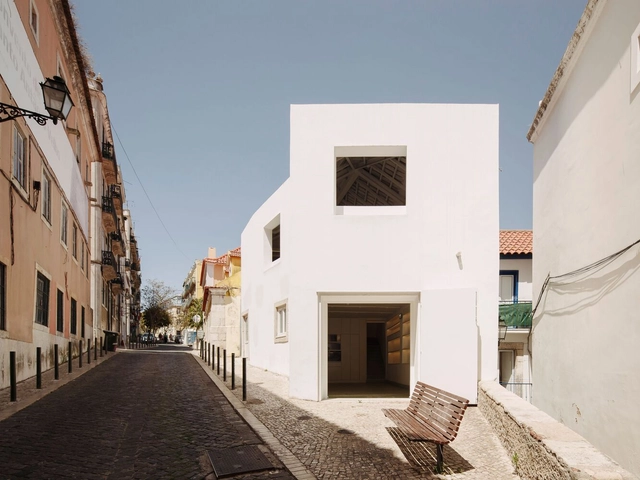
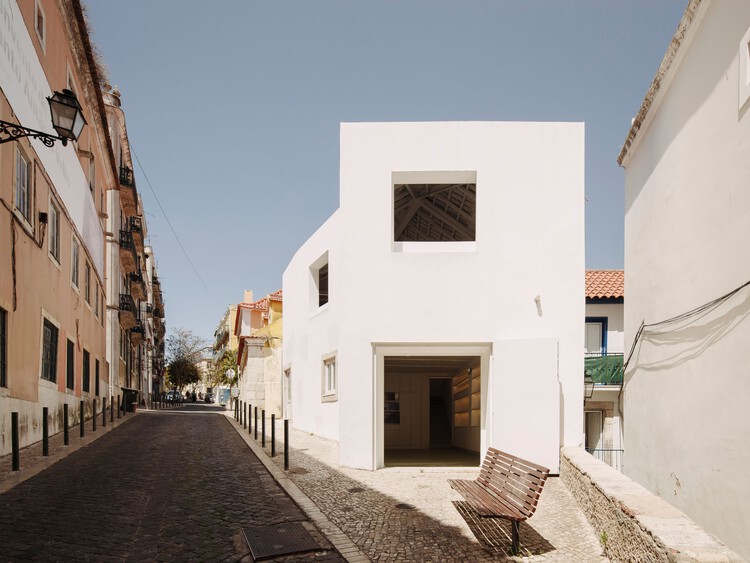
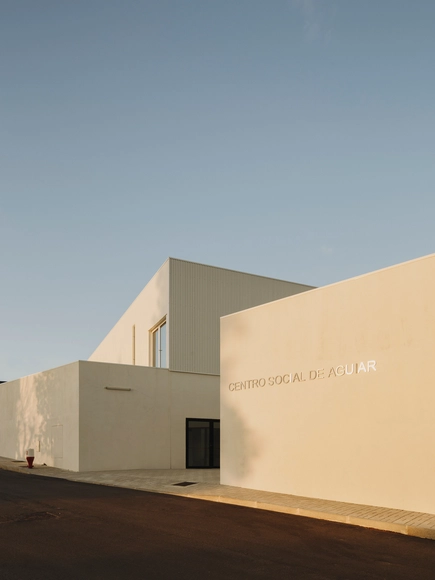
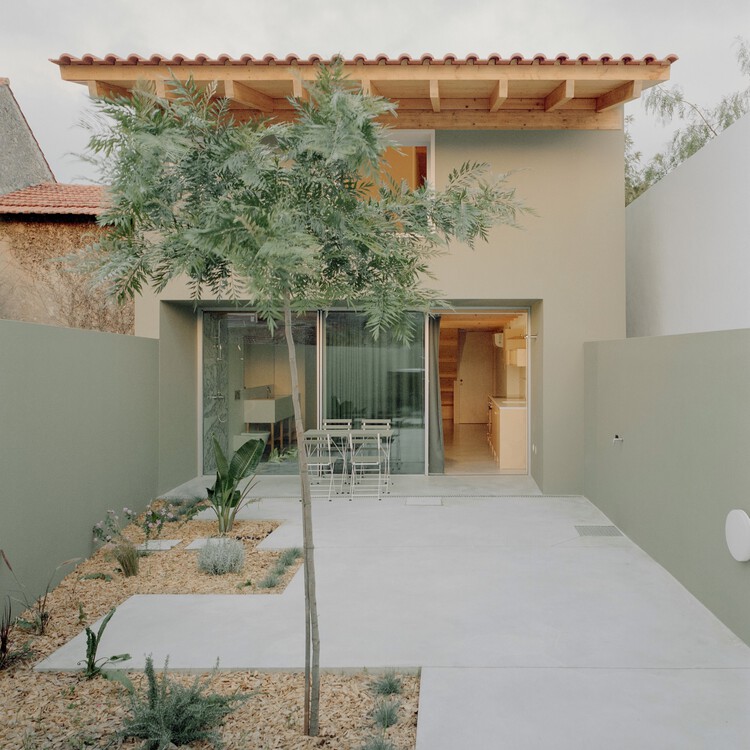
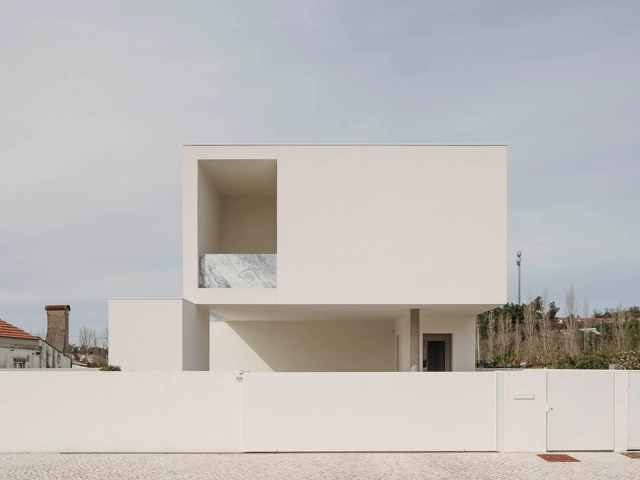
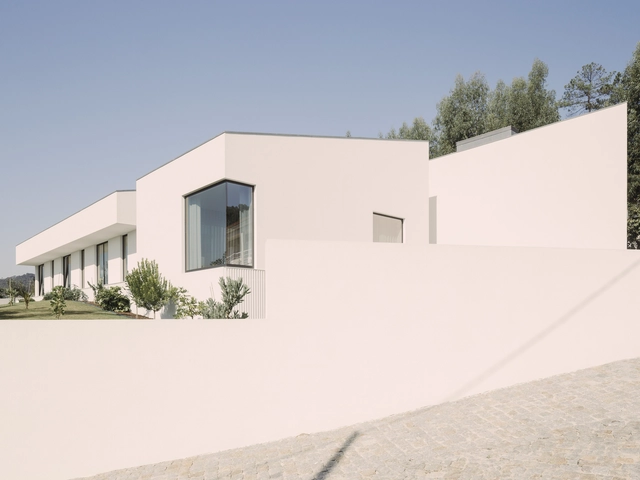
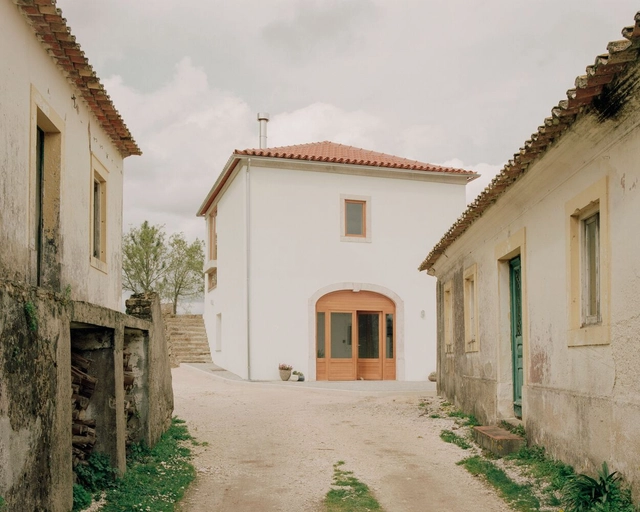
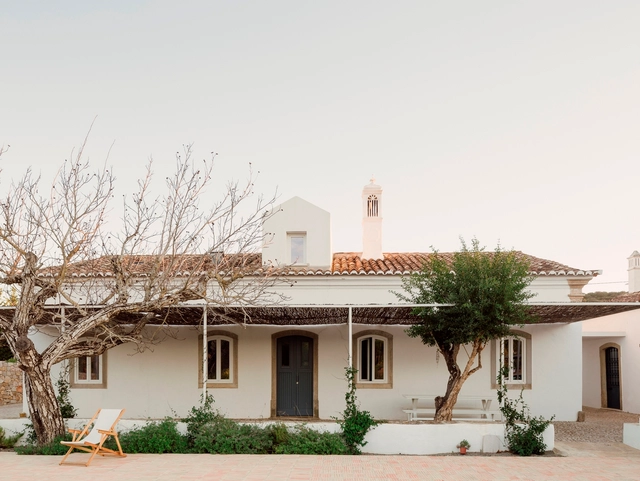
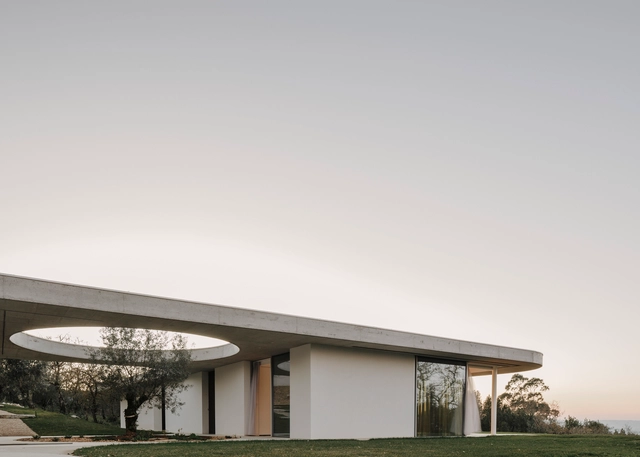
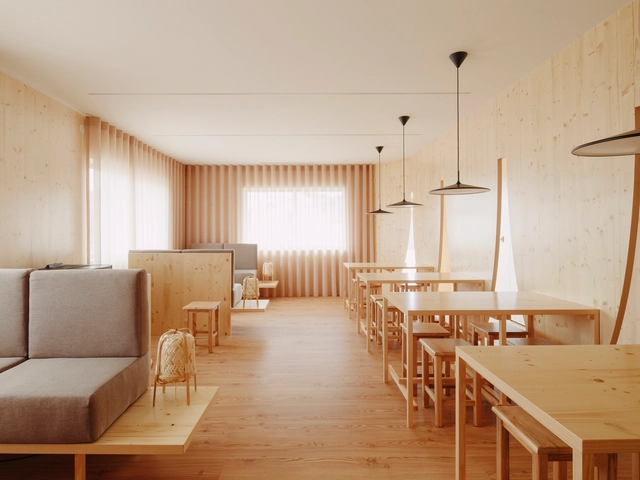
Marked by refinement and purity of design, Portuguese architecture historically maintains a sharp relationship between the built object and the territory in which it is situated.
Names like Álvaro Siza Vieira, Eduardo Souto de Moura, and Fernando Távora remain the primary references when considering Portuguese architectural production. However, beyond these great masters, a group of young firms established over the last ten years has demonstrated strength and relevance in shaping this new output. In this landscape, new attributes are emphasized: an aesthetic and constructive sensibility rooted in modern minimalism—yet questioned and renewed in accordance with contemporary social and philosophical parameters; the merging of hybrid fields, from art and product design to architecture and urbanism; and an increasingly collaborative process based on collective ideas.
AI Generated Image (Gemini). Concept by Eduardo Souza (ArchDaily)
Few plants have accompanied humanity as closely as cannabis. Used for millennia to make textiles, paper, and medicines, it has quietly shaped everyday life and built environments alike. Hemp, its non-psychoactive variety, is one of the earliest cultivated crops and a material of remarkable versatility: strong, breathable, and renewable. From ropes and sails to insulation and biocomposites, hemp’s fibers have been helping humans build for thousands of years.
As the year culminates, it's once again time for the ArchDaily team of curators to reflect on the best-performing projects of 2025 and consider what readers were most interested in. Through this diverse overview, we assess the cross-continental similarities and differences in trends and construction development. This year brought us many grand cultural and public spaces by Lina Ghotmeh, BIG, Zaha Hadid Architects, DnA, and Serie Architects, who populated events like Expo Osaka and the Venice Biennale, as well as a surprising number of museums and public or landscape works in China and the rest of the Asian continent. However, while these were sought-after projects, the leading works remained, unsurprisingly, residential projects.
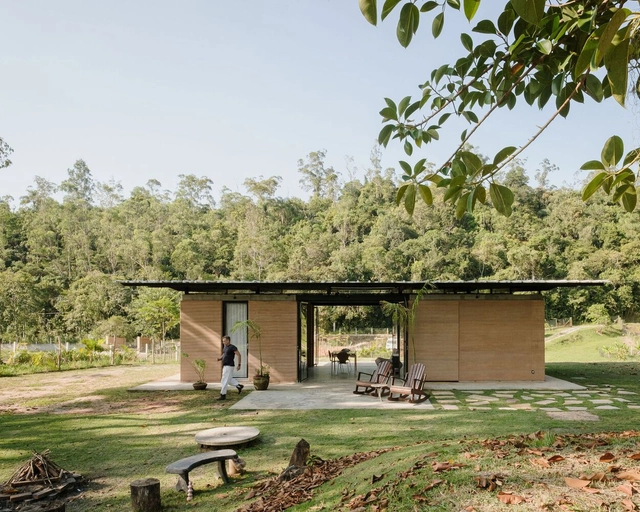
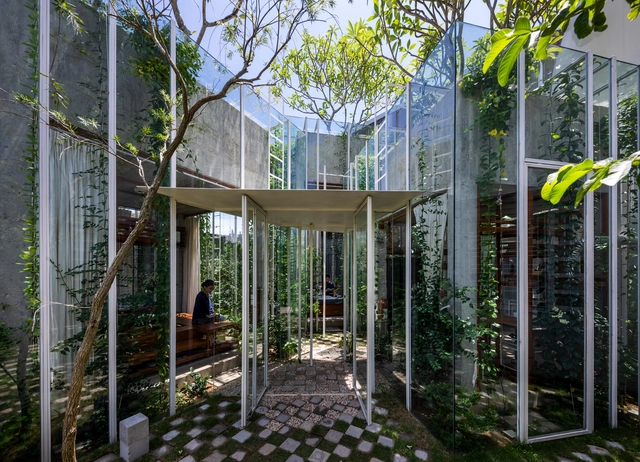
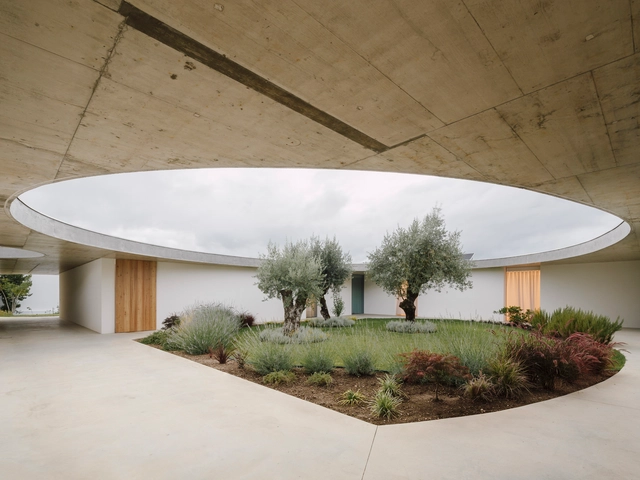
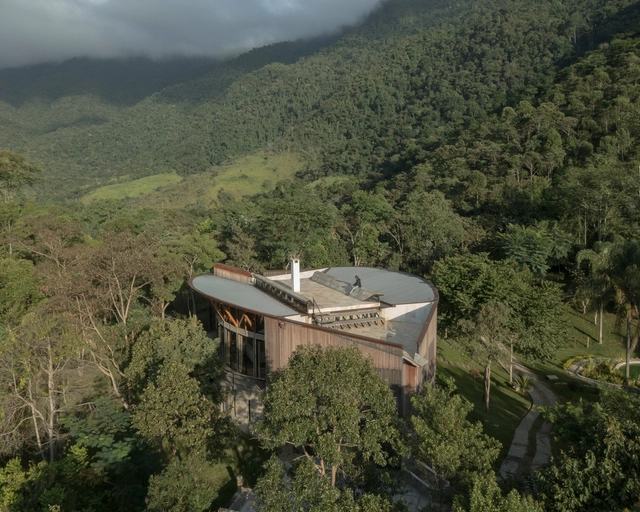
More specifically, the houses that were most viewed on the ArchDaily global site were concrete houses that bore considerable injections of greenery and landscape focus. They propose layouts highlighting voids and double heights, as well as inner courtyards or large openings to the exterior. While some references did suggest traditional or vernacular elements, modernist revivals were still predominant. Material trends are much more tame, with a recurrence of raw concrete use, as wood and stone were common accent elements. Still, the more interesting thing about the works this year is the efforts brought by architects in situating and setting the projects within their surroundings, bringing special attention to landscape and how projects merged with nature.