


-
Architects: celoria Architects
- Area: 350 m²
- Year: 2020
-
Manufacturers: BORA, Flaminia, swisspor
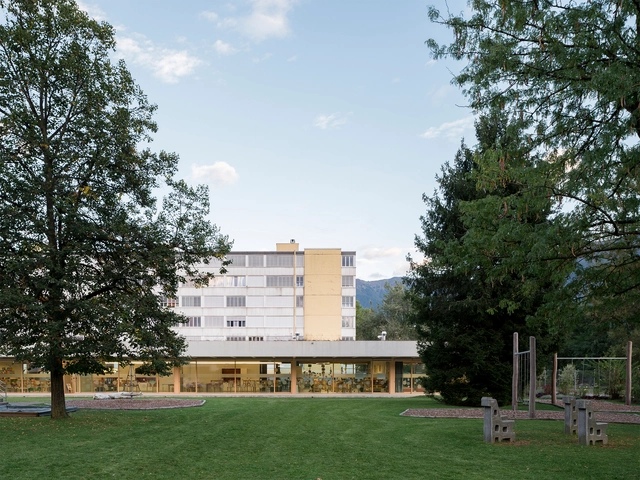
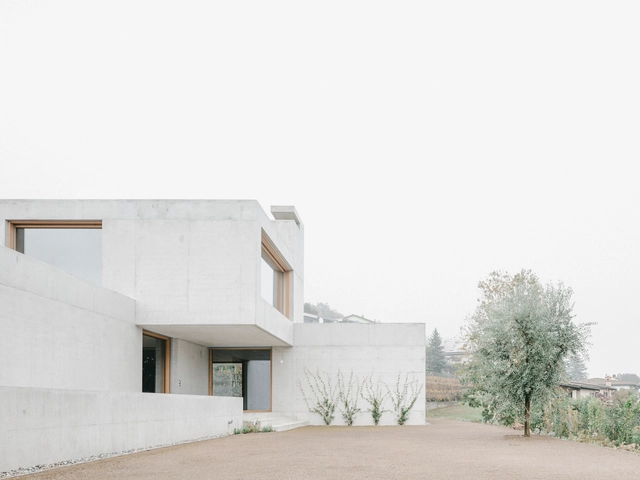
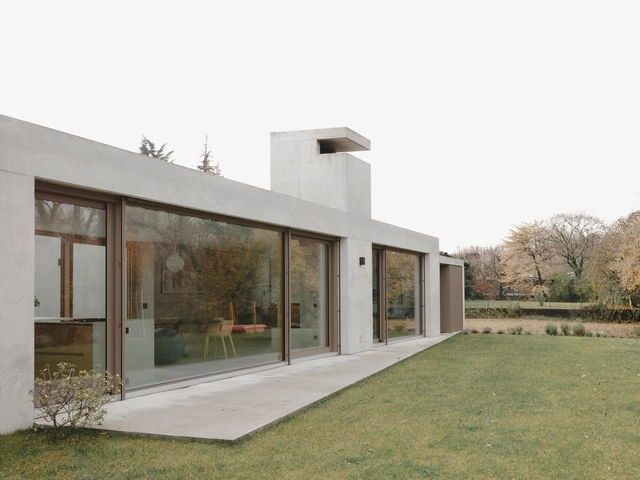
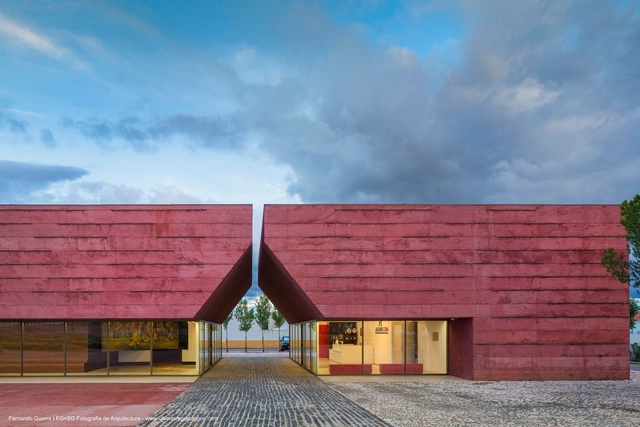
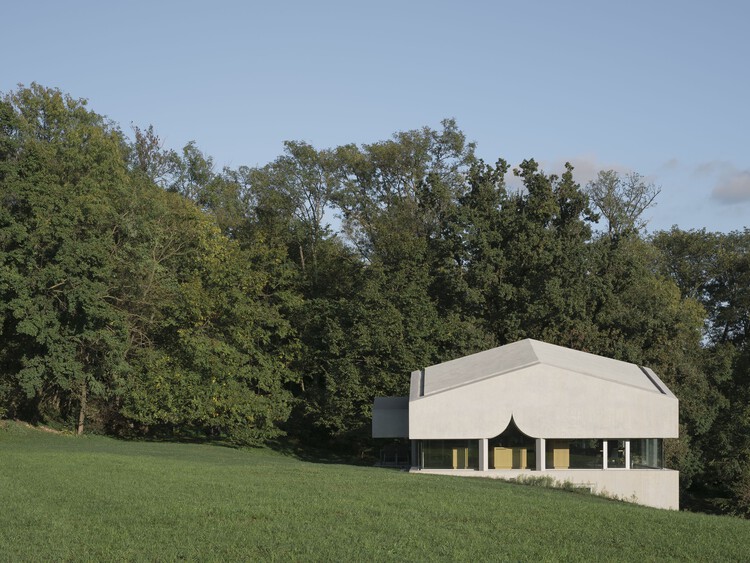
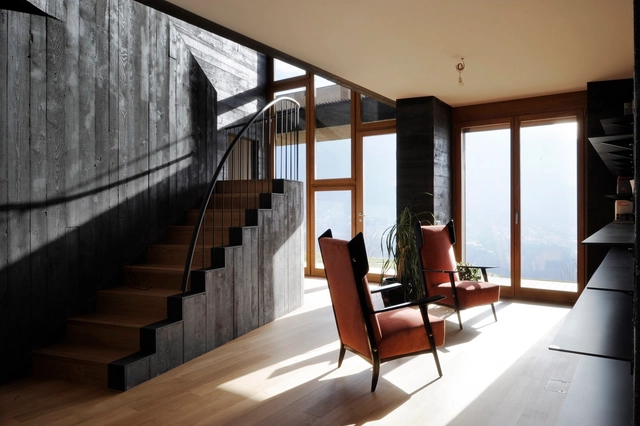
When we think of concrete, the color gray generally comes to mind. The traditional mixture of concrete, which comprises cement, gravel, sand, and water may vary in color depending on elements and admixtures but naturally varies from light to dark gray. However, compounds that add pigment to the mixture are becoming increasingly prevalent and popular, as they infuse the concrete with hues more stable than paint. These shades result from the addition of oxides: yellow, red and their derivations (eg. brown) are obtained with the addition of iron oxide; chromium and cobalt oxide create the greens and blues, respectively. For black concrete, it is common to use black iron oxide and carbon oxide combined with pozzolanic cement.
.jpg?1579232384&format=webp&width=640&height=580)
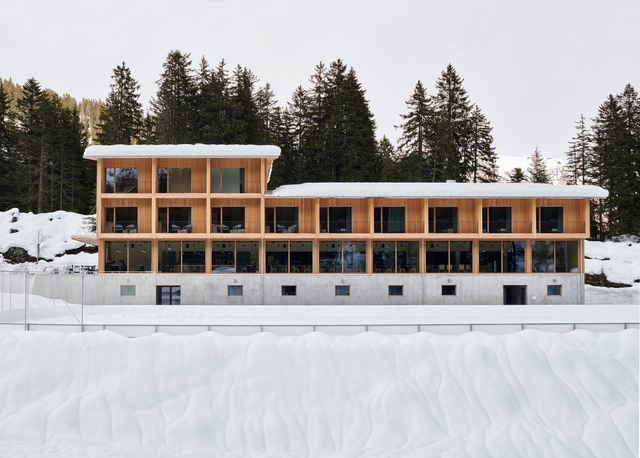
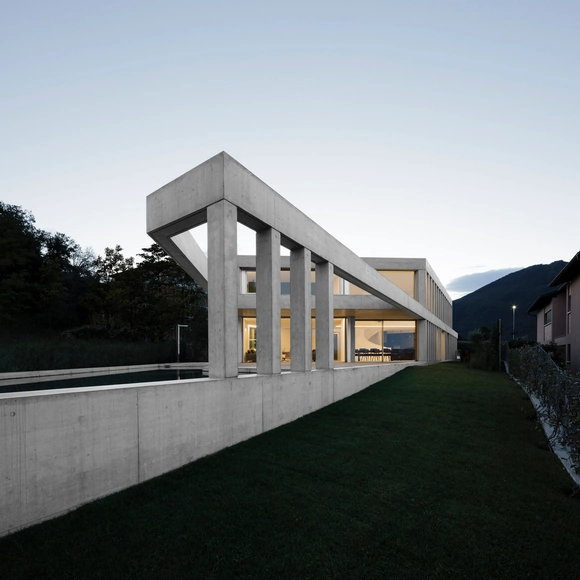
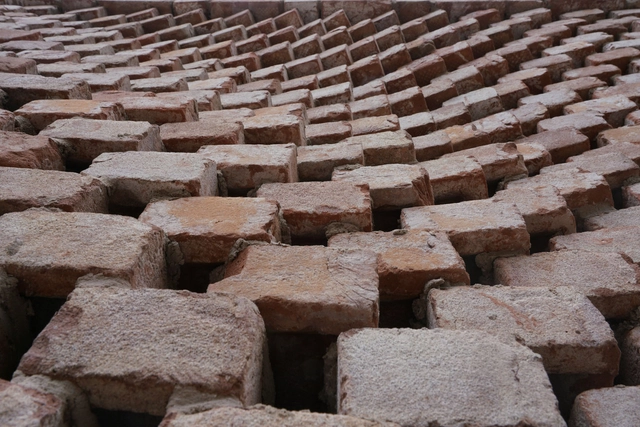
Being up to date with new technologies, understanding the best solutions for each project, and knowing the products present in the market and those that will be used in the future. We have observed that these themes arouse great interest in the architects, students, and architecture lovers who visit our site every day. In 2019, ArchDaily began to focus more on materials, covering products, construction techniques, and raw materials in general. The year is coming to an end, so we have compiled the most viewed articles on these topics, trying to understand what they imply for the present and where they will take us in the coming years.
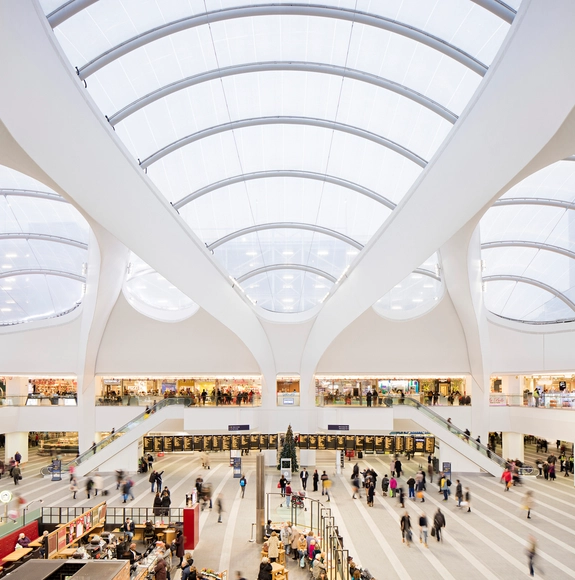
Alejandro Zaera-Polo (born October 17th 1963) is an internationally recognized architect and scholar, and founder of London, Zurich, and Princeton-based firm Alejandro Zaera-Polo & Maider Llaguno Architecture (AZPML). First rising to prominence in the 1980s with his writings for publications such as El Croquis, Zaera-Polo has had a prolific career in both the academic and professional realms of architecture.

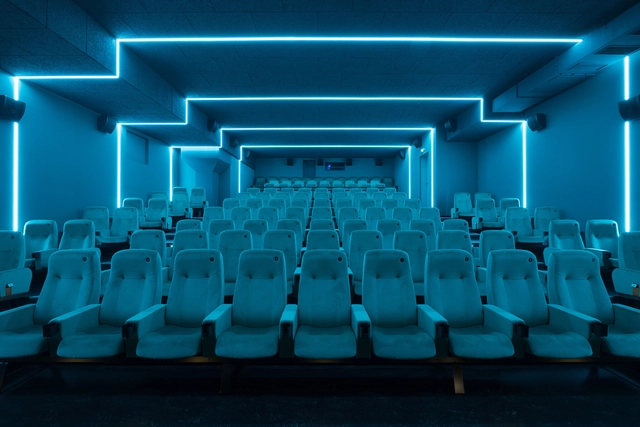
The link between architecture and cinema is unquestionable, as is the magic of seeing a film in a place structured specifically for this contemplative activity. The design requires architectural solutions that not only respond to the distribution of seats and visibility of movie-goers but also to acoustics and lighting.
Various projects published on our site highlight how architects have responded to this challenge in innovative ways. Below, stunning 10 movie theaters with their plans and drawings.
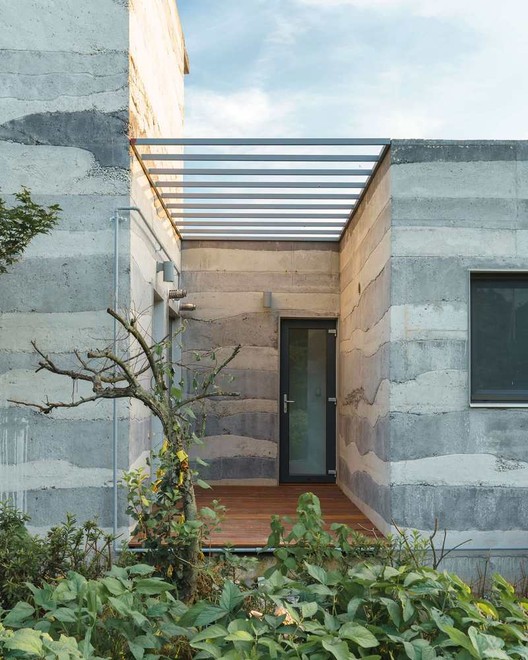
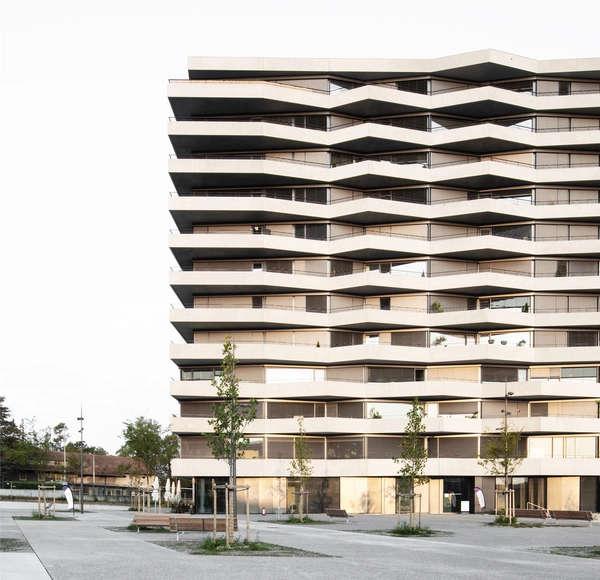
Of all construction materials, concrete is perhaps the one that allows the greatest diversity of finishes and textures. The mixture of its ingredients, the shape and texture of the formwork, and the pigmentation of the materials all offer the opportunity to achieve an interesting design. This week we've prepared a selection of 10 inspiring images of innovative concrete, taken by renowned photographers such as Gonzalo Viramonte, Song Yousub, and Ana Cecilia Garza Villarreal.

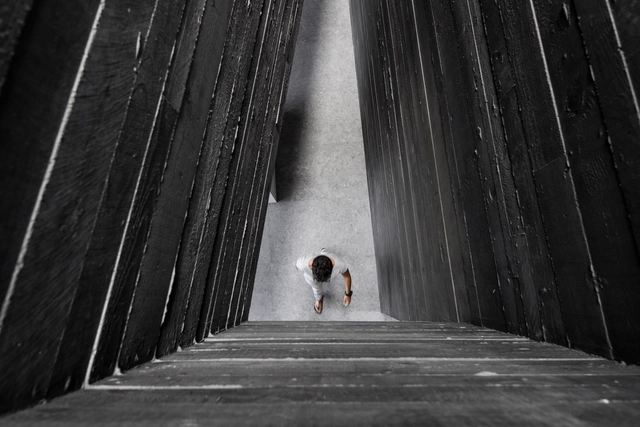
What makes the color black so enticing for architects? Projects made in black concrete are both striking and complex in their design and are gaining widespread appeal in contemporary projects, both public and private. What we don’t know is just how hard it is to create black concrete in the first place. We spoke with Attilio Panzeri & Partners who have mastered the craft - and here’s what we learned:


.jpg?1579239427&format=webp&width=230&height=230&crop=true)
.jpg?1579241988&format=webp&width=230&height=230&crop=true)
.jpg?1579241814&format=webp&width=230&height=230&crop=true)
.jpg?1579241164&format=webp&width=230&height=230&crop=true)
.jpg?1579232384)


