-
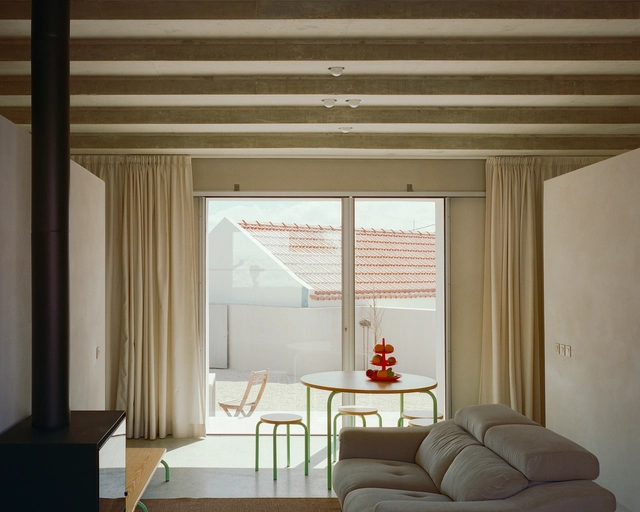
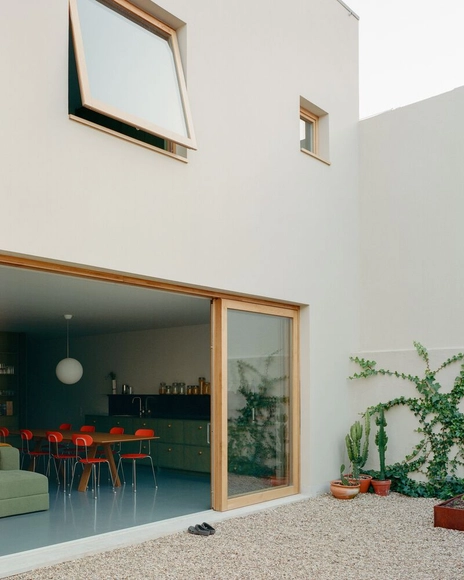
Architects: corpo atelier
- Area: 360 m²
- Year: 2026

Since the 2008 crash, a scatter of small practices (none more than fifteen years old and none large enough to need a manifesto in the traditional sense) have arrived, independently of one another, at some version of the same refusal: to sound too certain, too soon, in a discipline that had spent the previous decade selling confidence as a finish. They would probably resist being filed under one heading, but the coincidence itself is that something about practising architecture after 2008 made innocence look like the only posture worth trying.
At least from 2019 onwards, Fala has circulated a two-word description of itself, repeated verbatim across dozens of architecture outlets: a "naïve architecture practice." No footnote, no irony, just an office, founded in 2013, that built a decade of houses, birdhouses and institutional commissions on a term architecture had spent a century trying to outgrow. The question the phrase raises is not whether the buildings are any good (as they generally are) but what it means for a practice to choose innocence as a public position. Where does post-irony end and marketing begin?

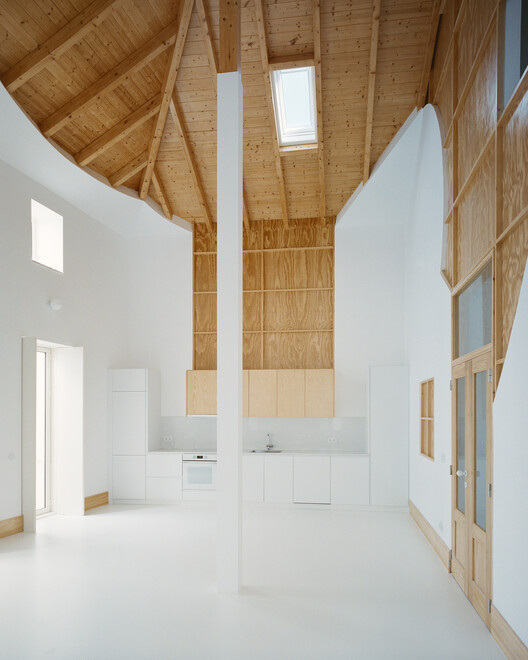
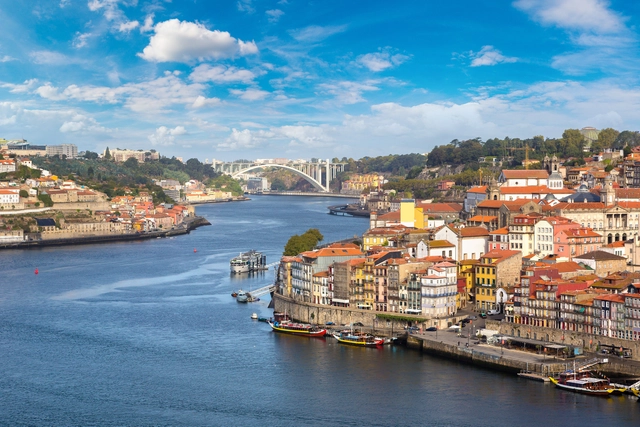
Porto, Portugal's second-largest city, is a captivating blend of historical charm and contemporary innovation. Perched along the Douro River, this UNESCO World Heritage site boasts a rich architectural tapestry that spans centuries. Porto's urban landscape is a testament to its evolving identity from its medieval Ribeira district with narrow cobblestone streets to the iconic Luís I Bridge. The city's skyline is punctuated by Baroque churches, neoclassical palaces, and modernist structures, creating a visually striking contrast that reflects its dynamic history.
Porto has undergone a remarkable architectural renaissance in recent years, becoming a magnet for local and international talent. The city has evolved into a dynamic canvas where bold contemporary designs seamlessly integrate with its rich historical fabric. The influence of renowned architects like Álvaro Siza Vieira and Eduardo Souto de Moura, both Pritzker Prize laureates and native to Porto, has solidified the city's status as a key player on the global architectural stage. Among the city's most striking contemporary landmarks is the Casa da Música, a futuristic, diamond-shaped cultural center designed by Dutch architect Rem Koolhaas, which stands as a testament to Porto's forward-thinking spirit. This sophisticated blend of tradition and modernity, coupled with a strong commitment to urban regeneration, has transformed Porto into a vibrant hub of architectural innovation, making it a must-visit destination for architecture enthusiasts and cultural explorers