

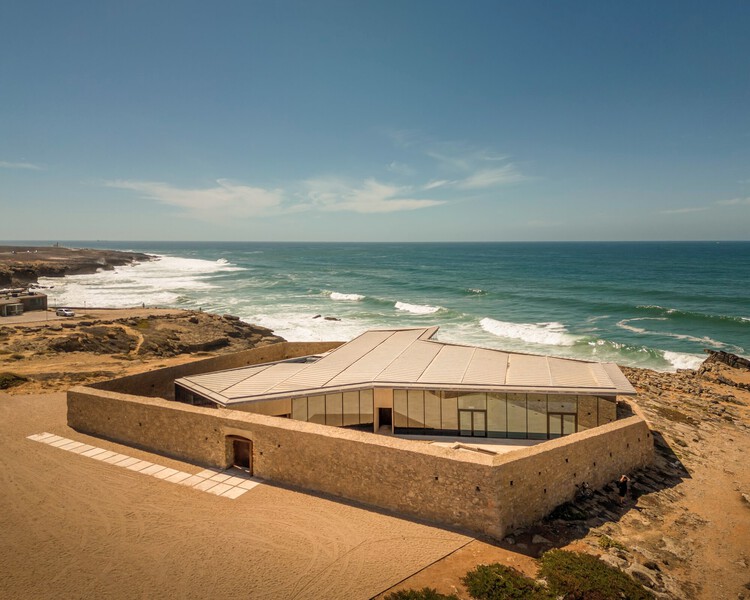
-
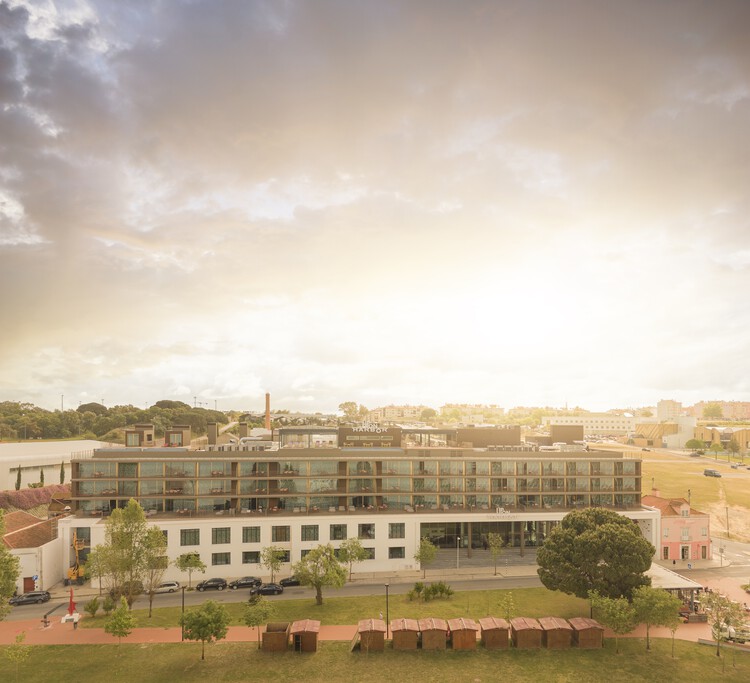
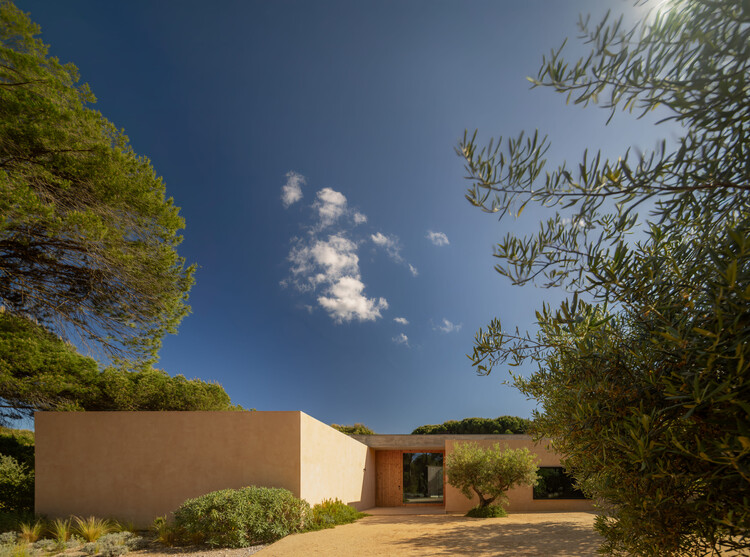
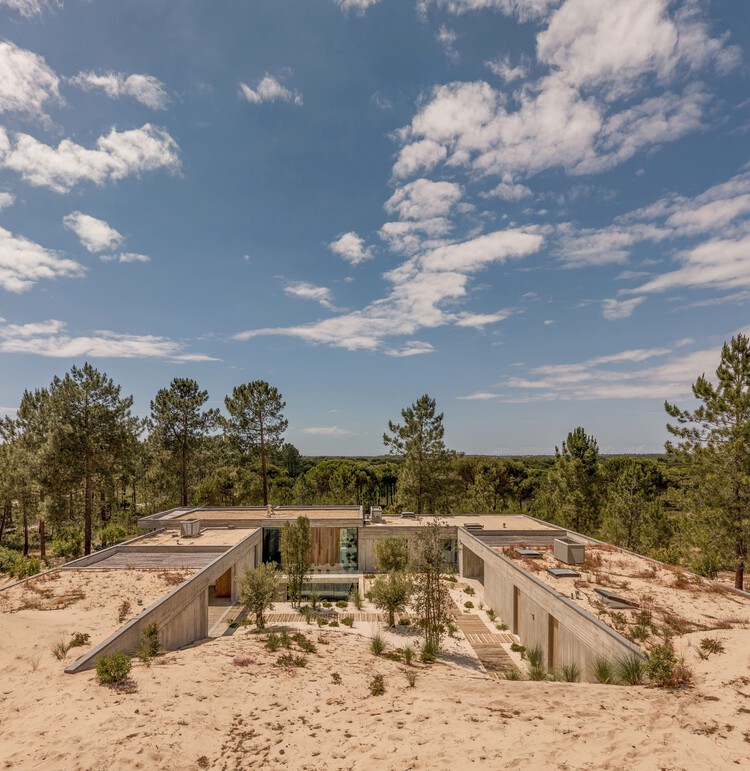
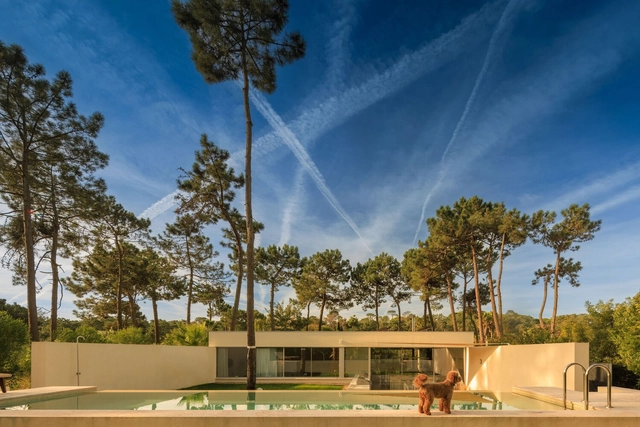
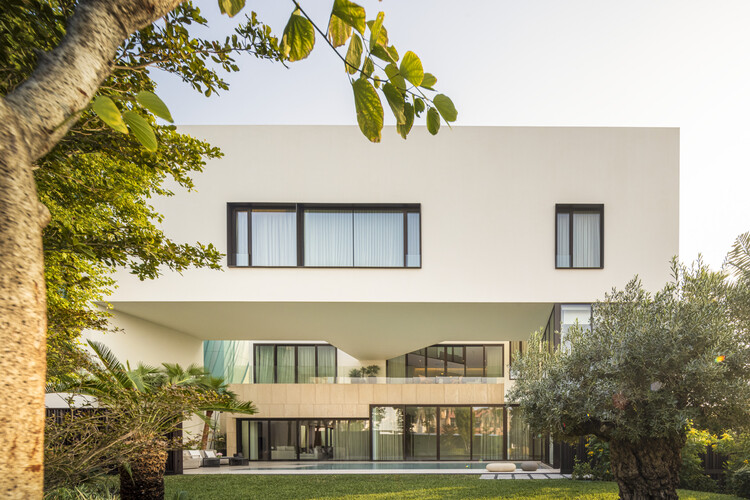
Architects: barbiniarquitectos
- Area: 1400 m²
- Year: 2021


Portuguese architect João Luís Carrilho da Graça has been unanimously selected as the winner of the inaugural Leon Battista Alberti Architecture Prize, awarded by the Leon Battista Alberti Center for Studies Foundation, named after the prominent Renaissance architect and art theorist.
Carrilho da Graça, who heads the eponymous firm Carrilho da Graça Arquitectos, is known for major projects in Portugal and other European countries, such as the Lisbon Cruise Terminal, the Theater in Poitiers, and the Orient Museum.

Portugal will be home to another project designed by Álvaro Siza. The renowned Portuguese architect was invited by the authorities of Oleiros to design the revitalization of the Miradouro do Zebro, a prominent tourist attraction located in the country's central region.
Budgeted at two million euros, the revitalization project will also feature the construction of a suspension bridge connecting Oleiros, Pampilhosa da Serra, and Fundão.
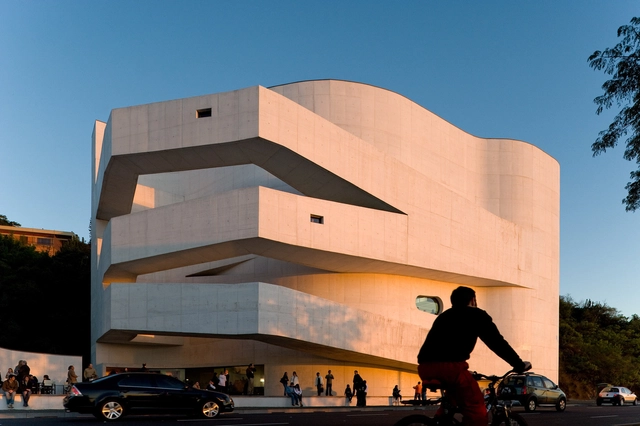
Porto Alegre will host the 21st Brazilian Congress of Architects in October 2019. Organized by the Institute of Architects of Brazil, the event will serve as a preparatory meeting for the 27th World Congress of Architects (UIA2020RIO), which will take place in Rio de Janeiro in 2020. The theme of this edition is Space and Democracy.
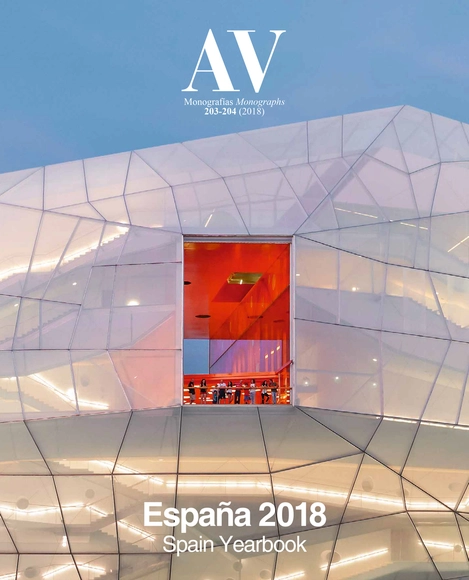
The publisher Arquitectura Viva recently released the monograph 'España 2018'. As it has every year since 1993, the AV Monographs Yearbook brings together, in a double volume, the best buildings completed in Spain over the past twelve months: a selection of 24 projects that provide an overview of the country's most recent architecture, taking stock of its characteristically high quality despite the crisis still affecting the sector.


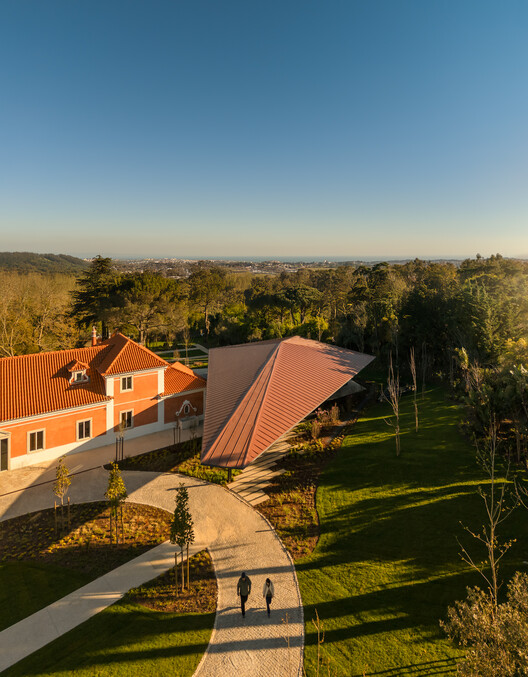

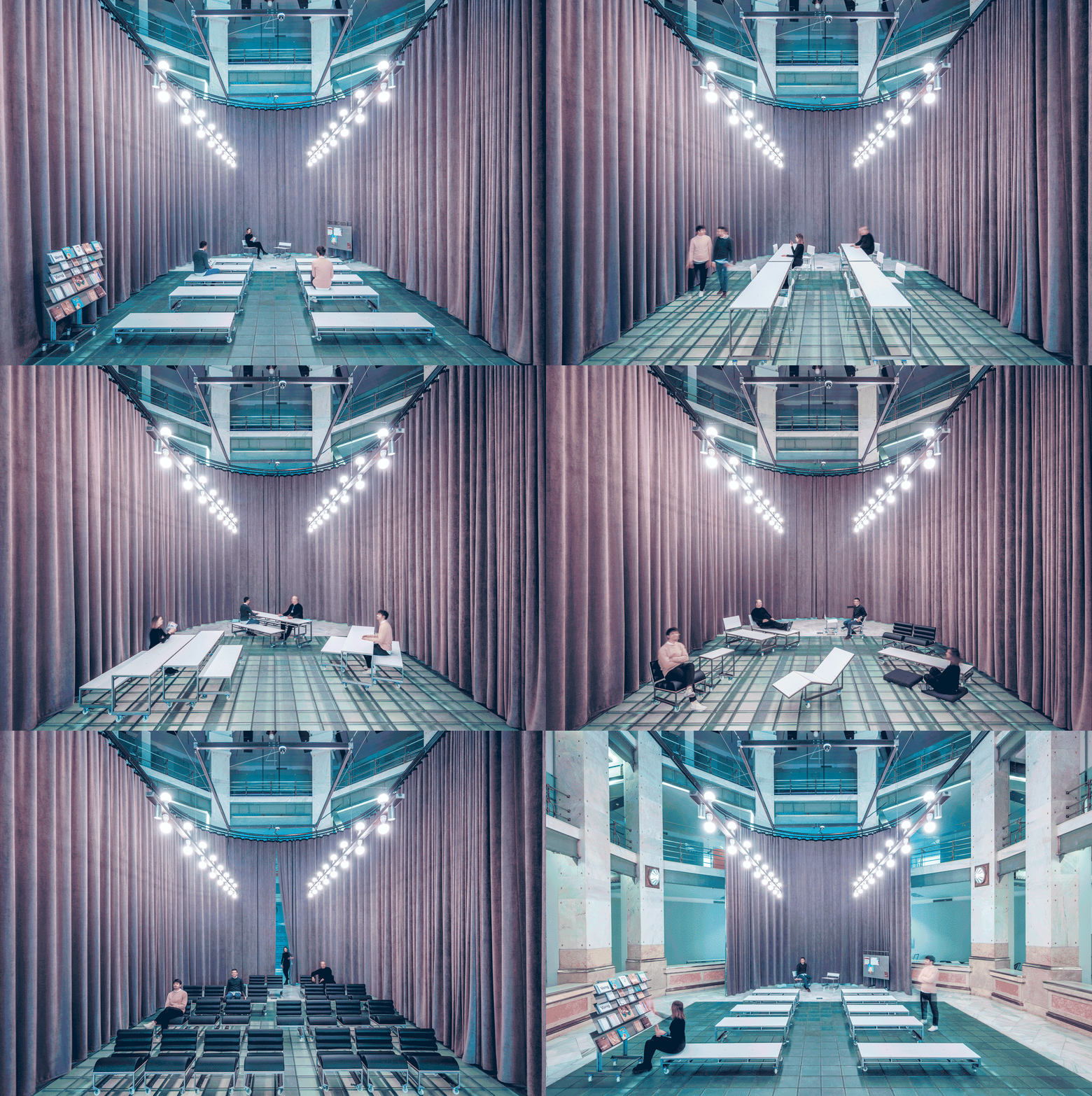
Innovation is at the core of architecture, expressed through new approaches to design, material experimentation, and, of course, ways of living. As a result, the conception of buildings and indoor spaces is constantly evolving. This evolution is especially evident in regions with a rich cultural heritage, such as Spain, where innovation reinterprets traditional ways of relating to space. This attentiveness to memory and daily life extends into interiors, where each intervention has the potential to actively reshape how people experience a space and open new possibilities for living and interaction.
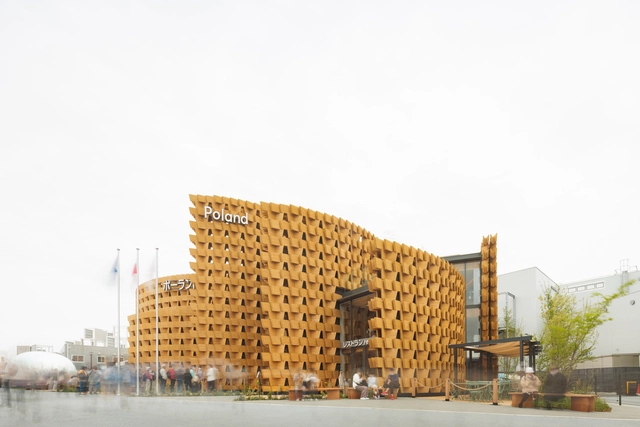

Architecture is shaped as much by the materiality of physical spaces as by how they are perceived, discussed, and recorded. Architectural discourse, along with its mediation and representation, is inseparable from the act of design, as it defines a project's reach and longevity over time.
Driven by this understanding, Vestigare Agency emerged not only as a social media agency tailored to architecture and design, but also as a platform for architectural curation and a bridge between architects and the wider public. Founded and led by Luiza Giurni, the platform has established itself as a new communication vehicle in contemporary architecture. Among its various partnerships, it highlights a collective effort built on collaboration with female architects.
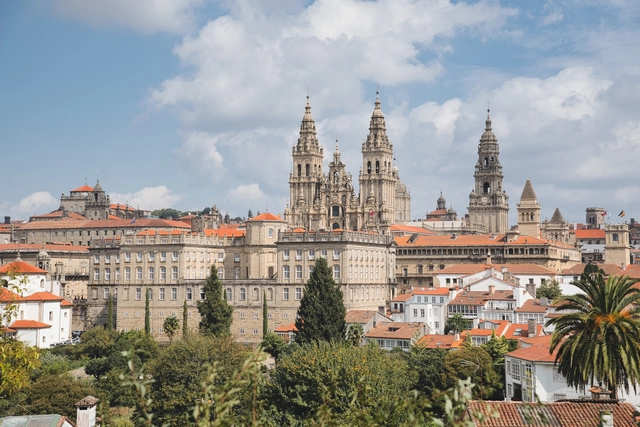
Santiago de Compostela, located in northwestern Spain, is celebrated worldwide as the final destination of the historic Camino de Santiago pilgrimage. The city's architectural identity is deeply rooted in its UNESCO World Heritage-listed historic center, where Romanesque, Gothic, and Baroque styles converge. Iconic landmarks like the Santiago de Compostela Cathedral and its surrounding plazas embody Spain's rich cultural and spiritual legacy, forming the heart of this timeless urban fabric.
In recent decades, Santiago has evolved into a hub for contemporary architectural exploration, blending its historic charm with modern interventions. Projects such as Eisenman Architects' City of Culture reflect an ambitious dialogue between avant-garde design and Galicia's natural landscape. Complementing this are works by Álvaro Siza Vieira, Arata Isozaki, Francisco Mangado, and other renowned architects, who incorporate local materials and forms into forward-thinking designs. Together, these works position Santiago de Compostela as a dynamic architectural destination within Spain's broader cultural narrative.