-
Architects: Grupo Culata Jovái
- Area: 80 m²
- Year: 2018
-
Manufacturers: Portobello
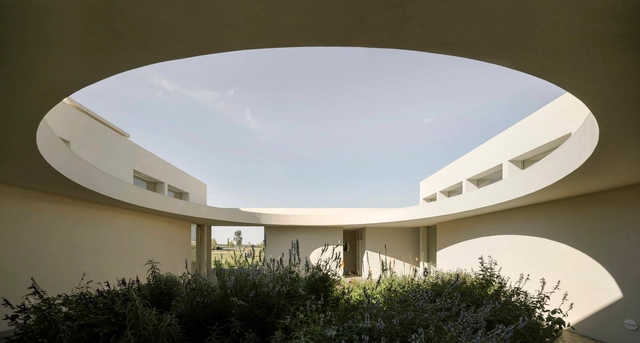


A cada ano, a equipe de Curadoria de Projetos do ArchDaily rememora a vasta gama de obras publicadas ao longo desse período, apresentando retrospectivas que permitem não apenas identificar tendências e variações na produção arquitetônica, mas também reconhecer de que forma impactam a nossa audiência. No ArchDaily Brasil, a seleção anual de melhores casas – que ano após ano, segue permanecendo como nossa categoria de projeto mais popular – representa uma amostra das variadas soluções, estratégias, técnicas e materiais encontrados na arquitetura residencial dos países de língua portuguesa.


With the rise of social media, we have entered an era of a multimedia "society of the spectacle," where the influence of images on the public grows year by year. Visually-driven media platforms are increasingly dominating the market, serving as an alternative form of travel that allows people to experience breathtaking scenes from around the world without leaving home. Dedicated to bringing design inspiration to the public, ArchDaily established its presence on Instagram years ago. In 2022, we expanded onto China’s Xiaohongshu (RED), hoping to share exceptional projects with a broader audience. As expected, the influence of star architects remains strong, while playfulness, aesthetics, and relevance emerge as key terms guiding reader interest. Here, we present the top 20 most-liked architectural projects of 2022 on ArchDaily’s official Xiaohongshu and Instagram accounts. Read on to discover the public's architectural preferences.


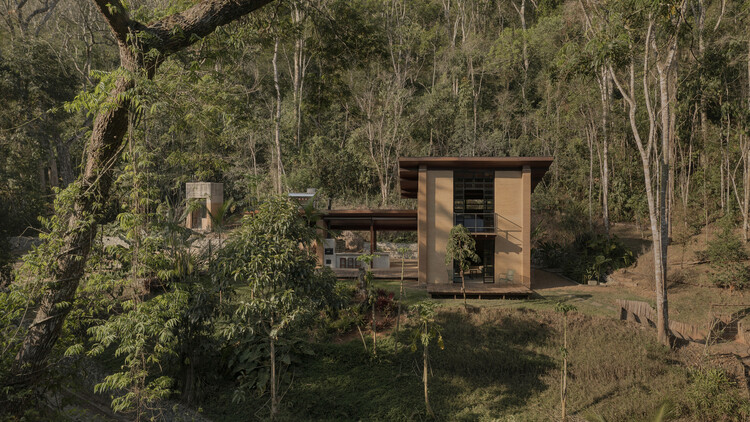
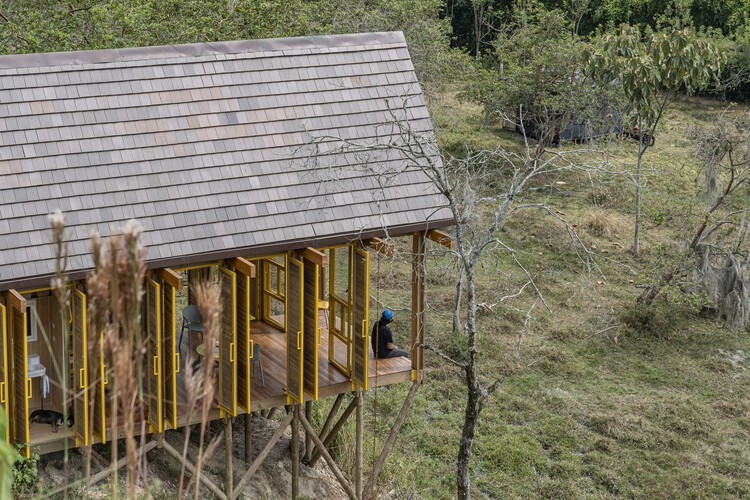
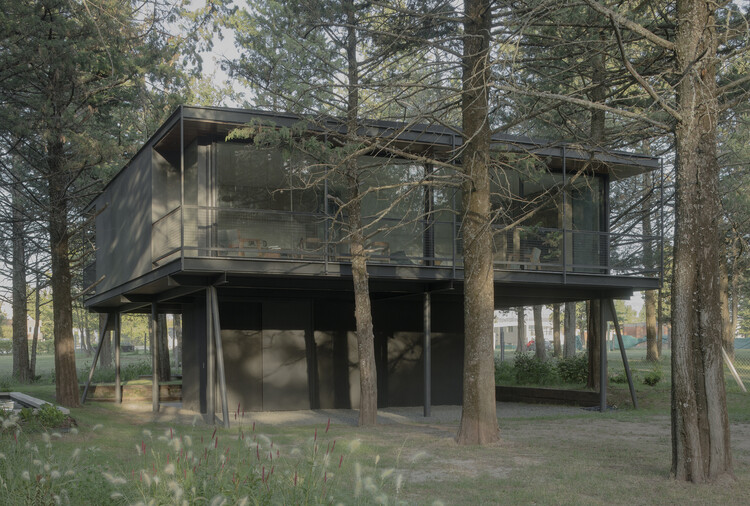
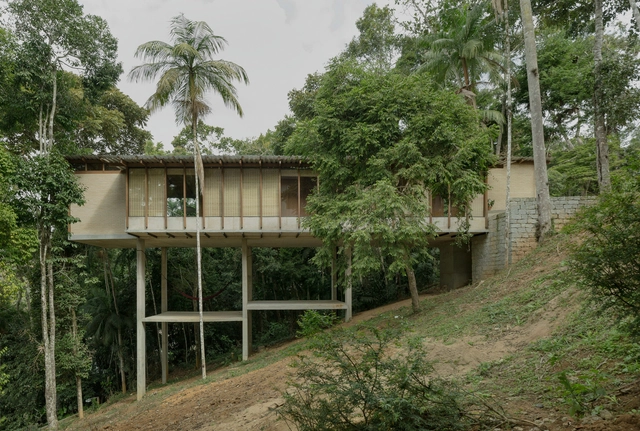
In Latin America, the ground is rarely just a surface to build on. It can be a river edge, a steep slope, a humid forest floor, a floodable landscape, or a territory under ecological pressure, and in many cases, it carries a history of communities that already knew how to respond to it, building on stilts, on platforms, over water, long before contemporary architecture asked the same questions.
These projects continue that conversation. They engage with conditions that move, absorb, erode, and grow, rather than treating the ground as something to level or control. Elevation allows architecture to adapt without fully taking over: water can pass below, vegetation can remain, and slopes can keep their original condition. In each case, the decision to rise is tied to something specific: water, humidity, topography, vegetation, or ecological recovery, and the knowledge of how to build within it and not against it.


Across South America, architecture endures through the materials it uses, those that persist over time. Bamboo, brick, wood, and concrete appear across regions, connecting climate, labor, and culture in ways that ensure their persistence through generations. Their continuity does not depend solely on preservation or heritage. It depends on use.
In this context, cultural memory does not reside primarily in monuments or images, but in practice. It survives in repeated gestures: laying bricks, tying guadua joints, assembling wood frames, casting slabs that anticipate another floor. These actions are transmitted less through manuals than through participation. Over time, they form systems of knowledge embedded in habit and necessity. Materials endure not because they symbolize the past, but because they continue to work.


Two weeks and over 85,000 nominations later, the finalists of this year's Building of the Year Awards are in. The selection is much like the ArchDaily audience that chose it: diverse in geography, generous in ideas, and precise in intent. With projects from 46 countries, in a variety of typologies and scales, they present a beautiful snapshot of the current architectural moment.
We invite you to sit back, browse, and vote for your ultimate favorites. Below, you will find all of the 75 finalists in their respective categories. Voting is open until February 18th at 18:00 EST. Thank you—your participation is key to making this the world's largest community-driven architecture award.