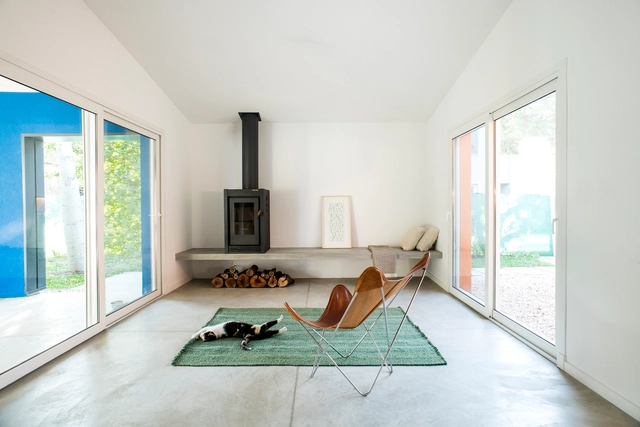
Originating as protection against low temperatures around 3,500 years ago, carpets and rugs have, over time, evolved into a true art form, reaching a high level of specialization by the 16th century. Rugs, carpets, and tapestries of various shapes, colors, textures, and patterns are integrated into different areas of the home to meet users' needs and enhance spatial comfort, sometimes extending far beyond their original purpose.
The Pan-American Architecture Biennial of Quito (BAQ2022) will take place at the Casa de la Cultura Ecuatoriana until November 18. Organized by the Colegio de Arquitectos del Ecuador, Provincial de Pichincha (CAE-P), the biennial has been held since 1978, aiming to foster dialogue, exchange, and reflection on architecture and the contemporary city. This edition's theme, "Inflexions: Looking Back," aims to provide a space for discussion and debate on architecture surrounding turning points in history.
This book serves as the most comprehensive testament to the world of Milton Barragán Dumet as an architect. His architecture, which addresses timeless human themes, is considered among the most significant in Ecuador and Latin America. It acts as a visible and tangible link to the identity, symbolic creation, and unique aesthetic of its architect, as well as his vision of the city.
In a conversation for the third edition of Revista CLEA—an annual publication of the Latin American Coordinator of Architecture Students (CLEA)—Ecuadorian architect María Augusta Hermida explores the capacity to decolonize spaces and cities today.
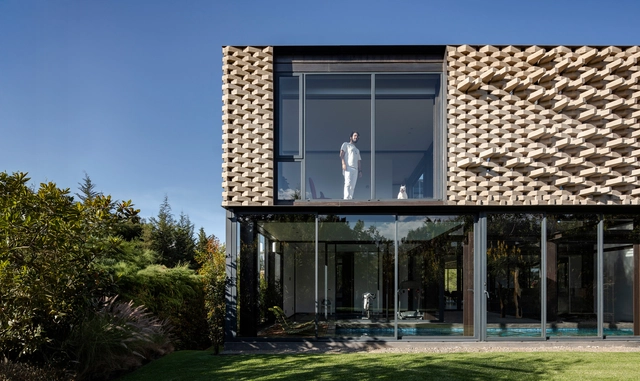
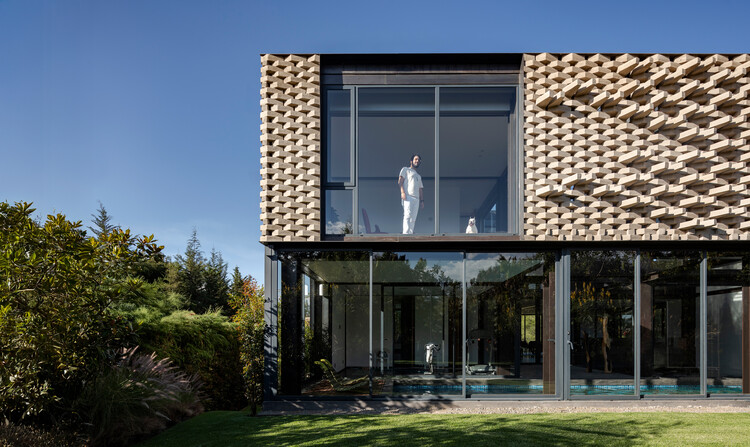
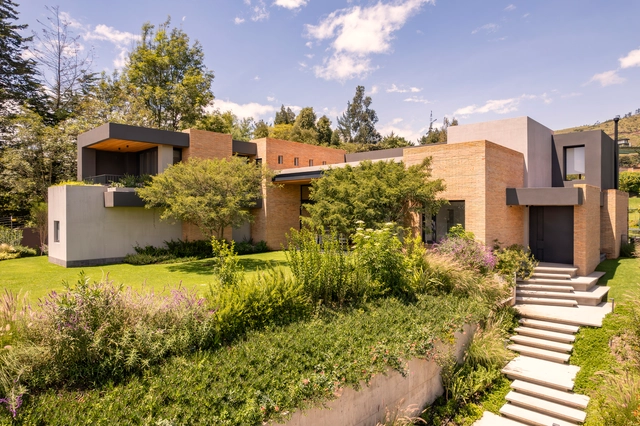
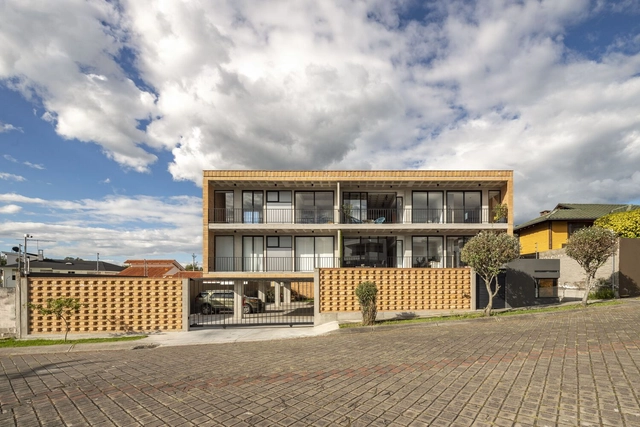
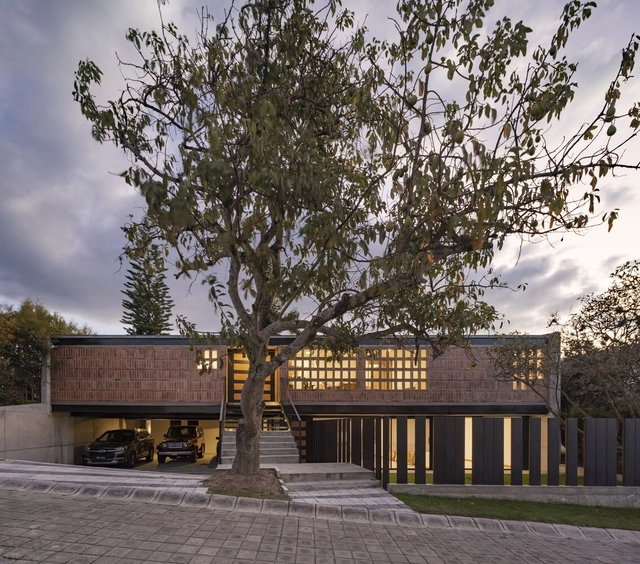
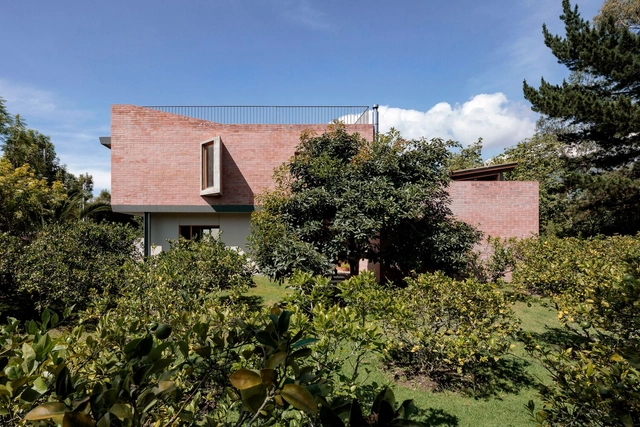
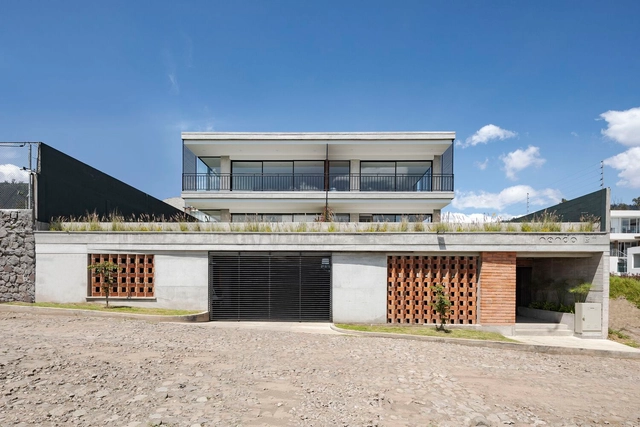
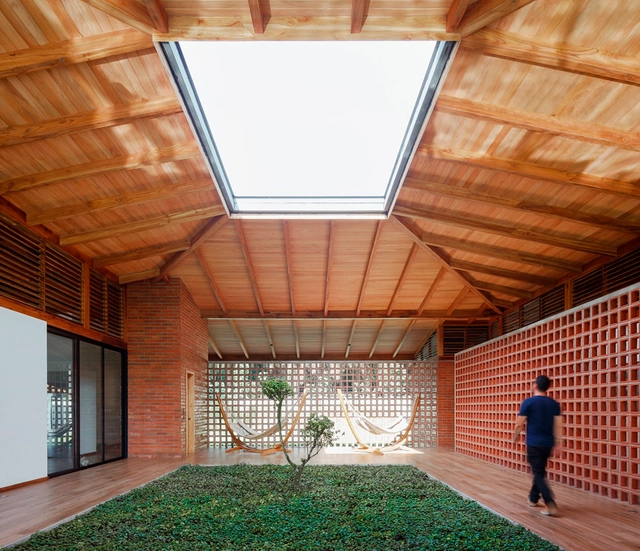
Brick stands as one of the defining materials of Latin American architectural culture. The diversity and versatility of this masonry unit have led to a wide array of uses and applications. Whether chosen for economic or aesthetic reasons, exposed brick—left unfinished and without exterior cladding—is widely used across the region's designs, showcasing the rich textures and tones inherent to the material.
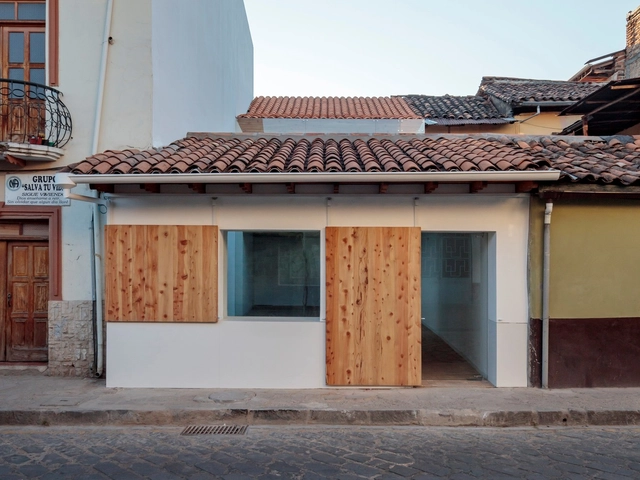
This year's selection of Best Latin American Houses brings together both renovations and ground-up projects, covering reinterpretations of local construction techniques and innovative architectural responses. The works are set in a wide range of contexts, from dense urban environments to rural and coastal landscapes.
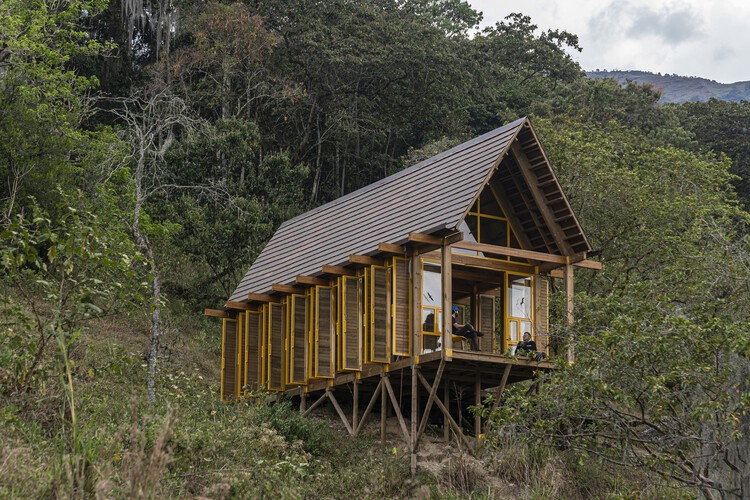
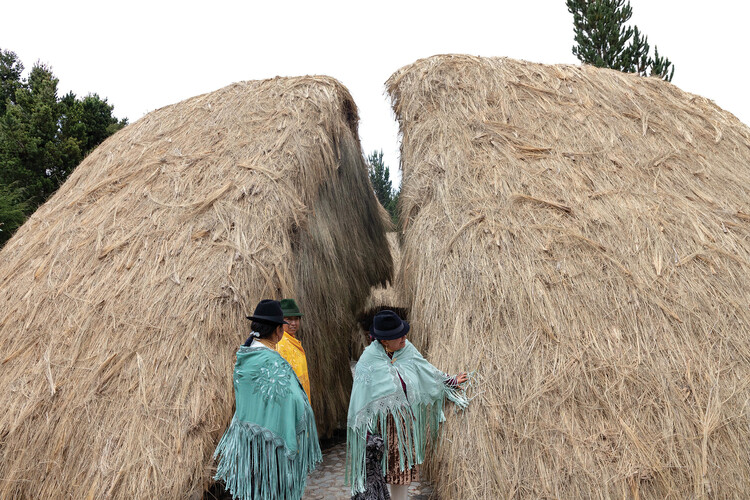
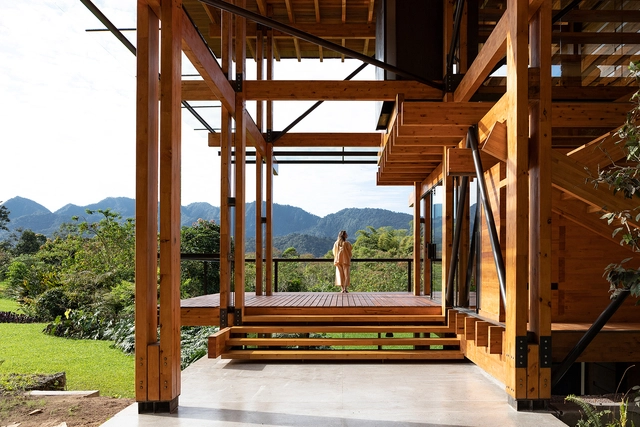
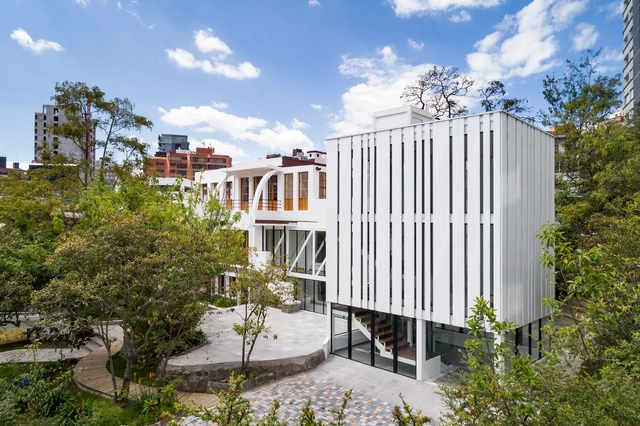
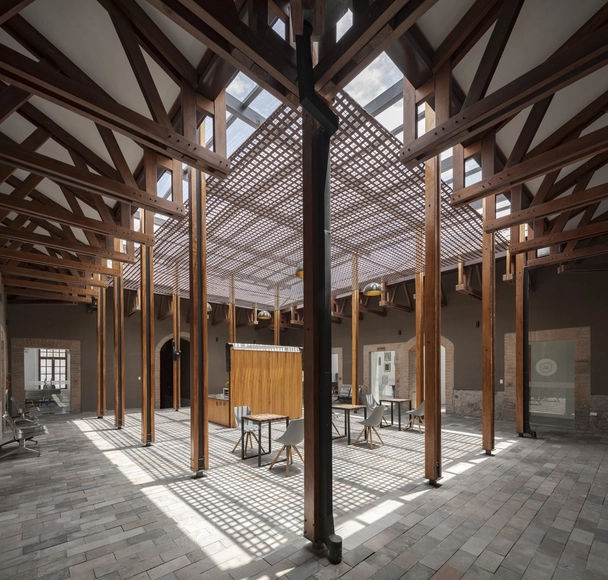
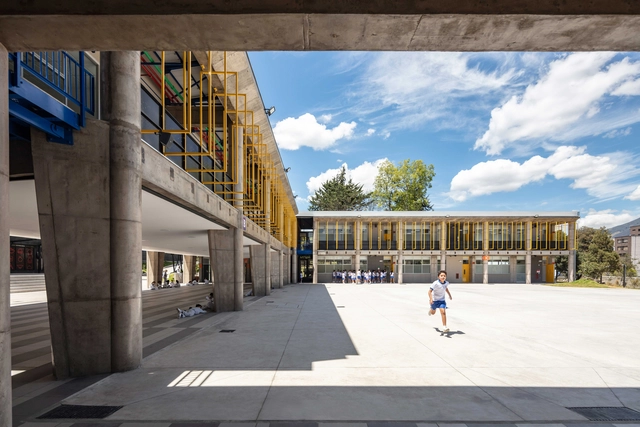
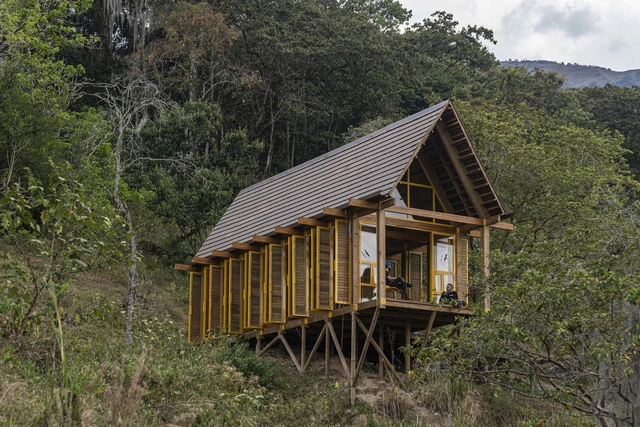
Between the Andes, the coast, and the Amazon, Ecuador's architecture has evolved as a reflection of its layered geography, a place where climate, topography, and culture unite. Throughout the territory, architecture has been an act of adaptation: from vernacular traditions rooted in collective labor and local materials to the colonial and modernist influences that reshaped its cities. This diversity has produced distinct constructive systems, from bamboo and cane structures along the coast to earth and stone constructions in the Andes, forming an archive of adaptive design that continues to influence contemporary practice.
Yet in the past decade, Ecuadorian architecture has undergone a quiet but deep transformation. New academic programs and international references have encouraged a growing awareness of climate and social justice. Emerging architects are redefining practice through workshops, collective studios, and on-site experimentation that blurs the line between design and activism. No longer focused on architecture as an object, a new generation of architects is approaching design as a process. One focused on collaboration, sustainability, and cultural identity. Their questions have shifted the design language from what to build to with whom.
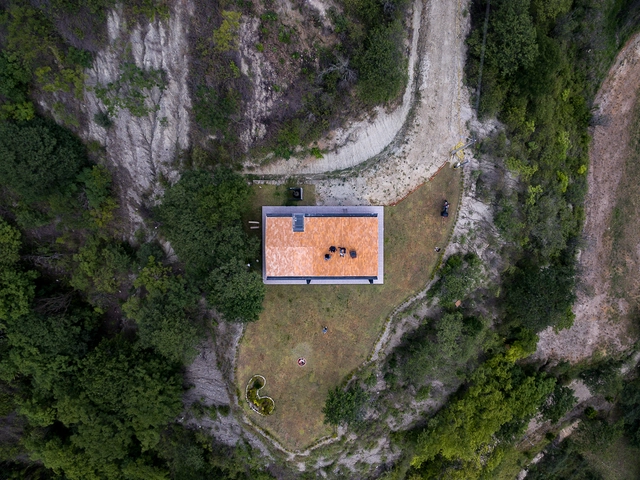
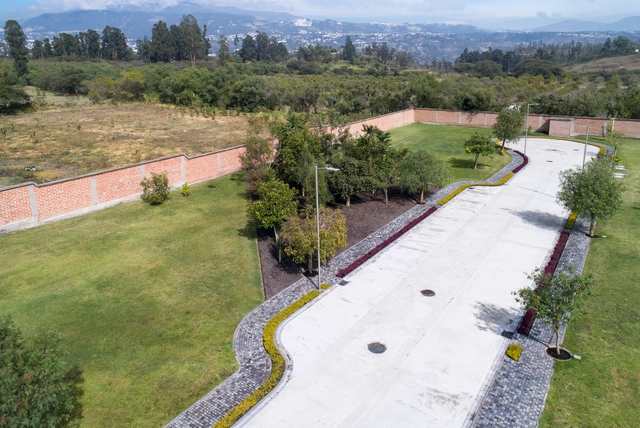
Capturing aerial photographs allows raising awareness of a project feature usually complex to capture using traditional methods. Based on the technological opportunities offered by small unmanned aerial vehicles (UAVs), commonly called drones, architecture photographers have begun to explore new ways of capturing a project in order to expose design decisions such as implantation, dialogue with the environment, or the relationship with nearby buildings.