
Chengdu Jobs | Jiakun Architects Recruitment


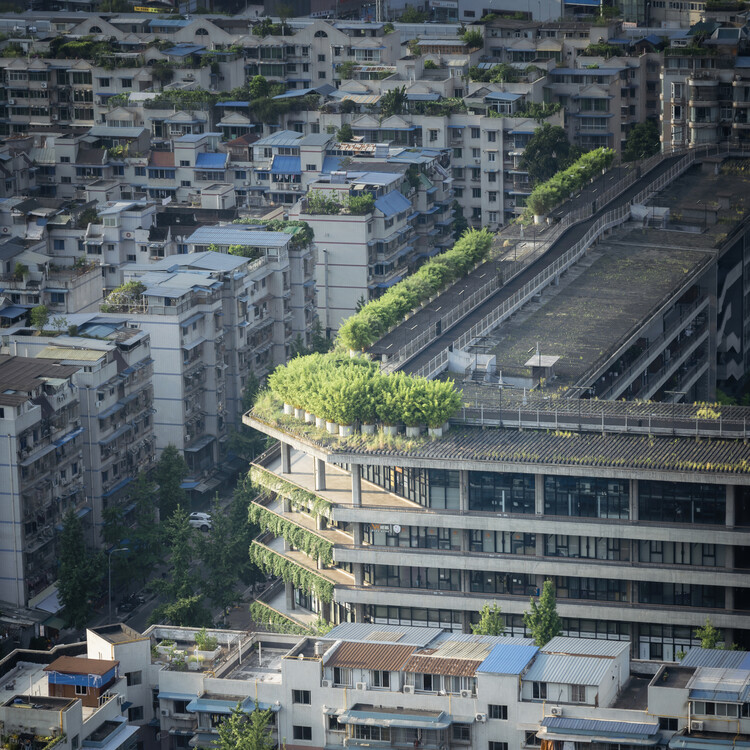
https://www.archdaily.com/1185280/chengdu-jobs-jiakun-architects-recruitment韩爽 - HAN Shuang
Librairie Avant-Garde Huize Baiwu Bookstore / Jiakun Architects


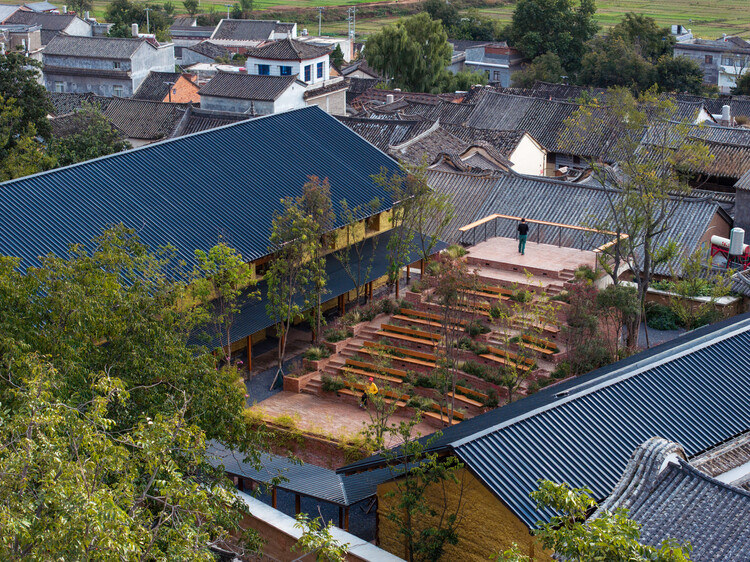
https://www.archdaily.com/1184708/librairie-avant-garde-huize-baiwu-bookstore-jiakun-architects韩爽 - HAN Shuang
Aranya Wuling Mountain - Sean Canteen / llLab.


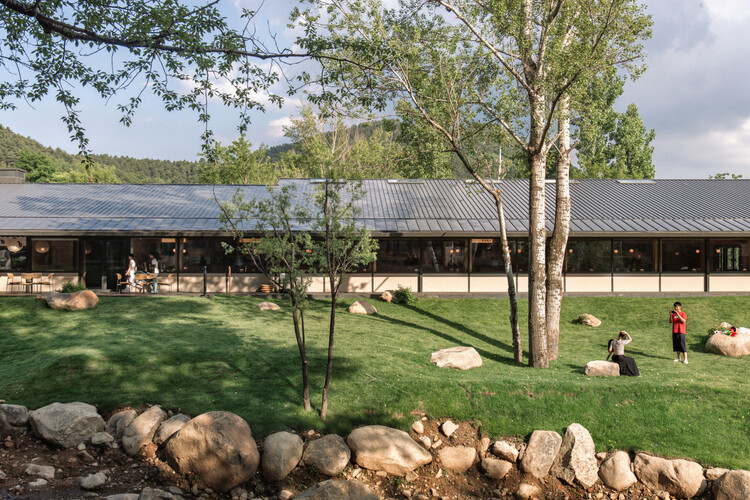
https://www.archdaily.com/1184514/aranya-wuling-mountain-sean-canteen-lllabValeria Silva
Wanhua Green Heart Food Market, Yunlang Canteen / XU Studio


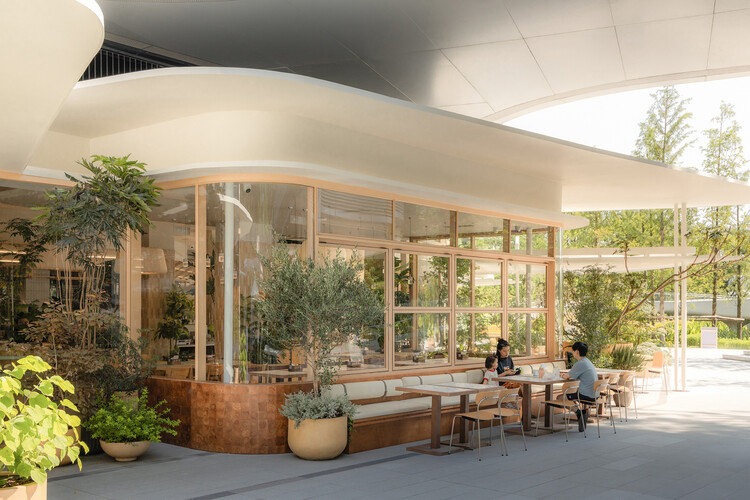
https://www.archdaily.com/1184093/wanhua-green-heart-food-market-yunlang-canteen-xu-studioValeria Silva
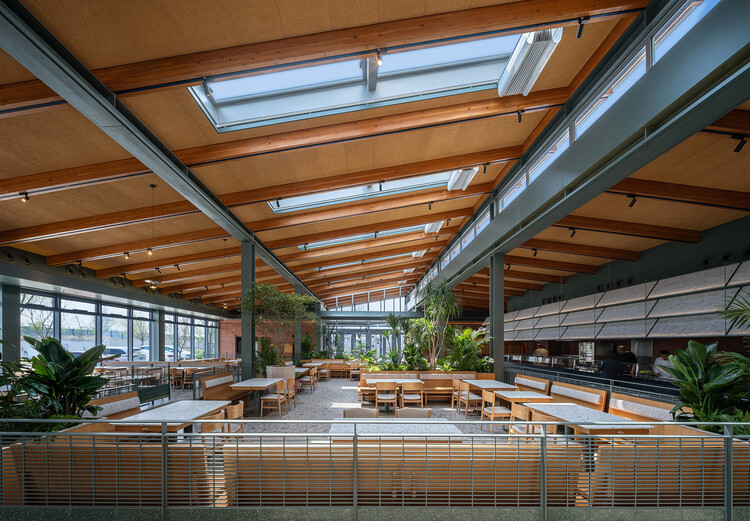
Community Canteen No. 11, Aranya Qinhuangdao / Verse Design


-
Architects: Verse Design
- Area: 1000 m²
- Year: 2026
-
Manufacturers: CSG HOLDING
https://www.archdaily.com/1183159/community-canteen-no-11-aranya-qinhuangdao-verse-design韩爽 - HAN Shuang
Tianfu Fusion Technology Research Center - SWIP / CSWADI


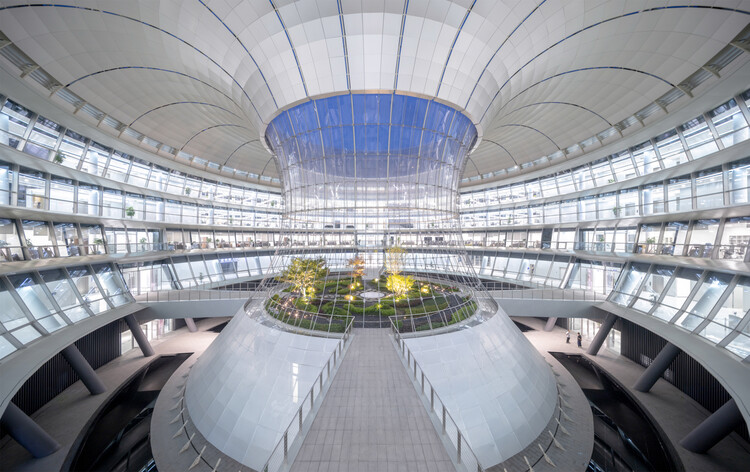
https://www.archdaily.com/1183129/tianfu-fusion-technology-research-center-swip-csadi韩爽 - HAN Shuang
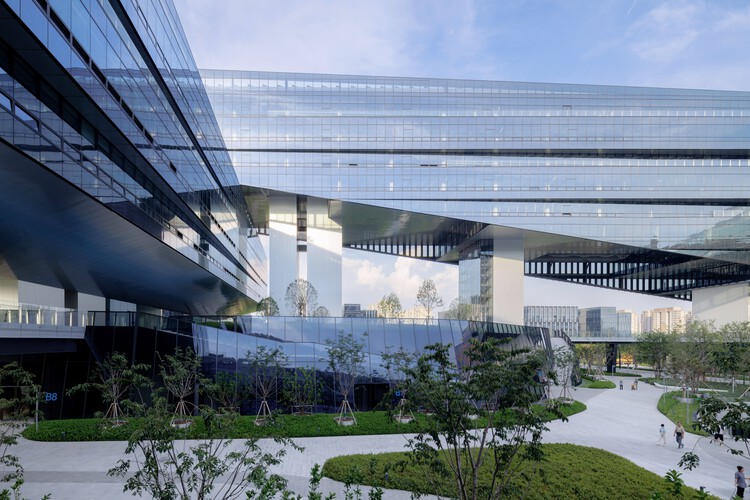
Shanghai Midea Global Innovation Park / Atelier Ma_BIAD


-
Architects: Atelier Ma_BIAD
- Area: 398000 m²
- Year: 2025
-
Manufacturers: DIANYUE Terrazzo, KAPUDAN, Kibing Group, Maars Living Walls
https://www.archdaily.com/1039136/shanghai-midea-global-innovation-park-atelier-ma-biadPilar Caballero
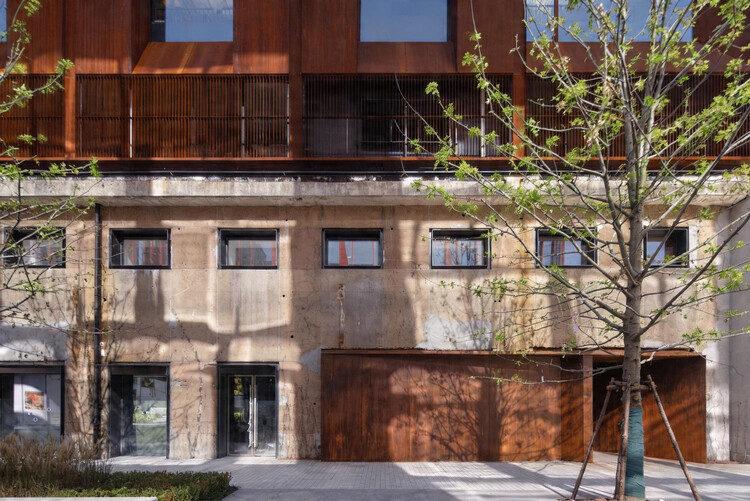
Hangzhou LOFT49 Regeneration / line+ studio


-
Architects: line+ studio
- Area: 95901 m²
- Year: 2025
https://www.archdaily.com/1148709/hangzhou-loft49-regeneration-line-plus-studio韩爽 - HAN Shuang
The Politics of Bamboo: From Vernacular Craft to Temporal Infrastructure

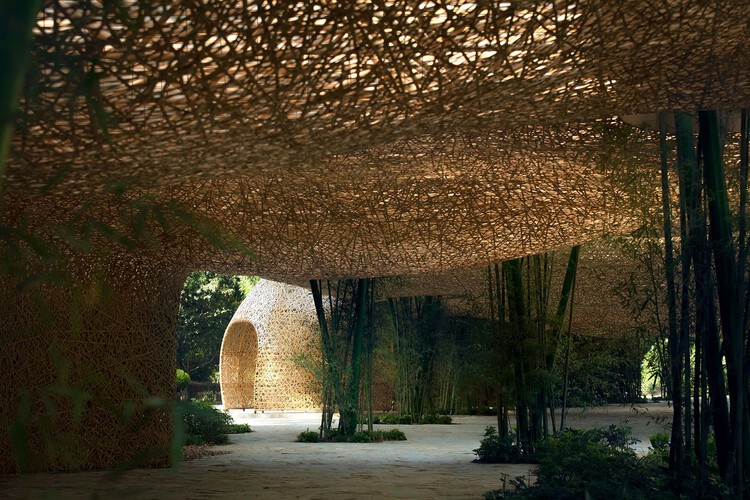
Bamboo is often praised before it is understood. It grows quickly, carries a long history of building cultures, and appears to offer architecture an immediate ecological language. In photographs, it can seem almost self-explanatory: light, natural, renewable, and already aligned with a more sustainable future. Yet this apparent clarity is also what makes bamboo difficult to discuss with precision. Once it becomes a symbol of environmental responsibility, the material itself can disappear behind the image it produces.
This is the risk of bamboo's contemporary revival. It can be imagined too easily as a green substitute for industrial materials, a regional atmosphere, or a softer alternative to the harder languages of steel and concrete. In each case, bamboo is admired before its conditions are understood. The more important question is not whether bamboo is sustainable in a general sense, but what kind of architectural culture it requires: what forms of knowledge, maintenance, regulation, labor, and time are needed for its sustainability to become real.


https://www.archdaily.com/1042929/the-politics-of-bamboo-from-vernacular-craft-to-temporal-infrastructureJonathan Yeung
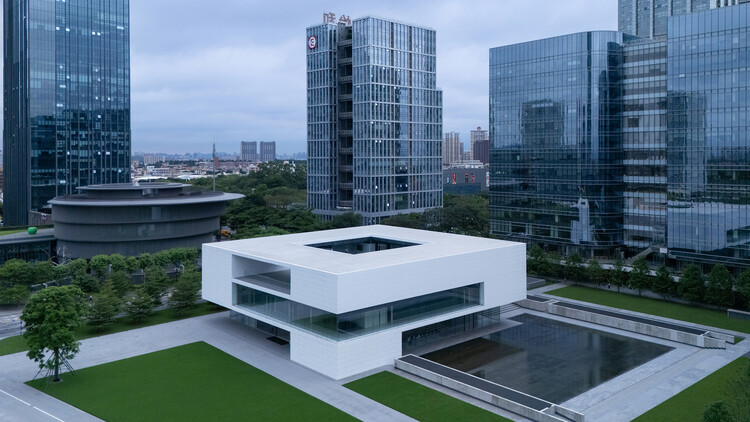
MIDEA Science Center / Atelier Ma_BIAD


-
Architects: Atelier Ma_BIAD
- Area: 5379 m²
- Year: 2024
https://www.archdaily.com/1041093/midea-science-center-atelier-ma-biadPilar Caballero
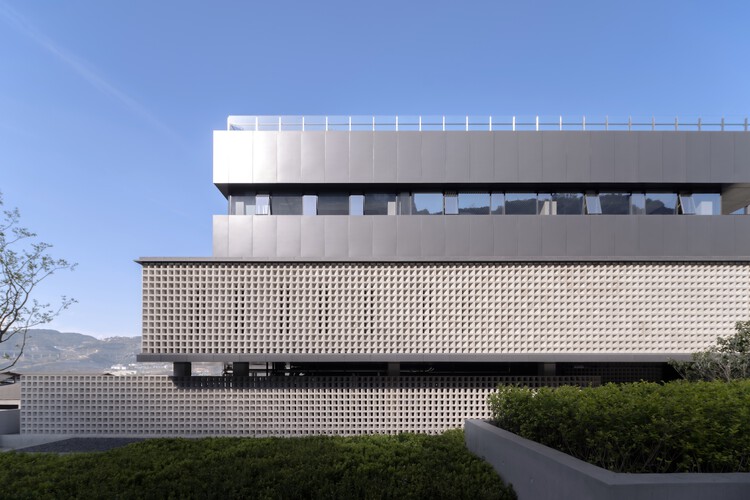
Langjiu Group Quality Research Institute / TEKTONN ARCHITECTS


-
Architects: TEKTONN ARCHITECTS
- Area: 19425 m²
- Year: 2024
-
Manufacturers: Akzon Nobel
https://www.archdaily.com/1037660/langjiu-group-quality-research-institute-tektonn-architects韩爽 - HAN Shuang
ArchDaily China's 2026 Building of the Year Awards are Now Open for Nominations

ArchDaily China is 11 years old this year. The design based on Chinese culture and site has become an important part of the global architectural design exchange, and has become a highly topical part of the global architectural and design development wave. ArchDaily China brings global architecture and design consulting and information to Chinese readers. Moreover, it showcases Chinese architecture and design to the world. We stick to our original intention and become an open platform that benefits the public, making the architecture and design industry more inclusive and equal.
This year, we once again extend an invitation to Chinese readers, hoping that everyone can participate in the selection of the 2026 China Annual Architecture Award. Through an unbiased and non-geographical voting method, everyone is a member of the jury, selecting the most representative Chinese architecture and design projects for everyone.In the next three weeks, the whole process of the selection will be divided into two stages: In the first stage, you will vote on 455 projects released in the past year, and the top 15 with the highest nominations will enter the second stage finalist list; In the second stage, the 15 outstanding projects will be voted again to determine the best champion, runner-up and third place of the year.
The 2026 Building of the Year Awards China is brought to you thanks to Dornbracht, renowned for leading designs for architecture, which can be found internationally in bathrooms and kitchens.
https://www.archdaily.com/1039704/archdaily-chinas-2026-building-of-the-year-awards-are-now-open-for-nominations韩爽 - HAN Shuang
Meet the 15 Finalists in ArchDaily China's 2026 Building of the Year Awards

Following two exciting weeks of nominations, ArchDaily's readers have evaluated 455 projects and selected 15 finalists for the Building of the Year Award China. Architects and enthusiasts participated in the nomination process, choosing projects that exemplify what it means to push architecture forward. These finalists are the buildings that have inspired ArchDaily readers the most, which also reveal the growing trend of Chinese architecture.
Among the 15 finalists of the 2026 China Building of the Year Award, we can see a gradual shift in focus from large-scale public buildings to rural revitalization, community public spaces, exploration of new typology of school and small-scale interior spaces. People are paying more attention to their personal needs and living experiences as well as the surrounding spaces. We can also observe how different firms are responding to the needs of cities and users during the period of transformation in the real estate.
Before we get to shortlisted nominees, we want to highlight the values of this awards process — as the world's largest platform for architecture we are acutely aware of our responsibility to the profession, and to the advancement of architecture as a discipline. Since our mission is directly related to the architecture of the future—inspiring and educating the people who will design the urban fabric of the future—the trust placed in us by our readers to reflect architectural trends from regions around the whole world creates challenges that we are eager to rise to. The democratically-voted, user-centered Building of the Year Awards is one of the key pillars of our response to these challenges, aiming to tear down established hierarchies and geographical barriers. Here are the 15 finalists of the 2026 China Building of the Year Award, and the voting period will run from April 8th to April 15th, 11:59 PM (Beijing Time), 2026. The final winners will be announced on April 16th, 2026. Click here to see the details and how to vote.
https://www.archdaily.com/1040375/meet-the-15-finalists-in-archdaily-chinas-2026-building-of-the-year-awards韩爽 - HAN Shuang
Winners of the ArchDaily China Building of the Year 2026 Awards

Another year, another successful ArchDaily China Building of the Year Awards! Once more, the award has proved to be the largest architecture prize centered around people's opinion. Crowdsourced, the most relevant projects of the year were nominated and selected by our readers.
The 2026 China Building of the Year Awards is brought to you thanks to Dornbracht, renowned for leading designs for architecture, which can be found internationally in bathrooms and kitchens.
https://www.archdaily.com/1040673/winners-of-the-archdaily-china-building-of-the-year-2026-awards韩爽 - HAN Shuang
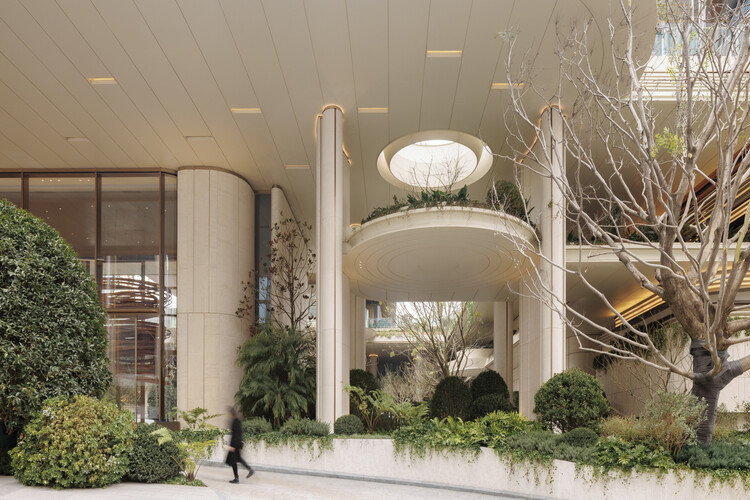
(not ready) Chongqing Eternal Land / Zen Architects


https://www.archdaily.com/1040895/chongqing-eternal-land-zen-architects韩爽 - HAN Shuang
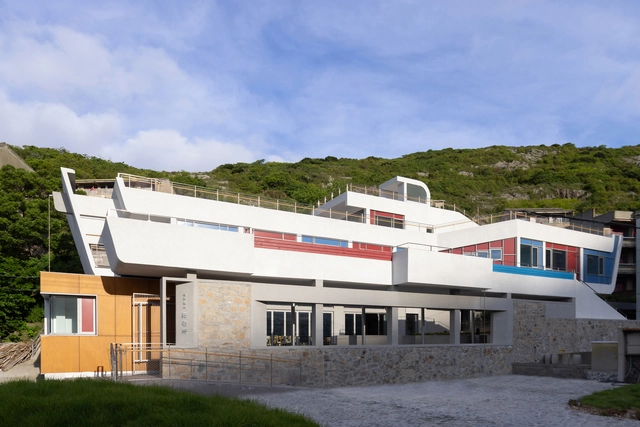
Zhoushan Chaishan Island Elderly Care Home / line+ studio


-
Architects: line+ studio
- Area: 799 m²
- Year: 2024
-
Professionals: M.TP 104
https://www.archdaily.com/1018958/zhoushan-chaishan-island-elderly-care-home-line-plus-studioPilar Caballero
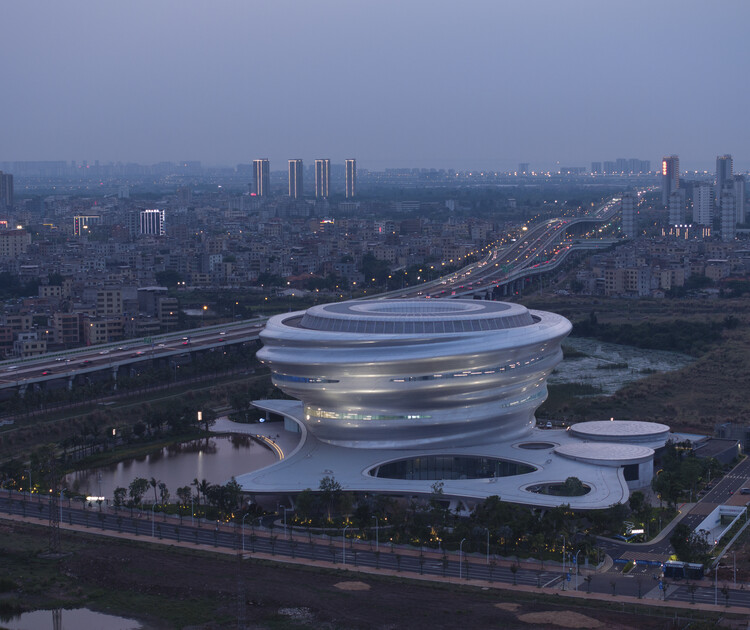
Hainan Science Museum / MAD Architects


-
Architects: MAD Architects
- Area: 46528 m²
- Year: 2026
-
Professionals: RFR Shanghai, EADG, MAD, CCDI Group, Ning Field Lighting Design Corp., Ltd., CCDI, +2
https://www.archdaily.com/1041579/hainan-science-museum-mad-architects韩爽 - HAN Shuang
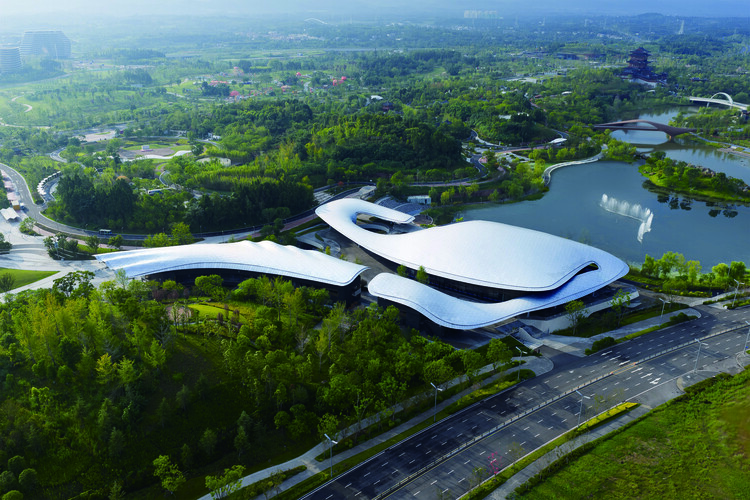
Main Pavilion of the International Horticultural Exhibition 2024 Chengdu / CSWADI


https://www.archdaily.com/1040982/main-pavilion-of-the-international-horticultural-exhibition-2024-chengdu-cswadi韩爽 - HAN Shuang