-
Architects: Advanced Architecture Lab, Wiki World
- Area: 60 m²
- Year: 2025
-
Manufacturers: Rothoblaas, ELLAI


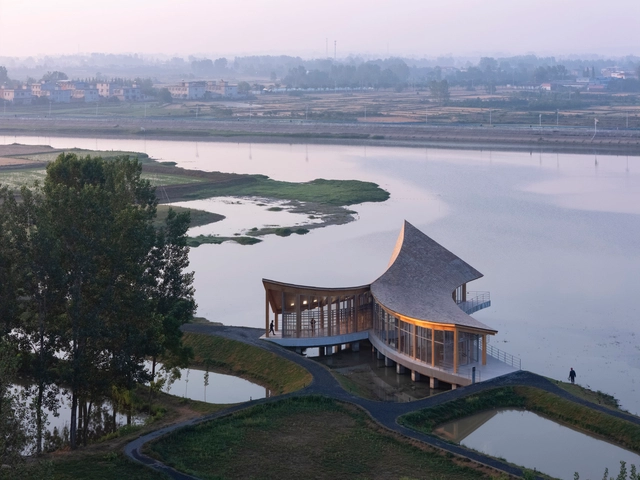
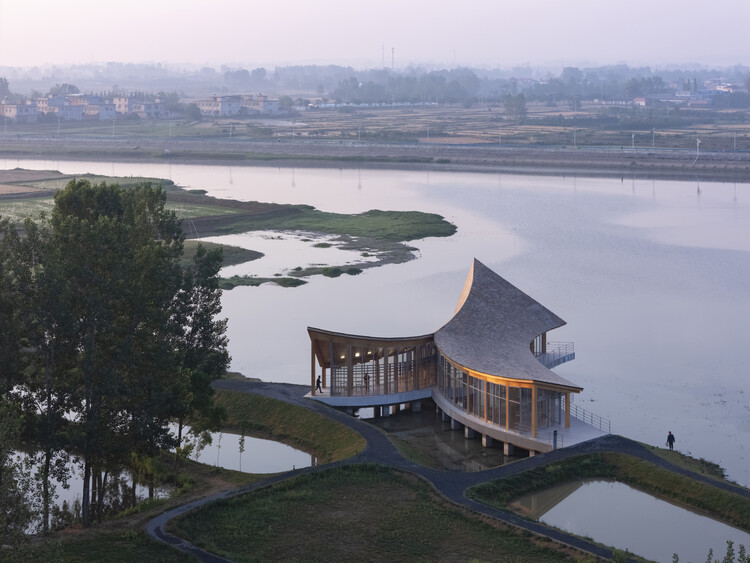
In much of China, concrete remains the dominant construction material. Despite growing concerns over its environmental impact, concrete continues to align with the priorities of many developers and clients—it is fast, cost-effective, and highly durable. As a result, most building types in China still rely heavily on concrete. This reliance is further reinforced by China's position as the world's largest producer of Portland cement. A deeply entrenched supply chain, rooted in raw material manufacturing and economic infrastructure, ensures that concrete remains the default choice in the construction industry.
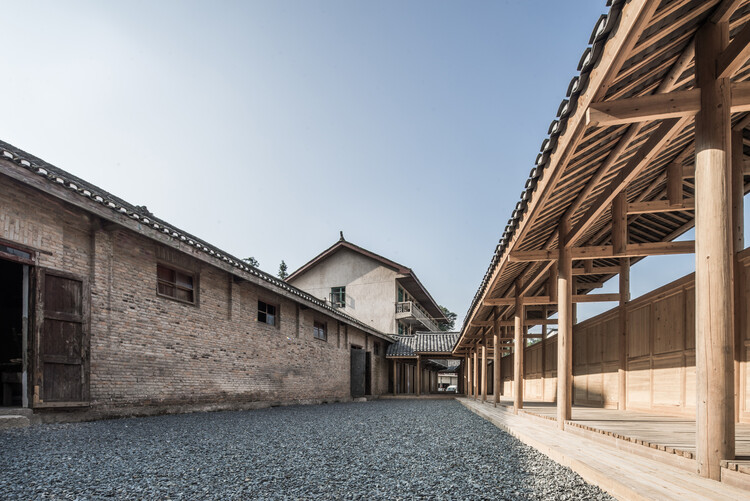
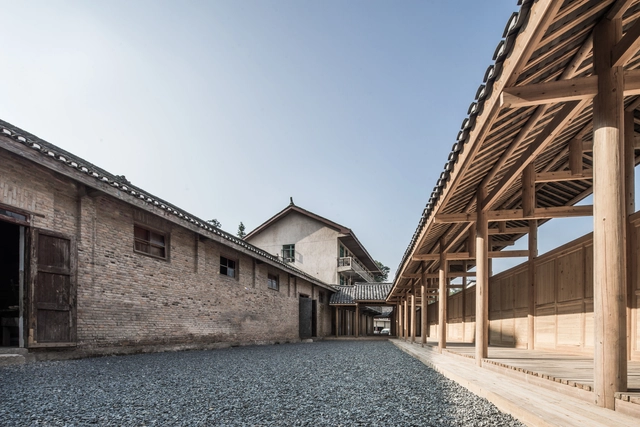
Yet historically, Chinese architecture was built upon a rich tradition of timber construction. The Forbidden City is a prime example: not only is it emblematic of China's architectural heritage, but it also remains one of the largest and best-preserved collections of ancient wooden structures in the world. This legacy prompts an important question: does timber construction have a meaningful future in China's contemporary building industry?


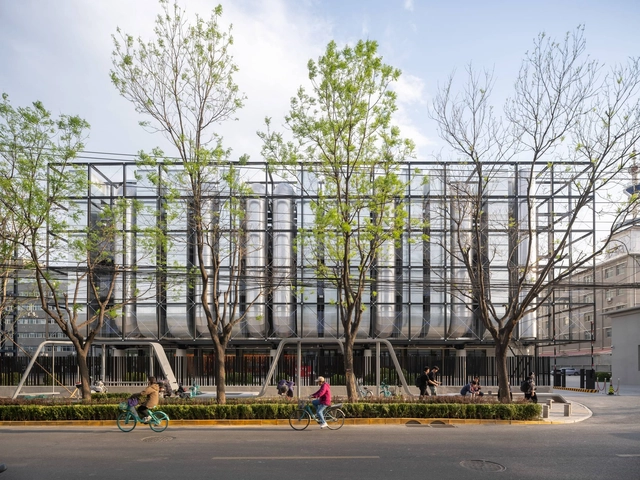
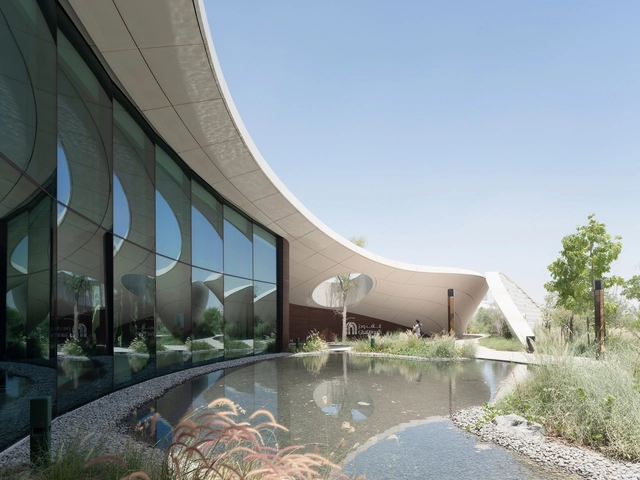
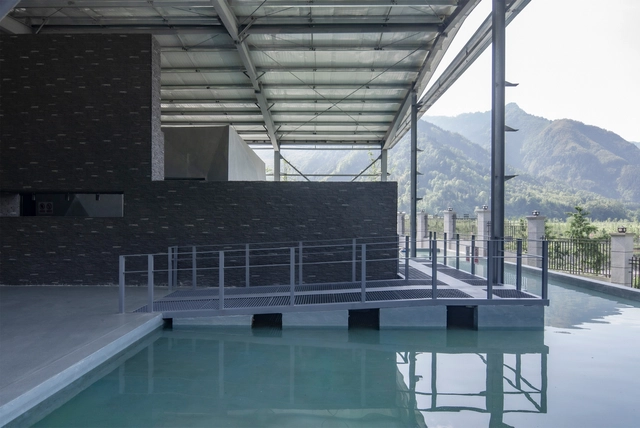
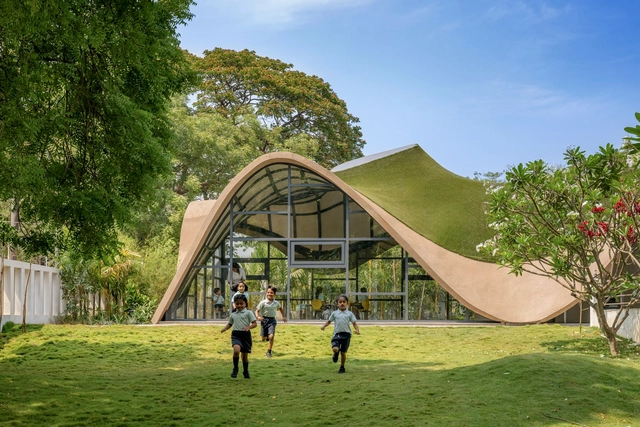
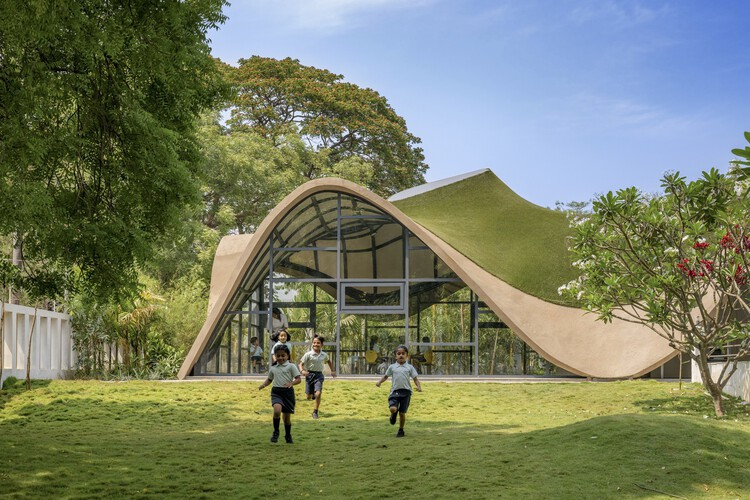
Kindergarten architecture has long stood apart as a realm where design and imagination converge. Unlike most building typologies, these spaces are conceived not only to shelter and function but to shape the earliest experiences of curiosity, play, and social interaction. Throughout history, the design of kindergartens has evolved alongside pedagogical shifts, moving from modest, utilitarian beginnings to highly intentional environments that stimulate both learning and wonder. In this context, architecture becomes more than a backdrop — it becomes a silent educator, capable of nurturing emotional, cognitive, and physical development.