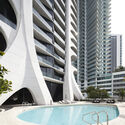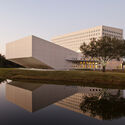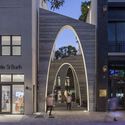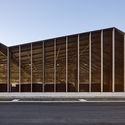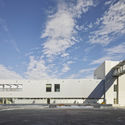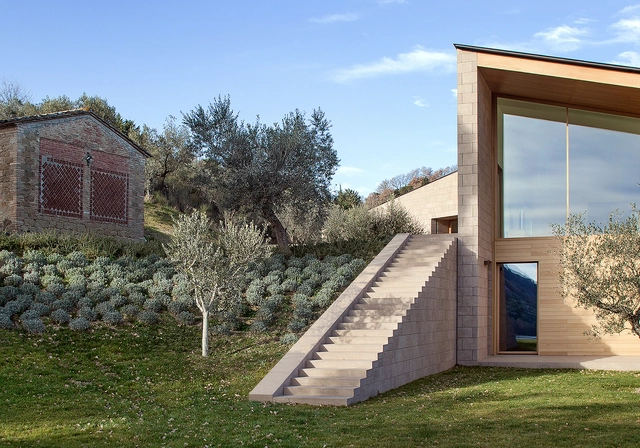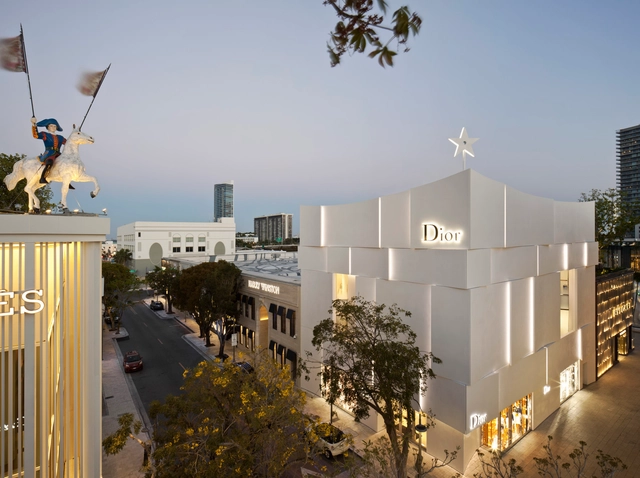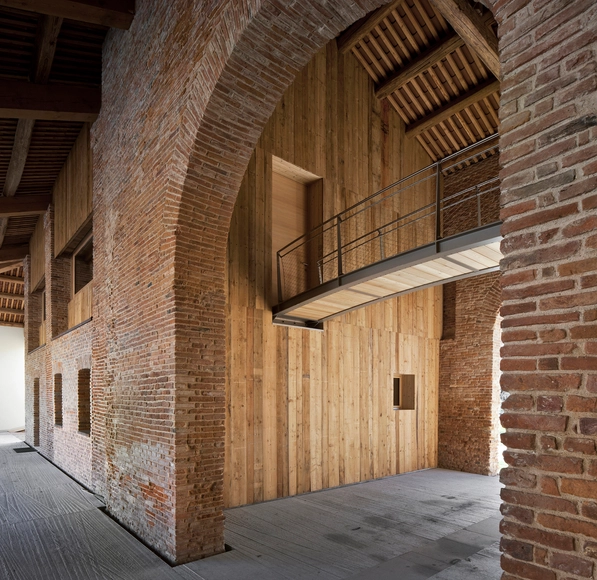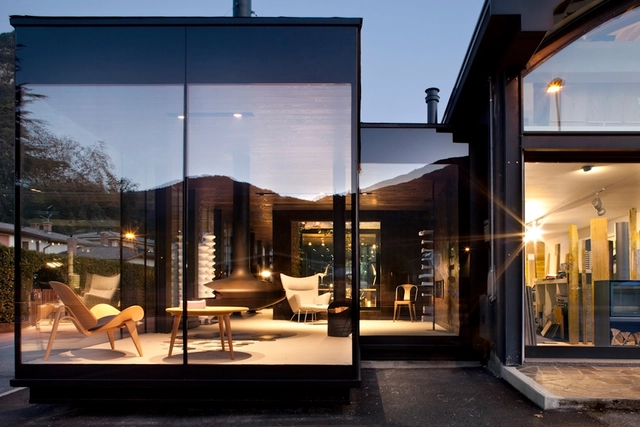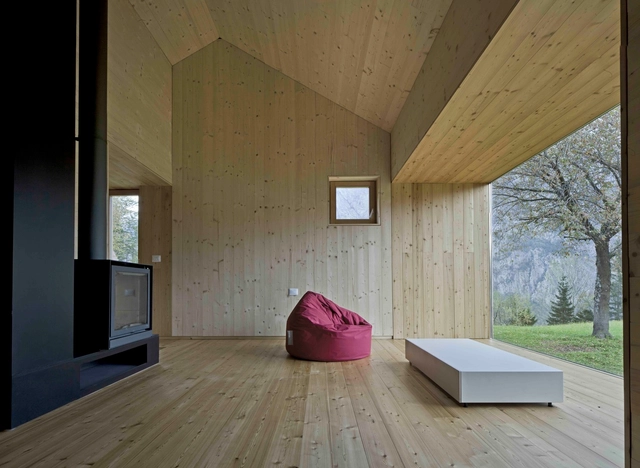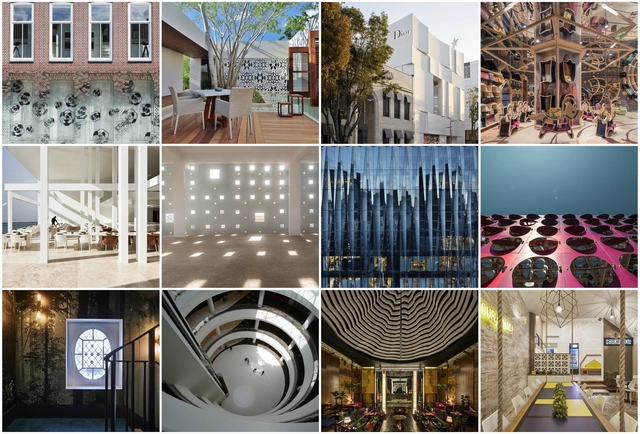
On Saturday, April 14, the continental award ceremony for the Prix Versailles will be held at Castillo Hidalgo in Santiago, Chile. The awards will honor the architecture and design of 24 completed retail, hotel, and restaurant projects across South America, Central America, the Caribbean, and North America.
Learn more about the event and past winners below.
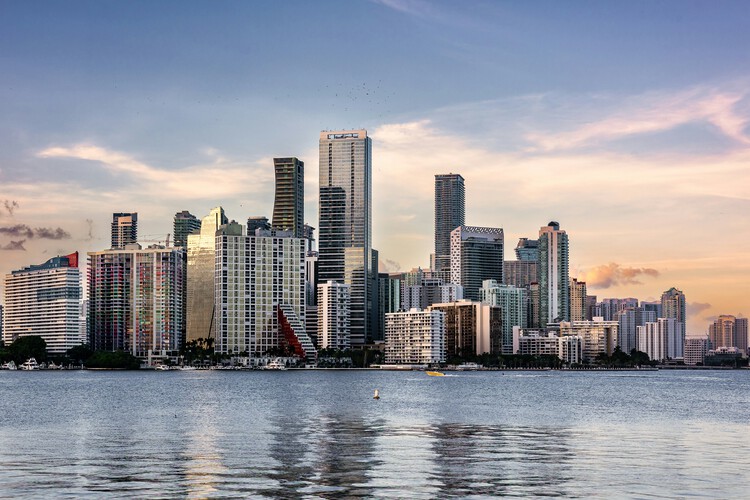
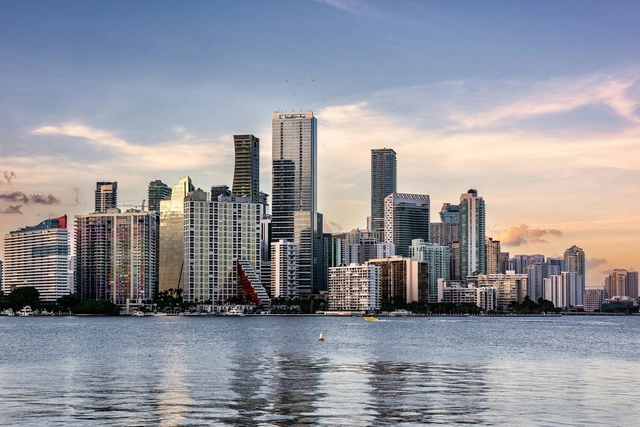
Stretching along the Atlantic coast at the southern tip of Florida, Miami is often introduced through postcard views of beaches, palm trees, and glass towers facing the water. Yet, behind this familiar image lies a city shaped by migration, tourism, and real estate cycles, where architecture has repeatedly been used to project new identities and reinvent the urban landscape. From early resort hotels and the Art Deco façades of South Beach to experimental high-rises and cultural institutions on the bay, the built environment offers a way to read how Miami negotiates climate, economy, and everyday life.
Over the past century, the city has grown through successive layers of development that remain visible in its streets and skylines. The streamlined geometry and pastel colors of the historic Art Deco District coexist with the exuberant forms of Miami Modern (MiMo) motels and postwar infrastructure along Biscayne Boulevard. Downtown and Brickell have transformed from low-rise business districts into dense clusters of residential and office towers, many designed by international firms working alongside local practices. At the same time, neighborhoods such as Little Havana, Allapattah, and Wynwood reveal how diasporic communities, industrial heritage, and creative industries occupy and adapt existing fabrics, often in contrast with the image-driven waterfront.
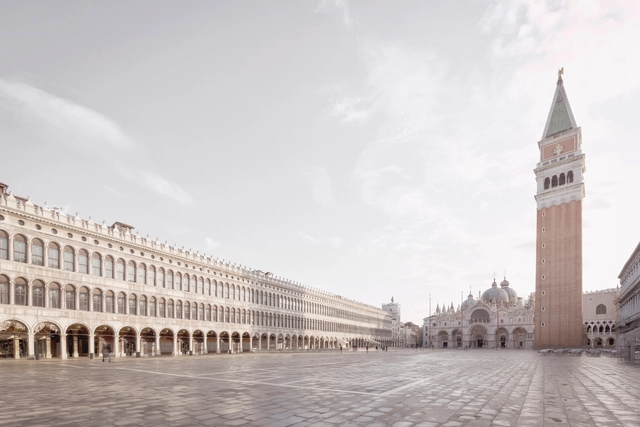
In Venice, surrounded by an overwhelming abundance of architectural beauty—the grandeur of landmarks like the Basilica di San Marco, St. Mark's Square, and the Rialto Bridge, to name just a few—it is easy to become swept up in the iconic imagery and spatial majesty of the city. One could lose sight of the quieter, yet equally masterful, moments found in the execution of details across its built fabric. Beyond the grandeur, the city offers a richness in its winding alleyways, narrow canals, and vibrant street life—each contributing to the cultural tapestry that makes Venice so unique. Amidst these celebrated elements, however, lie subtle but remarkable architectural details that often go unnoticed. These deserve closer observation and reflection, as they offer their own kind of mastery—one grounded in material precision, craft, and the lived rhythms of the city.
Just steps away from the iconic Piazza San Marco, a quiet architectural dialogue unfolds between two celebrated figures. Within a one-minute walk, two projects—each meticulously crafted—sit in close proximity: the Olivetti Showroom by Carlo Scarpa, a long-revered pilgrimage site for architects and designers, and the recently reopened Procuratie Vecchie, restored by David Chipperfield Architects. A closer look at the architectural details embedded within each work reveals a compelling exchange across time—one that unfolds through material language, spatial precision, and an unwavering commitment to craft.
Milan’s urban fabric has long been defined by change. In a city known for its historic monuments, from the Piazza Duomo and Milan Cathedral to works like Velasca Tower, contemporary architecture must balance many existing contexts. Emerging as a global center for design and culture, Milan has become home to new buildings and structures addressing this condition as iconic landmarks and expressive forms. Actively building upon its legacy, Milan has turned its attention to the sky.
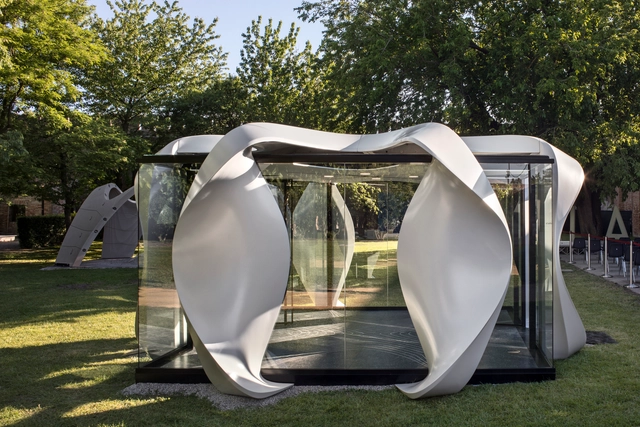
Zaha Hadid Architects has been invited to exhibit at the 17th International Architecture Exhibition - La Biennale di Venezia. Titled ‘High-performing Urban Ecologies', the installation responds to the theme of Resilient Communities by displaying the Alis Meeting Pod, a modular structure of ZHA’s Unicorn Island Masterplan that is currently under construction in Chengdu, China. The installation is on display at the Giardino delle Vergini at the entrance of the Italian Pavilion.
Recycled and reused materials continue to grow as a more attractive alternative in the construction field. They are at most times a coveted sustainable substitute to conventional building materials, offering a financially resourceful solution when appropriately sourced and implemented. Aside from saving up on raw material costs, establishing recycling facilities or factories might present a good opportunity to generate jobs within a local setting (collecting, handling). The recycling process might also be used as a gateway to lower energy consumption, with some plants eventually generating their own power through specific material transformation techniques (Heat generated power).
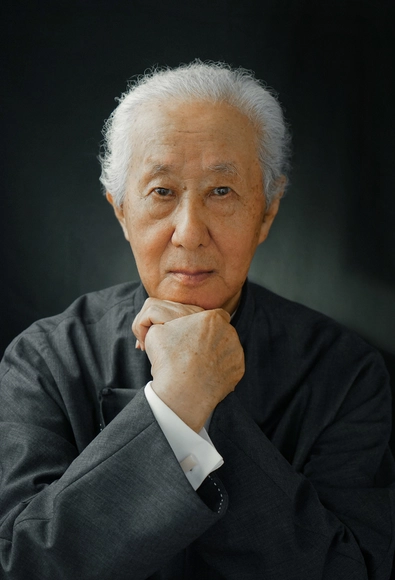
Japanese architect, teacher, and theorist Arata Isozaki (born 23 July, 1931) helped bring Japanese influence to some of the most prestigious buildings of the 20th century, and continues to work at the highest level today. Initially working in a distinctive form of modernism, Isozaki developed his own thoughts and theories on architecture into a complex style that invokes pure shape and space as much as it evokes post-modern ideas. Highly adaptable and socially concerned, his work has been acclaimed for being sensitive to context while still making statements of its own.
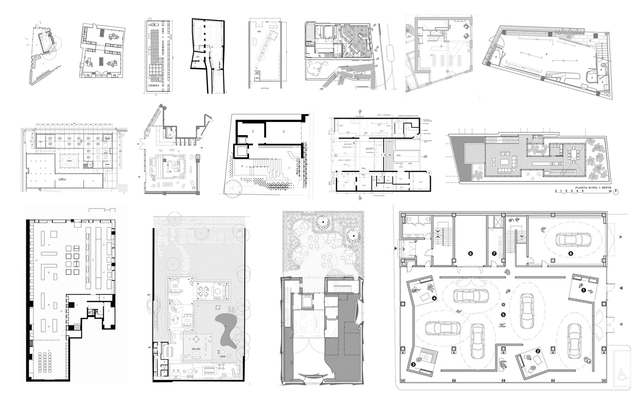
As mentioned in our previous article on retail stores under 100 square meters, the spatial distribution of commercial spaces is a determinant for its success. Not only does it address adequate logistics and the circulation of customers, but the variations and innovations that will enable a more efficient and original space.
Below, we've selected projects from our site, with their plan and section, that can help inspire your next project.
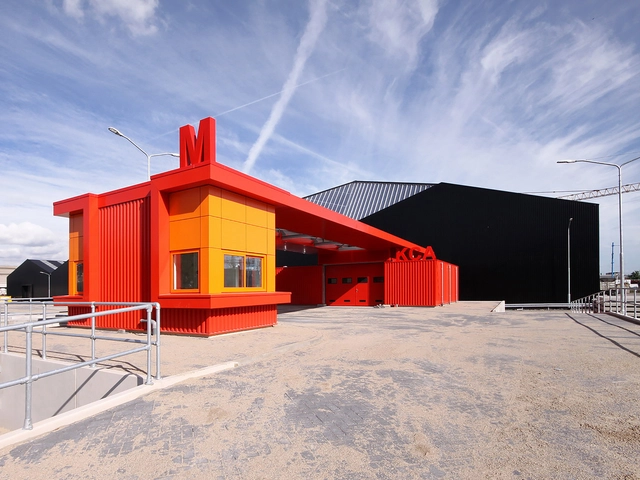
The international Prix Versailles Committee has announced the recipients of its annual awards celebrating built commercial architecture. The awards were held at the UNESCO World Headquarters, with recipients hailing from 6 regions around the world. Chaired by the Mayor of Versailles François de Mazières, the international jury included architects Manuelle Gautrand, Toyo Ito, Wang Shu, and acclaimed chef Guy Laroche.
The 12 World Titles are awarded in 4 top categories: stores, shopping malls, hotels and restaurants. The winners were selected from a diverse range of 70 regional winners already present in the ceremony.