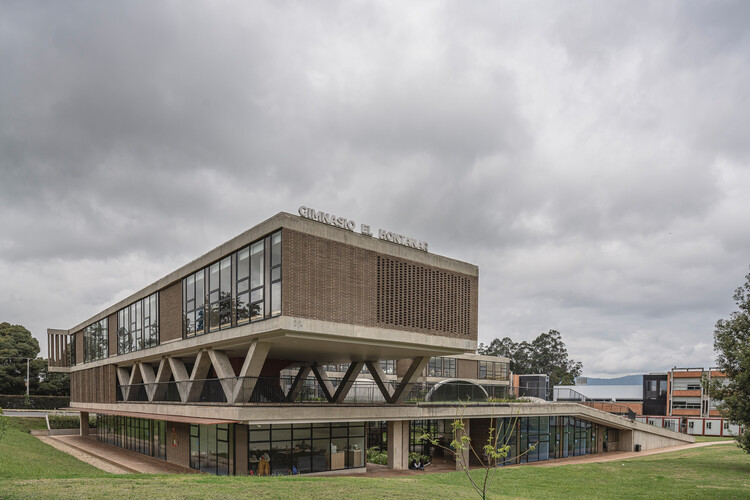
Creating an educational setting is a specific and sensitive task. Merging children's safety and learning optimization requirements with an aesthetic appeal and solid concept can birth some of the most beautiful, unique projects around. One common configuration is the elliptical or circular school. A circular, more specifically ringlike educational setting can suggest a sense of protectiveness and safety with the construction of the embracing surrounding membrane. It is also a practical setup that envelopes multiple functions while linking them, consequently allowing interactive instances through the central courtyard.
A good conversation can make time feel like it's passing more quickly. But is this effect solely due to the verbal exchange, or could our perception of time be shaped by the spatial conditions surrounding us? There are environments that, due to their scale, distribution, and atmosphere, are conducive to meeting, listening, or pausing, thereby influencing the human experience. Perhaps it's not the words we share, but the space in which we speak that truly shapes our understanding of time. Some sociological theories about our society and the built environment go beyond considering it as a mere physical container and suggest that architecture, in its very duality, can act as both an inhibitor and a catalyst for our temporal experiences, impacting our wellbeing.
https://www.archdaily.com/1029304/wellbeing-and-slow-spaces-can-architecture-distort-the-way-we-experience-timeEnrique Tovar
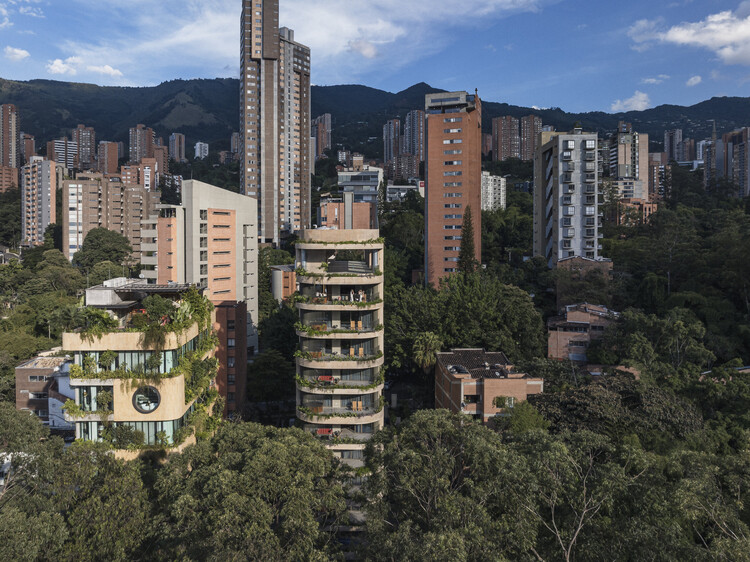
With the high population density of cities and voracious appetite of the market for every square meter, it is not uncommon for urban vegetation to be forgotten. For this reason, forests, vegetable gardens, and vertical gardens have aroused much interest and figured into a variety of different innovative proposals. Using the vertical plane to maintain plants in an urban setting is a coherent and common-sense solution, especially when there is little possibility of bringing green to the level of the people on the streets.
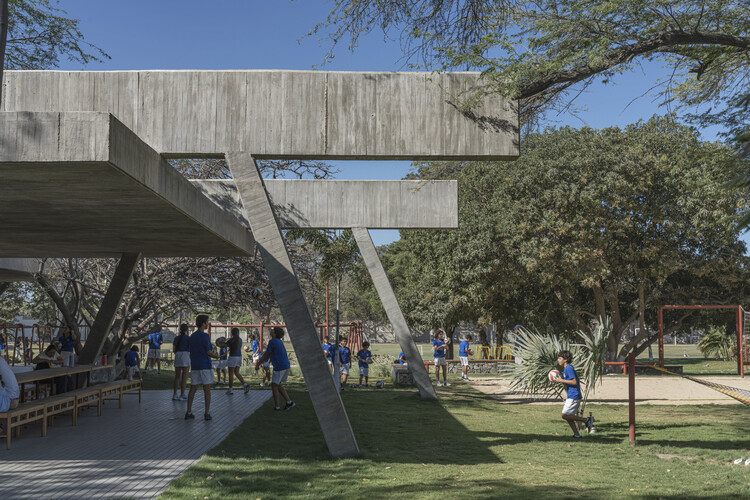
Due to its ability to mold and create different shapes, concrete is one of architecture's most popular materials. While one of its most common uses is as a humble foundation, its plasticity means that it is also used in almost all types of construction, from housing to museums, presenting a variety of details of work that deserves special attention.
Check out this collection of 40 projects that highlight the use of concrete. Impressive!
For much of the world, this past year was spent within the confines of our homes, undoubtedly blurring the lines between our public, professional, and private lives and transforming our living spaces into places of work and productivity. This transformation of spaces and how they are used is nothing new in the world of architecture as countless spaces take on various roles beyond what they were originally designed for--a fact reflected in their layout, design, and the materials used within them.
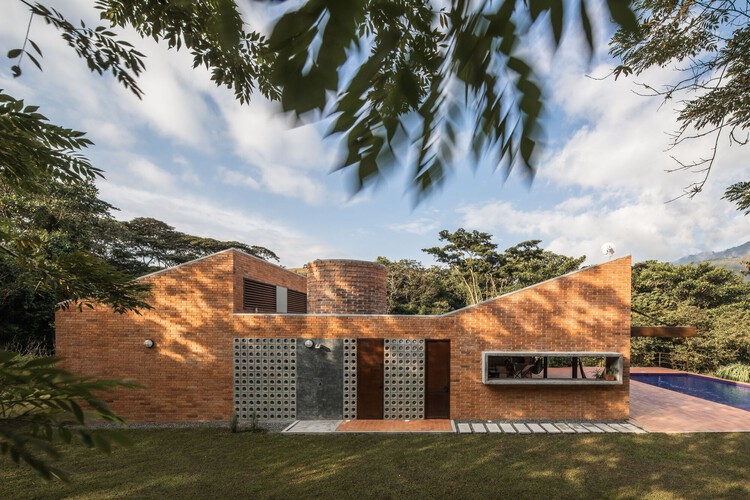
As much as walls, ceilings, and furniture pieces define the character and perception of an architectural project, doors play a critical role in building that style. Among all the doors used in houses, the front door is the first tangible element that homeowners and visitors will encounter, acting as the pivotal point where architecture greets the user. After all, first impressions are always important; and the entrance door is certainly one that can set the tone for the rest of the interior. However, choosing the right front door for a contemporary house can be difficult, especially with so many design possibilities. Therefore, before making that decision, it is crucial to know what those possibilities are – and how these can transform the front door into a design statement.