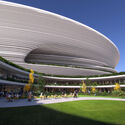
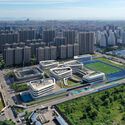
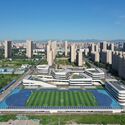
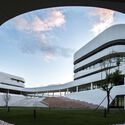
Zaha Hadid Architects has been announced as the winner of the competition to design the new Hangzhou International Sports Centre. The project includes a 60,000-seat football stadium and practice pitches, a 19,000-seat indoor arena as well as an aquatics center with two 50-meter pools. The development is part of Hangzhou’s Future Science and Technology Cultural District and is well connected to the city’s expanding metro network.
Architects and designers may already be familiar with the benefits of using a true real-time visualization tool during their daily workflows to iterate and test ideas quickly. But when it comes to crafting the ultimate photorealistic shot, design often starts again in a completely different tool...until now.
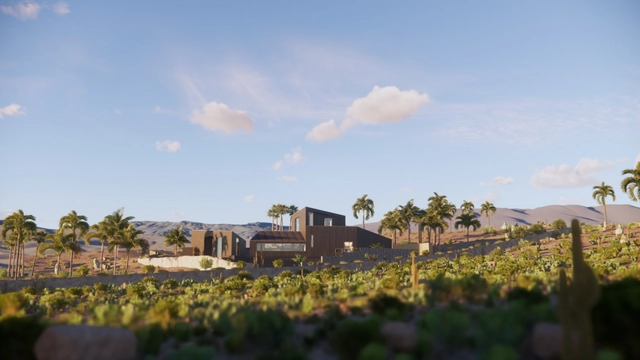
Introducing an easier real time to high-end rendering experience with the release of the Enscape compatibility with V-Ray 6 for SketchUp and Rhino.
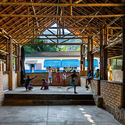
This year, one of the winners of the Aga Khan Award was the Renovation of the Niemeyer Guest House by East Architecture Studio. The project is located on Tripoli’s outskirts in Lebanon, and it is part of the Rachid Karami International Fair (RKIF), an unfinished masterpiece by Brazilian architect Oscar Niemeyer. ArchDaily’s Managing Editor, Christele Harrouk had the chance to sit with Charles Kettaneh and Nicolas Fayad, founders of the East Architecture Studio, on-site in "the Niemeyer Guest House Renovation" project. Talking about modern heritage and the challenges of renovations, the architects opened the conversation about the role of architecture in building platforms for change.
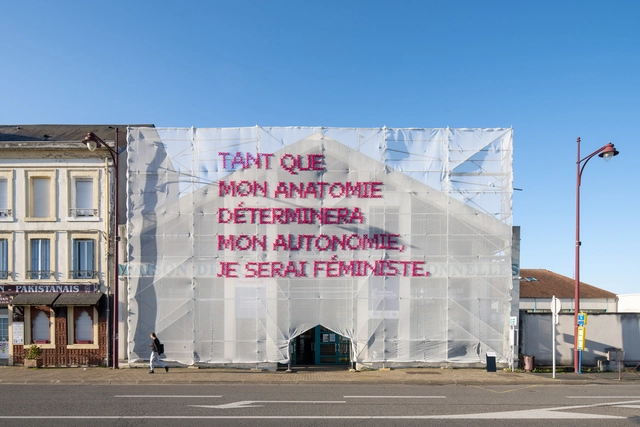
The 2022 Biennale of FRAC in the Centre-Val De Loire Region, France, is exhibiting the work of 55 women for its third edition entitled Infinite Freedom, A World for a Feminist Democracy. The fair showcases pieces from the Center Pompidou and the Cité de l'architecture et du Patrimoine collection and brings special guests such as architect Anna Heringer and Journalist and Director Rokhaya Diallo. From September 2022 to January 1st, 2023, female artists, architects, and politicians will gather to discuss and create a new definition of inclusive and plural democracy in the city, architecture, design, and art.
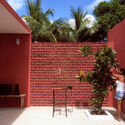
Community facilities are spaces for social interaction where people find leisure and information. Whether a cultural or a community center, this type of equipment aims to bring people together, creating opportunities for interaction in an environment of care and neighborhood.
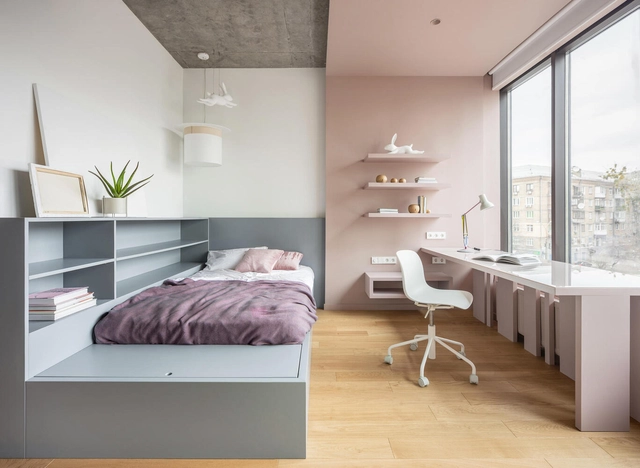
In the majority of family homes, it’s common for children to be given the smallest rooms. They are, after all, the smallest people. But where grown-ups have the rest of the house to fill with their accrued material wealth, children’s only freedom to decide what they do and where things go, is in that one small room.
Learning about the world can be frustrating, and quickly lead to misdiagnosed ‘bad’ behavior. So creating a safe, welcoming, comfortable space where children can feel calm, loved, and protected while enjoying their independence and individuality, is essential for a happy, healthy childhood. Children’s bedroom design, therefore, has more in common with open-plan living than simple sleeping quarters.
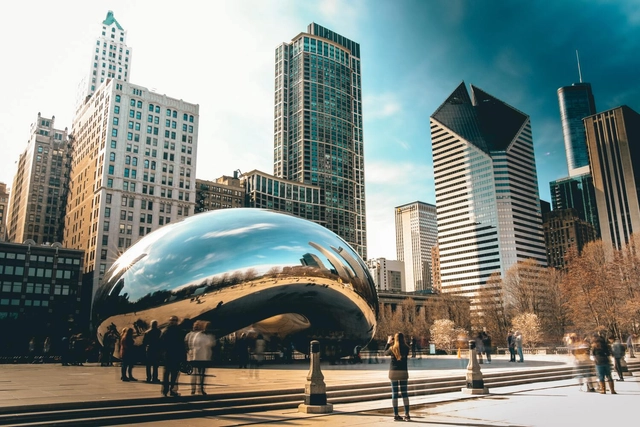
Chicago, The Windy City, Chi-Town, or The Second City. It’s a place that is known by many names, but to architects and urban planners alike, it’s famous for its history which has given us some of the best-known buildings and important advancements that have helped to shape other cities across the United States. From its inception, Chicago has long served as an architectural hub for innovation.
If you want your work to have a worldwide impact on millions of people and feel aligned with ArchDaily's vision to empower everyone who makes architecture happen to create a better quality of life, then our organization is the right place for you.
https://www.archdaily.com/990104/empower-those-who-make-architecture-happen-apply-for-a-job-at-daaily-platformsArchDaily Team
As climate change continues to reach unprecedented levels, many are pointing towards enhancing circularity in the construction sector. Essentially, the circular economy aims to eliminate waste and the continual use of resources by repeatedly reusing, repairing or recycling materials. The cyclical approach is able to meet demand and minimize CO2 emissions by extending a product’s lifespan, which is especially important when dealing with limited resources. Unlike the traditional linear extractive method –where everything goes through an extremely contaminating process of 'take-make-waste'–, circularity keeps materials in use for as long as possible to extract maximum value. This, in turn, reduces pollution, regenerates natural systems and contributes to a healthier built environment, hence building economic, natural, and social capital.