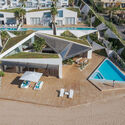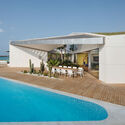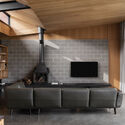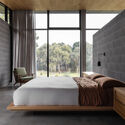


-
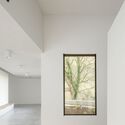
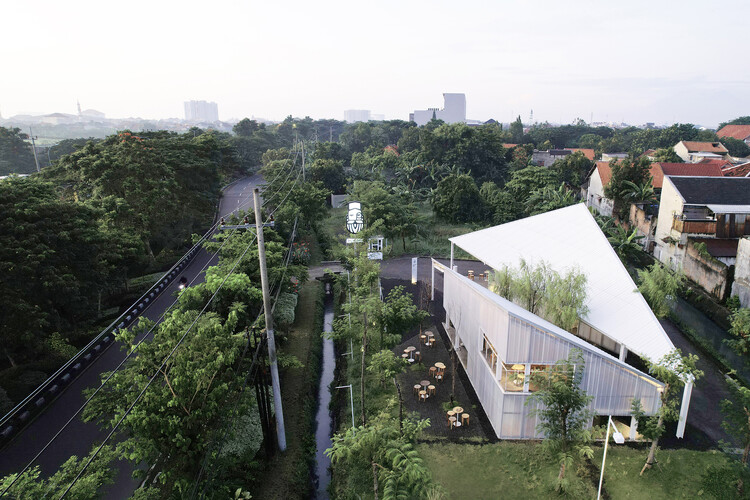
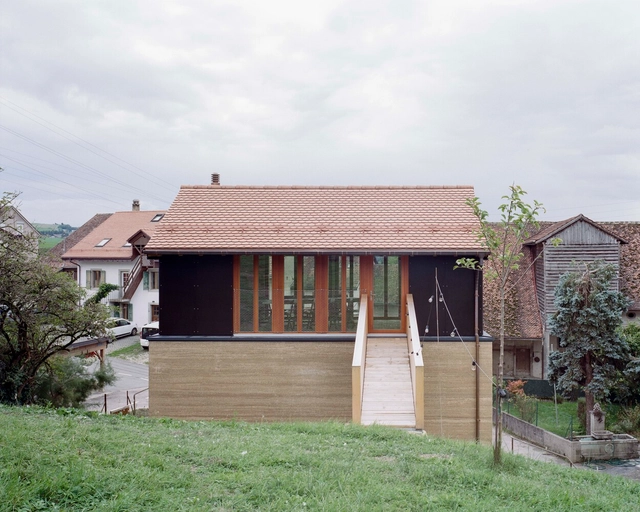
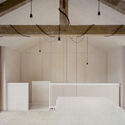
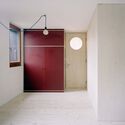
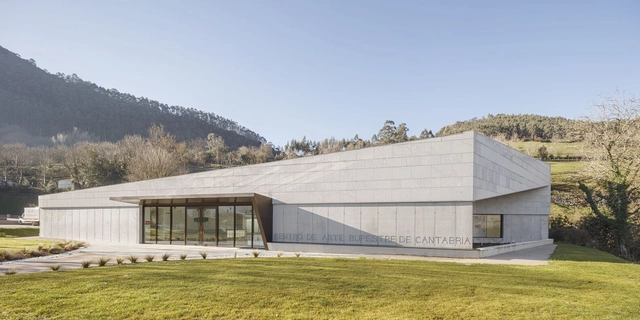
Architects: Madeleine architectes, Studio François Nantermod
- Area: 150 m²
- Year: 2022
-
Professionals: INGPHI SA


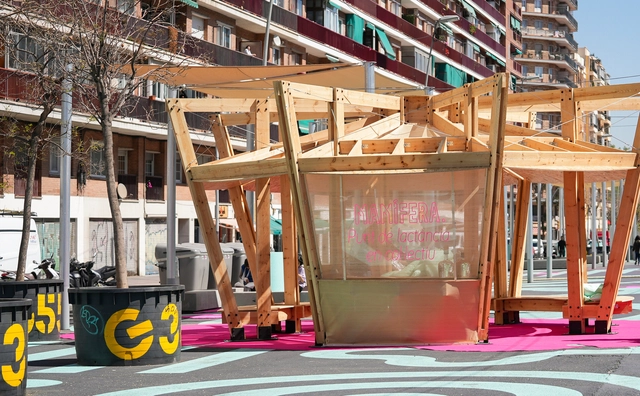
From April 20 to 30, the second edition of the Model: Festival d'Arquitectures de Barcelona took place, debuting a new theme, Radical Empathy, and a new location, the surroundings of the new Parque de las Glorias. This year, managed by the Fundació Mies van der Rohe, the event turned the city into a laboratory of experimentation and dissemination of architectural and urban thought, providing an opportunity to rethink new models and new imaginations of the city.
During the 10 days of the festival, 5 temporary installations were presented as a tool to build a more sustainable, fraternal, and fair city. Among the proposals, we could find a breastfeeding area designed by Equal Saree, the roof of a parking lot transformed into a mushroom structure by Harrison Atelier, and a surface that provides information about the benefits and disadvantages of the city's air created by Daryan Knoblauch, among others. At the same time, a series of 4 digital architectures and augmented realities were added, incorporating new experiences and technologies.
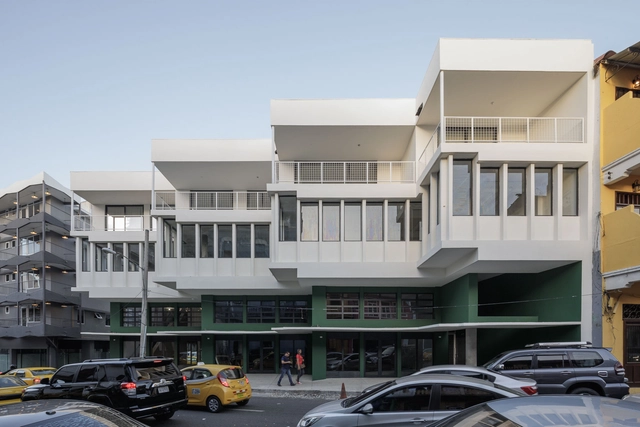
The city of Panama has been experiencing an architectural rebirth. Buildings that have become outdated and deteriorated over time are now being renovated, restored, and modernized - and one of the main offices carrying out this task is Sketch, an architecture studio that defines itself as "energetic, multidisciplinary, and a firm believer that design should be both smart and fun."
Their renovation and remodeling projects, such as the STEPS Dance Academy, the DiabloRosso Gallery, and the mixed-use building La Moderna, are clear indications of this transformative spirit that revolves around efficiency and relevance. Learn about these projects in detail below.
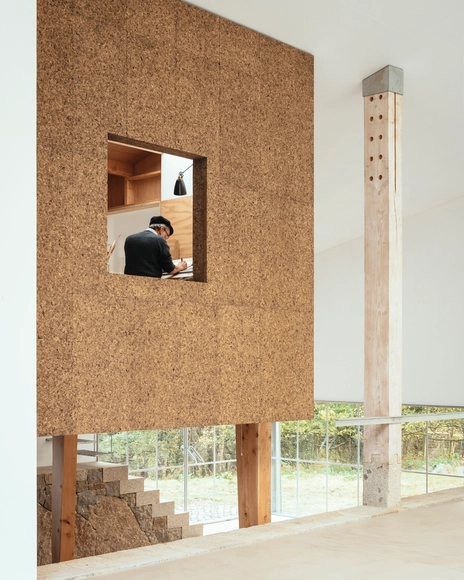
How can we transport ourselves to natural environments when we are in completely urban situations? The materiality of our surroundings is an important factor that determines the atmosphere we inhabit. In many cases, the use of natural materials in interior architecture can help evoke nature in our daily spaces. In this article, we will specifically analyze the effect that cork has as a special resource in the design of interior spaces. Cork is the bark of a tree species called cork oak. When extracted from the tree, it is transformed into a useful raw product and can be applied to a variety of different uses.
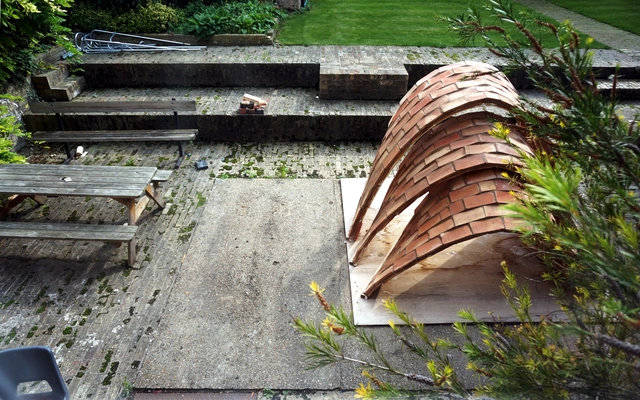
The UIA World Congress of Architects 2023 is an invitation for architects from around the world to meet in Copenhagen July 2 – 6 to explore and communicate how architecture influences all 17 UN Sustainable Development Goals (SDGs). For more than two years, the Science Track and its international Scientific Committee have been analyzing the various ways in which architecture responds to the SDGs. The work has resulted in the formulation of six science panels: design for Climate Adaptation, design for Rethinking Resources, design for Resilient Communities, design for Health, design for Inclusivity, and design for Partnerships for Change. An international call for papers was sent out in 2022 and 296 of more than 750 submissions have been invited to present at the UIA World Congress of Architects 2023 in Copenhagen. ArchDaily is collaborating with the UIA to share articles pertaining to the six themes to prepare for the opening of the Congress.
In this first feature, we met with the Head of the Scientific Committee Mette Ramsgaard Thomsen, Professor and Head of the CITA (Centre for IT and Architecture), Royal Danish Academy of Fine Arts, School of Architecture, Design and Conservation who is also co-chairing the panel design for Rethinking Resources with Carlo Ratti, Professor and Director of the Senseable Lab, MIT, Founding Partner of CRA-Carlo Ratti Associati.

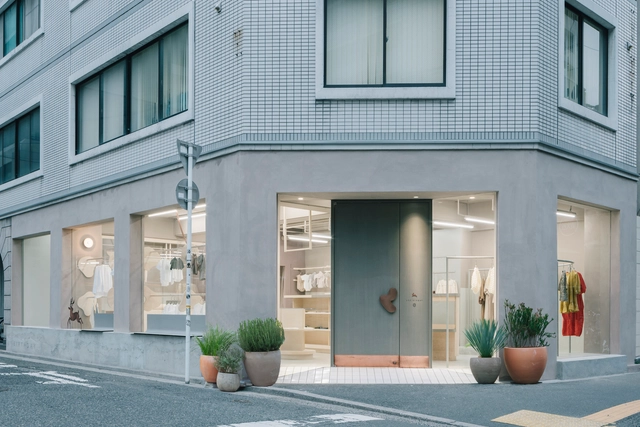

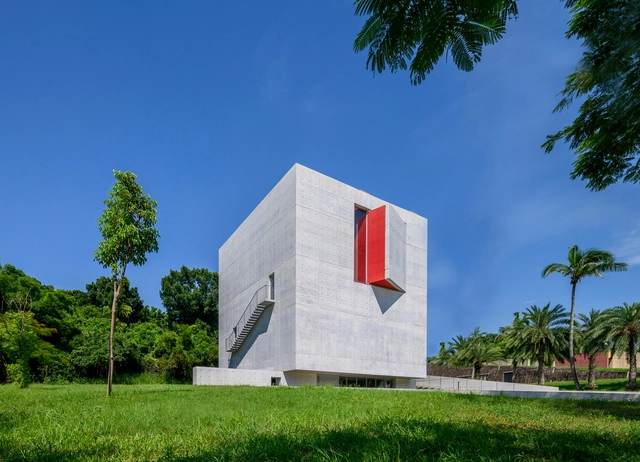


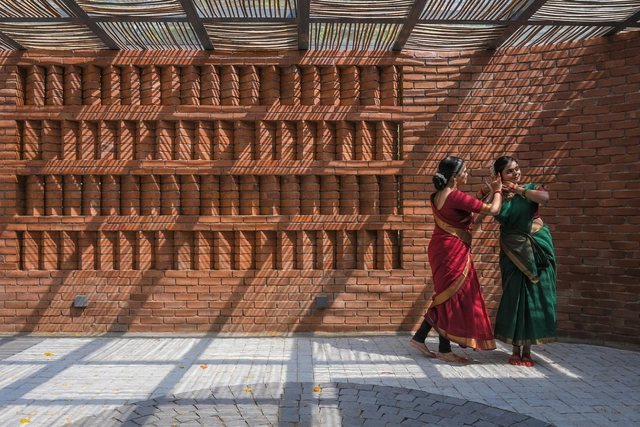
Contemporary Indian design culture can aptly be described with one word - fusion. A close look at the trends in fashion, cinema, music, and art soon reveals the country’s aspirations as a globalized nation. Reveling in a new era, India’s art and design appear as a combination of influences from traditional life and the Western world. A “neo-Indian” image informs multiple forms of cultural expression, including architecture and interior design. As Indians and Indian architecture carve the country's place in the world, a new design trend flourishes - one that is driven by modern lifestyles, international influences, a colonial past, and a desire to stay connected to its roots.
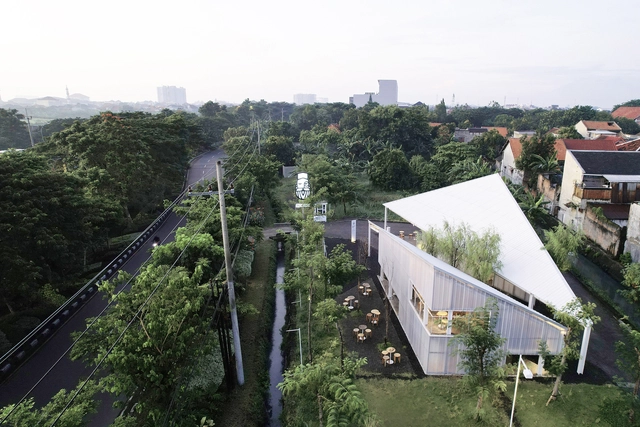
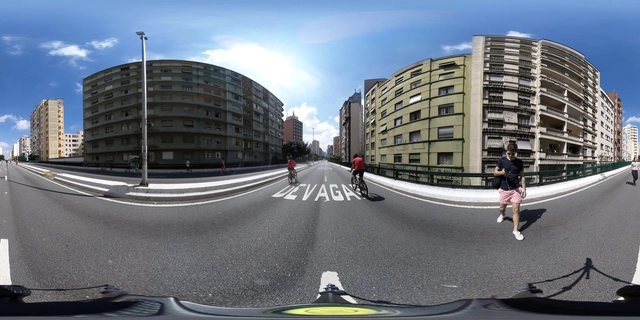
While most architectural critics and theorists agree that architecture can only really be learned on site –by experiencing its volumes, textures, sounds and smells– hardly anyone would have the time and resources to see all the projects they would like to in person. Ways of documenting a building or a city have aroused the curiosity of painters, photographers and artists throughout history. From the traditional classical portrait with perfectly adjusted proportions to disruptive forms such as Michael Wesely's long exposure images, Heinz Emigholz's experimental film set, or Tuca Vieira's Photographic Atlas of the city of São Paulo, there are myriad ways to portray the built environment. 360° cameras bring yet another set of possibilities to documenting architecture and urban scenes. We spoke to Romullo Fontenelle, architect and architectural photographer, who tested the new RICOH THETA X 360° camera and provided an account of how this technology can improve the efficiency and precision of his design processes.