How to visualize architectural concepts in SketchUp using D5 Lite for faster design exploration.
How to visualize architectural concepts in SketchUp using D5 Lite for faster design exploration.

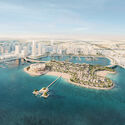
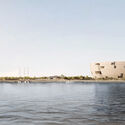
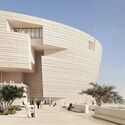
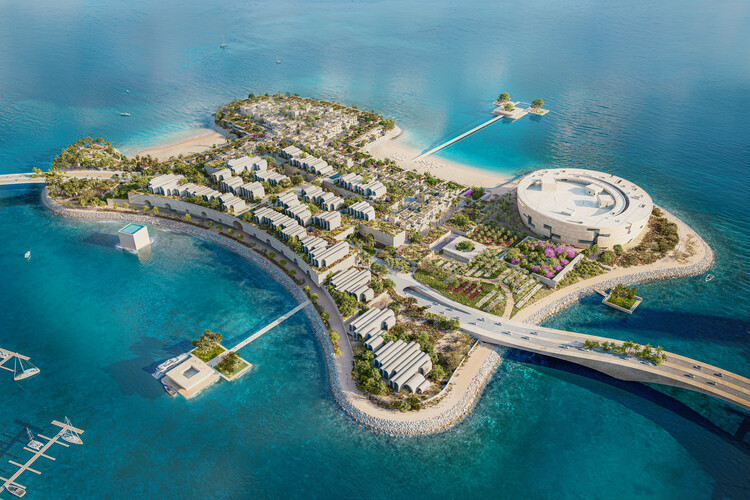
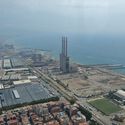
Al Maha Island is a 230,000 m² human-made island located off the coast of Lusail, Qatar. Built as an entertainment and leisure destination north of Doha, it opened in 2022, just ahead of the FIFA World Cup. In 2024, Qatar Museums released renderings of the future Lusail Museum, designed by Swiss architecture office Herzog & de Meuron and located on the southern tip of the island. Most recently, the firm revealed updated images of the island masterplan and the museum's exterior design. The new Lusail Museum will house a collection of Orientalist art, exploring the movement of people and ideas across the globe, past and present, and will offer opportunities for study and debate on contemporary global issues. It is expected to become the cultural anchor of Lusail City, in a building conceived by Jacques Herzog as "a vertically layered souk, or miniature city contained within a single building."

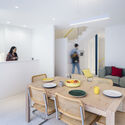
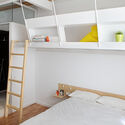
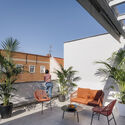
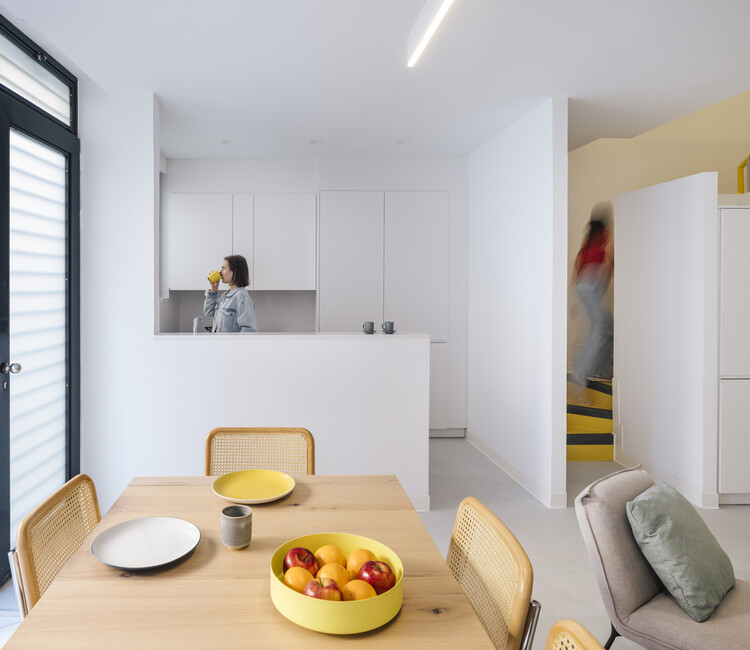
As co-living becomes increasingly associated with students, young professionals, and other mobile residents, it raises a broader architectural question: if home is no longer tied to long-term residence, what should architecture expect the private dwelling to provide?
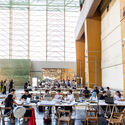
People move for school, for a temporary job, or for a career that keeps taking them somewhere new. Many now expect to spend a defined period in a place before leaving it. Housing built for them has to do more than provide shelter. It has to support the routines through which someone adapts to an unfamiliar place, in the short time they know they have there. A year in a city asks something different of an apartment than a lifetime does, even if the square meters look the same on paper.


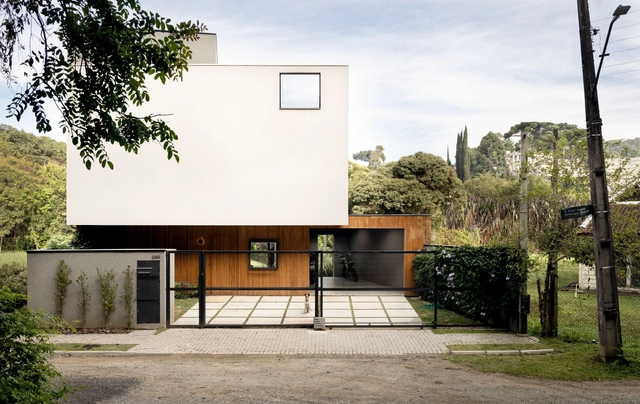
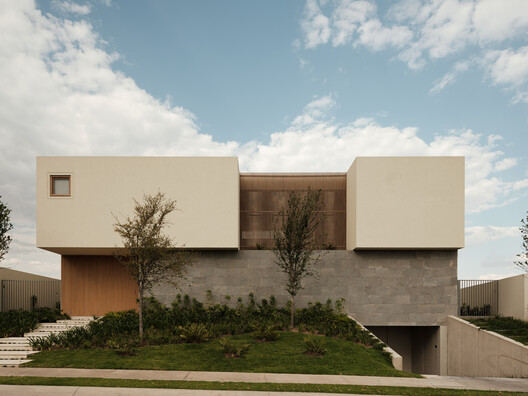


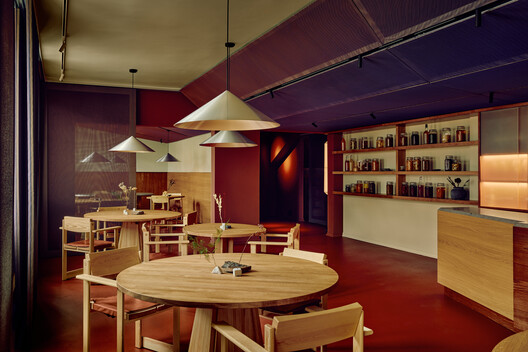

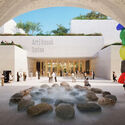
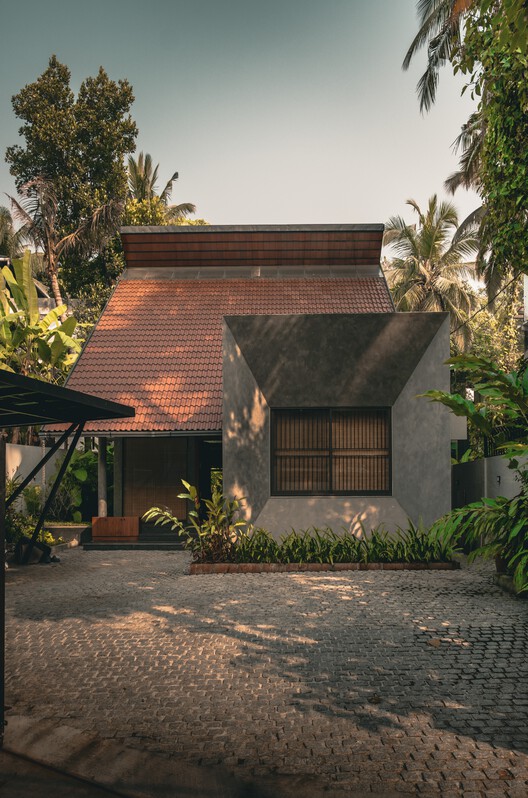
There is a big difference between looking at an image of a building and experiencing the space it represents. The atmosphere of a place, shaped by its light, sounds, materiality, and relationship with the surrounding landscape, has long belonged to the realm of physical experience. Today, real-time rendering technologies are beginning to narrow that gap, allowing projects to be explored and experienced before they are ever built.
Long before a building is constructed, it exists as drawings, physical models, perspectives, photographs, and, more recently, photorealistic renderings. Each new representational tool in history has sought to communicate not only the appearance of a project, but also the experience of inhabiting it.
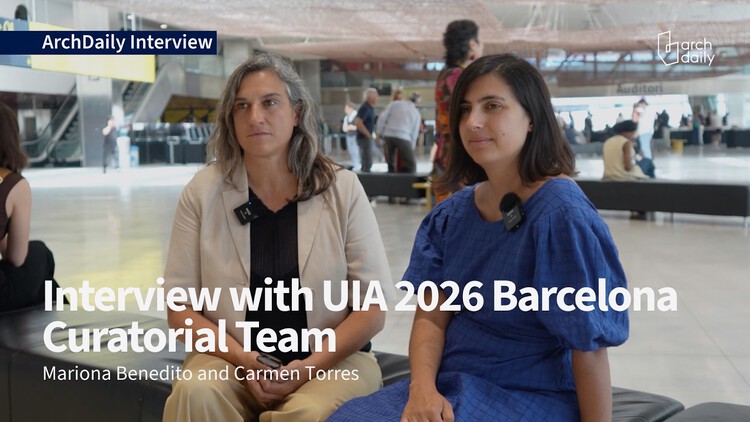
As Barcelona hosts the UIA World Congress of Architects for the second time in its history, thirty years after the 1996 edition, the city becomes a site for reflecting not only on architecture but also on the changing conditions under which it operates. Titled Becoming. Architectures for a Planet in Transition, and developed by the six-member curatorial team of Pau Bajet, Maria Giramé, Mariona Benedito, Tomeu Ramis, Pau Sarquella, and Carmen Torres, the 2026 Congress expands the discussion beyond the city toward planetary questions, addressing architecture through ecological, social, political, and material systems rather than as an isolated discipline. During the opening day of the Congress, ArchDaily spoke with Mariona Benedito and Carmen Torres, two members of the curatorial team, about how this edition revisits Barcelona's architectural legacy, why uncertainty has become central to architectural thinking, and what they hope participants will take away from the event.


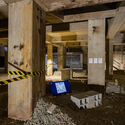
In June 2026, the refurbished Teatro Mauri reopened its doors on Cerro Bellavista in Valparaíso, formerly Chile's main port. The building forms part of Latin America's modernist legacy and stands adjacent to La Sebastiana, one of the renowned residences of the poet Pablo Neruda. It was designed by architect Alfredo Vargas Stoller, author of other icons of modern architecture in Valparaíso, such as the Edificio Cooperativa Vitalicia and the Conjunto de Viviendas Vargas in Viña del Mar. Teatro Mauri opened in 1951 as a venue for performances and cinema. Following a fire in the early 1990s, it fell into disrepair, serving only sporadically as a venue for local parties and events. In 2015, it was purchased by the Sociedad Chilena de Autores e Intérpretes (SCD), which commissioned its restoration from architects Laura Garrido and Gregorio Garretón.