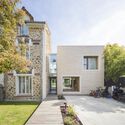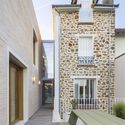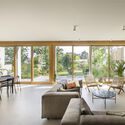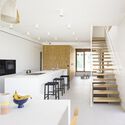


-
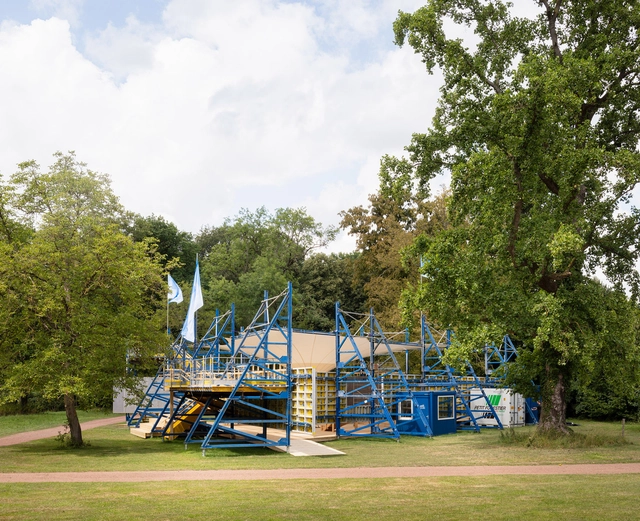
Architects: Laboratory of Architecture #3
- Area: 60 m²
- Year: 2021




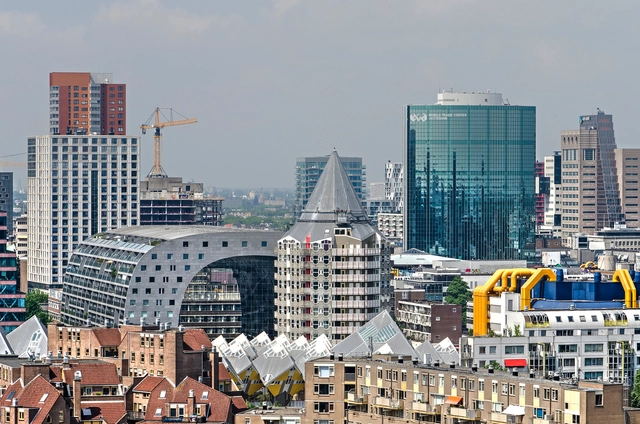
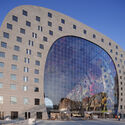
Often referred to as the “Manhattan on the Maas,” Rotterdam is a city unlike any other in the Netherlands. The Dutch metropolis with its striking skyline, tells a unique architectural narrative with chapters filled with the rubble of the devastating bombings of World War II, followed by a story of reconstruction that transformed the city into a hub for experimental architecture and urban planning. Today a mosaic of architectural styles, Rotterdam has embraced innovation, becoming a global showcase for cutting-edge design and sustainable urban development.
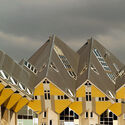
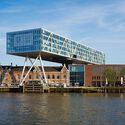
In 1940, almost the entire city center was wiped out by German bombs. Instead of following other European cities’ examples of reconstruction, Rotterdam decided to reinvent itself. Today, the city hosts some of the most well-known Dutch pieces of architecture, such as the Kubuswoningen or the Het Nieuwe Instituut. Its open attitude toward innovation and experimentation continues to attract talent from around the world, as its distinctive skyline continues to change and adapt to contemporary conditions.
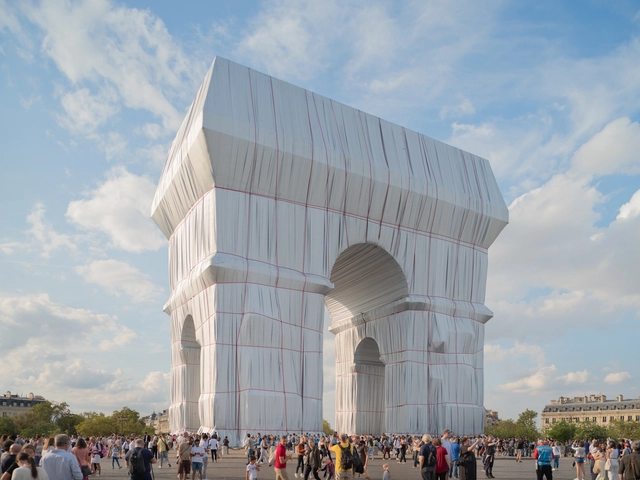
Two years ago, on September 18, 2021, Christo and Jeanne-Claude's L'Arc de Triomphe, Wrapped, 1961–2021, was inaugurated. The monumental public artwork wrapped the Parisian monument in over 25,000 square meters of silvery fabric tied in place with 7,000 meters of red rope. The materials, all made out of woven polypropylene, a type of thermoplastic, are now being reused, upcycled, and recycled, following the artists’ vision. Most of the materials will be transformed to serve practical uses for future public events in Paris. The Christo and Jeanne-Claude Foundation is also collaborating with Gagosian to bring Christo’s early works to London’s East End for an exhibition open from October 6-22, 2023.
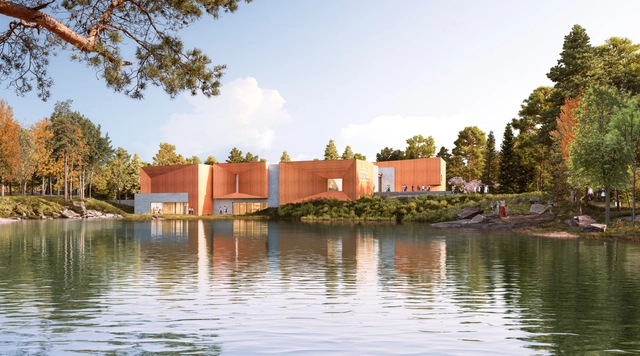
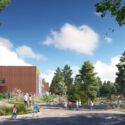
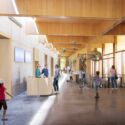
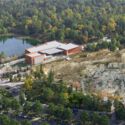
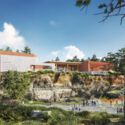
Ennead Architects and KSS Architects have just unveiled the design for the Jean & Ric Edelman Fossil Park Museum of Rowan University. The museum is located at the heart of a 65-acre fossil park in Mantua Township, New Jersey. Spanning 44,000 square feet, the program focuses on exploration, preservation, and education. Moreover, it allows citizens and scientists to have the unique opportunity to participate in fossil excavation alongside research actively. The visitor and the researchers will study the events leading to the fifth mass extinction, all within the confines of a 66-million-year-old former quarry. The project is scheduled to open its doors to the public in early 2024, positioning itself as a symbol of scientific exploration and environmental stewardship.

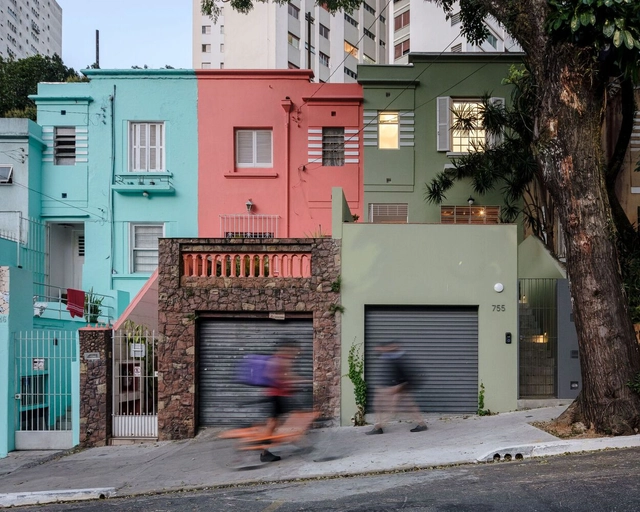
More and more, the field of architecture is shifting its focus towards revitalizing existing spaces. This shift is motivated by various factors, including concerns about sustainability, cost constraints, and the scarcity of available land in rapidly expanding urban areas. It presents an opportunity not only to renovate buildings but also to engage with the layers of time. This intricate task involves fostering a dialogue between contemporary and historical materials, acknowledging traditional construction techniques, and even uncovering hidden aspects of history and geography within the built environment to create truly unique architectural experiences.
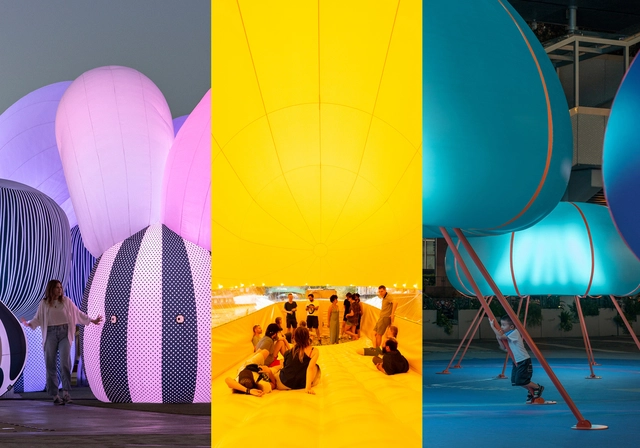
As society, technology, and architecture have evolved, designers and architects have embraced novel construction systems and innovative approaches to reshape the built environment. This advancement has stretched the boundaries of traditional construction techniques and ignited fresh ideas in building design.
In the past, some architects and artists aimed to question an architectural paradigm deeply entrenched in anthropocentrism. Historically, architecture has been linked to the notion that buildings, being conceived by human beings, must be extremely durable, even imperishable. Considering the principle that the best intervention is the least intrusive, inflatable architecture, in contrast to these human-centric viewpoints —but aligned to our ephemeral nature—, can propose structures that may exist one day and vanish the next, leaving a temporal imprint on the landscape. This architectural approach uses textiles as the primary material and air as the structural system, potentially challenging the traditional Vitruvian ideals of Venustas, Firmitas, and Utilitas.