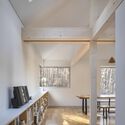
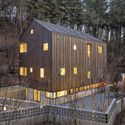

-
Architects: Soltozibin Architects
- Area: 221 m²
- Year: 2016
-
Manufacturers: FILOBE, FLE P/J, HAY, Muuto
-
Professionals: SejinSCM, Codam Technology Group, Stuga Wooden Construction





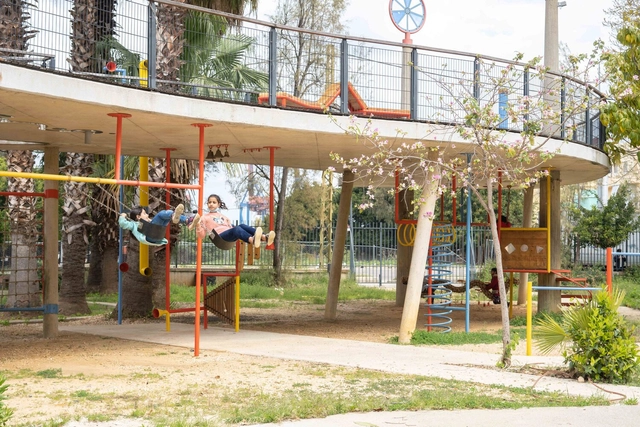
Public spaces are not always shaped by planning but by the practices they host. Their existence stems from our inherent need for connection with others. As spaces of encounter, these urban, open, and accessible areas reflect how we interact with our surroundings and each other while offering places for exercise, play, socializing, and recreation.
Recognizing that public spaces are more than just physical environments, CatalyticAction is dedicated to fostering a sense of community, safety, and belonging, especially for children, who are among the most vulnerable in society. Their mission is not only to create spaces where children can play and grow but also to empower them, ensuring they have a voice in shaping their surroundings. To learn more about their work, Christele Harrouk, ArchDaily's Editor-in-Chief, spoke with Joana Dabaj, Co-founder and Director of Programmes at CatalyticAction.


In the construction industry, light wood-frame offsite construction has emerged as a game-changing approach, promising faster build times, higher quality, and reduced environmental impact. Member companies of the Quebec Wood Export Bureau (QWEB) have launched a digital tool that harnesses the benefits and potential of prefabricated light wood-frame products for projects.
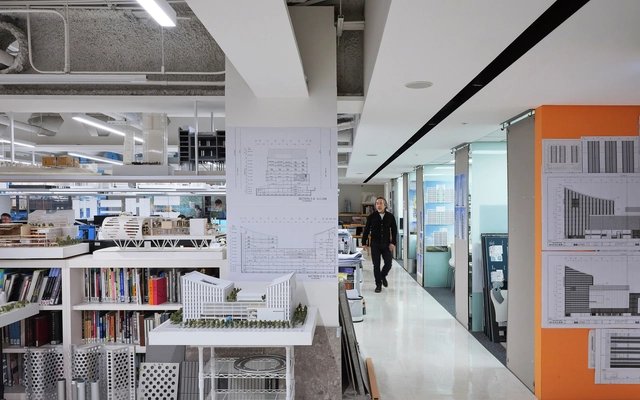
Further developing his collection of photographic series featuring architecture offices from around the world, Archmospheres photographer Marc Goodwin is now exploring workspaces in Taiwan. Among the included offices are well-known studios such as Fieldoffice Architects, an office whose output has significant cultural importance as they represent an example of Taiwanese Deconstructivist Architecture, in addition to other offices such as KRIS YAO | ARTECH, Divooe Zein Architects, and hii architects.
To create this collection, Marc Goodwin collaborated with Italian architect, publisher, teacher, and curator Alessandro Martinelli, who is based in Taipei. He selected the participants with the help of Mr. Chung-Hsiung Wang, the curator of the Taiwan Pavilion at the Venice Architecture Biennale 2018. The series will continue to develop with the creation of scale models for each studio, which will be exhibited alongside the photographs in the Taiwan Pavilion of the Venice Biennale.
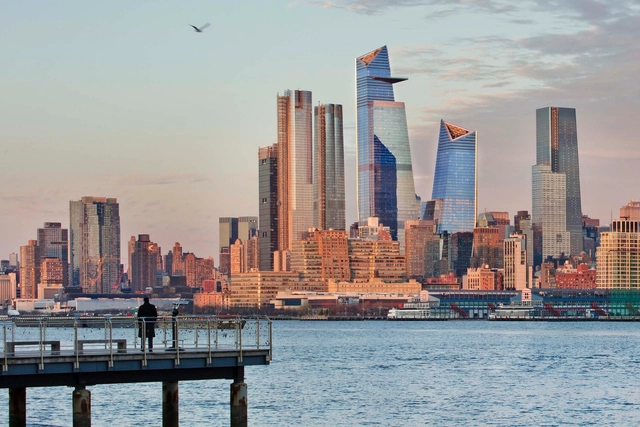
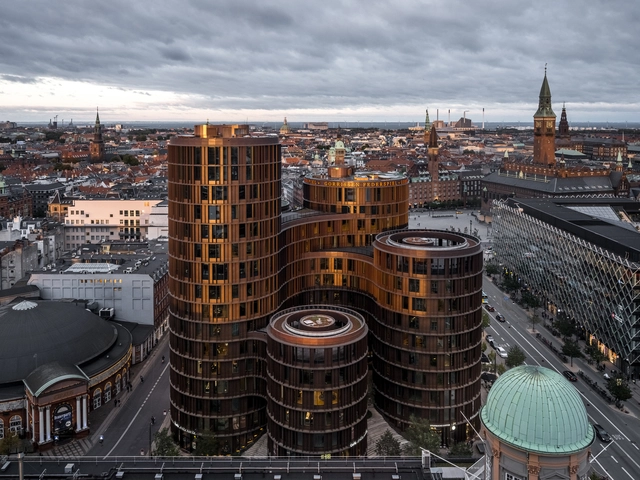
The office building typology emerged from the need to unite thousands of people within a relatively strict working environment. In major cities, these structures clustered into Central Business Districts (CBDs), which became dedicated neighborhoods accommodating commerce and businesses. However, the COVID-19 pandemic disrupted this model, leading to the rise of remote and hybrid work. Now, nearly four years later, occupancy rates in these urban centers remain lower than pre-pandemic levels, signaling a long-term shift in the work environment. To address this challenge, developers have been increasingly looking into “repositioning” their projects, seeking to redefine their image by adapting them to contemporary demands. This typology considers the surrounding urban fabric, aiming to expand the building’s use beyond its original purpose and attract people back to the CBDs.