


-
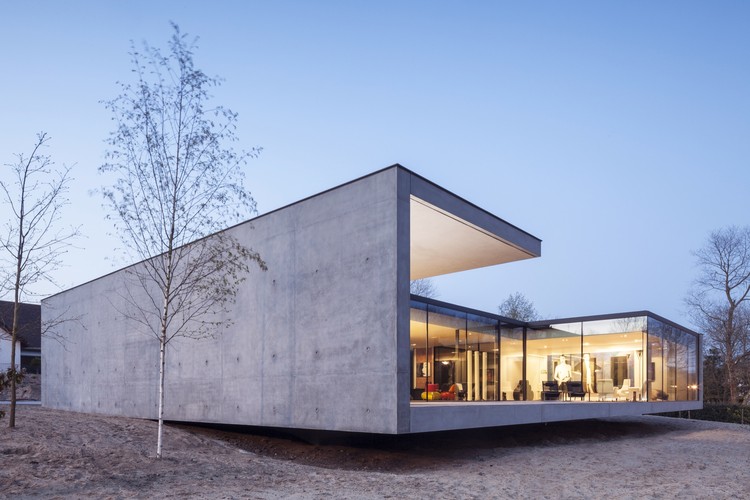
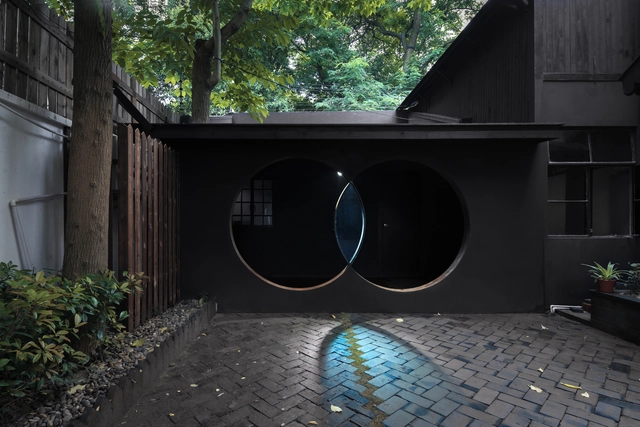
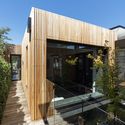
Architects: Wutopia Lab



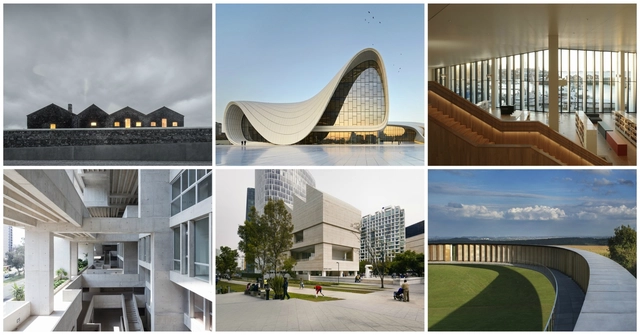
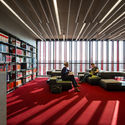
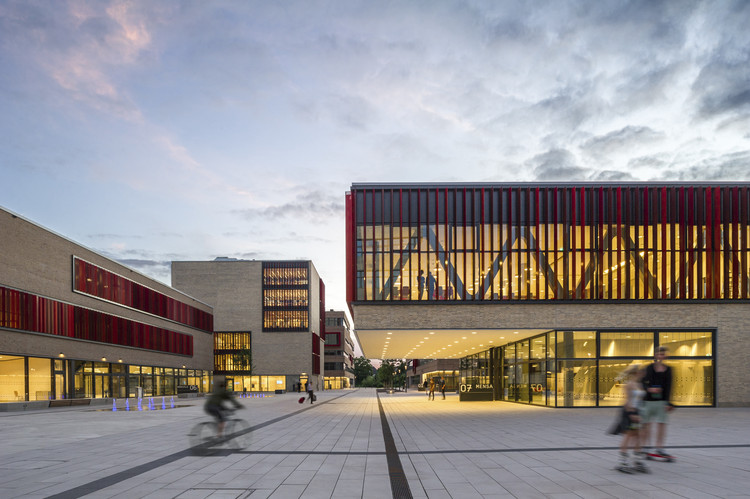
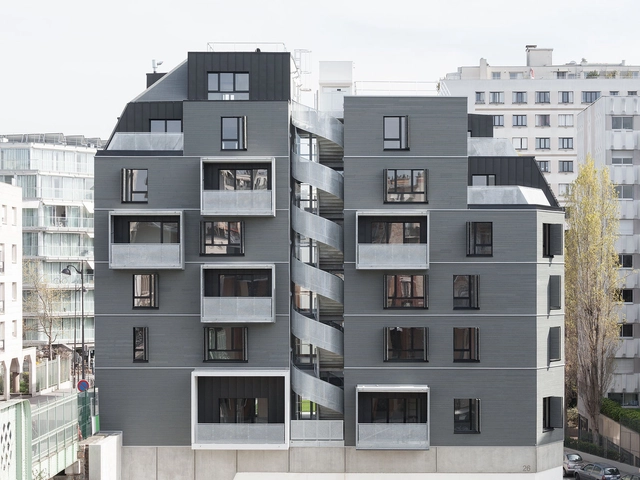
The Royal Institute of British Architects (RIBA) has announced the shortlist of six finalist projects in the running for the inaugural RIBA International Prize. The first RIBA Award open to any qualified architect in the world, the International Prize seeks to name the world’s “most significant and inspirational” building. Criteria for consideration include the demonstration of “visionary, innovative thinking and excellence of execution, whilst making a distinct contribution to its users and to its physical context.”
The six finalists were named from a longlist of 30 buildings, from which a further selection of 21 projects have been recognized by the jury for the RIBA Award for International Excellence. The jury has also named the winner of the RIBA International Emerging Architect prize recognizing “the achievement of architects in the earlier stages of their career who are working on global projects.”
The Grand Jury is lead by Richard Rogers and includes Billie Tsien, Kunlé Adeyemi, Philip Gumuchdjian, and Marilyn Jordan Taylor.
"Our panel of jurors have been particularly impressed by the way in which each building reacts to, resolves and assimilates into the varying geographies and contexts - from dense urban cities to a small town in the Arctic Circle," said RIBA President Jane Duncan on the naming of the finalists. "Each project resolves the complex demands of its context with ingenuity, exceptional detail and finishing and a sensitivity to the needs of the users and communities which will inhabit these spaces."
.jpg?1476682207&format=webp&width=640&height=580)

Apple has unveiled a new version of their professional-level portable computer, the MacBook Pro, making steps towards defining the laptop as a tool for those in the creative industries. With a full 500 days since these devices were last refreshed by the company, the standout feature of this latest incarnation is a new, application-specific Touch Bar – a touch-sensitive display band at the top of the keyboard which becomes an “intuitive” part of the user interface, which also includes a Touch ID fingerprint sensor. Oh – and there’s still a headphone jack!
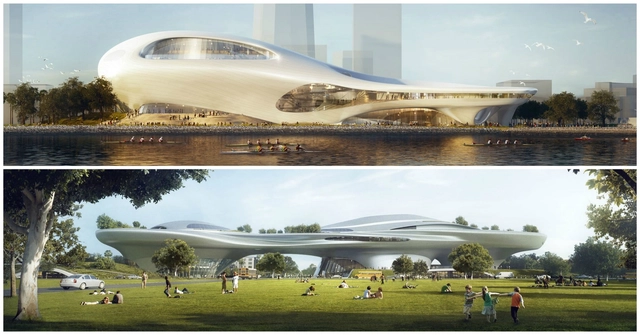
In the latest episode of what has become a dramatic narrative worthy of its own space opera, The Lucas Museum of Narrative Art has revealed plans for their two newest hopes: prospective museum designs, one in Los Angeles and one in San Francisco, that could serve as the new home of filmmaker George Lucas’ eclectic personal collection of artworks, costumes and artifacts.
After their failed proposal for a mountain-shaped museum along the Chicago Waterfront, the museum has again tapped architect Ma Yansong and his firm, MAD Architects, to design both proposals for the California sites, the first along the water on Treasure Island in San Francisco Bay, and the second for a site in Exposition Park in Los Angeles, adjacent to the city’s Natural History Museum and the Coliseum.
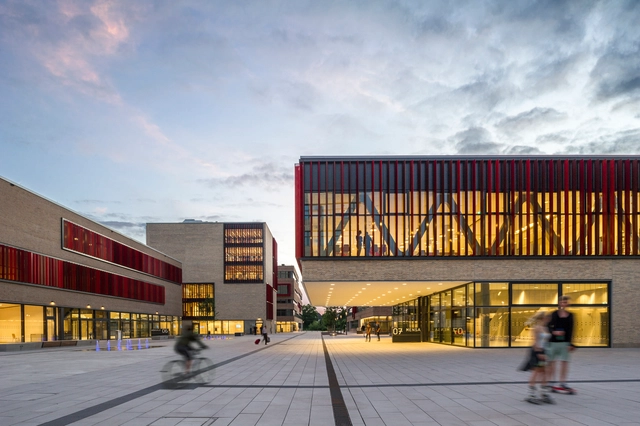
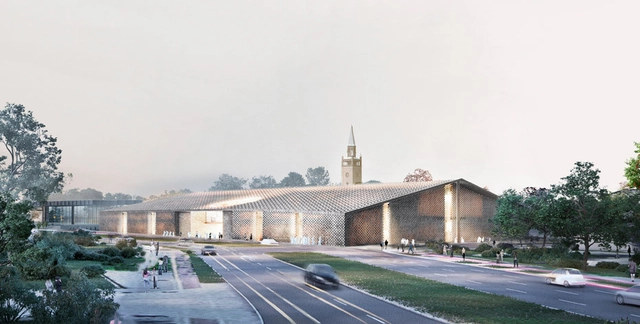
Three winning firms have been selected in the competition for the Museum of the 20th Century to be located in the heart of the Berlin Cultural Forum in Berlin, Germany. The 200 million euro building and site plan will serve as the new home of multiple internationally significant art collections, including the National Gallery’s Marx and Pietzsch collections, sections of the Marzona collection, and a collection of works from the Kupferstichkabinett (Museum of Prints and Drawings).
In 2015, the competition was launched, aimed at finding a design scheme that would encompass the site layout, architecture and landscaping around the museum.
Facing stiff competition from a list of 42 renowned finalists, Herzog & de Meuron together with Vogt Landscape Architects has emerged victorious for their brick, warehouse-inspired design. Runner up prizes were given to Lundgaard & Tranberg Architects with SCHØNHERR A / S, and Bruno Fioretti Marquez with Capatti Staubach Landscape Architects, while four jury recognitions were awarded to proposals from OMA, SANAA, Staab Architekten, and Aires Mateus e Associados.
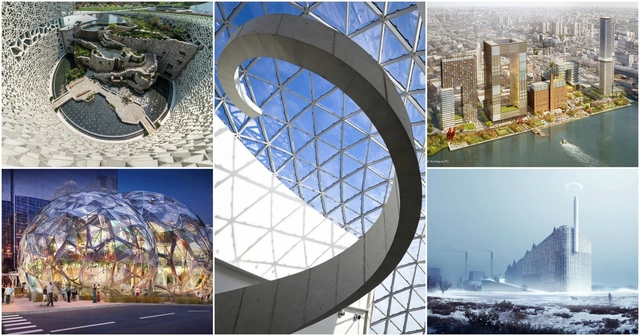
This article was originally published by Archipreneur as "5 of the Most Innovative Architecture Firms."
The AEC industry is notoriously slow to adopt new technologies. Cumbersome organizational structures and high financial stakes make it difficult for AEC professionals to experiment. Due to the limited role of architects in the project development process, innovative design solutions and experimentation with new manufacturing techniques are still confined to academic circles and research institutions.
However, some architecture firms are utilizing their high profiles, international success and the influx of talented, young designers to establish in-house research divisions and incubators that support the development of new ideas in the AEC industry. The following five companies are consistent in pushing the envelope and helping architecture adopt some of the latest technologies:

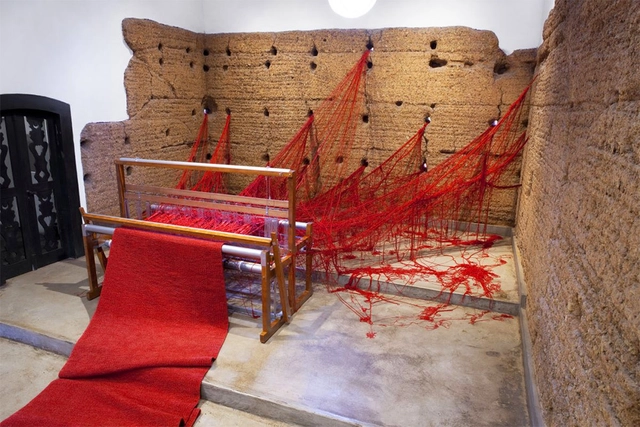
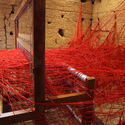
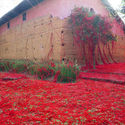
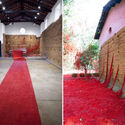
Made from a combination of tangled and woven red wool, Brazilian artist Tatiana Blass’ installation, “Penelope,” flows inside and out of the Chapel of Morumbi in São Paulo, Brazil.
The installation was inspired by the Greek myth of Penelope, who was Odysseus’ wife in Homer’s Odyssey. In the story, Penelope weaves and destroys a burial shroud for her husband, in a tribute to the power of love and to weaving.
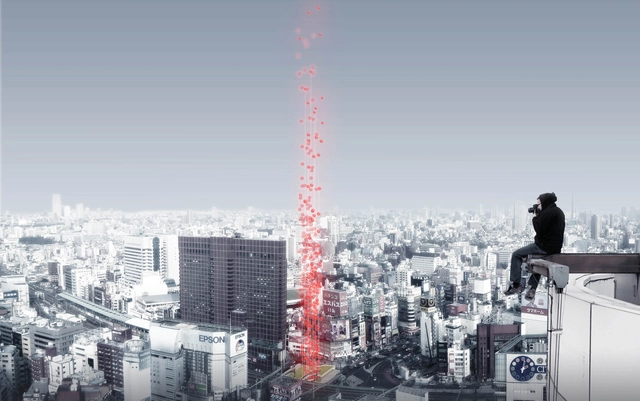
Architectural research initiative arch out loud has announced the winners of Tokyo Vertical Cemetery, its international open ideas competition that sought solutions to Tokyo’s rising issue of burial space.
Sited in the Shinjuku district of Tokyo, the competition challenged architects and designers to develop proposals for a vertical cemetery that explores the relationship between life and death in the city while taking into account the cultural identity that is tied to death.
From 460 proposals representing 54 countries and six continents, one winner and three runners-up were selected by a jury including David Adjaye, Tom Wiscombe, Alison Killing, and more.
The winners of the Tokyo Vertical Cemetery competition are:
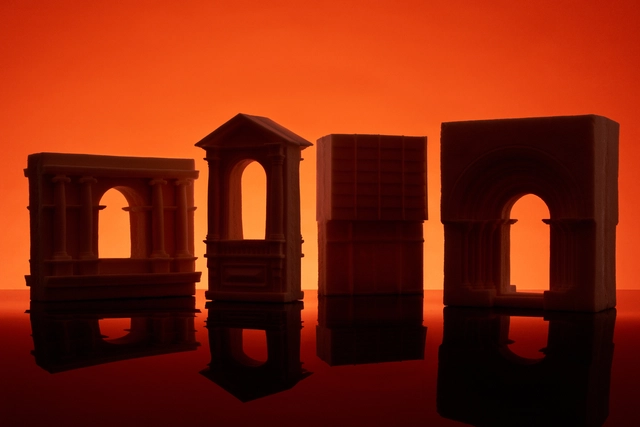
One of the key challenges faced by the European currency union, the Euro, was that of their design. In 2002, when the banknotes entered circulation across large parts of the European Union, the imagery that they possessed had to represent a continent of cultures. The answer: to create fictitious illustrations or, as the European Central Bank states, "stylised illustrations [of windows, doorways and bridges], not images of, or from, actual constructions." In a recent exhibition architect Anna Pang, in collaboration with Johan Holkers and Rolf Stålberg, have attemped to present the "fictive architecture" of the Euro as sugar sculpture.







.jpg?1476682207)
.jpg?1476378635&format=webp&width=640&height=580)
.jpg?1476378800 "© Federico Cairoli")
.jpg?1476378753 "© Federico Cairoli")
.jpg?1476378705 "© Federico Cairoli")
.jpg?1476378681 "© Federico Cairoli")
.jpg?1476378635)