

-
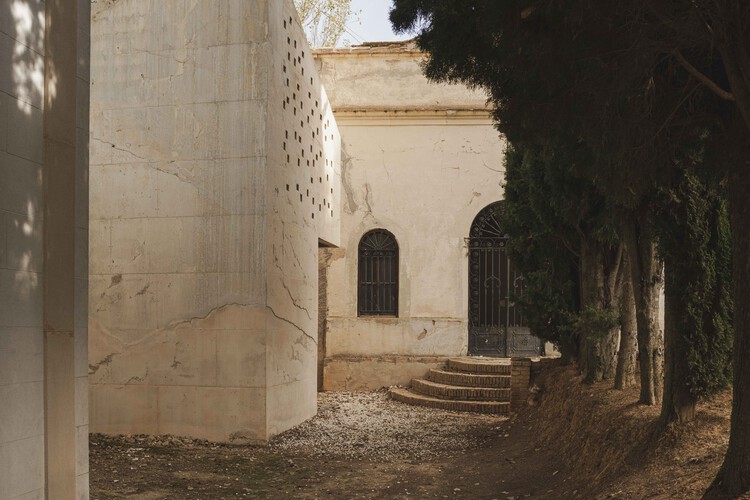
Architects: Belen Ilarri Studio
- Area: 15 m²
- Year: 2021



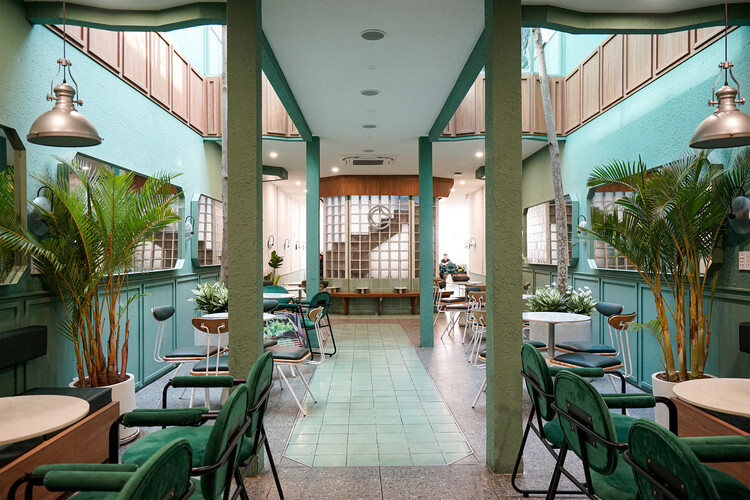
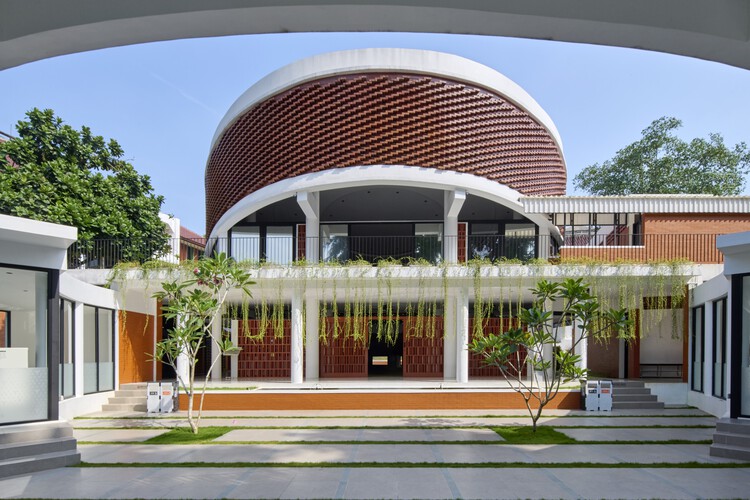
To fully know a city's architectural heritage, one must look beyond its designated sites and iconic buildings. For many, understanding a city's urban fabric and what makes it tick also means discovering the smaller-scale, locally appreciated, conserved buildings and popular gathering spaces. This is especially true when considering bustling Vietnamese cities, with their peculiar architectural characteristics, which can only be appreciated when learning about their many inspirations and historic layers, combining traditional Vietnamese motifs, modernism, local materiality, and climatic design solutions, but mostly by learning about the site constraints that are addressed through the implementation of the narrow tube houses and low-rise buildings.
These key styles and architectural movements are often maintained and even highlighted, as architects give a second life to many rundown or abandoned buildings, transforming them into popular coffee joints. They are reviving smaller heritage sites by pushing for their restoration and regular use by the community, encouraging visitors to acknowledge the historic relevance of the space, as they covet it.

Some types of work only become visible when they are no longer done. They are discrete, repetitive, rarely celebrated, yet they quietly sustain the functioning of any operation. In architecture, this dimension rarely appears in the images that circulate. When we think about the discipline, we evoke seductive renderings, carefully lit perspectives, precise plans, drawings that promise possible or even utopian futures. Yet the layer that supports these formal gestures is not found in the image, but in specification, detailing, and documentation.
Since artificial intelligence moved to the center of architectural debate, the conversation has largely been driven by its ability to generate forms and atmospheres in seconds. Stylistic simulations, conceptual variations, and visual experimentation have come to symbolize technological advancement in the field. There is something understandable in this fascination: architecture has always engaged with representation as a way of imagining what does not yet exist.

Today, 20 February, the United Nations marks World Day of Social Justice under the theme "Renewed Commitment to Social Development and Social Justice." This year's observance takes place in the aftermath of the Second World Summit for Social Development in Doha and the adoption of the Doha Political Declaration, renewing the commitments first articulated in the 1995 Copenhagen Declaration: poverty eradication, full and productive employment, decent work for all, and social inclusion as interdependent pillars of development. At a moment defined by widening inequalities and accelerating environmental and technological transitions, the 2026 commemoration calls for translating political affirmation into measurable, cross-sectoral implementation.


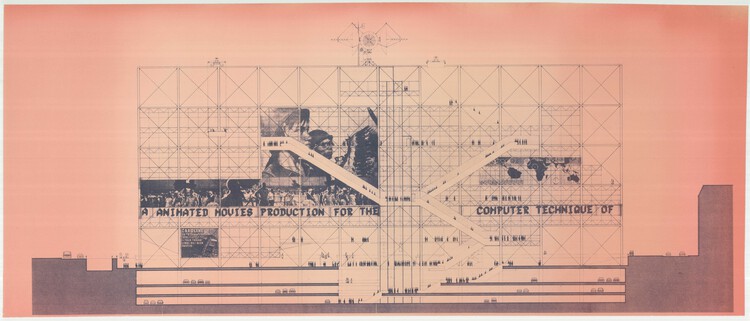
On January 30, an exhibition entitled "Concours Beaubourg 1971: Une mutation de l'architecture" opened in Paris, showcasing archival material from the competition that resulted in the selection of the current Centre Pompidou, designed by Renzo Piano and Richard Rogers between 1969 and 1974. In view of the building's recent closure for renovation, approximately 100 archival documents, including some never before exhibited from the Centre Pompidou's collections (plans, drawings, photographs, models, etc.), are on display at the Académie d'Architecture at Place des Vosges until February 22, 2026. Co-produced by the Académie d'Architecture and the Centre Pompidou, with support from the École nationale supérieure d'architecture de Saint-Étienne, the exhibition presents alternative, imaginative, and sometimes unbuildable proposals for the building. It offers a review of a fertile period in architectural history, highlighting the lasting effects of the "Beaubourg competition" on the discipline and profession.
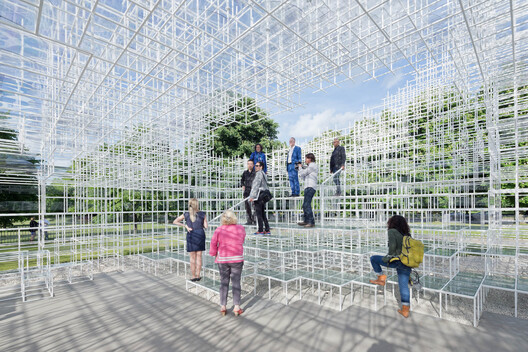
A Gothic cathedral can take centuries to complete. A world exposition pavilion may stand for six months. A ritual structure in Kolkata rises and vanishes within five days. Yet each draws pilgrimage, shapes collective memory, and reorganizes urban life. If heritage has long been defined by what endures, architecture repeatedly shows that cultural authority can also belong to what gathers people.
For much of the twentieth century, conservation frameworks privileged permanence. The Venice Charter, adopted by the International Council on Monuments and Sites, focused on safeguarding monuments and their material authenticity. Cultural value was tied to physical fabric such as stone, brick, and timber. To protect heritage was to preserve what stood. The logic felt stable, even self-evident.
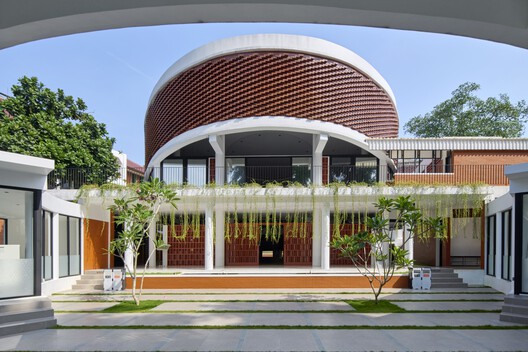


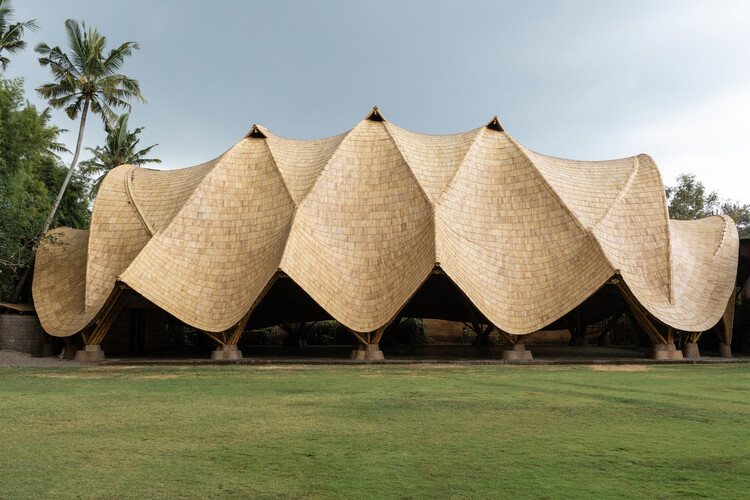
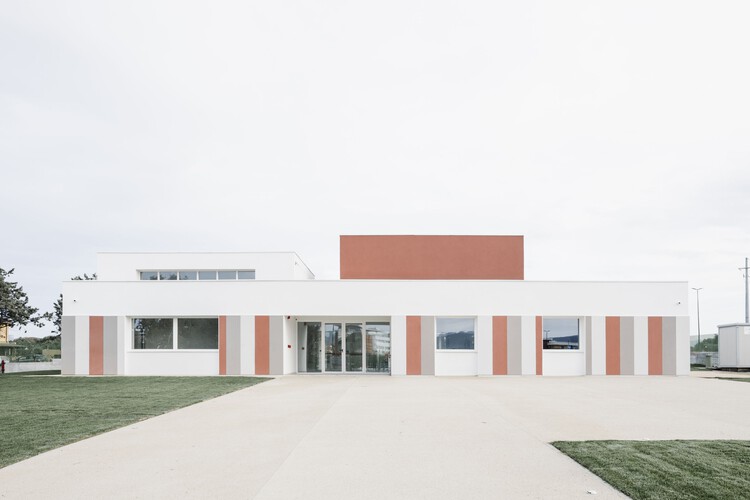
A revitalized canning factory in a coastal Portuguese city, a memorial park in Ethiopia, a small-town Brazilian home, a wooden pavilion evoking Bahrain's heritage, and 11 other visionary projects comprise the winners of the 2026 ArchDaily Building of the Year Awards. Chosen over three weeks of public voting, the winners are representative of the current architectural landscape, reflecting a diversity of approaches, materialities and aesthetics, while also showcasing common threads across cultures.
In its 17th edition, this year's Building of the Year Awards received more than 120,000 votes from over 100 countries, marking a record-breaking year for the world's largest community-driven architecture award. The winners represent 14 different countries, cultures and perspectives, coming from Brazil, Canada, Chile, Colombia, Denmark, Ethiopia, Germany, India, Indonesia, Japan, Portugal, South Korea, United States and Vietnam.

When Hong Kong's architectural story is told, it is often reduced to a handful of icons. Many people most readily name I.M. Pei—Pritzker Prize laureate and architect of the Bank of China Tower in Central (1990), as well as global works such as the Le Grand Louvre in Paris and the Miho Museum in Shiga. Looking elsewhere, one also encounters a long lineage of British and international architects whose imprints have shaped the city's institutional skyline: from Ron Phillips' civic works—most notably the former Murray Building (1969), now The Murray Hotel, and Hong Kong City Hall (1962)—to Norman Foster's infrastructural and corporate monuments, including the Hongkong and Shanghai Banking Corporation (HSBC) Tower (1986) and Hong Kong International Airport (1998), and, more recently, Zaha Hadid Architects' The Henderson (2024).
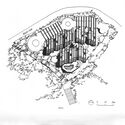
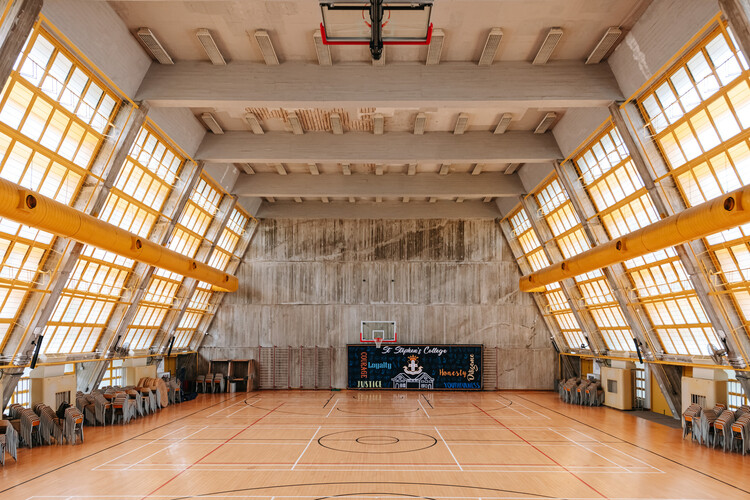
Yet within the same period as Pei and Foster, local architects were also producing buildings of enduring significance—works that carried the legacies of Bauhaus, but translated them into a language distinctly calibrated to Hong Kong's climate, density, and civic life. These projects may not always read as commercially prominent icons, yet they often register a sharper sense of social responsibility and public agenda. Among the most important figures in this lineage is the late architect Tao Ho, whose work and public role formed a quieter—but no less foundational—strand in Hong Kong's modern architectural heritage.