


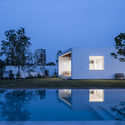
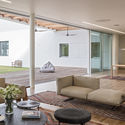
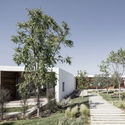
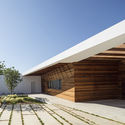
Z House / Ronnie Alroy Architects

https://www.archdaily.com/890391/z-house-ronnie-alroy-architectsRayen Sagredo
Atelier_142 / Atelier Wilda
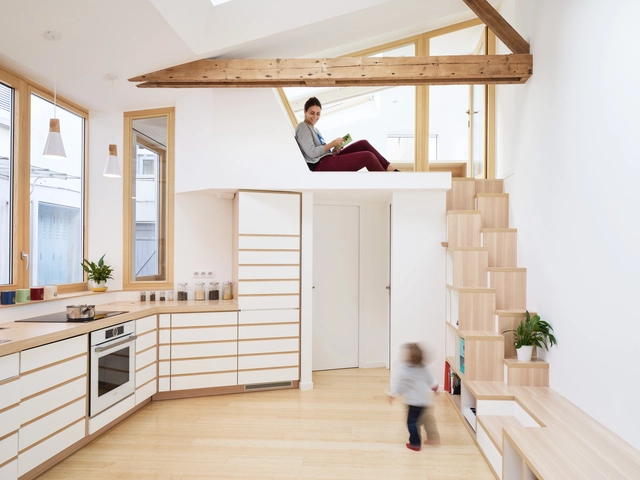


-
Architects: Atelier Wilda
- Area: 45 m²
- Year: 2017
-
Manufacturers: Grohe, Saint-Gobain, Novoceream, Otelo Bamboo, Panaget
-
Professionals: ProARt
https://www.archdaily.com/890318/atelier-142-atelier-wildaRayen Sagredo
Inside Outside House / Tamara Wibowo Architects
_-16__18.11.2017-.jpg?1520509301)
_-16__18.11.2017-.jpg?1520508636 "© Fernando Gomulya")
_-16__18.11.2017-.jpg?1520509421 "© Fernando Gomulya")
_-16__18.11.2017-.jpg?1520509301 "© Fernando Gomulya")
_-16__18.11.2017-.jpg?1520509095 "© Fernando Gomulya")
_-16__18.11.2017-.jpg?1520509301)
https://www.archdaily.com/890390/inside-outside-house-tamara-wibowo-architectsRayen Sagredo
Hui Coffee Lifestyle / Vanished Architecture



-
Architects: Vanished Architecture
- Area: 200 m²
- Year: 2017
https://www.archdaily.com/890220/hui-coffee-lifestyle-vanished-architecture罗靖琳 - Jinglin Luo
Camberwell House / AM Architecture
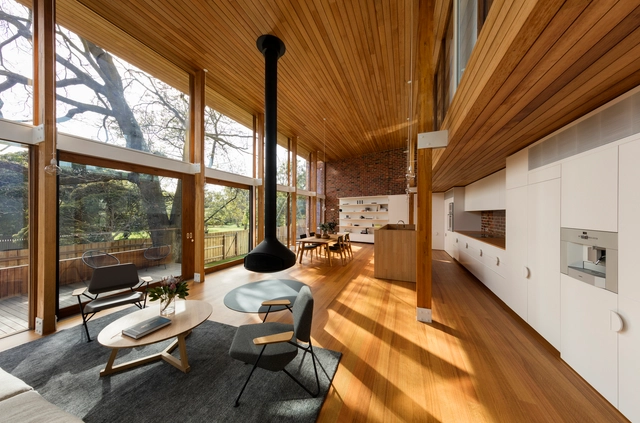

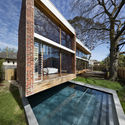
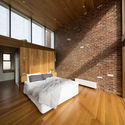
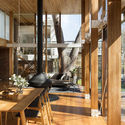

https://www.archdaily.com/890394/camberwell-house-am-architectureRayen Sagredo
Thick / Spinagu


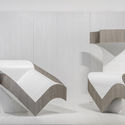
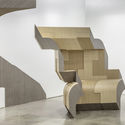
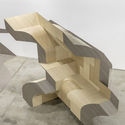

-
Architects: Spinagu
- Area: 1460 ft²
- Year: 2017
-
Manufacturers: Formica, Nelson Pine
-
Professionals: Eastbridge Studio
https://www.archdaily.com/889591/thick-spinaguRayen Sagredo
Heliotrope Home / Eftychis Architects


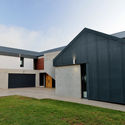

-
Architects: Eftychis Architects
- Area: 548 m²
- Year: 2016
-
Manufacturers: Holcim, Corobrick, Expert Aluminium, Viega
-
Professionals: 1P2
https://www.archdaily.com/792409/heliotrope-home-eftychis-architectsCristobal Rojas
New Renderings Revealed of The Shed at Hudson Yards as ETFE Cladding is Installed
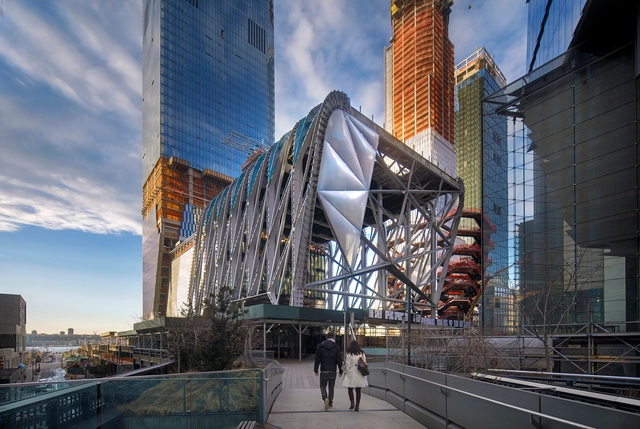
New renderings and details of The Shed at Hudson Yards have been revealed as the structure’s ETFE panels continue to be installed ahead of its Spring 2019 opening date.
The new images show how some of the cultural venue’s interior spaces will look, including the galleries and the vast event space created when the wheeled steel structure is rolled out to its furthest extents. This space will be known as “the McCourt,” named after businessman Frank McCourt Jr, who donated $45 million to the project.
Designed by Diller Scofidio + Renfro in collaboration with Rockwell Group, the 200,000-square-foot cultural center was envisioned as a spiritual successor to Cedric Price’s visionary “Fun Palace,” a flexible framework that could transform to host different types of events.


https://www.archdaily.com/890421/new-renderings-revealed-of-the-shed-at-hudson-yards-as-etfe-cladding-is-installedPatrick Lynch
Elache Residence / Elmor Arquitetura


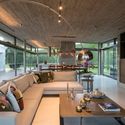
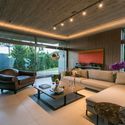

-
Architects: Elmor Arquitetura
- Area: 190 m²
- Year: 2016
-
Manufacturers: Elf Mármores
https://www.archdaily.com/890129/elache-residence-elmor-arquiteturaDaniel Tapia
Electric Planes and Driverless Cars: Plans Unveiled for World's First Energy-Positive City Airport

In an era defined by globalization, and ‘speed-driven economies,’ urban environments are becoming more entwined with airports, giving rise to an architectural phenomenon of the ‘Aerotropolis’ across the world. In Oslo, Norwegian firms Haptic Architects and Nordic Office of Architecture have aimed higher, seeking to design the world’s first energy-positive airport city for the Norwegian capital.


https://www.archdaily.com/890410/electric-planes-and-driverless-cars-plans-unveiled-for-worlds-first-energy-positive-city-airportNiall Patrick Walsh
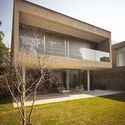
Butantã House / Simone Mantovani Arquitetura


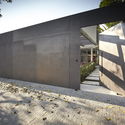
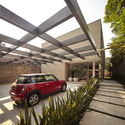

-
Architects: Simone Mantovani Arquitetura
- Area: 350 m²
- Year: 2016
-
Manufacturers: Aluminorton Esquadrias, Belcolore, Deca, Itamix Marmoraria, Portinari
https://www.archdaily.com/890300/butanta-house-simone-mantovani-arquiteturaDaniel Tapia
Snøhetta and Local Studio Unveil Wooden Archway Honoring Archbishop Desmond Tutu in South Africa
.jpg?1520526832&format=webp&width=640&height=580)
The Arch for Arch, an intertwined wooden archway honoring Nobel Peace Prize Laureate Archbishop Desmond Tutu, has debuted in downtown Cape Town, South Africa on a site near Parliament where Tutu held many of his anti-Apartheid protests.
Designed by Snøhetta and Johannesburg-based Local Studio, in collaboration with Design Indaba and Hatch engineers, the Arch for Arch consists of 14 woven strands of Larch wood, representing the 14 chapters of South Africa’s constitution. Reaching nearly 30 feet tall (9 meters), the structure invite visitors to pass through and be reminded of the location’s prominent role in their country’s history on their way to the Company’s Garden, one of the most popular public spaces in the city since its establishment in 1652.
.jpg?1520526846 "© David Southwood")
.jpg?1520526821 "© David Southwood")
.jpg?1520526730 "Pictured at far right: Archbishop Desmond Tutu at the 2017 Design Indaba Conference, where the design was first unveiled. Image Courtesy of Design Indaba")
.jpg?1520526894 "The Arch is formed of 14 strands of Siberian Larch wood, a highly durable and resistant material that will weather gracefully over time, taking on the elements of its surroundings. The warmth of wood was intentionally selected to lend the Arch an intimate, tactile quality, that invites people to interact with the structure in a way that differs from the conventional materials people might expect for a memorial structure, such as concrete, steel, or stone. Image © David Southwood")
.jpg?1520526832)
https://www.archdaily.com/890412/snohetta-and-local-studio-unveil-wooden-archway-honoring-archbishop-desmond-tutu-in-south-africaPatrick Lynch
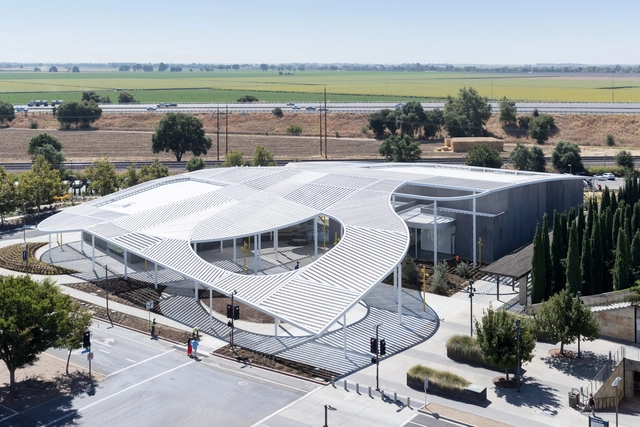
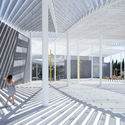
Jan Shrem and Maria Manetti Shrem Museum of Art / SO-IL



-
Architects: SO-IL
- Area: 29000 m²
- Year: 2016
-
Professionals: WSP, Fisher Marantz Stone, Rutherford & Chekene, Whiting-Turner, Front Inc
https://www.archdaily.com/890404/jan-shrem-and-maria-manetti-shrem-museum-of-art-so-ilCristobal Rojas
3 Tips for Designing Quiet Apartment Buildings on Abnormally Noisy Sites

New York-based Stephen B Jacobs Group has almost completed construction on a pair of towers at 29-26 Northern Boulevard in Long Island City. Dubbed the QE7 for its adjacency to the Q, E, and 7 trains (not to mention its cruise ship-like amenities), the pair of towers will contain 467 units, including 13 floors dedicated to the largest co-living development in North America. What makes this building so unique, however, is how the architects and engineers devised a solution to overcome noise generated by the three neighboring subway lines.
Modern cities, especially New York, are always looking for ways to increase density, which often means building in locations that were once overlooked due to their particular site conditions. We spoke with SBJGroup principal Isaac-Daniel Astrachan to find out how his firm managed to reduce noise levels on this site.
https://www.archdaily.com/889274/3-tips-for-designing-quiet-apartment-buildings-on-abnormally-noisy-sitesKaley Overstreet
Mortehoe / McLean Quinlan

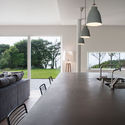
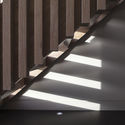
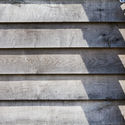
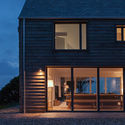
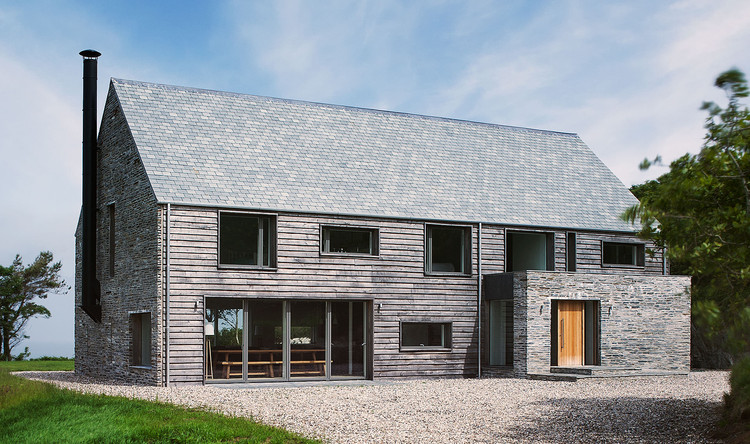
-
Architects: McLean Quinlan
- Year: 2015
-
Manufacturers: VELUX Group, Farrow and Ball, Solid Floor, Velfac
-
Professionals: Fox Fearnley Landscape Office, Frank Van Looch Associates
https://www.archdaily.com/890085/morthoe-mclean-quinlanRayen Sagredo
Help Us Recognize the Women that are Shaping Architecture Around the World

At ArchDaily we want to see more women showing their projects to the world and receiving the recognition they deserve for their work. Today, we celebrate International Women’s Day and, with the help of our readers, we want to continue to give visibility to the valuable contribution made every day to the field of architecture by millions of colleagues.
https://www.archdaily.com/890360/help-us-recognize-the-women-that-are-shaping-architecture-around-the-worldPola Mora
Czech Forestry Commission Administrative Centre / CHYBIK+KRISTOF
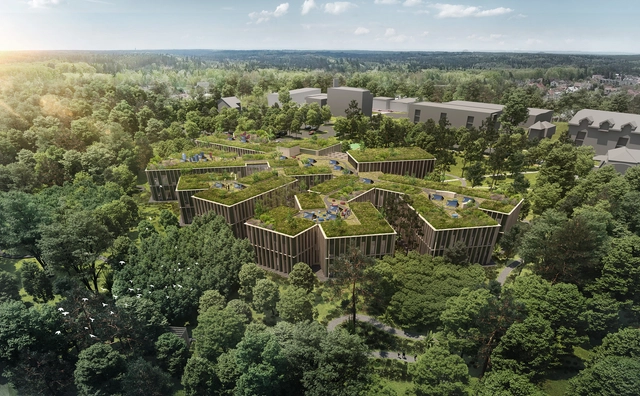
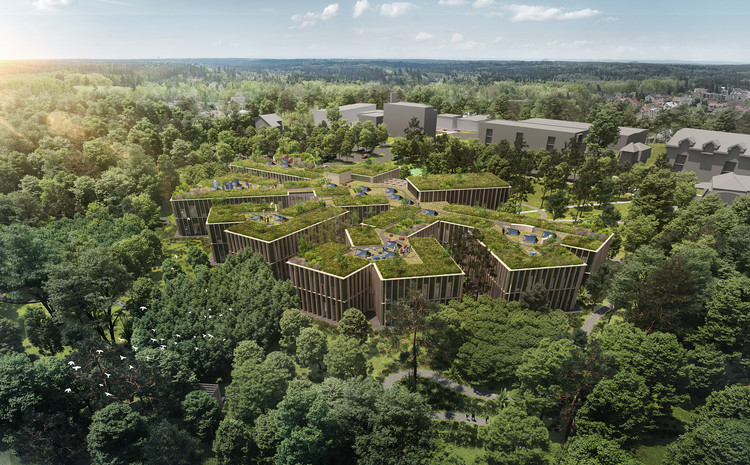
A design team under the direction of Chybik + Kristof has won the international competition to design a new administrative center for the Czech Forestry Commission in Hradec Králové. The project focuses on a symbiotic relationship between the building and the adjacent forest, where the natural landscape outside begins to mingle with the office spaces within.


https://www.archdaily.com/889839/landscape-and-building-merge-in-new-czech-forestry-commission-centreYiling Shen
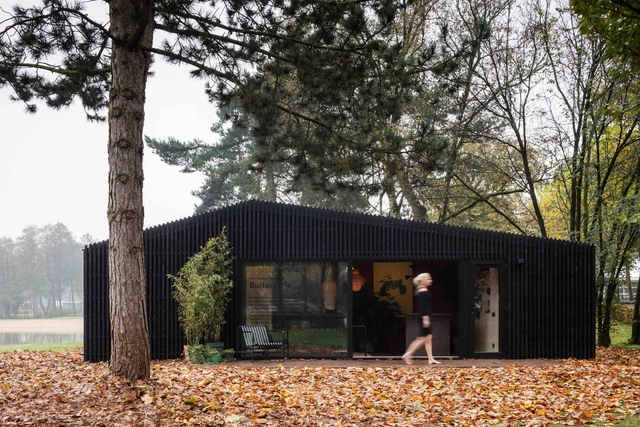
Buitenhuis / Chris Collaris Architects + Dutch Invertuals


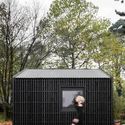
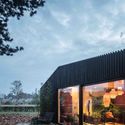

-
Architects: Chris Collaris Architects, Dutch Invertuals
- Area: 40 m²
- Year: 2017
-
Manufacturers: GIRA, Artifort, ELHO, Kemie, Studio Mae
https://www.archdaily.com/890311/buitenhuis-chris-collaris-architects-plus-dutch-invertualsCristobal Rojas