

-
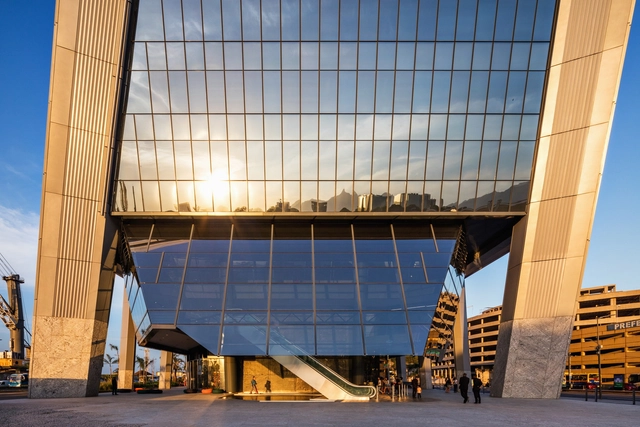
Architects: Foster + Partners
- Area: 223000 m²
- Year: 2017
-
Professionals: Acustica & Sonica, AJLP Surface Design Group, Arup, Teknika, DGG Assessoria Ltda, +7



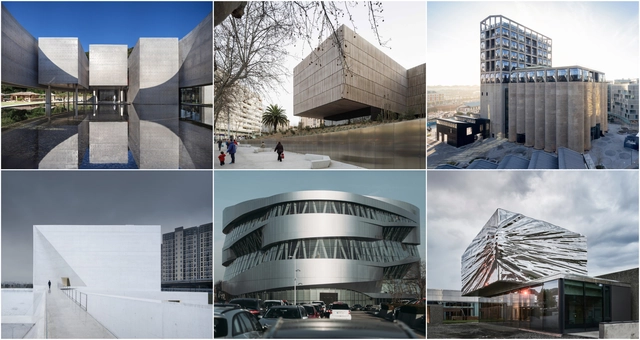
Not all architects get the opportunity to design a museum. Between budget, scale and factors external to the field of architecture, designing a museum--and actually getting it built-- may mark the pinnacle of one's professional trajectory.
These public buildings provide an invaluable service to the communities in which they are located; from education to commemoration and (occasionally) the provision of public space, museums are "shining lights" in which architecture plays a fundamental role.


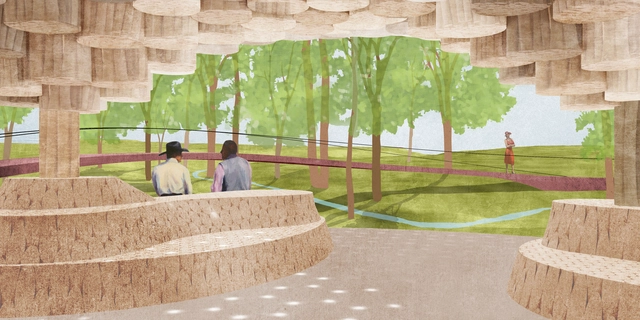
Tippet Rise Art Center has announced the commissioning of architect Francis Kéré to design a 1,900-square-foot pavilion for the center’s 10,000-acre grounds in Montana, USA. Envisioned as a “communal gathering space nestled among a cluster of aspen and cottonwood trees,” new renderings by Kéré Architecture depict the scheme featuring a locally-sourced log canopy.
The scheme can be read as an evolution of Kéré’s canopy structures designed for the Louisiana Museum of Modern Art near Copenhagen, and his 2017 Serpentine Pavilion in London.
.jpg?1525777734)
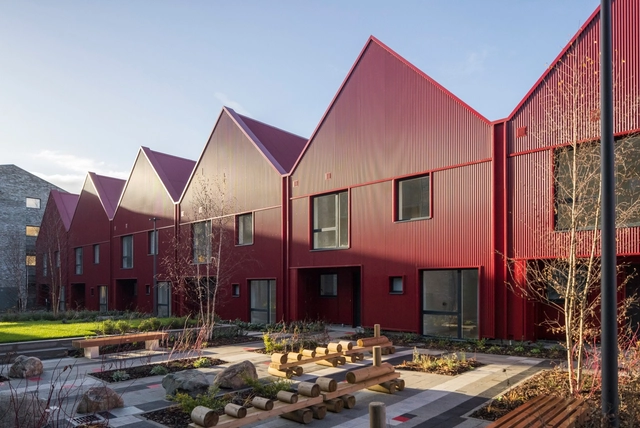
From a shortlist of 93 buildings, 61 London projects have been awarded the 2018 RIBA London Awards for architectural excellence, the city's most prestigious design honor. The winners include 14 housing schemes, 8 schools, and a city farm. All of these designs will be further considered for the RIBA National Awards, to be announced in June. The winners of the national award will then create a shortlist for the RIBA Stirling Prize – the highest award for architecture in the UK.
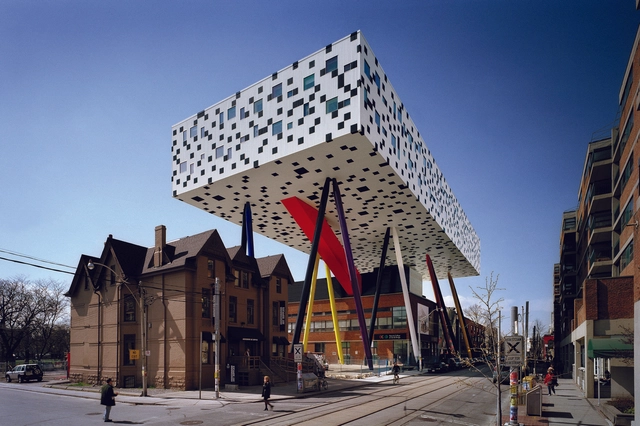
During my meetings with Will Alsop—two at his London studio in 2008 and 2010, and during our four-day trip to Moscow where I organized his lecture for SPEECH Magazine in winter 2011—he impressed me as having the most genuine, artistic, and free-spirited soul of all the architects I met. Calatrava, Hadid, and Gehry may strike one as great artists, but no matter how inventive they are, they are all involved in shaping buildings. Alsop, on the other hand, would find himself engaged in working in a completely boundless and unrestricted manner as a true artist. It seems that his whimsical works—"blobs and daubs," as he called them—are imagined as pure fantasies to be transformed into architecture much later by his staff. Eventually, he would have to “sell” them to his clients as buildings that function.
Alsop’s creations bring magic to the real world; they connect realities and dreams in the most fantastic ways. I never thought I would like his buildings though. I saw their renderings and photographs as cartoonish, until I visited them in person in London and Shanghai, among other places. Then my preconceptions dissipated. These structures make people feel happy and curious; they disarm the harshest critics and enrich our experiences. The following conversation with Alsop, who passed away on May 12 at age 70, is a condensed interview version based on two of our multi-hour meetings.
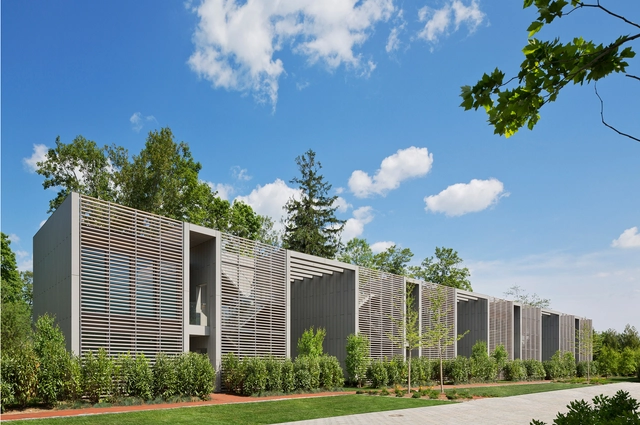
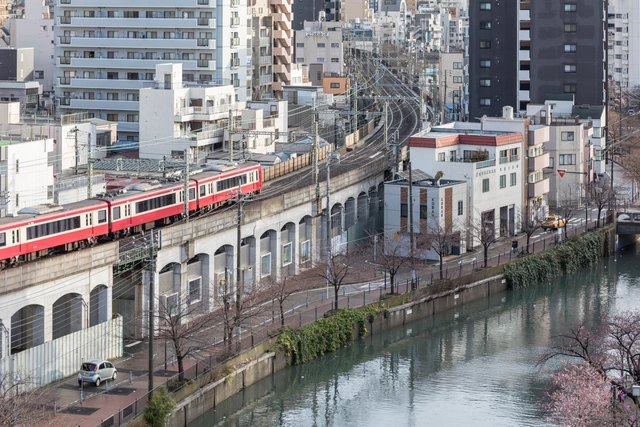
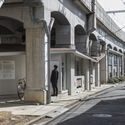
A +100 meter stretch of land beneath a train overpass in Koganecho, a district of Yokohama, Japan, underwent a progressive refurbishment in which seven different types of community space, each designed by a different architect, were built within a pre-set spatial grid. Historically there were many social issues in the area, largely in relation to its profitable but dangerous black market and red-light district. Once the illegal activity was eradicated in 2005, the underpass presented a great opportunity for social re-development, and the resultant project - the Koganecho Centre - emphasized an age-old Japanese cultural commitment, where what was once broken is used to make something new.
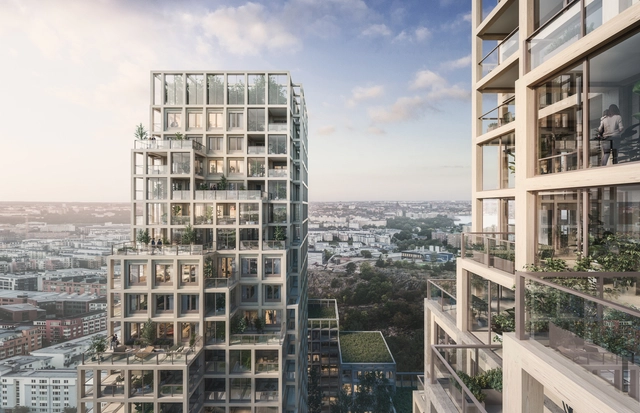
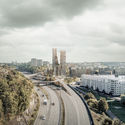
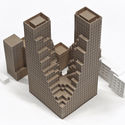
Kjellander Sjöberg Architects have won the competition for Nacka Port, a new sustainable and dynamic urban block. The award-winning architecture firm, which is one of the leading architectural offices in Scandinavia will build the project in an area between Nacka and Stockholm, Sweden.
Out of the three architecture offices who were invited to compete, the latter being held in discourse with the Nacka Municipality and Architects Sweden, Kjellander Sjöberg’s proposal contributes to a “vibrant urban context with an inviting and varied program."





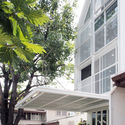
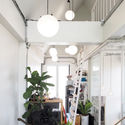
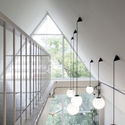







.jpg?1525777516 "© Ramiro Sosa")
.jpg?1525777789 "© Ramiro Sosa")
.jpg?1525777677 "© Ramiro Sosa")
.jpg?1525777773 "© Ramiro Sosa")
.jpg?1525777734)