Why is CDMX the 2018 World Design Capital?

Subscriber Access | 
Why is CDMX the 2018 World Design Capital? - Image 21 of 4
Cortesía de Danae Santibáñez

Why is CDMX the 2018 World Design Capital? - Image 1 of 4Why is CDMX the 2018 World Design Capital? - Image 2 of 4Why is CDMX the 2018 World Design Capital? - Image 3 of 4Why is CDMX the 2018 World Design Capital? - Image 4 of 4Why is CDMX the 2018 World Design Capital? - More Images+ 17

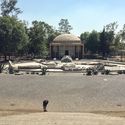
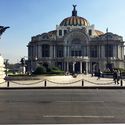
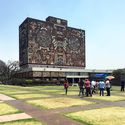
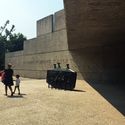
At first sight, when approaching CDMX from the sky, is overwhelming. A sea of buildings indicates an arrival to the fifth most populated capital in the world. The size of the city, makes it difficult to recognize its limits, so it is inevitable to use urban and suburban landmarks such as the Zócalo square (downtown), Tamayo Museum in Chapultepec Park (West), University City, the Frida Kahlo Museum (Coyoacán), and Ciudad Satélite (north exit), to orient yourself.

Located in a strategic geographical position within the traditional routes of design, the city benefits from the connections and close interactions with North America and Europe. Fortunately, these external tendencies are refined within the "local" filter; the vast history and tradition of indigenous Mexican cultures permeate foreign influences making them unique creations, with a marked interest in native materials and working techniques.

Architectural Intervention: Transforming Venice’s Historic Structures to Fit Contemporary Needs

Subscriber Access | 

The history of Venice’s architecture, as seen today, is a semblance of styles centuries old. A destination rich in culture, many of Venice’s existing buildings, from homes alongside the thin interior canals to the grand domed churches of Palladio, have remained stagnant in their overall design and layout since the 16th century. Once a hub of Byzantine and European trade, the city now thrives on a steady stream of tourism and a foundational group of local residents.

The structures that make up the city’s compact matrix, once integral to its function as a commercial empire, have come to take on new functions through architectural intervention; notably, architects such as Carlo Scarpa, OMA, and Tadao Ando have had a large hand in this process.

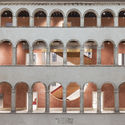
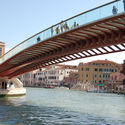
Architectural Intervention: Transforming Venice’s Historic Structures to Fit Contemporary Needs - Image 1 of 4Architectural Intervention: Transforming Venice’s Historic Structures to Fit Contemporary Needs - Image 2 of 4Architectural Intervention: Transforming Venice’s Historic Structures to Fit Contemporary Needs - Image 3 of 4Architectural Intervention: Transforming Venice’s Historic Structures to Fit Contemporary Needs - Image 4 of 4Architectural Intervention: Transforming Venice’s Historic Structures to Fit Contemporary Needs - More Images+ 10

Designing for Children: How Adult Decisions Shape Young Minds

The tale began with a simple idea - a toy that every child, regardless of age and ability, can play, dream, and learn with. But things turned out less than simple. Fights, lawsuits, and even a death all mark the road it took to make a now-ubiquitous toy a reality. The object in question? Lego.  

It’s tales such as this one that Alexandra Lange explores in her new book, The Design of Childhood: How the Material World Shapes Independent Kids. Some may scoff at the seemingly trivial subject matter. Surely children, with their boundless imaginations and appetite for play, can discover ways to find fun in anything.

E26 / BAST

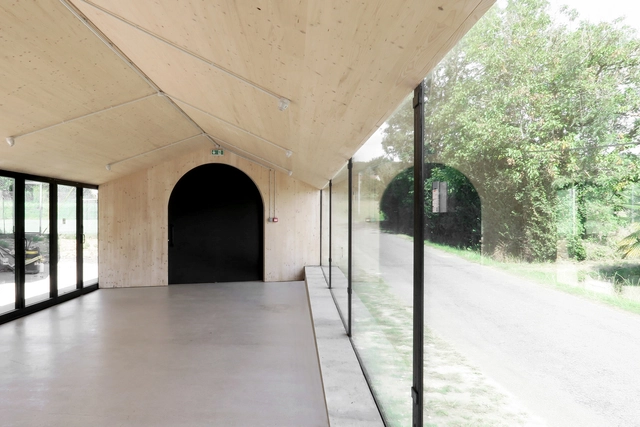
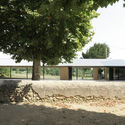
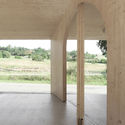
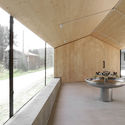
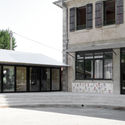
E26 / BAST - Exterior Photography, Dining Hall, FacadeE26 / BAST - Dining HallE26 / BAST - Interior Photography, Dining Hall, FacadeE26 / BAST - Drawings, Dining Hall, Facade, DoorE26 / BAST - More Images+ 13

Montbrun-Bocage, France
  • Architects: BAST
  • Area Area of this architecture project Area:  185
  • Year Completion year of this architecture project Year:  2017
  • Manufacturers Brands with products used in this architecture project
    Manufacturers:  Saint-Gobain

Canteen and Locker Room of Sarmad Iron and Steel Co. / Makanpaydar Consulting Company

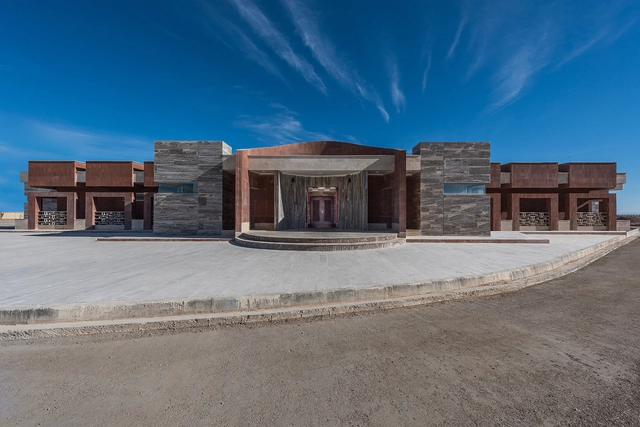
Canteen and Locker Room of Sarmad Iron and Steel Co. / Makanpaydar Consulting Company - Extension, Column, ChairCanteen and Locker Room of Sarmad Iron and Steel Co. / Makanpaydar Consulting Company - Extension, FacadeCanteen and Locker Room of Sarmad Iron and Steel Co. / Makanpaydar Consulting Company - Extension, Facade, ArchCanteen and Locker Room of Sarmad Iron and Steel Co. / Makanpaydar Consulting Company - Extension, Stairs, Facade, Handrail, BeamCanteen and Locker Room of Sarmad Iron and Steel Co. / Makanpaydar Consulting Company - More Images+ 24

  • Area Area of this architecture project Area:  1650
  • Year Completion year of this architecture project Year:  2017
  • Manufacturers Brands with products used in this architecture project
    Manufacturers:  Akffa, Jordan, Maryam Tile, Nazceram

White Cliff House / RDMA

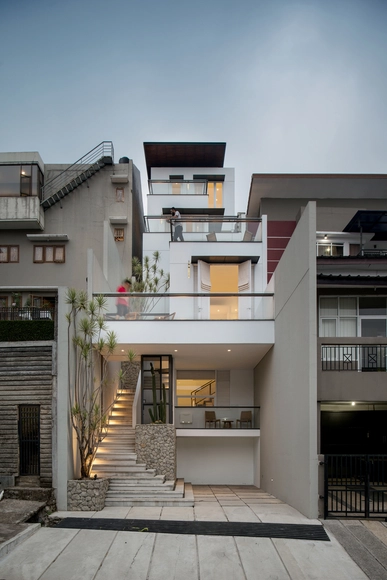
White Cliff House / RDMA - Houses, Kitchen, Door, Beam, Arch, Countertop, ChairWhite Cliff House / RDMA - Houses, Stairs, Handrail, FacadeWhite Cliff House / RDMA - Houses, Facade, Handrail, BeamWhite Cliff House / RDMA - Houses, Facade, Handrail, Balcony, DoorWhite Cliff House / RDMA - More Images+ 20

Cidadap, Indonesia
  • Architects: RDMA
  • Area Area of this architecture project Area:  212
  • Year Completion year of this architecture project Year:  2017
  • Manufacturers Brands with products used in this architecture project
    Manufacturers:  Acor, Antik Mebel, Kali Living, Mowi Lex, Oris Tunggal, +1
  • Professionals: Astri C.Priatna

AD Classics: Prentice Women's Hospital / Bertrand Goldberg

This article was originally published on September 28, 2013. To read the stories behind other celebrated architecture projects, visit our AD Classics section.

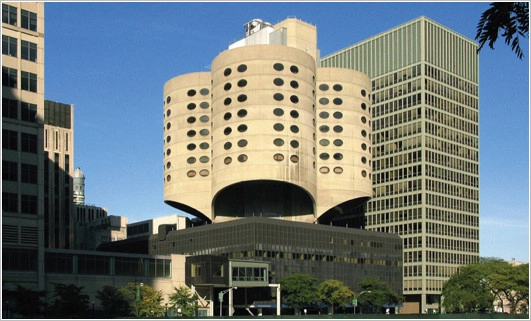
Hospital buildings, with their high standards of hygiene and efficiency, are a restrictive brief for architects, who all too often end up designing uninspiring corridors of patient rooms constructed from a limited palette of materials. However, this was not the case in Bertrand Goldberg's 1975 Prentice Women's Hospital. The hospital is the best example of a series of Goldberg-designed medical facilities, which all adhere to a similar form: a tower containing rooms for patient care, placed atop a rectilinear plinth containing the hospital's other functions.

AD Classics: Prentice Women's Hospital / Bertrand Goldberg - Hospital , Facade, Arch, CityscapeAD Classics: Prentice Women's Hospital / Bertrand Goldberg - Hospital , Beam, Arch, FacadeAD Classics: Prentice Women's Hospital / Bertrand Goldberg - Hospital , Facade, CityscapeAD Classics: Prentice Women's Hospital / Bertrand Goldberg - Hospital , FacadeAD Classics: Prentice Women's Hospital / Bertrand Goldberg - More Images+ 2

Read on for more about this masterwork of humanist brutalism...

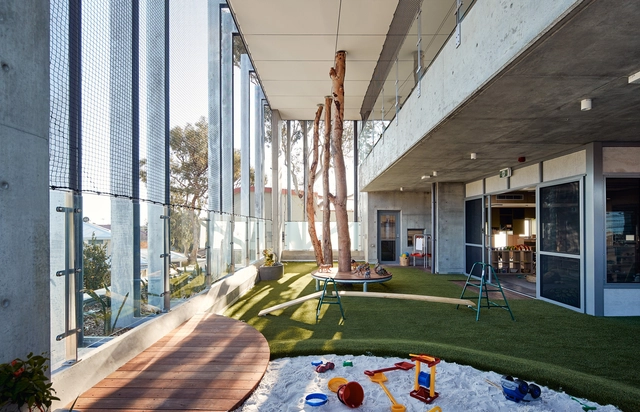
SkyPlay: North Perth School of Learning / Tom Godden Architects & Matthew Crawford Architects

North Perth, Australia
  • Area Area of this architecture project Area:  1550
  • Year Completion year of this architecture project Year:  2018
  • Manufacturers Brands with products used in this architecture project
    Manufacturers:  Armstrong Flooring, Artificial TurDirect, BGC, Planet Acoustics and Architecture
  • Professionals: Atelier JV, EMCO

Bessborough Residence / Nature Humaine

Bessborough Residence / Nature Humaine - Renovation, Facade, TableBessborough Residence / Nature Humaine - Renovation, Kitchen, Facade, Table, Chair, CountertopBessborough Residence / Nature Humaine - Renovation, Bedroom, Facade, Table, ChairBessborough Residence / Nature Humaine - Renovation, Facade, Chair, TableBessborough Residence / Nature Humaine - More Images+ 9

Montreal, Canada
  • Architects: NatureHumaine
    : Nature Humaine
  • Area Area of this architecture project Area:  900 ft²
  • Year Completion year of this architecture project Year:  2017
  • Manufacturers Brands with products used in this architecture project
    Manufacturers:  Fisher & Paykel, Arpa Fenix , Atelier B, Lambert & fils, Mobilier de Gaspé

AD Classics: Master Plan for Chandigarh / Le Corbusier

On August 15, 1947, on the eve of India’s independence from the United Kingdom, came a directive which would transform the subcontinent for the next six decades. In order to safeguard the country’s Muslim population from the Hindu majority, the departing colonial leaders set aside the northwestern and eastern portions of the territory for their use. Many of the approximately 100 million Muslims living scattered throughout India were given little more than 73 days to relocate to these territories, the modern-day nations of Pakistan and Bangladesh. As the borders for the new countries were drawn by Sir Cyril Radcliffe (an Englishman whose ignorance of Indian history and culture was perceived, by the colonial government, as an assurance of his impartiality), the state of Punjab was bisected between India and Pakistan, the latter of which retained ownership of the state capital of Lahore.[1] It was in the wake of this loss that Punjab would found a new state capital: one which would not only serve the logistical requirements of the state, but make an unequivocal statement to the entire world that a new India—modernized, prosperous, and independent—had arrived.
AD Classics: Master Plan for Chandigarh / Le Corbusier - Square, FacadeAD Classics: Master Plan for Chandigarh / Le Corbusier - Square, FacadeAD Classics: Master Plan for Chandigarh / Le Corbusier - Square, FacadeAD Classics: Master Plan for Chandigarh / Le Corbusier - Square, Facade, ArchAD Classics: Master Plan for Chandigarh / Le Corbusier - More Images+ 54

First Stone: Three Documentaries That Explore How Architects Use Portuguese Stone

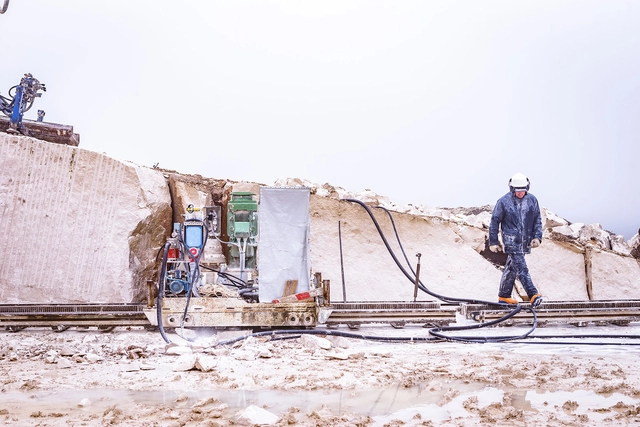
The mastery of stone is one of the most impressive features of Portuguese architecture. From the precise cut in fittings to beautiful floor designs, Portuguese architecture carries in its womb an almost born talent to manipulate one of -- if not the oldest material used in the history of construction.

In celebration of this material, experimentadesign, a research project focused on design and architecture founded in Lisbon, developed Primeira Pedra, or First Stone. This multimedia platform explores the characteristics and qualities of Portuguese stone.

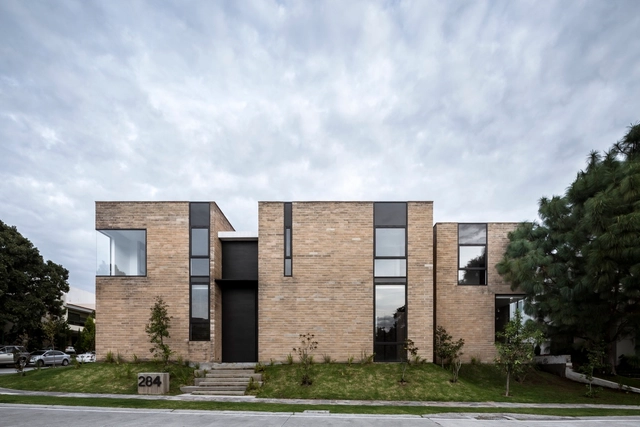
House El Cielo / Andrés Burguete

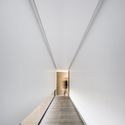
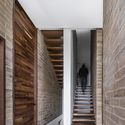
House El Cielo / Andrés Burguete - HousesHouse El Cielo / Andrés Burguete - HousesHouse El Cielo / Andrés Burguete - HousesHouse El Cielo / Andrés Burguete - HousesHouse El Cielo / Andrés Burguete - More Images+ 18

El Palomar, Mexico
  • Architects: Andrés Burguete
  • Area Area of this architecture project Area:  3810 ft²
  • Year Completion year of this architecture project Year:  2018
  • Manufacturers Brands with products used in this architecture project
    Manufacturers:  Comes, Construlita, Helvex, Interceramic, Napresa, +1

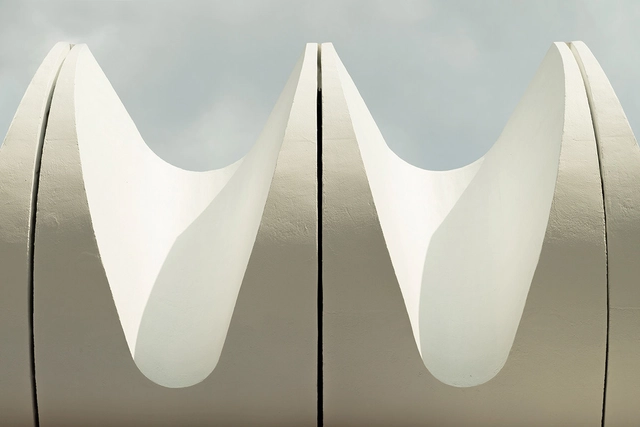
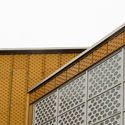
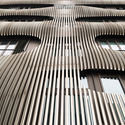
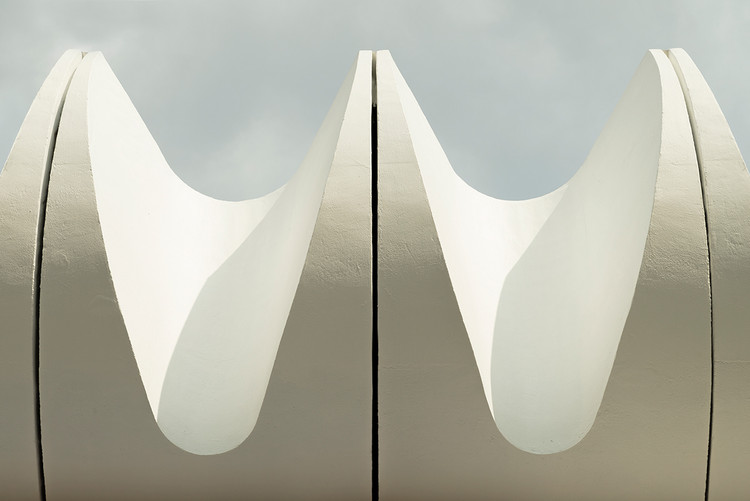
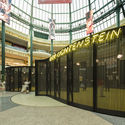
Color, Form, and Material: Andres Gallardo Spotlights Berlin's Post-War Modernist Charm

In the next chapter of his ongoing Urban Geometry project, self-taught Spanish photographer Andres Gallardo captures the elements of color, form, and materiality of post-war architecture in Berlin. This photo series, with installments featuring the modern marvels of Beijing, Seoul, Copenhagen, and Tallinn, among other cities, has become representative of Gallardo's personal growth from his humble start in his career as a professional photographer.

Color, Form, and Material: Andres Gallardo Spotlights Berlin's Post-War Modernist Charm - Image 1 of 4Color, Form, and Material: Andres Gallardo Spotlights Berlin's Post-War Modernist Charm - Image 2 of 4Color, Form, and Material: Andres Gallardo Spotlights Berlin's Post-War Modernist Charm - Image 3 of 4Color, Form, and Material: Andres Gallardo Spotlights Berlin's Post-War Modernist Charm - Image 4 of 4Color, Form, and Material: Andres Gallardo Spotlights Berlin's Post-War Modernist Charm - More Images+ 16

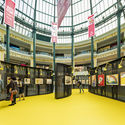
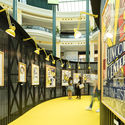
Roy Lichtenstein Temporary Museum / Diogo Aguiar Studio + João Jesus Arquitectos

Roy Lichtenstein Temporary Museum / Diogo Aguiar Studio + João Jesus Arquitectos - Temporary InstallationsRoy Lichtenstein Temporary Museum / Diogo Aguiar Studio + João Jesus Arquitectos - Temporary InstallationsRoy Lichtenstein Temporary Museum / Diogo Aguiar Studio + João Jesus Arquitectos - Temporary InstallationsRoy Lichtenstein Temporary Museum / Diogo Aguiar Studio + João Jesus Arquitectos - Temporary InstallationsRoy Lichtenstein Temporary Museum / Diogo Aguiar Studio + João Jesus Arquitectos - More Images+ 12

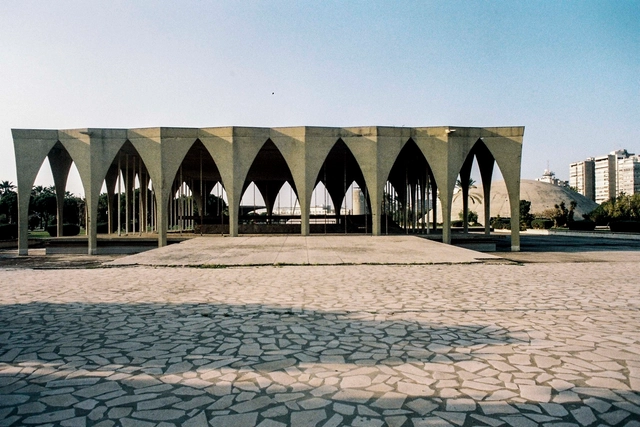
Oscar Niemeyer's Unfinished Architecture in Lebanon May Become a UNESCO World Heritage Site

The unfinished Tripoli International Fair, designed by Oscar Niemeyer for the Lebanese capital, could become a UNESCO's World Heritage Site. Conceived in the 1960s at the request of the then President Fouad Chéhab, the fair remained a symbol of projected modernity for the country.

Drawing on the Road: The Story of a Young Le Corbusier's Travels Through Europe

Subscriber Access | 

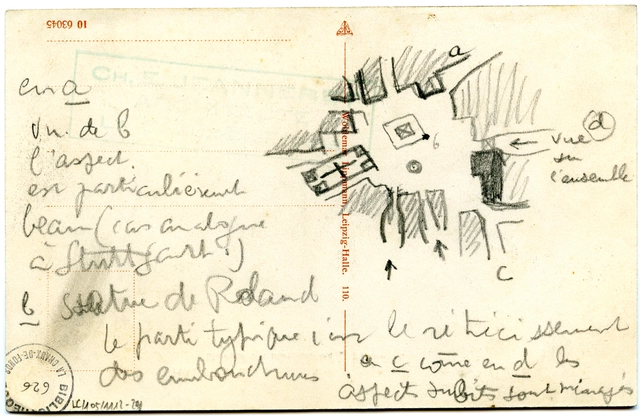
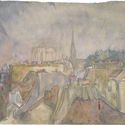
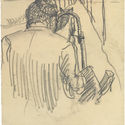
Voyage Le Corbusier, by Jacob Brillhart, collects for the first time a compendium of sketchbook drawings and watercolors of Charles-Edouard Jeanneret—a young student who would go onto become the singularly influential modernist architect, Le Corbusier. Between 1907 and 1911, he traveled throughout Europe and the Mediterranean carrying an array of drawing supplies and documenting all that he saw: classical ruins, details of interiors, vibrant landscapes, and the people and objects that populated them.

Le Corbusier was a deeply radical progressive architect, a futurist who was equally and fundamentally rooted in history and tradition. He was intensely curious, constantly traveling, drawing, painting, and writing, all in the pursuit of becoming a better designer. As a result, he found intellectual ways to connect his historical foundations with what he learned from his contemporaries. He grew from drawing nature to copying fourteenth-century Italian painting to leading the Purist movement that greatly influenced French painting and architecture in the early 1920s. All the while, he was making connections between nature, art, culture, and architecture that eventually gave him a foundation for thinking about design.
Drawing on the Road: The Story of a Young Le Corbusier's Travels Through Europe - Image 1 of 4Drawing on the Road: The Story of a Young Le Corbusier's Travels Through Europe - Image 2 of 4Drawing on the Road: The Story of a Young Le Corbusier's Travels Through Europe - Image 3 of 4Drawing on the Road: The Story of a Young Le Corbusier's Travels Through Europe - Image 4 of 4Drawing on the Road: The Story of a Young Le Corbusier's Travels Through Europe - More Images+ 10

Kengo Kuma Creates Starbucks Store in Taiwan From 29 Shipping Containers

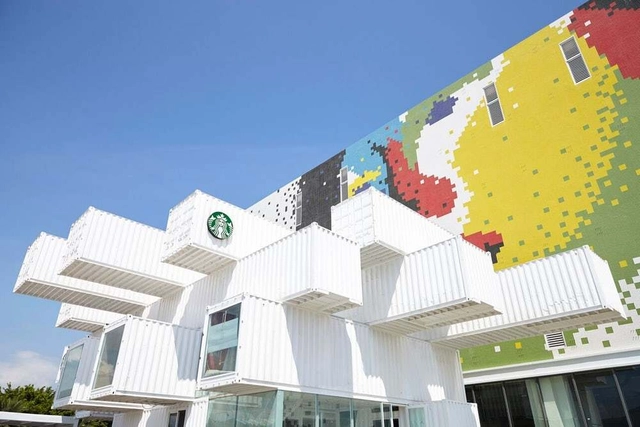
Hot on the heels of its lavish breakthrough Milan store, Starbucks has opened yet another striking and innovatively-designed coffee house. However, Japanese architect Kengo Kuma's design associates an entirely different mood with the company's coffee beverages.

Starbucks Taiwan the company’s first location in the Asia Pacific, consists of 29 white shipping containers, shifted and stacked in a grid-like formation. Within the containers’ 3,444 sqft (320 sqm) of space are a variety of intimate and comfortable spaces. A drive-thru is also incorporated into the design to maximize the store’s convenience to its customers.

Habitation GOVI / Crahay & Jamaigne

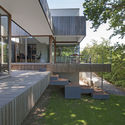
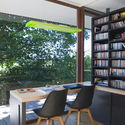
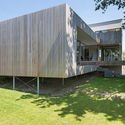
Habitation GOVI / Crahay & Jamaigne - Houses, Deck, Door, Beam, Facade, Table, ChairHabitation GOVI / Crahay & Jamaigne - Houses, Garden, FacadeHabitation GOVI / Crahay & Jamaigne - Houses, Beam, Table, ChairHabitation GOVI / Crahay & Jamaigne - Houses, FacadeHabitation GOVI / Crahay & Jamaigne - More Images+ 22

Villers-le-Bouillet, Belgium
  • Architects: Crahay & Jamaigne
  • Area Area of this architecture project Area:  119
  • Year Completion year of this architecture project Year:  2013
  • Manufacturers Brands with products used in this architecture project
    Manufacturers:  Cedar, Ipe, Knauf, Prelasti, afzelia

You've started following your first account!

Did you know?

You'll now receive updates based on what you follow! Personalize your stream and start following your favorite authors, offices and users.