
-
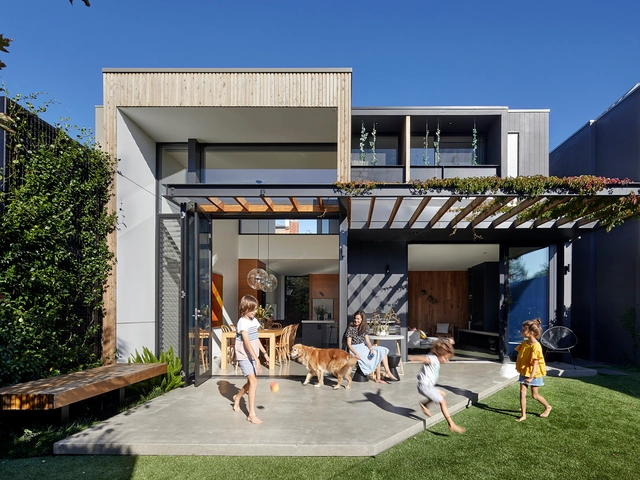
Architects: KLM Arquitectos
- Area: 15069 ft²
- Year: 2017


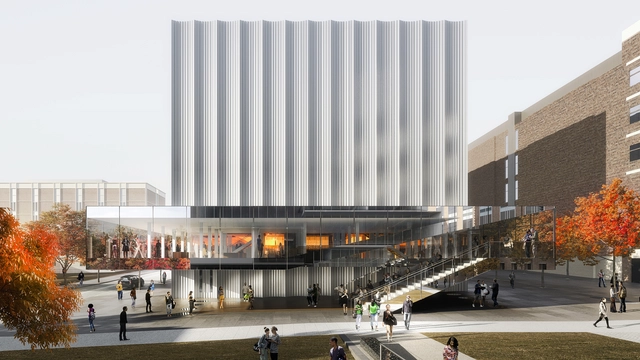
Architecture and design practice REX has unveiled their design for Brown University’s new Performing Arts Center. The academic and cultural building was made to be a flexible and adaptable space that serves as a hub for performance. Combining a multi-functional main hall with an open stage floor, the design addresses the need for a dedicated performance space suitable for large ensembles. The new center was designed to encourage collaboration and inspire new modes of artistic and cultural production.
.jpg?1545096545&format=webp&width=640&height=580)
.jpg?1550072614&format=webp&width=640&height=580)
In 2020, the French city of Marseille is set to host Manifesta 13, the European Biennial of Contemporary Art. In preparation for the event, MVRDV has collaborated with thinktank The Why Factory (directed by MVRDV co-founder Winy Maas) in unveiling “The Grand Puzzle,” a 1200-page interdisciplinary pre-biennial research study of the urban potential for Marseille.
MVRDV produced the study through deep analyses of the city, such as interviews and spatial data, culminating in suggestions for possible urban interventions. As part of this engagement, the firm worked with The Why Factory, founded as “the think tank on the future city” at Technical University Delft, who collaborated with local architecture and design schools on the study. Having received overwhelmingly positive feedback, the work will now be “contextualized, analyzed, and refined as it becomes a tool for Marseillais to imagine possible futures for their city.” In addition, the study will serve as a point of inspiration for artistic and cultural interventions both before and during the Manifesta biennial.


Construction has begun on “The Spiral,” a 1,031-foot-tall project in New York’s Hudson Yards designed by Bjarke Ingels Group. The fifth supertall to be added to the area, The Spiral was commissioned by developer Tishman Speyer as part of the ongoing revitalization of the Midtown West region of Manhattan.
The tower is named after its defining feature - an "ascending ribbon of lively green spaces" that extend the High Line "to the sky," says Bjarke Ingels. The scheme will offer 2.85 million of office space, with the anchor tenant Pfizer occupying 18 floors, according to New York YIMBY.
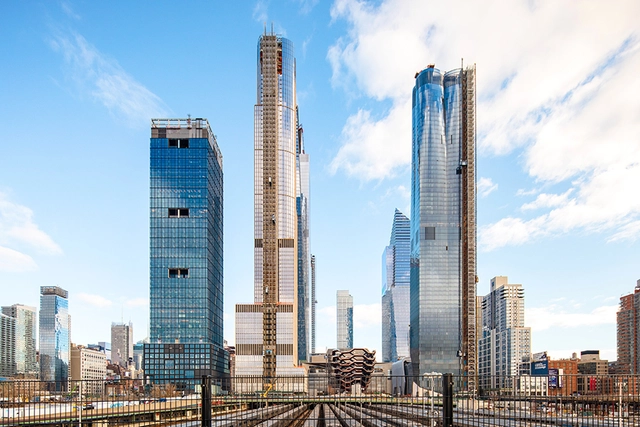
This article was originally published on Metropolis Magazine as "Hudson Yards Promised a High-Tech Neighborhood — It was a Greater Challenge Than Expected."
There’s something striking about the command center of America’s largest private real estate development, Hudson Yards, in that it’s actually pretty boring. The room—technically known as the Energy Control Center, or ECC for short—contains two long desks crammed with desktop computers, a few TV monitors plastered to the wall, and a corkboard lined with employee badges. The ceiling is paneled; the lighting, fluorescent. However, New York’s Hudson Yards was once billed as the country’s first “quantified community”: A network of sensors would collect data on air quality, noise levels, temperature, and pedestrian traffic. This would create a feedback loop for the developers, helping them monitor and improve quality of life. So where is the NASA-like mission control? Data collection and advanced infrastructure will still drive parts of Hudson Yards’ operations, but not (yet) as first advertised.

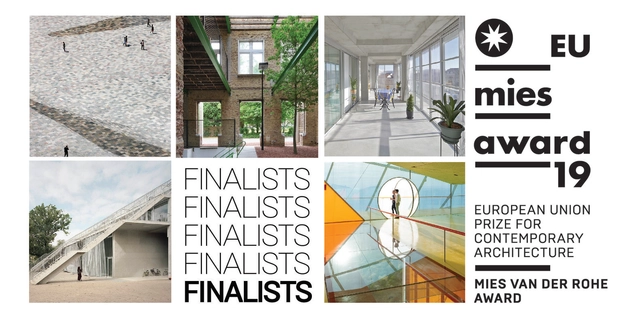
Five finalist projects have been shortlisted for the 2019 European Union Prize for Contemporary Architecture, an award given jointly by the European Commission and the Mies van der Rohe Foundation. The biennial prize, for which ArchDaily is a media partner, recognizes the Europe-located projects that demonstrate excellence in "conceptual, social, cultural, technical, and constructive terms."
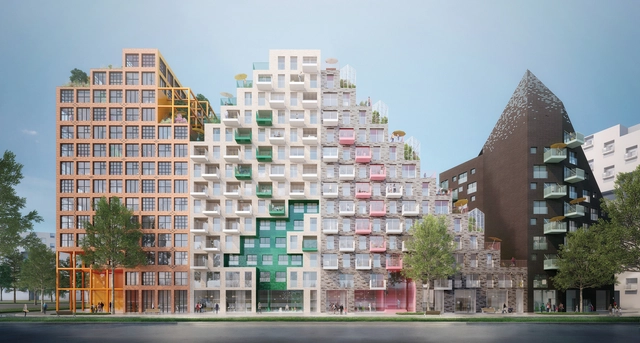
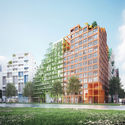
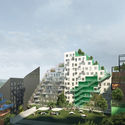
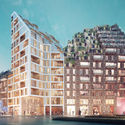
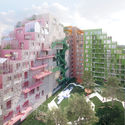
Manuelle Gautrand has designed a 400 unit mixed housing block for the futuristic Hyde Park district in Amsterdam. The homes are divided into nine buildings that make up "thematic" houses organized around a landscaped island core. Each house stands unique, made of different volumes, materials, colors and heights. Formed around the idea of a village, the project aims to develop ambitious environmental goals while bringing people together to rethink urban life.
.jpg?1549809940)
Opening in the late 1980s after more than ten years of construction, the Slovak Radio Tower is an unmissable feature in the landscape of Bratislava. The building, an inverted pyramid of steel frame construction, was designed by Štefan Svetko, Štefan Ďurkovič, and Barnabáš Kissling during the height of socialist realism.




.jpg?1545096442 "© João Morgado")
.jpg?1545096709 "© João Morgado")
.jpg?1545096948 "© João Morgado")
.jpg?1545096732 "© João Morgado")
.jpg?1545096545)






.jpg?1549809709 "© Alexandra Timpau, Alex Shoots Buildings")
.jpg?1549811238 "© Alexandra Timpau, Alex Shoots Buildings")
.jpg?1549809072 "© Alexandra Timpau, Alex Shoots Buildings")
.jpg?1549809230)
.jpg?1549808705)