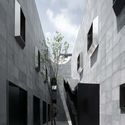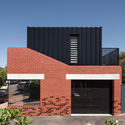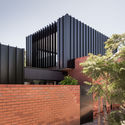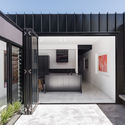


-
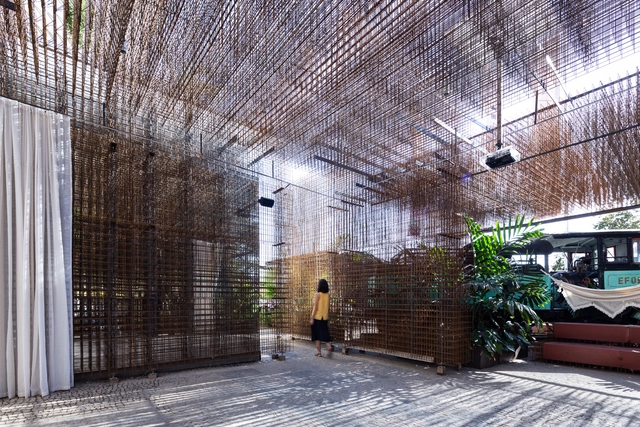
Architects: Arquitetos Associados
- Year: 2018
-
Manufacturers: Accero, Arcelor Mittal, Artwork, Aterra, Coral/Varejão das Tintas, +22


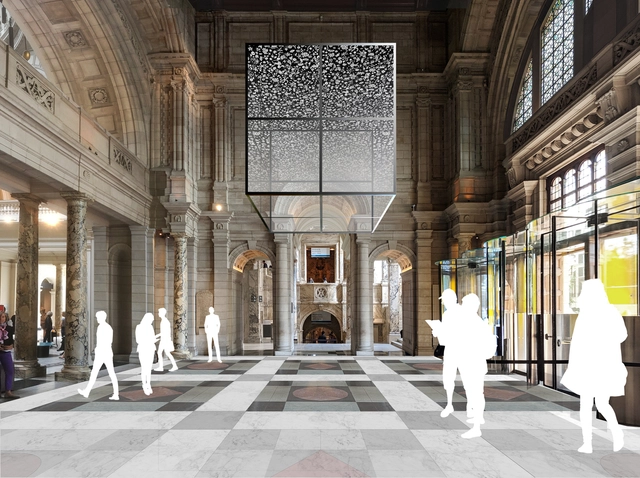
The 2019 London Design Festival opens next month with highlights including projects at the V&A by Sam Jacob and Kengo Kuma. Running from September 14th to the 22nd, the festival will include large-scale installations by Paul Cocksedge, Martino Gamper, PATTERNITY, Dan Tobin Smith and Camille Walala. Returning for its 17th year, the festival will celebrate design across London.
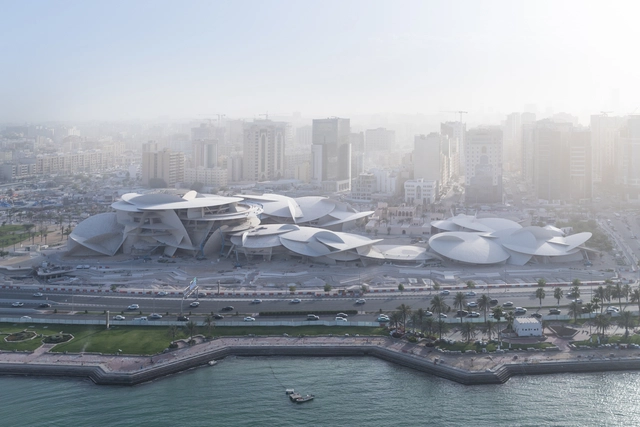
The winner of the Wolf Prize in 2005 and the Pritzker of 2008, French architect Jean Nouvel has attempted to design each of his projects without any preconceived notions. The result is a variety of projects that, while strikingly different, always demonstrate a delicate play with light and shadow as well as a harmonious balance with their surroundings. It was this diverse approach that led the Pritzker Prize Jury in their citation to characterize Nouvel as primarily "courageous" in his "pursuit of new ideas and his challenge of accepted norms in order to stretch the boundaries of the field."
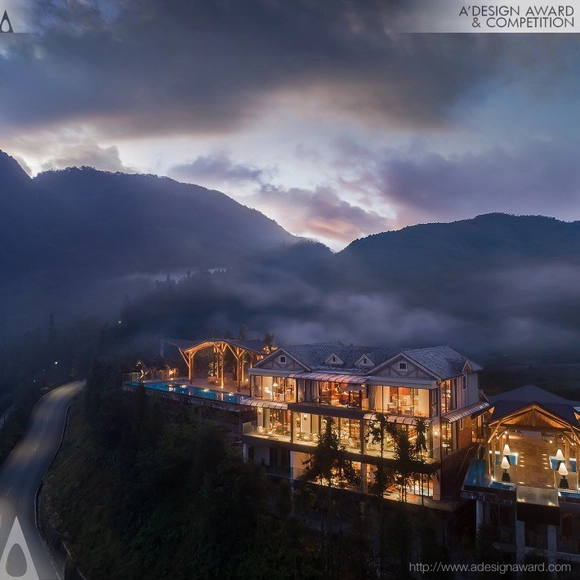
The A’ Design Award is an international award whose aim is to provide designers, architects, and innovators from all architecture and design fields with a competitive platform to showcase their work and products to a global audience. Among the design world's many awards, the A' Design Award stands out for its exceptional scale and breadth; from 2018-2019, over 2,000 individual designs from 106 countries received awards in 98 different design disciplines. This year's edition is now open for entries; designers can register their submissions here.






.jpg?1439321376&format=webp&width=640&height=580)
Joshua Prince-Ramus (born 11th August, 1969) has made a significant mark as one of the most promising young architects working today. Named one of the five greatest architects under 50 in 2011 by The Huffington Post, Prince-Ramus made a name for himself as one of Rem Koolhaas' many protégés before forming his practice, REX, in 2006.


Griffin founded the consultancy Urban Planning for the American City, which she complements with her pedagogical work at Harvard University’s Graduate School of Design.

Since its emergence with the cultural turn in the 1970s and ’80s, spatial justice has become a rallying cry among activists, planners, and plugged-in architects. But as with many concepts with academic origins, its precepts often remain elusive and uninterrogated. Though some of this has changed with the advent of city- and place-making discourse, few are doing as much to lend articulation, nuance, and malleability to spatial justice as Toni Griffin. A Chicago native, Griffin practiced architecture at SOM for nearly a decade before leaving the city to work as a planner in Newark and Washington, D.C., among other municipalities. In 2009, she founded the consultancy Urban Planning for the American City, which she complements with her pedagogical work at Harvard University’s Graduate School of Design. There, she runs the Just City Lab, which, through research and a host of programs, aims to develop, disseminate, and evaluate tools for enhancing justice—and remediating chronic, systematized injustice—in America’s cities. But what form could justice take in the U.S. context, and how can architects and designers help? Metropolis spoke with Griffin about how focusing on inclusivity and embracing interdependence and complexity are parts of the answer.
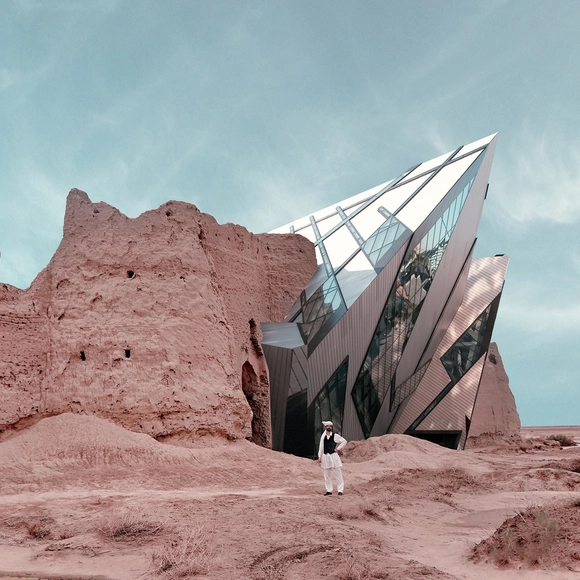
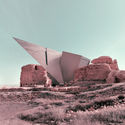
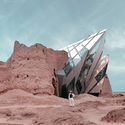
There is often a debate on whether architects and engineers should restore old buildings and preserve what is still standing as a token of the past, or completely demolish them and introduce contemporary designs and features. In Iran, the remains of historic monuments, some of which are World Heritage Sites, have yet to know their fate, as restoration strategies remain uncertain.
As part of his Retrofuturism series, Iranian architect Mohammad Hassan Forouzanfar selected a few pre-Islamic castles across Persian towns, and merged them with contemporary landmarks, bringing about a new definition of architectural restoration.




CopyrightsMurrayFredericks.jpg?1439374362 "One Central Park. Image © Murray Fredericks")