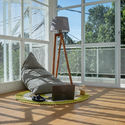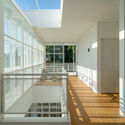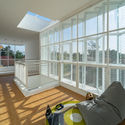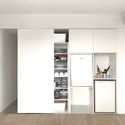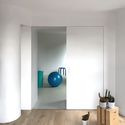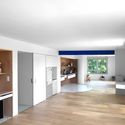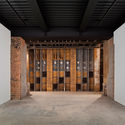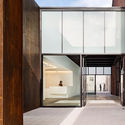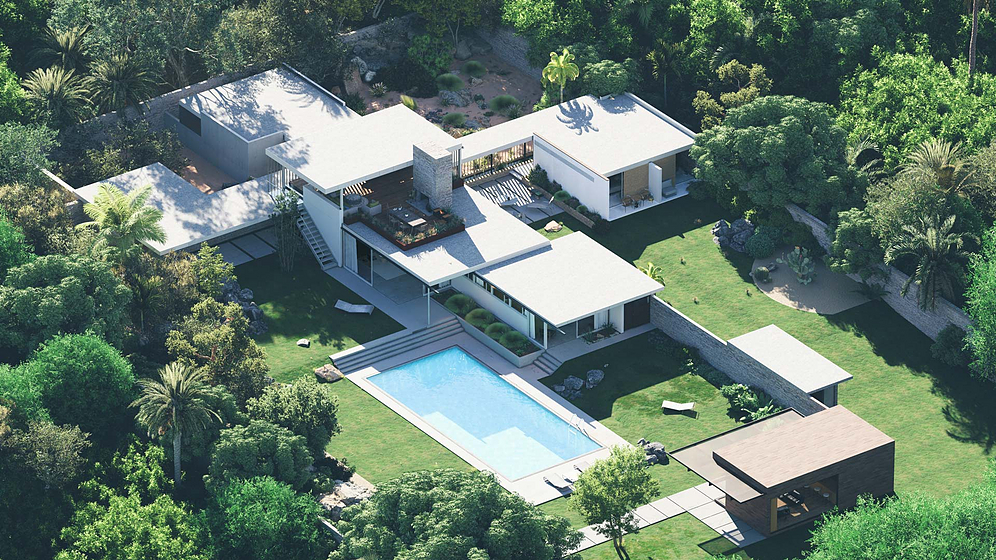
Transform your vision into a reality and optimize your architectural drawings with Lumion


Transform your vision into a reality and optimize your architectural drawings with Lumion


For decades, companies have relied on disposable plastic packaging to bag and contain products worldwide. Today, the staggering detrimental effects of this plastic dependence are well-known: since the 1950’s, over 9 billion tons of plastic have been produced, only 9% of which was recycled; around the world, one million plastic bottles are bought every minute and two million plastic bags are used every minute; and per the Plastic Pollution Coalition, by 2050, the oceans will contain more plastic than fish by weight. Moreover, plastic is a petroleum product, and its production only further contributes to the devastating climate effects of mass fossil fuel use.

The FRAM Museum will take on a new extension dedicated to polar exploration and environmental education. Designed by Reiulf Ramstad Arkitekter, the winning proposal of the invited architectural competition, Framtid, or Future is centered on the idea that “architecture exemplifies how we care for our environment”.
.jpg?1603453083&format=webp&width=640&height=580)
.jpg?1602633960)
Strelka KB has announced five teams selected for the international competition to integrate development of 5 sites in Saratov, Russia. A total of 67 applications were submitted from 24 countries, and the jury reviewed all the submitted applications to select participants for the second stage. The participants needed to propose a framework of planning, programming, landscaping and transport solutions for the project sites across Saratov City Center.

While concrete is without a doubt the world's go-to building material thanks to its durability, malleability, and ability to withstand a wide range of climates, it is also the principal source of CO2 emissions within the realm of construction. To combat this and reduce their creations' carbon footprint, many architects have begun experimenting and innovating in a bid to optimize concrete's technical qualities while diminishing its impact on the environment. Among these efforts, there are several projects that have explored the possibility of replacing traditional frameworks with more sustainable materials like bamboo, a resource that grows in abundance throughout many regions of the world and, along with having minimal environmental impact, renders high quality textured detailing on a variety of architectural surfaces.

Buildings are static. They serve the purpose they have been designed for. But when cities grow and the needs of the community change, this becomes a problem. Modular construction with engineered wood products like Kerto LVL are the solution, because they enable adaptable, sustainable and cost competitive designs. It is time to provide solutions to the changing needs of our cities. Time to create an urban adaptation.

This past June we published a survey called "How do Architects and Industry Professionals Specify Materials and Products”. The objective was to better understand architects’ behaviors and needs during the specification stage of their design processes.

Every company across the country is talking about “diversity” and “inclusion”—but what actions are actually being taken to address the issues? In May, following the death of George Floyd and the rise of the Black Lives Matter movement, conversations were had, statements issued, and boxes checked. But achieving diversity and inclusion will involve addressing long-term, systemic issues that cannot be solved with a black square on Instagram or a carefully crafted statement from a PR department.
The first step toward diversity and inclusion is recognizing that talking about it is not enough, and the path to real change is going to be a process.


Join ArchDaily's Christele Harrouk, Kim Herforth Nielsen, Founder and Creative Director 3XN, and Kasper Guldager Jensen, Founder GXN for an exclusive conversation about the studio's new monograph “Beyond Buildings".

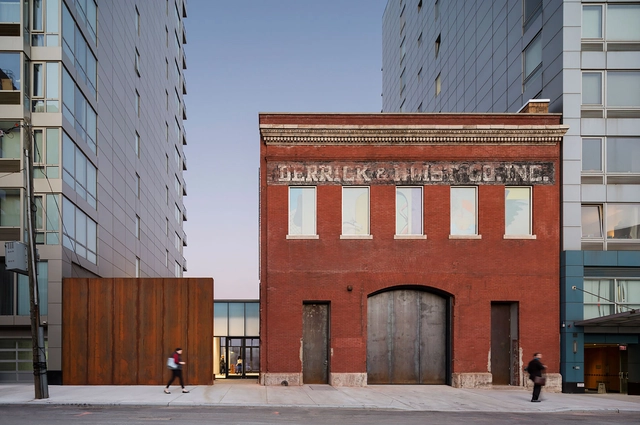

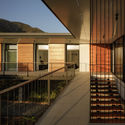
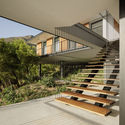
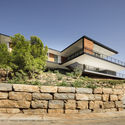


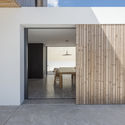
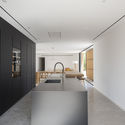
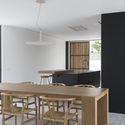

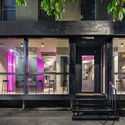
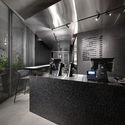
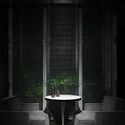
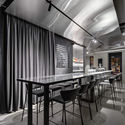

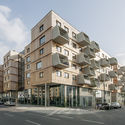
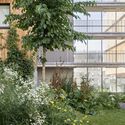
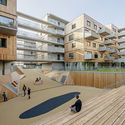
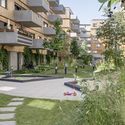




.jpg?1603451914 "© Kai Nakamura")
.jpg?1603449256 "© Kai Nakamura")
.jpg?1603439963 "© Kai Nakamura")
.jpg?1603441246 "© Kai Nakamura")
.jpg?1603453083)
.jpg?1602633281 "Courtesy of Strelka KB")
.jpg?1602633271 "Courtesy of Strelka KB")
.jpg?1602633947 "Courtesy of Strelka KB")
.jpg?1602633496 "Courtesy of Strelka KB")
.jpg?1602633960)