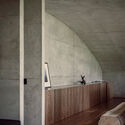
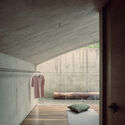
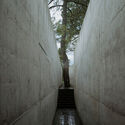
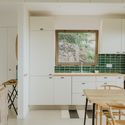
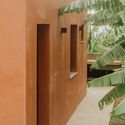
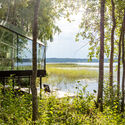
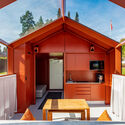
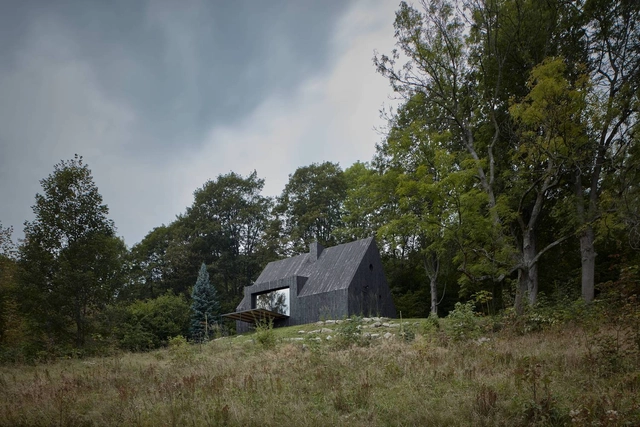
There’s been a recent popular interest in and adoption of an aesthetic born from agrarian retreats called cottagecore. It harkens back to the days of Laura Ingalls Wilder and other simpler times of settlers, pioneers, and traditional European settlements. Cottagecore includes flowers, woods, warm tones, thatched roofs, worn furniture, and other objects and motifs associated with country living. The restorative power of cottages and retreats has long been recognized, but their popularity and renewed interest coincide with the pandemic as our lives are marked by excessive time spent indoors and communicating solely through electronic mediums.
Most homeowners know that mold can spell serious trouble and hefty remediation bills. But did you know invisible mold can destroy your house silently? It sounds scary, and left unchecked it can be, but there are a few things you can do to prevent it from taking over your home. Mold grows anywhere as long as there is moisture and any organic matter that it can feed off. In most homes, the basement provides an excellent place for mold to multiply quickly. Not only does mold quickly multiply, but it can also cause health problems such as stuffy noses, headaches, coughs, and allergies.
We will start by looking at how you can identify mold, deal with invisible mold, identify the products to use and not to use when dealing with mold, and determine when to hire a mold treatment expert.
https://www.archdaily.com/970600/invisible-mold-can-destroy-architecture-silently-how-to-treat-mold-in-buildingsSam Smith
HENN has won two major architecture competitions in Germany to design the Brainergy Hub in Jülich and the German Language Forum in Mannheim. The office's Brainergy Hub proposal features a circular design dedicated to renewable energy research, whereas the Language Forum proposal stands as an inviting open space that promotes communication and interaction through unique learning experiences.
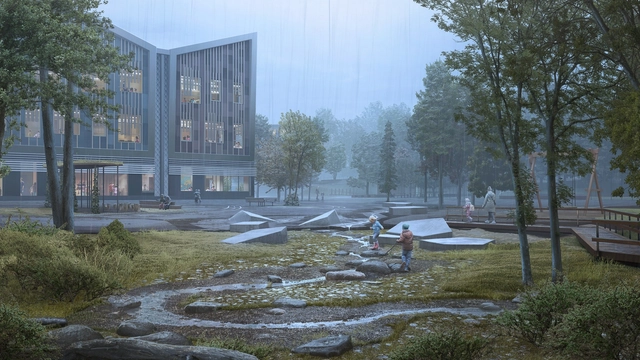
LINK Arkitektur has revealed the design of a school that integrates the local climate conditions and challenges within the educational process. Located in Torslanda near Gothenburg, Sweden, where it rains every other day during the school year, the project uses water as a resource for both play and learning, taking a disruptive situation and turning it into an opportunity for understanding nature and the state of the environment.
For anyone who has weathered the pandemic while simultaneously raising a toddler: I feel your pain. In my house, toys are no longer organized by function or size; they’re relegated to piles, tossed in corners, buried beneath other things. And yet, despite pangs of homesickness for our beloved Brooklyn, we have found solace in our newfound suburbanization: backyard, vegetable garden, washer/dryer … even a second kid on the way! As we settled into our new routines in the land of sprawl, the pandemic struck and, like countless parents, we subscribed to Disney+. And although I was familiar with Pixar, watching the studio’s movies in this unprecedented context felt like experiencing them anew.
https://www.archdaily.com/970661/the-subversive-urbanism-of-pixar-moviesJustin R. Wolf




.jpg?1634887210&format=webp&width=640&height=580)
.jpg?1634887251 "Brainergy Hub. Image Courtesy of HENN")
.jpg?1634887182 "German Language Forum. Image Courtesy of HENN")
.jpg?1634887186 "German Language Forum. Image Courtesy of HENN")
.jpg?1634887229 "Brainergy Hub. Image Courtesy of HENN")
.jpg?1634887210)