The Second Studio (formerly The Midnight Charette) is an explicit podcast about design, architecture, and the everyday. Hosted by Architects David Lee and Marina Bourderonnet, it features different creative professionals in unscripted conversations that allow for thoughtful takes and personal discussions.
A variety of subjects are covered with honesty and humor: some episodes are interviews, while others are tips for fellow designers, reviews of buildings and other projects, or casual explorations of everyday life and design. The Second Studio is also available on iTunes, Spotify, and YouTube.
This week, David and Marina break down SCI-Arc's controversial panel "Basecamp: How to be in an office" and share their own advice on "how to be in an office”. The two discuss choosing the right office to work at; why the idea of committing to an office is right, but also wrong; why side hustles are not the solution to low fees and/or low pay; why just ‘getting shit done’ is not enough; why being underpaid is not just a ‘personal choice’; why the profession is struggling with low pay and long hours; and the nuances of SCI-Arc’s panel discussion.
https://www.archdaily.com/980293/the-second-studio-podcast-a-response-to-sci-arcs-basecamp-how-to-be-in-an-officeThe Second Studio Podcast
Manufacturers: Altus Windows, Artedomus, Crittall Arnold, Italian Stone, Lumenworks, +8Metroglass, Resident, Robertson Building Products, Russel Blinds, SageGlass, Simon James Design, Targetti, The Kitchen Hub-8
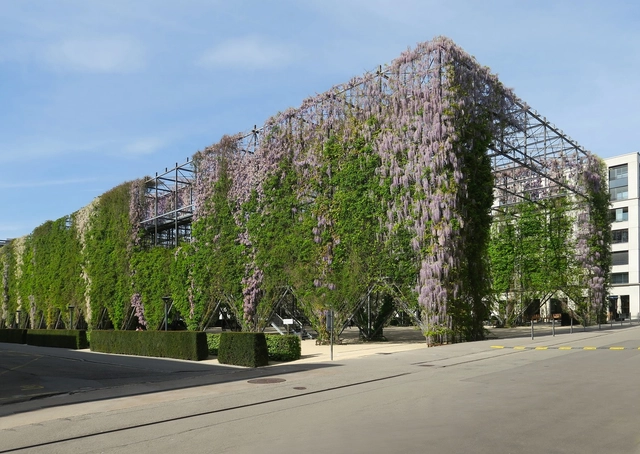
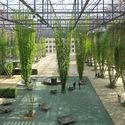
Paul Clemence’s capture of Zürich’s MFO Park is an evocative photo series for Archi-photo, demonstrating the juxtaposition between the metal shell of the man-made and the wild nature of the park itself. Vines intertwining themselves upon the skeleton of the structure create an attractive destination, replenishing the brownfield land and replacing it with a renewed and captivating image.
Zürich’s MFO park is a vibrant parkscape in Switzerland, previously a site used for around a century by the Oerlikon Machine Works (MFO). Saturated with construction debris and pollution during a long period of industrialization, it has been transformed into a green paradise with the nearby wooded Oerliker Park brimming with ash trees. Offering a diverse area of open space it is available to the public for a wide range of activities and events, with the presence of ‘Park House’, a large open hall, and trellis enveloped with climbing vegetation.