The developing state of society with Chinese characteristics presents a unique environment for China’s contemporary architecture. Furthermore, by serving as one of China’s primary centers of design, Shanghai serves as an ideal entry point for understanding China’s contemporary architecture.
Architect Xing Ruan is the founding dean of the School of Design at Shanghai Jiao Tong University, China. Ruan left China for New Zealand and Australia in the early 1990s before returning in 2018 for his present post, giving him sharp insight into his role as scholar and practitioner situated in both East and West.
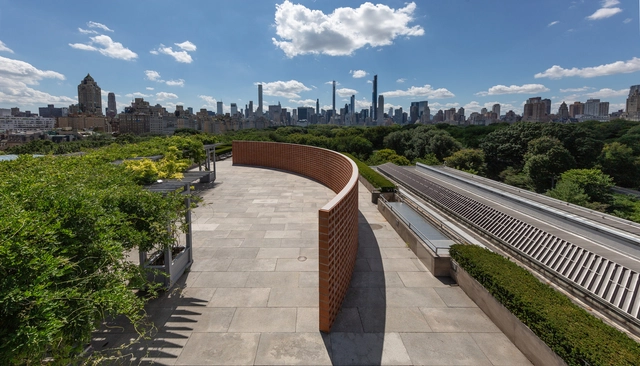
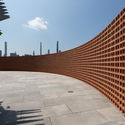
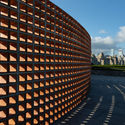
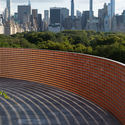
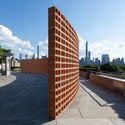
Although deploying four months later than normal (due to an obvious, unforeseen roadblock), the Metropolitan Museum of Art has revealed its 2020 Roof Garden commission, tapping Mexican artist Héctor Zamora to drop a timely intervention across the New York City institution’s outdoor terrace.
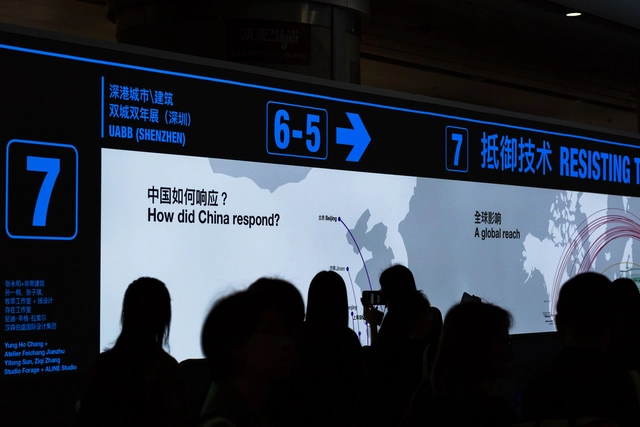
For the 2019 Shenzhen Biennale of Urbanism\Architecture (UABB), titled "Urban Interactions," (21 December 2019-8 March 2020) ArchDaily has been working with the curators of the "Eyes of the City" section to stimulate a discussion on how new technologies might impact architecture and urban life. The contribution below is part of a series of scientific essays selected through the “Eyes of the City” call for papers, launched in preparation of the exhibitions: international scholars were asked to send their reflection in reaction to the statement by the curators Carlo Ratti Associati, Politecnico di Torino and SCUT, which you can read here.
https://www.archdaily.com/946136/what-futures-for-architecture-biennales-lessons-learned-from-the-2019-2020-shenzhen-biennaleEyes of the City Curatorial Team
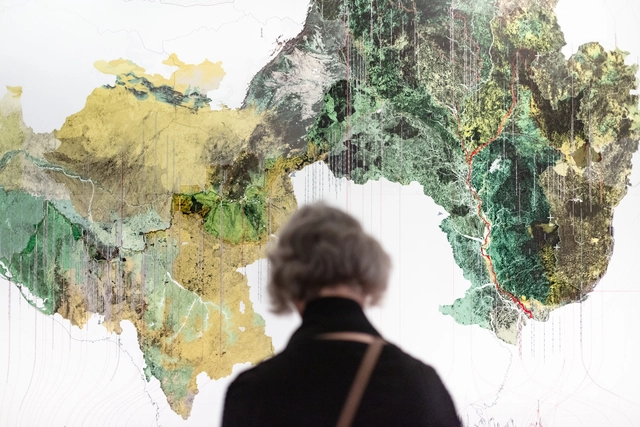
The cartographies reveal different facets of Brazil and examine the nature of the visible and invisible walls that define the country. They were produced by the exhibition’s curators Gabriel Kozlowski, Sol Camacho, Laura González Fierro and Marcelo MaiaRosa in collaboration with 200 professionals from 10 different disciplines
https://www.archdaily.com/945860/brazilian-maps-from-the-venice-biennale-2018-on-sale-to-fight-coronavirus-in-the-amazonEquipe ArchDaily Brasil
The Midnight Charette is an explicit podcast about design, architecture, and the everyday. Hosted by architectural designers David Lee and Marina Bourderonnet, it features a variety of creative professionals in unscripted conversations that allow for thoughtful takes and personal discussions. A wide array of subjects are covered with honesty and humor: some episodes provide useful tips for designers, while others are project reviews, interviews, or explorations of everyday life and design. The Midnight Charette is also available on iTunes, Spotify, and YouTube.
This week David and Marina are joined by Wandile Mthiyane to discuss growing up in Durban, South Africa, Christians building classrooms, the apartheid, becoming an Obama Foundation Leader, the subtleties of racism and how it differs from the United States to South Africa, hiring locally, and more. Enjoy!
https://www.archdaily.com/946691/wandile-mthiyane-on-why-dignified-housing-is-at-the-foundation-of-a-communityThe Second Studio Podcast
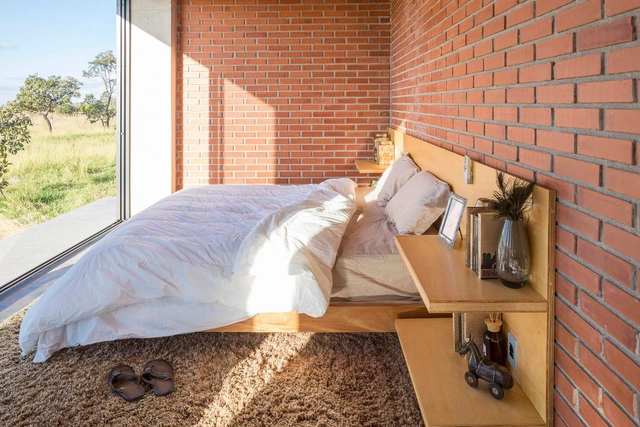
Keeping the materials in their natural and raw form in the projects seems to be more and more popular in contemporary architecture. The modern style legacy of keeping the construction elements visible not only establishes a frank relationship between the user and the built environment but also allows for a more diverse material palette and can be a very important tool when designing interiors. Brick is perhaps the most popular material in this context. Nowadays, people use the term exposed brick "finishing", which gives the concept of exposed materials a whole new meaning, namely ornamental, sometimes even replicated as wallpaper or merely decorative tiles.
With society's needs and aspirations shifting, spatial typologies and architectural programs are continually being questioned, and this re-evaluation creates the premises for innovation. The following is an exploration of how architecture is metabolizing society's fundamental changes throughout several aspects of everyday life, challenging the existing assumptions regarding program and space.
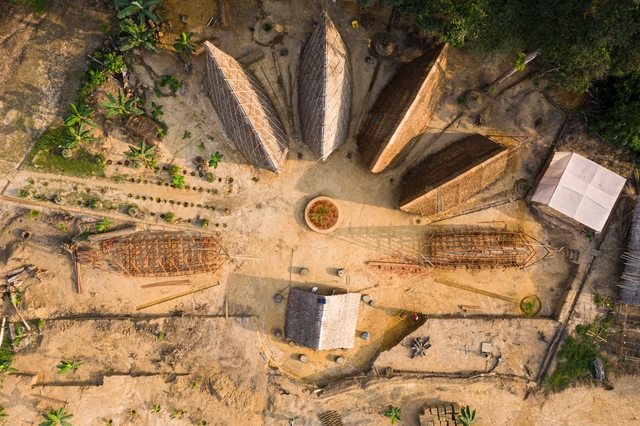
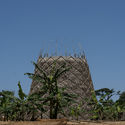
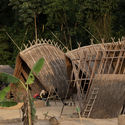
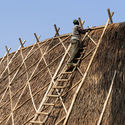
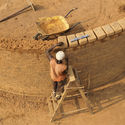
Under construction in the tropical rainforest of Cameroon, Warka Village is an integrated space for the Pygmy community, an isolated society located in the Mvoumagomi area. Constructed using only natural materials and ancient local construction techniques, the project, created by Warka Water and Italian architect Arturo Vittori, is currently operational, and expected to be completed in 2022.
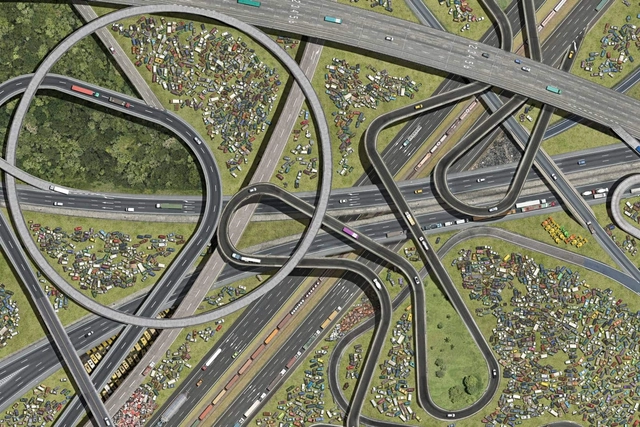
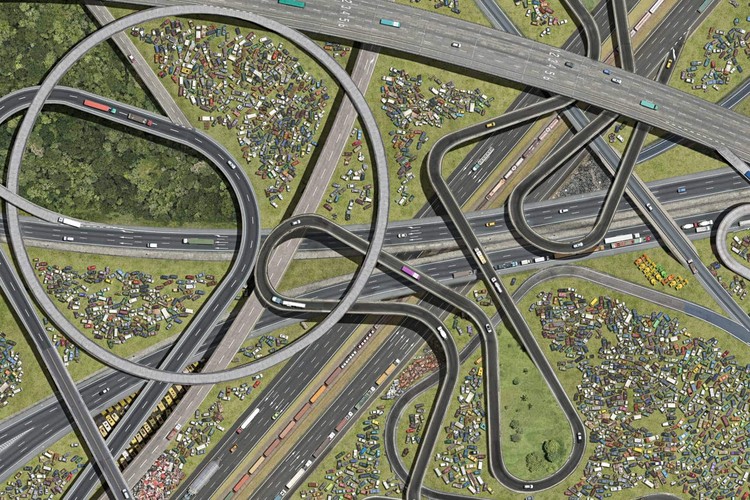
Collectives, is a series of aerial imageries by Brazilian photographer and artist Cássio Campos Vasconcellos, made from articulated photos captured during helicopter flights. On-going for almost 5 years, the project consists of large-format works portraying chaotic urban landscapes and exploring “jam-packed situations typical of our civilization”. Aiming to showcase the impact of human activity on the world, the collection of images is a visual investigation of our consumer society.
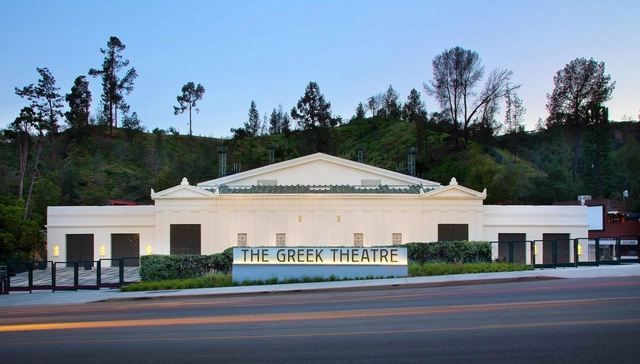
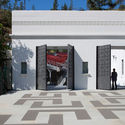
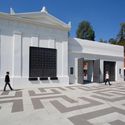
Design practice RIOS worked together with historic preservation firm Page & Turnbull to restore and renovate the historic Greek Theatre in Los Angeles. As an iconic element of Griffith Park, the 5,900-seat outdoor music venue was built 90 years ago into the base of a canyon. Phases 1 and 2 included the removal of alterations to the site that obscured the historic character, as well as complete restorations of the iconic entry gates.
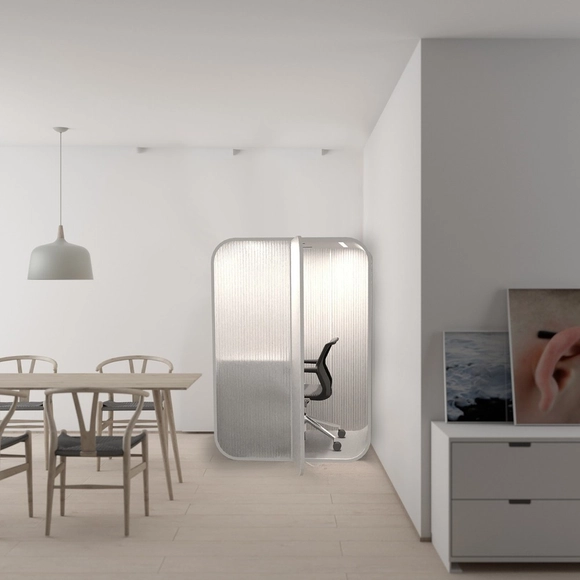
Brazilian architecture firm Atelier Marko Brajovic in partnership with the agency ℓiⱴε (Live) and Oca Brasil has just launched their new project, HOM, a kind of portable capsule that provides suitable workspace inside the house. The design explores a relatively new demand of the post-pandemic household, offering "a safe, controlled and equipped workspace," which integrates organically with the home environment.
https://www.archdaily.com/946633/atelier-marko-brajovic-creates-home-office-capsule-that-fits-in-any-houseEquipe ArchDaily Brasil
There is nothing like a crisis to bring people together. After Hurricane Katrina, more than 9,000 citizens participated in the development of the Unified New Orleans Plan that our firm Concordia coordinated in collaboration with 12 other planning teams. Now we’re working with another stellar group on a project called LA Safe, with the goal of creating a plan for residents of south Louisiana who will be among the first to experience the devastating impacts of sea-level rise.
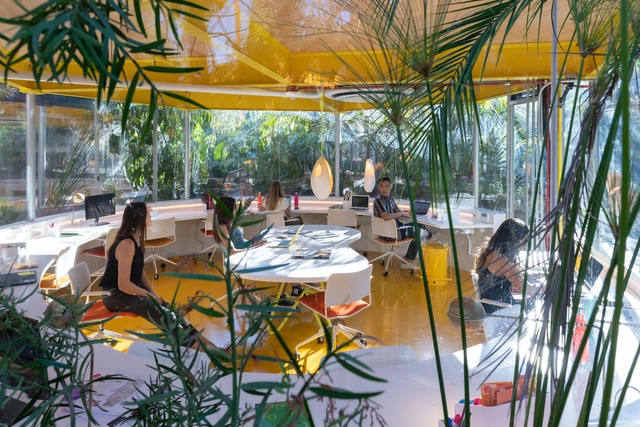
Due to population growth and an increase in urban density and real estate prices, architects and urban planners have been pursuing alternatives for new spatial configurations for settling and housing in the cities. The multiplication of shared housing and workspaces is an example of how the field of architecture is adapting to new ways of living in society.
Perhaps the most arduous part of every aspiring architect’s career is the built-up doom and gloom that surrounds the process of mentally preparing, and actually taking, the Architect Registration Exam- also known as the ARE. What ideally should be more of a process that tests real-world application and knowledge about the practice itself, has slowly evolved into a mentally exhausting challenge of sourcing highly specific information just to survive each exam. The only thing harder than studying for the exams themselves, is navigating the increasingly saturated array of online practice tests, advice forums, one-off study guides, and rogue tips that seem to shroud the six-part quest for licensure in more mystery than provide any sort of clarity or guidance.
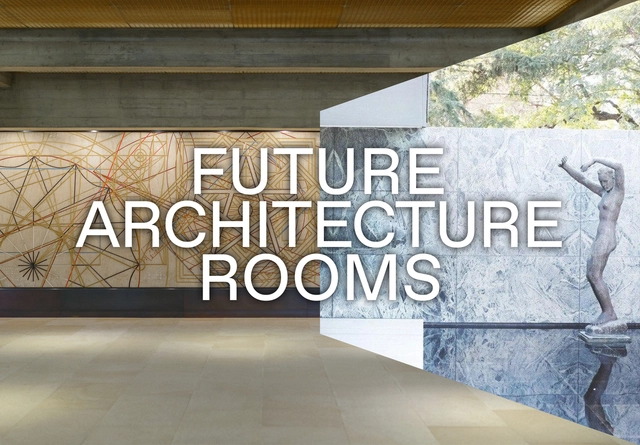
Nowadays, architecture museums, galleries, publishing houses, foundations, and experimental laboratories all have rooms to show their backstage, bringing about debates and proposals of the future of architecture. This is all part of Future Architecture Rooms, a project launched early this week on the Future Architecture Platform which showcases a collection of online spaces, each hosted by one institution and one member of the platform. We talked with the concept curator, Anastassia Smirnova (SVESMI) to better understand how the idea behind this project emerged, and what innovations it can present in the way of working on exhibitions and architecture.
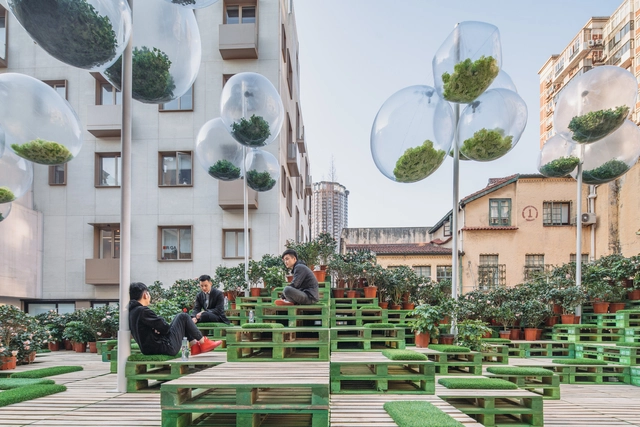
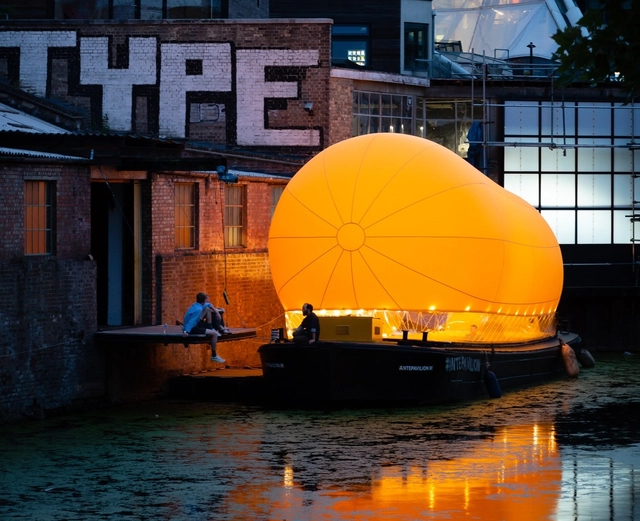
Architecture is defined by its permanence. While the discipline's most celebrated works are often those that were built to last, there's inherent beauty and value in an architecture of impermanence. Moving beyond conventional buildings and considering environmental and social impacts, temporary structures hold the potential to push the boundaries of architecture and the categorization of art.
Curl la Tourelle Head Architecture received the green light to move forward with its latest “socially focused mixed-use scheme” that includes council homes, an adult education center, and affordable workspaces. Entitled Morland Gardens, the new project located in the London Borough of Brent, one of the district’s most deprived areas, is scheduled to start in the fall of 2020.
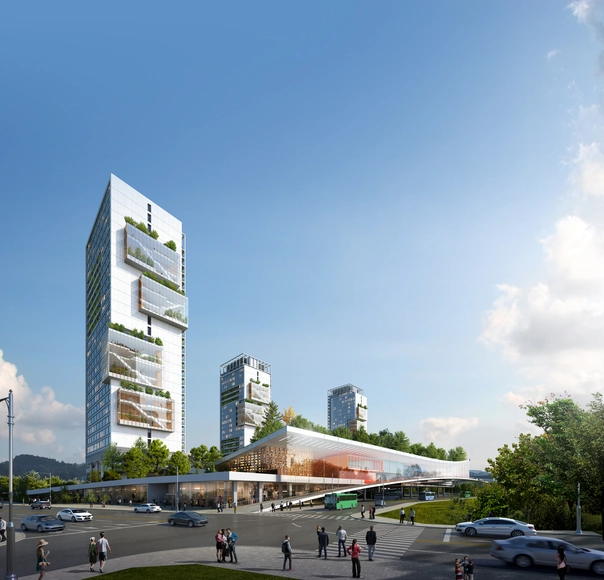
Gangil 1st position. Image Courtesy of M.A. Architects & Partners
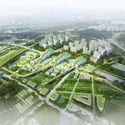
The Seoul Compact City has held 3 different international design competitions, in 3 different neighborhoods in Seoul, South Korea, hosted by theSeoul Metropolitan Government and organized by Seoul Housing Corporation (SH Corporation). Aiming to create complex urban spaces in each of the interventions of the three-dimensional project, the contest selected visionary winning teams for each thematic, focusing on the introduction of public housing units and the enhancement of the infrastructure.
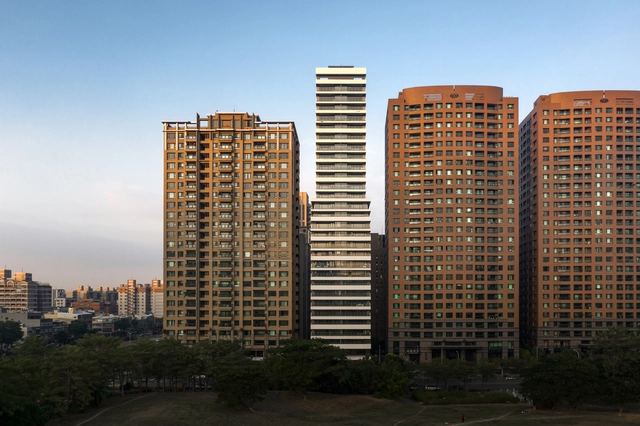
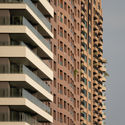
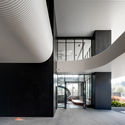
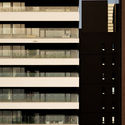
Taiwan's One More residential tower by Spatial Practice has been captured through a series of new photographs by Kris Provoost. The 100 meter tall concrete tower is composed of 53 two-bedroom units with open kitchen and living room views toward the nearby park. The design was made to break from the monotony of the neighboring typical residential typology with simple bands that vary in height.
The Brundtland Report, 1987 - "Our Common Future" - introduced the notion that the sustainable use of natural resources must "meet the needs of the present generation without affecting the ability of future generations to meet theirs." Since then, the term sustainability has been popularized and, often, trivialized in our daily lives. In the construction industry, this is no different. As much as we know that to build, we need to destroy, how is it possible to mitigate the effects of construction during the useful life and demolition of buildings? A sustainable building, in its design, construction, and operation, must reduce or eliminate negative effects overall and may even generate net positive impacts on the climate and environment – preserving resources and improving the quality of life of the occupants simultaneously. To say that a building is sustainable is easy and even seductive. But what exactly makes sustainable construction?
Answering this question is not a simple exercise. That is why, in the last 30 years, several building sustainability certifications have been created. Through outsourced and impartial evaluations from different sources, they aim to verify the sustainable aspects of any construction. Each of them addresses particular building elements and is typically focused on certain regions of the world. While there are some certifications that verify whether the building meets certain efficiency criteria, others create different classifications, assigning a score based on these evaluations. Below, we list some of the primary sustainability certifications around the world – ranked alphabetically – and include their main architectural applications alongside a brief explanation:
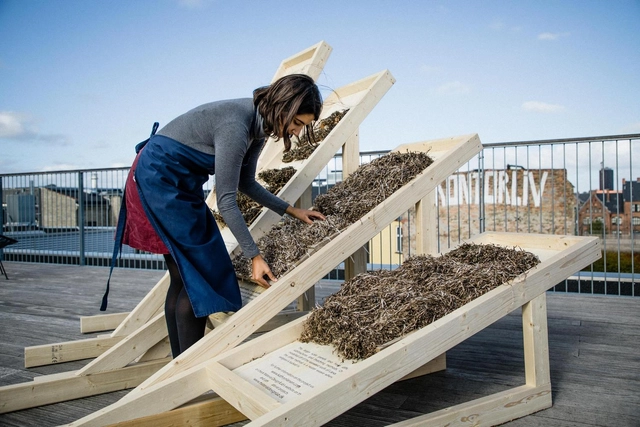
Inspired by vernacular architecture, Kathryn Larsen is a bio-based designer working with seaweed. Throughout her career, she has been doing an intensive investigation into eel-grass, a material that has been used for centuries around the world. Larsen wants to apply all the benefits of this material (rot resistance, fire resistance, non-toxic, insulation characteristics comparable to mineral wool, and its ability to create carbon negative buildings) into prefabrication development and other technologies that enable the creation of new cladding and other elements, such as insulation batt and acoustic panels.
During the latest Design Indaba Festival, we had the chance to interview Kathryn. Read the interview and learn more about her work below.
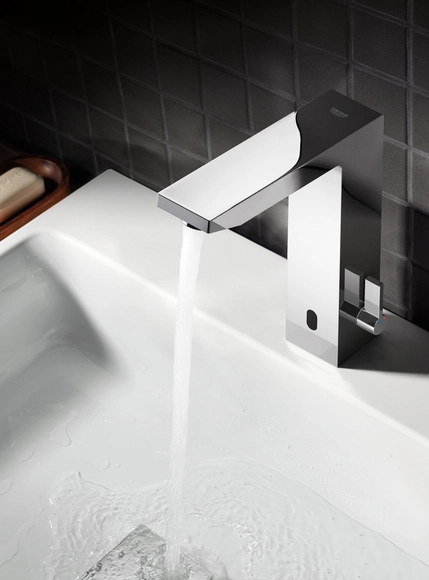
It's on: GROHE's automatic faucets are easy to use. The water flows as soon as your hands approach the faucet and stops when no more movement is detected
Thanks to GROHE's technologically advanced contactless faucets, no one need to worry about getting their hands dirty while washing them.
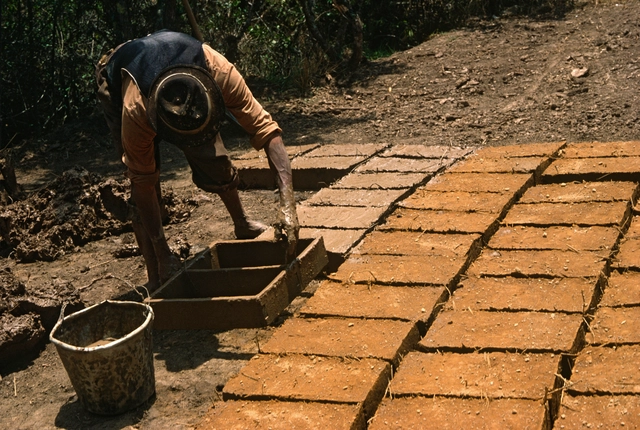
When building for a more sustainable world, the materials you choose undoubtedly play the biggest part in minimizing your project's carbon footprint. Building a wall out of plastic bottles, for example, prevents them from adding to the hoard in a landfill. However, there is a material used for centuries throughout the world that tops all the rest when it comes to sustainability: adobe.










.jpg?1598465204 "proposal for a self-sufficient community. Image Courtesy of Guallart Architects")








.jpg?1598379881 "Three Generation House / BETA office for architecture and the city. Image: © Ossip van Duivenbode")











.jpg?1598300039&format=webp&width=640&height=580)