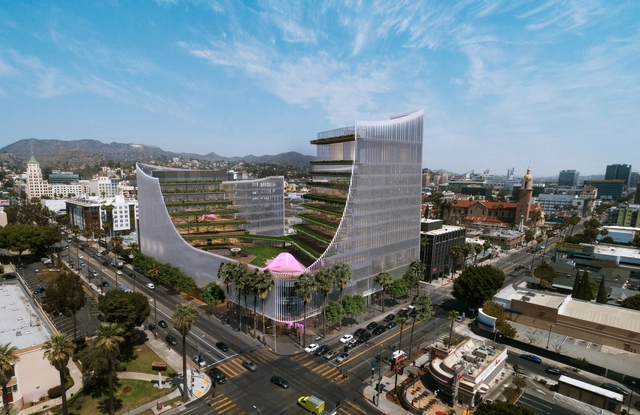
Architecture firm HKS and landscape designer Hood Design Studio have been selected by global entertainment and media company CMNTY Culture to design a new creative campus in the heart of Hollywood. Dubbed CMNTY Culture Campus, the project will feature production spaces, offices, performance venues, bringing together creative industries in a 500,000-square-foot development.
The upcoming exhibition in The Architect's Studio series hosted by the Louisiana Museum of Modern Art presents the work of Forensic Architecture, a multidisciplinary research group operating at the intersection of architecture and investigative journalism. Led by architect Eyal Weizman, the collective of architects, artists, software developers, journalists, lawyers, and animators investigates and documents human rights violations across a wide range of global conflicts.The practice constructs models and virtual spaces to share a new perspective on specific events.
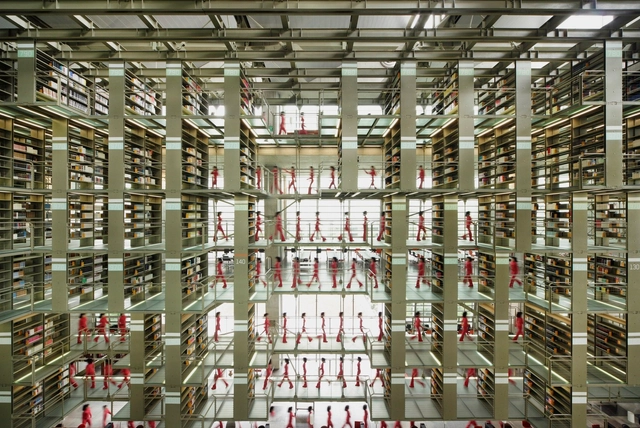
Biblioteca Jose Vasconcelos / Taller de Arquitectura X / Alberto Kalach. Image Cortesía de Taller de Arquitectura X / Alberto Kalach
Over the years, interior design has evolved according to the needs that arise, but above all according to the experiences we seek to provoke in the user. In the last two years, we witnessed a radical change and a particular interest in this subject because the pandemic forced us to pay specific attention to the configuration of the places we inhabit. This brought about much more holistic designs that cater to the wellbeing of the user, combining colours, sensory experiences, technology and natural elements that promote health.
For centuries and centuries we’ve built – and the diversity in our global built environment is a testament to that. The many different cultures around the globe have had different ways of building throughout history, adapting locally found materials to construct their structures. Today, in our globalized present, building materials are transported across the globe far from their origins, a situation that means two buildings on completely opposites sides of the world can be more or less identical.
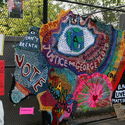
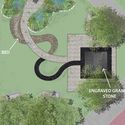
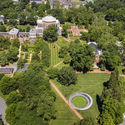
Tragedy, protest, insurrection, and political turmoil have led to a renewed awareness of racial injustice and democratic instability. These issues create new challenges for users and designers of public spaces in America. Cultural spasms have resulted in contested public spaces — sites of killings, protests in streets and parks, and forgotten burial grounds. These spaces need a new form of environmental justice.
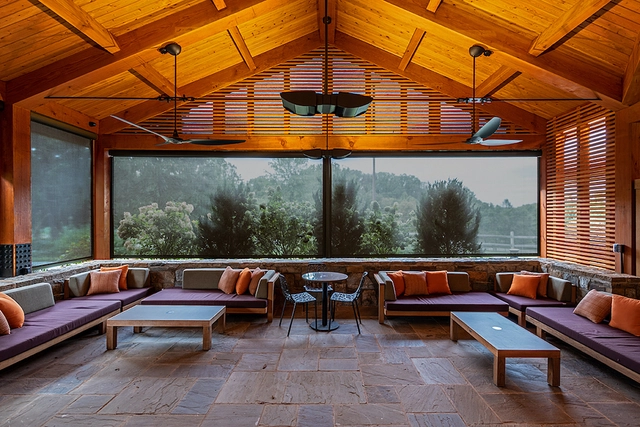
Wolf Trap National Park for the Performing Arts – Vienna, Virginia | FlexShade® ZIP | Dealer: Goodwin Bros. Shades and Specialties | Photographer: Alan Wycheck – alanwycheckphoto.com. Image Cortesia de Draper
Comfortable outdoor spaces are more desirable than ever. Over the past couple of years, people have been spending more time at home, connecting with nature from the relative comfort of covered balconies, patios, and pergolas. But even with pleasant views, cooling breezes, and the warmth of the sun, covered outdoor spaces can be uncomfortable. Temperature variations, glare, rain, and wind quickly create an unpleasant experience. In warmer climates, insects can be an additional a nightmare.
Clay walls have a high thermal inertia. This means that they act as a climate buffer that creates a thermal delay in the flow of heat from the outside to the inside, absorbing it during the day and releasing it overnight. The material is especially suitable for hot and dry climates, such as that of Gando, where Francis Kéré built his first school. After years of studying abroad, Kéré returned to his home community with the intention of building this school with the same materials historically used by locals, which many originally viewed as strange, as he said in this lecture. Despite the initial prejudice, it was the combination of local materials and techniques with Kéré’s acquired knowledge that ultimately gave strength to the project.
https://www.archdaily.com/978851/how-does-francis-kere-use-materials-to-respond-to-local-climate-conditionsValeria Montjoy and Eduardo Souza
Under the latest round of NYC's Department of Design and Construction (DDC) Project Excellence Program, Commissioner Thomas Foley has announced that the agency has selected 20 firms to provide architectural design services for New York City’s future public buildings project. 10 of the selected firms are certified Minority- and Women-Owned Business Enterprises (M/WBEs), meeting the city’s ambitious goals of supporting M/WBEs and increasing its ability to generate culturally competent designs.
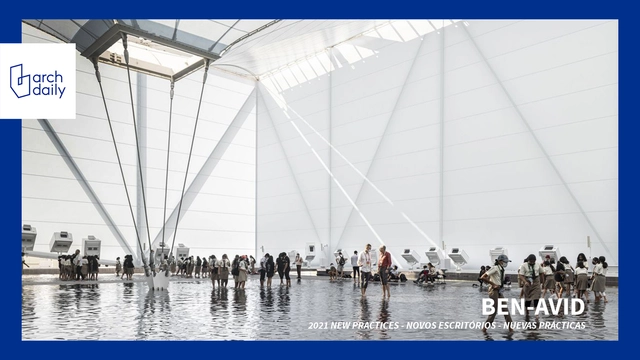
Martin Benavidez founded Ben-Avid in 2018, an architectural practice he runs from Córdoba, Argentina, where he develops national and international architectural projects of various scales and complexities.
His projects are commercial spaces, galleries and exhibition pavilions, urban and metropolitan transport infrastructure, among others. They are collaborative and tell stories. It is architecture that has a narrative. His Pavilion for Expo 2020 Dubai together with MMBB Arquitetos and JPG.ARQ is one of his most recent projects. Its protagonists are the waters of Brazil: its rivers and mangroves, a natural heritage that underlies the whole discourse on the sustainability of the planet.
Selected by ArchDaily as one of the Best New Practices of 2021, we conducted the following interview with Martin to tell us more in detail about all his inspirations, motivations, work processes and upcoming projects.
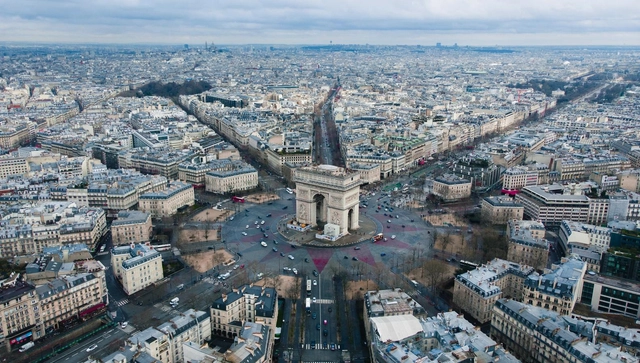
Paris has been making headlines for years with its aggressive steps to anti-car, pro-pedestrian urban improvements. Faced with increasing issues around air pollution and an attempt to reclaim streets for alternate modes of transit, as outlined in their proposed plan for a 15-minute city, the French capital is seen as a leader in future-forward urbanist strategies. Recently, their department of transportation set a deadline for their lofty goals of eliminating traffic from its roads. In just two years from now, in time for the French capital to host the Olympics, Paris plans to ban non-essential traffic from its city center, effectively eliminating around 50% of vehicular mobility. What does this plan look like? And how might other cities use this strategy to eliminate their own urban issues?
With a history that dates all the way back to 1834, manufacturer of luxury cases and safes WOLF knows all about the importance of protecting not only treasured possessions, but legacy, too.
The election of Kéré is not only symbolic in a time of identity demands, where the institutions that make up the mainstream are required to more faithfully represent the social, cultural, and sexual realities that make up our societies, but it also confirms the recent approach of the Pritzker Prize jury.
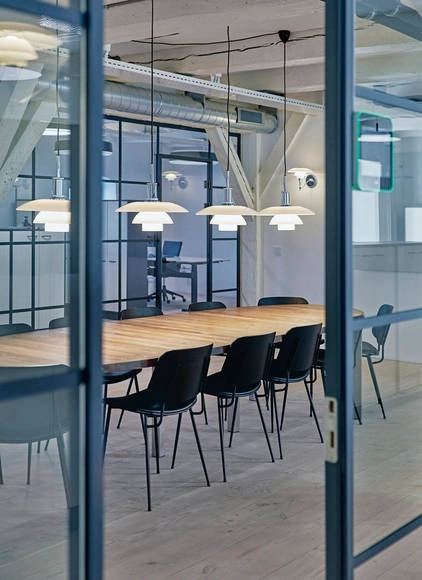
In recent years, there has been an increased focus on indoor lighting, especially in the context of the growing numbers of open-plan offices. In large parts of the world—and especially in Nordic countries—people can spend up to 80-90% of their time indoors. The light we are surrounded by affects both our circadian rhythm and hormones, making our indoor environment and its light an important factor of our well-being. Opinions on the optimal indoor lighting solution—and if one exists at all—are numerous and divided. To gain some more insight into this, the Danish lighting manufacturer Louis Poulsen set out to test the effects of various artificial lighting conditions in their own head office in Copenhagen.
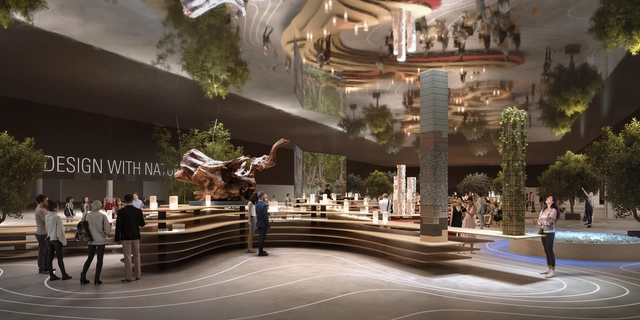
The 60th edition of Salone del Mobile.Milano 2022, which will take place from the 7th till the 12th of June 2022 at the Fiera Milano Rho, is reflecting on the ongoing ecological transition of the design world, with a mission to "demonstrate that it is both possible and crucial to start embedding sustainability and environmental awareness into furniture production". More than 2,000 exhibitors, including over 600 young designers under the age of 35, will express their own identities and creative freedom, using the exhibition space as both an architectural and communication element with sustainability and ecology as main criteria.
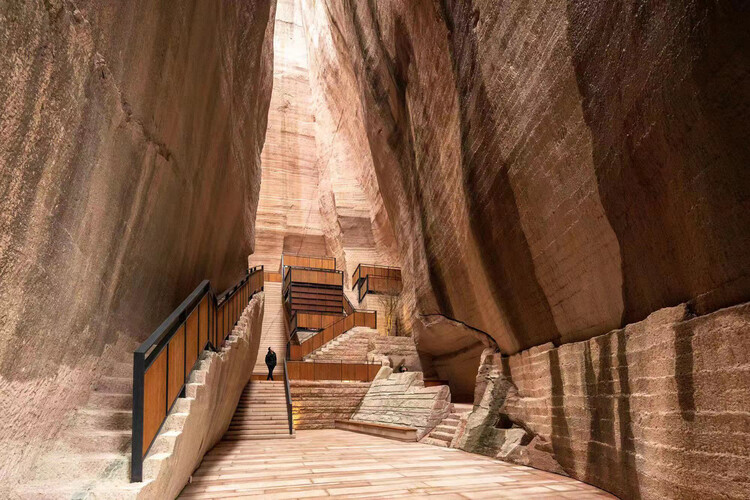
Aedes Architecture Forum recently inaugurated the "Jinyun Quarries – The Quarry as Stage" exhibition, which showcases the transformation of abandoned stone quarries in the Zhejiang Province, China, into a platform for cultural and social activities. Beijing architect Xu Tiantian and the team of DnA_Design and Architecture were tasked with developing a new public infrastructure inside nine of the mines in Jinyun County, thus opening up new economic perspectives for the local people. Running until May 5th, the exhibition highlights the extraordinary spatiality of the stone quarries while communicating the complexity of the structures through a series of models, plans and photographs of the interventions.
Based in São Paulo, Atelier Marko Brajovic was founded in 2006 by architect Marko Brajovic. With a multidisciplinary practice, the idea of the hybrid manifests itself as the conceptual north of the office that operates on several fronts: architecture, scenography, expography, creative direction, interior and product design. With a vast language that explores different areas, formats and aesthetics, its projects are, above all, recognized for breaking with the modern canon and seeking solutions in nature.
Balconies provide residents with great views while literally and figuratively looking down on the neighbors, but they also offer numerous other advantages.
Videos
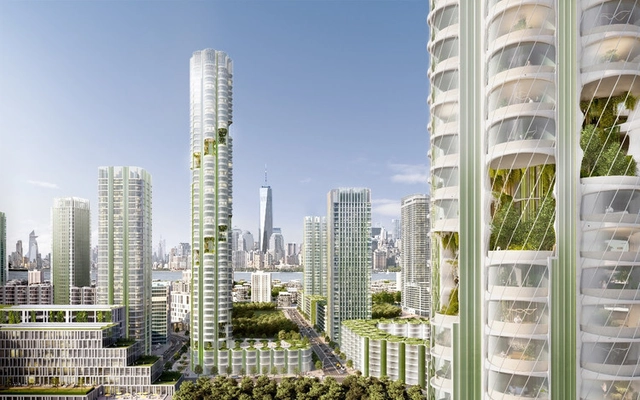
Urban Sequoia Forests of Buildings Isolating Carbon & Producing Biomaterials . Image Courtesy of SOM / Miysis
With the magnitude and urgency of the immediate Covid-19 crisis worldwide, efforts have been concentrated on saving lives, rather than focusing on concerns related to the road to Net-zero carbon. Net Zero carbon in regards to construction is defined as when the amount of carbon emissions associated with the construction of a building and its completion is zero. A zero-energy building will have an overall zero net energy consumption; the total amount of energy used by the building annually is equal to the amount of renewable energy generated on-site.
As the climate emergency presents itself as a severe and existential threat, it is crucial that the road to net-zero carbon is resumed large-scale in both an architectural and commercial sense. Around the globe, efforts have been renewed in an attempt to tackle the almost inconceivable. According to the 2019 global status report for buildings and construction, the buildings and construction sector accounted for 36% of final energy use and process-related carbon emissions in 2018. Although carbon emissions were temporarily reduced during the peak of the pandemic, they are set to swiftly return to previous figures.
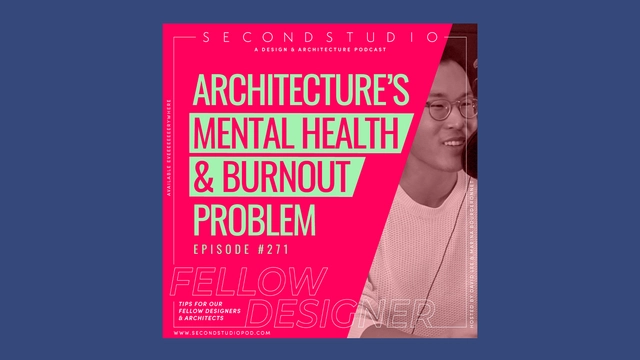
The Second Studio (formerly The Midnight Charette) is an explicit podcast about design, architecture, and the everyday. Hosted by Architects David Lee and Marina Bourderonnet, it features different creative professionals in unscripted conversations that allow for thoughtful takes and personal discussions.
A variety of subjects are covered with honesty and humor: some episodes are interviews, while others are tips for fellow designers, reviews of buildings and other projects, or casual explorations of everyday life and design. The Second Studio is also available on iTunes, Spotify, and YouTube.
This week David and Marina discuss mental health and burnout in architecture, covering how the issue is perceived by different generations, why looking to other colleagues and professions can be helpful but also not helpful, passion as a solution and problem, the inherent complexity of architecture, architects being undervalued, whether or not architecture school should change, the instability of a project-based practice, and the main reasons for poor mental health and burnout exist in architecture and how they can be addressed.
https://www.archdaily.com/978731/the-second-studio-podcast-architectures-mental-health-and-burnout-problemThe Second Studio Podcast
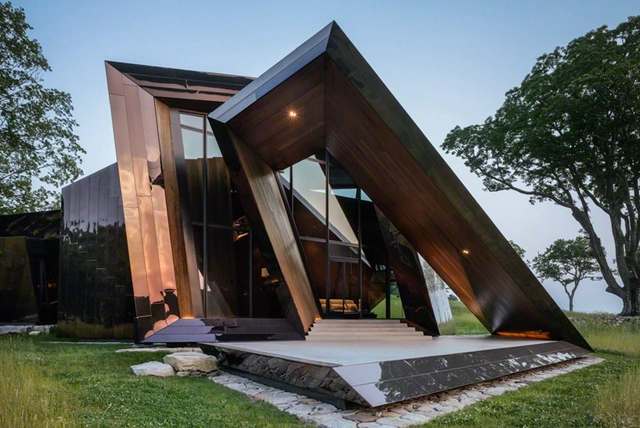
18.36.54 House, Connecticut. Image Courtesy of Nikolas Koenig
Polish-American architect, artist, professor, and set designer, Daniel Libeskind, founder of Studio Libeskind in 1989, believes that buildings are crafted with perceptible human energy, constructed with the intention to address the greater cultural context in which they are built. His commitment to expanding the scope of architecture reflects his profound interest and involvement in philosophy, art, literature, and music.
He addresses the notion of drawings being akin to a score, a piece of music that is interpreted by a like-minded community. Proportions, light, and materiality are all implicated in the drawing, and in this same way, buildings are also called to present space, atmosphere, and illuminate the practice.
Architecture education was never designed to prepare you for the entrepreneurial side of running a practice. In the minds of the creators that constructed the system which stands for what you now know to be the path to getting licensed, you were never meant to start a business in architecture prematurely. There is a code, a set of rules that drives you to obey and follow a one-sided vision of success.
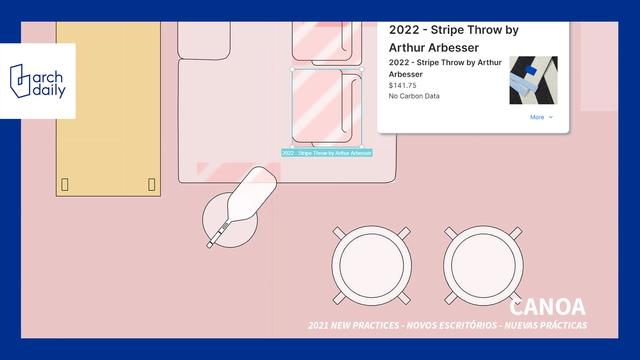
Providing an end-to-end design and construction framework for creating low-carbon workplaces, Canoa is a design tool with an embedded marketplace that aims to reduce the environmental impact of commercial interiors. Operating under the circular economy principles, Canoa seeks to keep goods in use for as long as possible, design out waste, and help preserve natural resources while supporting businesses, designers, and suppliers in carrying out commercial retrofits.
Selected as one of Archdaily's Best New Practices of 2021, Canoa is a New-York based start-up founded in 2019 by designer and entrepreneur Federico Negro, with the purpose of delivering environmentally conscious working environments for a wide range of businesses. Canoa is a business-to-business marketplace for low-carbon office products, ranging from furniture to lighting and accessories. The company focuses on providing conscious, durable furniture and prefabricated units with traceable materials and manufacturing that can be easily moved and reused.
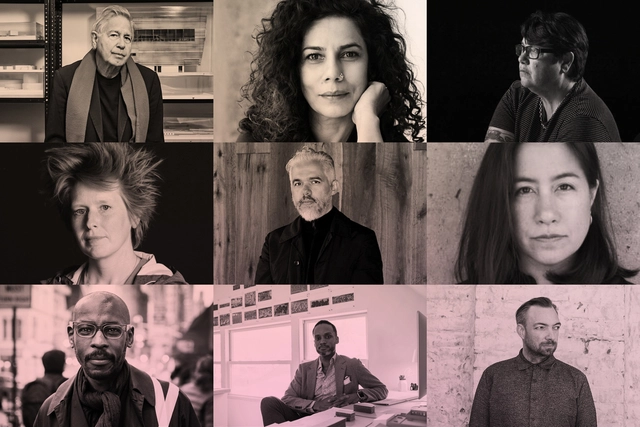
Top left to right: Bernard Tschumi, Anupama Kundoo, Catherine Opie. Middle left to right: Erin Besler, Héctor Esrawe, Ana María León. Bottom left to right: Mario Gooden, Sekou Cooke, Liam Young. Image Courtesy of SCI-Arc
SCI-Arc (Southern California Institute of Architecture) was created in 1972 and based on the concept of a "college without walls". Its original name was New School, which symbolized a paradigm shift in teaching architecture, focusing on a horizontal relationship between teachers and students and on experimentation, making it one of the few independent architecture schools in the world. In 2022, the institution turns 50 and has planned a calendar full of events and projects to take place throughout the year.












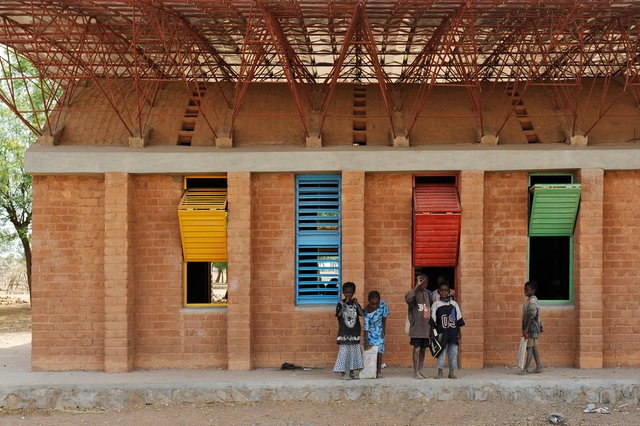
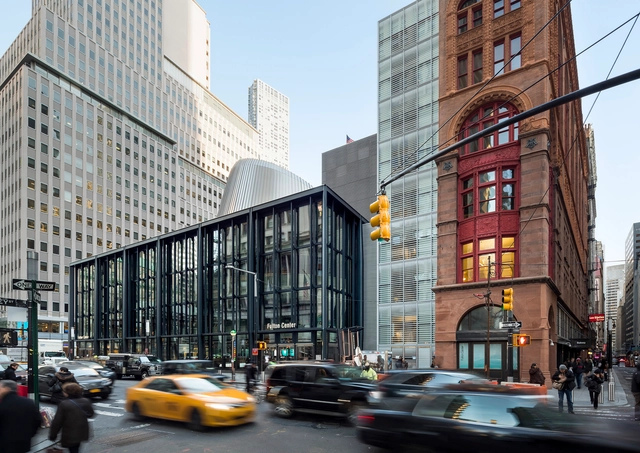








.jpg?1647823485 "Gando Primary School Extension / Kéré Architecture. Image © Erik Jan Ouwerkerk")
.jpg?1647822667 "Serpentine Pavilion / Kéré Architecture. Image")
.jpg?1647822697 "Startup Lions Campus / Kéré Architecture. Image")
.jpg?1647823274)




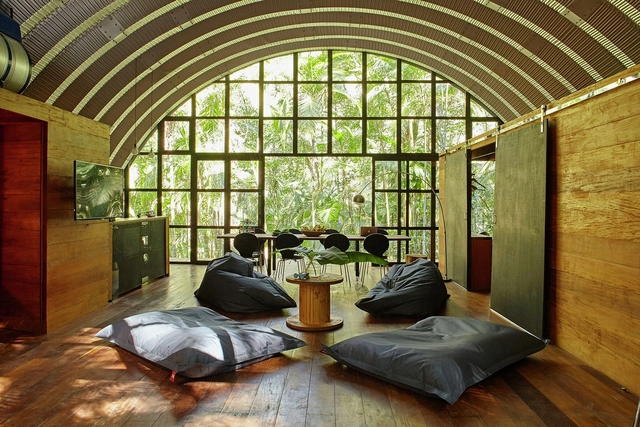

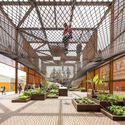

.jpg?1645559930&format=webp&width=640&height=580)