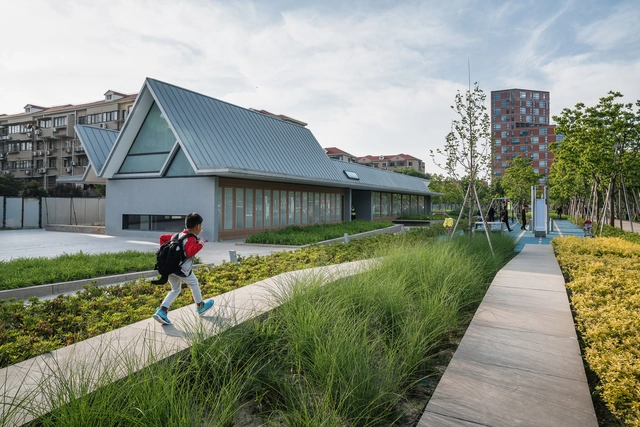
World Wetlands Day is celebrated every February 2nd to raise awareness of wetlands. This day also marks the anniversary of the Wetlands Convention, adopted as an international treaty in 1971. Its enactment is because nearly 90% of the world's wetlands have been degraded since 1700, decimated three times faster than the forests. However, they are essential ecosystems that contribute to biodiversity, climate mitigation and adaptation, freshwater availability, world economies, and much more.
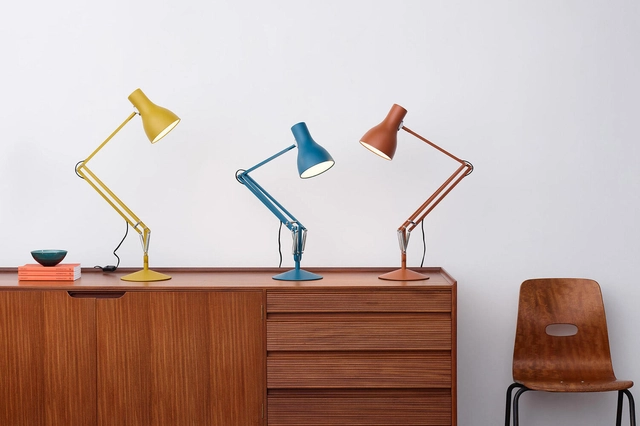
Founder of the balanced-arm design, the Anglepoise lamp holds the weight of its head with attached springs. Image Courtesy of Anglepoise
"You’ve got a friend in me…" sings Randy Newman, in the Oscar-winning toy-box-fearing romp, Toy Story. But although the song refers to the relationship between a young boy and his favorite toys, it could equally apply to another of Pixar Animation’s most iconic characters, the loveable Luxo Jr, seen hopping around the studio’s production logo.
Combining a stable base with an independently moveable arm and head may make anthropomorphic desk lamps more functional, but while size, position, brightness, temperature, and the adjustability of all of the above are important features, what you really look for in someone to share a desk with, is a friend. Here are some of the friendliest desk light characters.
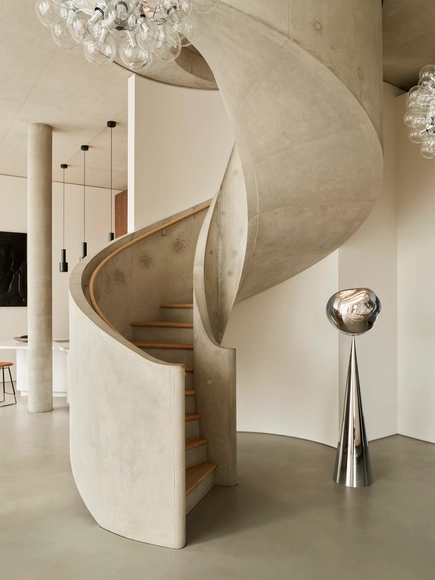
With a simple flick of a switch, lighting has the ability to completely transform a space, define its ambiance and create a mesmerizing, multi-sensory experience. It can cast shadows and highlights, add depth and texture, and even has the power to stir emotions and influence our well-being. More than just a practical source of illumination, it’s a tool for sculpting spaces and making a bold statement. Lighting fixtures come in various shapes, sizes and styles, each with a unique character and purpose; from the ornate elegance of a chandelier hanging from the ceiling to the sleek minimalism of a recessed light installed into a wall. The possibilities for creative expression are endless. Innovating and breaking the boundaries of traditional lighting design, Tom Dixon’s sculptural luminaires are a testament to these possibilities.
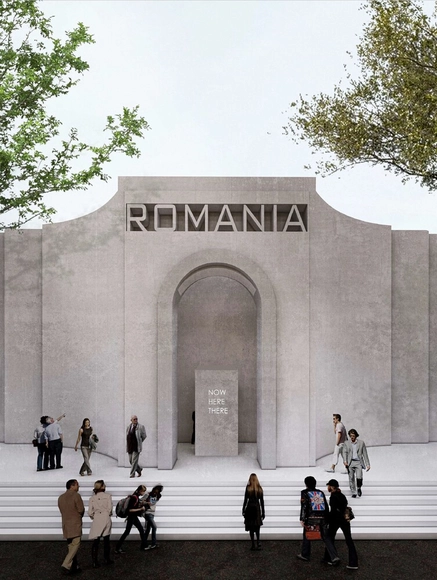
NOW HERE THERE - Accelerator of Ideas, 100 Lateral Pedagogies. Image Courtesy of UAR
The Romanian Pavilion at the 18th International Architecture Exhibition – La Biennale di Venezia will showcase innovative, yet unusual ideas and past technological innovations as a source of inspiration for creating more enjoyable and resilient urban environments. Titled “Now, Here, There,” the project was chosen following a national competition. The curatorial team composed of Emil Ivănescu, Simina Filat, Cătălin Berescu, and Anca Păsărin suggests turning to forgotten early 20th-century inventions to open up the field of possibilities for future developments. The team also collaborates with a number of specialists and institutions, including the National Technical Museum in Bucharest, which will provide a series of original artifacts to be on display for the duration of the exhibition, from May 20 to November 26, 2023.
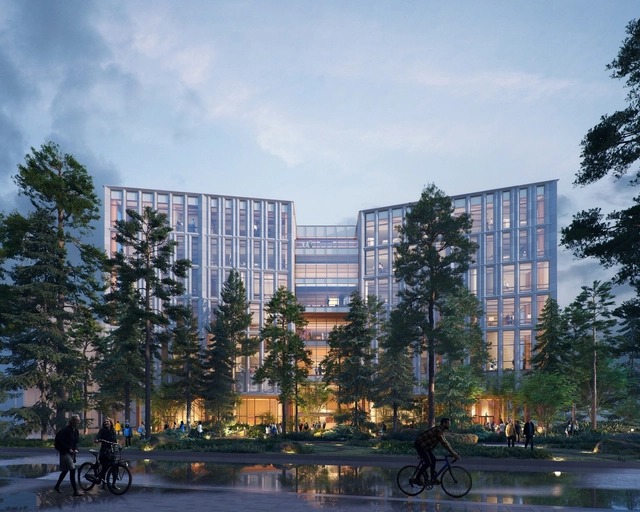
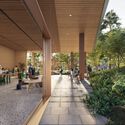
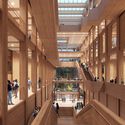
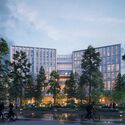
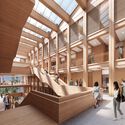
Perkins & Will has just begun construction on the Gateway Project for the University of British Columbia. The project will serve as the primary entrance point to the campus, as well as the new hub for the Nursing, Kinesiology, Language Science, and the university's health clinics. This project is inspired by the surrounding landscape and is informed by the Musqueam people, who have been occupying these territories for generations.
Students at the School of Engineering, RMIT University recently published a study experimenting with a new form of waste management and recycling. As they note in their research, cigarette butts are the most commonly discarded single waste item in the world, with an estimated 5.7 trillion having been consumed around the globe in 2016. However, the materials in cigarette butts—particularly their cellulose acetate filters—can be extremely harmful to the environment due to poor biodegradability. The RMIT study builds on a previous research study by Mohajerani et. al (2016) that experimented with adding discarded cigarette butts to clay bricks for architectural use. In their research, the RMIT students found that such a measure would reduce the energy consumption of the brick production process and lower the thermal conductivity of the bricks, but that other issues including bacterial contamination would have to be addressed prior to successful implementation. Below, we explore this research in more detail, investigating its relevance to the architecture industry and imagining possible futures of application.
https://www.archdaily.com/956164/is-it-possible-to-create-lightweight-bricks-by-recycling-cigarette-buttsLilly Cao
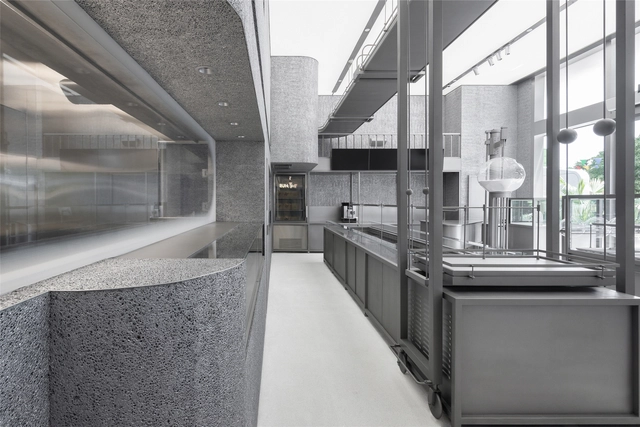
Stabilized Aluminum Foam is a unique looking material that combines the aesthetics of aluminum (its texture, shades and brightness) with a spongy, porous appearance. It is produced by injecting air into a cast aluminum alloy with stabilizing agents, which after curing, creates a porous and lightweight, yet highly resistant and rigid cellular structure. Because of its mechanical and thermal properties, it is particularly useful in applications in various industries, such as automotive, aerospace and marine, especially for energy absorption, thermal insulation, and sound dampening.
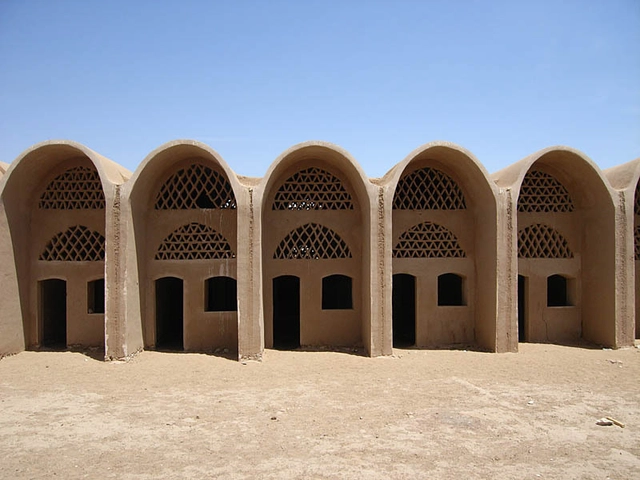
Archaeological endeavors aimed at exploring the civilizations of the past have revealed a commonality across the world. A form of architecture developed independently on every continent. Evidence shows that Neolithic communities used fertile soils and alluvial clay to construct humble abodes, creating humankind’s first durable and solid building material. Earth architecture was born at a very early age in human history. The techniques soon suffered a gradual decline as lifestyles changed, cities grew, and industrialized materials flourished. Does earth architecture have a place in the 21st-century world?
"It's all about attitude and adjusting to the existing circumstances", explains Boonserm Premthada, when asked about his conceptual process. Founder of Bangkok Project Studio, and one of today's most influential Thai figures in architecture, Premthada has been the subject of Bêka & Lemoine's latest documentary, ‘Big Ears Listen With Feet’. The film highlights the personal story of the architect, unveiling all the events and happenings that shaped his unique identity and sensibility. "Deaf from birth", the short movie looks at how the architect's disability led him to listen in a different way, learning from elephants. who "despite their large ears [...] perceive sound mostly through their feet."
ArchDaily had the chance to talk with Boonserm Premthada, during Milan Design Week 2022 at the DAAily bar. Recipient of the Design Prize 2021|22 for social impact curated by designboom, the architect shared insights about his beginnings, his office as well as his creative approach, and his projects.
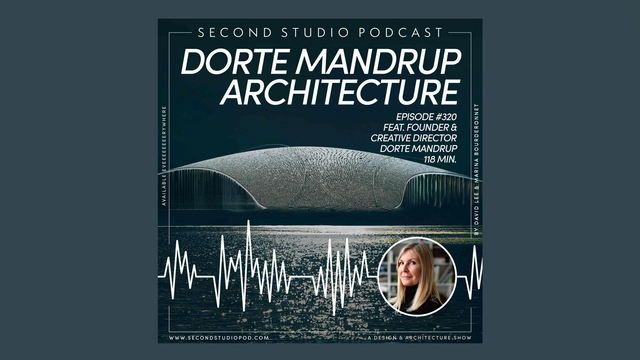
The Second Studio (formerly The Midnight Charette) is an explicit podcast about design, architecture, and the everyday. Hosted by Architects David Lee and Marina Bourderonnet, it features different creative professionals in unscripted conversations that allow for thoughtful takes and personal discussions.
A variety of subjects are covered with honesty and humor: some episodes are interviews, while others are tips for fellow designers, reviews of buildings and other projects, or casual explorations of everyday life and design. The Second Studio is also available on iTunes, Spotify, and YouTube.
Mies Crown Hall Americas Prize (MCHAP) Director Dirk Denison and 2023 MCHAP Jury Chair Sandra Barclay (Barclay & Crousse) have just announced the six finalists for the 2023 Americas Prize. The award recognizes the best-built works of architecture in the Americas completed between December 2018 and June 2021. This represents the latest stage of the fourth cycle of the MCHAP, launched in Venice, Italy, in August 2021. On March 24, 2023, the jury will announce the winners of the the 2023 Americas Prize. The authors of the winning project are set to receive a $50,000 fund for research along with a publication.
From Taiwan to the Netherlands to Uruguay, Jakub Sawosko has extensively been photographing concrete architecture all over the world and displaying them on Instagram as @sh_sh_welt.
After living surrounded and fascinated by post-war concrete architecture in Europe in his early years, Sawosko moved to Taiwan where he eventually realized that Modernism had heavily influenced Taiwan as well. "I felt that [Taiwan's distinctive style of architecture] deserved more recognition", explains Jakub in conversation with ArchDaily via Instagram.
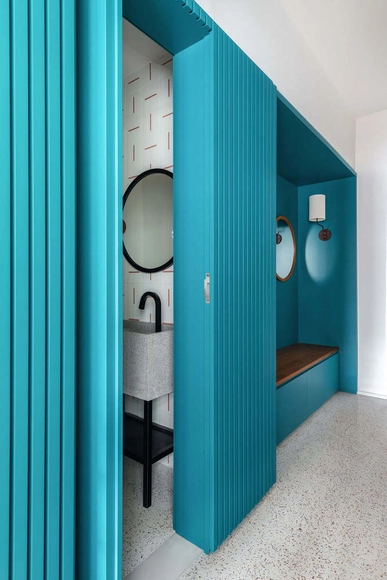
The washroom is a space often used by visitors. It can be the first impression one has of its owners. As small areas are usually the most difficult to innovate in an interior project, we have gathered some creative examples of this room.
A room with a toilet and a sink is enough to be called a washroom. Open and connected with other environments or closed, by innovating in materials, textures and colors, it can bring a lot of personality to the building. Below, check out 15 projects that can serve as inspiration.
In the architectural world, unestablished practices are often overlooked, yet, by challenging the traditional dogmas of the industry, they can have a significant impact on the built environment. The Young European Architecture Festival (YEAH!) explores the work of these upcoming architectural offices, looking at how they share ideas visions and experiences at the European level. The event is divided in two sections: Habitats, exploring ideas of domesticity and the residential typology, and Hybrids, initiatives that are rethinking the traditional systems of city planning.
The following represents a selection of projects by emerging architectural practices selected by YEAH! For the Hybrids category. Many of these initiatives are challenging the ideas of public space, but in doing so, they are also shedding light on the larger social structures at play in these spaces. The selection includes community spaces, schools, transportation hubs, and even projects initiated by the architects themselves, who have noticed deficiencies in their environment and are working to not only correct them but to enhance their presence and empower the local community through them.
During the first half of the 2nd century AD, one of the most important buildings in the history of Western architecture was erected in Rome: the Pantheon. Its main and most impressive feature is its coffered concrete dome, which ends in a perfectly round central opening. This oculus kicked off a series of later projects that noted the value of circular openings, which were replicated as glazed skylights and as compositional elements on facades. This eventually evolved, for example, into the detailed and colorful rose windows of the Gothic basilicas. In all its configurations, the oculus (meaning "eye" in Latin) holds symbolism that goes beyond that of a traditional window: its luminous projection gracefully marks the passage of time, solemnly highlighting an architectural space.
Courtesy of 70°N arkitektur, Snøhetta and Joar Nango
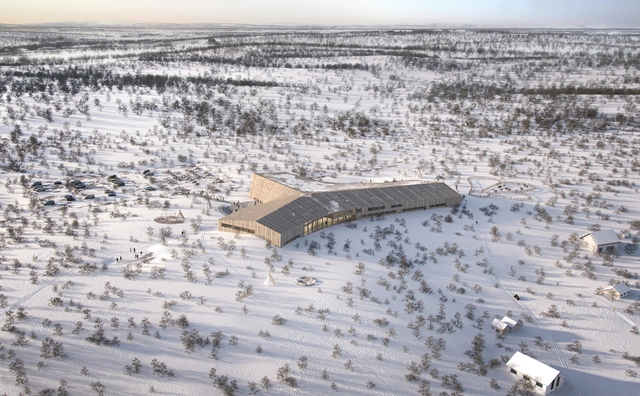
The Sámi National Theater Beaivváš and Sámi High School and Reindeer Husbandry School are two of the most important cultural institutions of Sápmi, a region in northern Norway, Sweden, and Finland traditionally inhabited by the Sámi people. To strengthen the position of the two institutions, a project was initiated in June 2021 to create a shared cultural and educational facility. A design proposal by 70°N arkitektur, in collaboration with Snøhetta and artist and architect Joar Nango, was chosen following a competition. The building, also known as Čoarvemátta, is currently under construction and is expected to be completed by 2024.
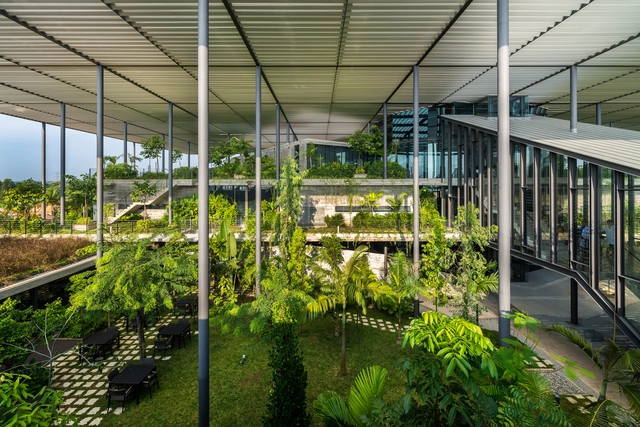
The idea of "Biophilia" was defined as "love of life" in ancient Greece. Although the term may seem relatively new, coming across as a trend in the fields of architecture and interior design, the concept of biophilia was introduced by psychologist Erich Fromm for the first time in 1964 and then popularized in the 1980s by biologist Edward O. Wilson, who studied the lack of connection with nature caused by urban life.
The guiding principle is quite simple: connect people with nature to improve their well-being and quality of life. How could architecture do that? By seeking alternatives to integrate nature – either through natural elements or techniques – into its designs.
Last November, the annual climate conference COP 27 came to a close in Sharm el-Sheikh with a tentative agreement, reached at the last moment, to set up a “loss and damage” climate fund for Africa and other developing countries. For Africans, this was cause for muted celebration, because for generations the continent has built its climate change agenda almost exclusively around the pursuit of climate justice, a desire to enforce liability on the industrialized nations responsible for the bulk of global carbon emissions. All of this has unfolded, in a sort of willful blindness, while a majority of Africans struggled with the most prosaic challenges: inefficient urban sanitation; poor stormwater management; a paucity of water, sanitation, and hygiene facilities; willful and unabated deforestation; and environmental degradation.
https://www.archdaily.com/996301/its-time-for-africa-to-chart-its-own-climate-change-agendaMathias Agbo, Jr.
The world's oldest stained glass window (which is still standing) is conventionally believed to be in Augsburg Cathedral in the German state of Bavaria. Depicting the prophets David, Jonah, Daniel, Moses and Hosea, it is estimated to be nearly 1,000 years old, having undergone significant bombing during World War II. Long before that, however, mankind had been working with glass, and while today we have thin frames with crystalline sheets and a variety of properties, we had to come a long way to get here. In this article we will tell you a little about the evolution of glass windows and the technologies and possibilities that we have today.
The 2022 FIFA World Cup was unique as the first FIFA tournament held in the Middle East. In another first, the FIFA World Cup, historically held between June and July, was moved to November and December, in view of Qatar’s 40˚C+ climate during the summer months. Even during the cooler months, Qatar’s average temperature reaches 26˚C. Combining this with the heat emitted by tightly packed spectators would at times have made the experience uncomfortable. As a result, Qatar air-conditioned eight of the nine open-air football stadiums – a significant challenge which was overcome through innovative design, technology and architecture and by utilizing spot cooling; and a complex undertaking when it is also important to maintain sustainability credentials.
To effectively cool the stadiums, the most crucial challenge was to prevent or at least reduce the hot air from outside coming into the stadium, which was achieved through the stadiums’ design and architecture.
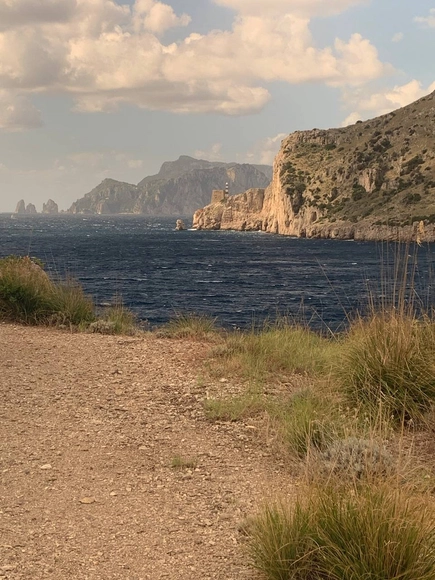
Baia di Ieranto. Image Courtesy of Fosbury Architecture
The project for the Italian Pavilion at the 18th International Architecture Exhibition – La Biennale di Venezia will be curated by Fosbury Architecture, a collective composed of Giacomo Ardesio, Alessandro Bonizzoni, Nicola Campri, Veronica Caprino, and Claudia Mainardi. Fosbury Architecture’s vision for the exhibition is based on a research practice that sees design as the result of collective and collaborative work. From January to April, leading up to the opening of the Biennale, nine site-specific interventions titled “Spaziale presenta” are set out to activate different locations across Italy.
Carbon footprint, circularity and environmental sustainability are terms that are increasingly present in many professional fields, but what do they mean? How do they relate to architecture and the built environment? We spoke with civil, environmental and sanitary engineer Lucas Rosse Caldas about these and other emerging architectural issues.
Lucas is a professor at the Graduate Program in Architecture at the Federal University of Rio de Janeiro and the Civil Engineering Program at the same institution. He participated in chapter 9 of the sixth report of the Intergovernmental Panel on Climate Change (IPCC) on buildings. He wrote several scientific and technical articles about architecture and sustainable construction.
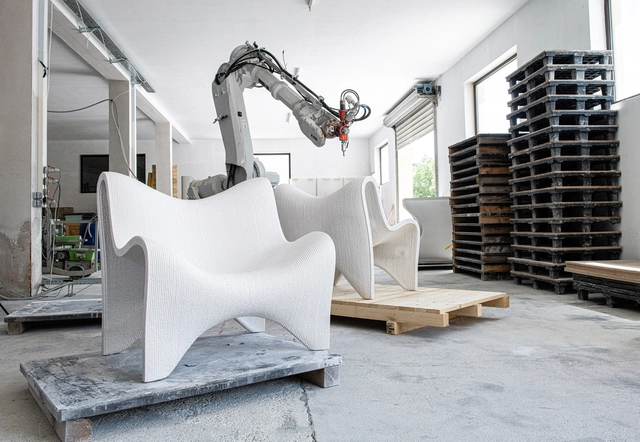
Can you imagine being able to prototype a piece of furniture at the touch of a button and testing it in just a few hours? This might become a common practice sooner than we may think. Fueled by material innovation, automation and cutting-edge technology, a new era in home decor is emerging; one where 3D printing opens up a world of creative possibilities that transcend the bounds of traditional design. Yes, furniture is still mass-produced using conventional methods –molding, cutting, bending–, but 3D printing continues to disrupt the industry. As the revolutionary technology evolves and becomes more accessible, it has unleashed an unparalleled level of creative expression and efficiency. The concept is simple: a digital design is created using 3D modeling software and then printed, layer by layer, in the form of a physical object, bringing complex geometries to life. It’s a whole new kind of digital craftsmanship.




















.jpg?1611324153 "Memorial Cemetery Parque das Cerejeiras / Crisa Santos Arquitectos. Photo © Isis de Oliveira")