From November 11th, 2015, to February 29th, 2016, the Cité de l’architecture & du patrimoine in Paris (FR) presents Renzo Piano Building Workshop. The Piano Method, an exhibition dedicated to the work of the Italian architect Renzo Piano.
The exhibition intends to reflect the collective approach of the architectural firm Renzo Piano Building Workshop, by showing the collaborative and experimental dimension of its projects, in term of technical innovation and design solutions on the urban scale. Exploiting the potential of different materials by pushing the limits of construction techniques is the idea.
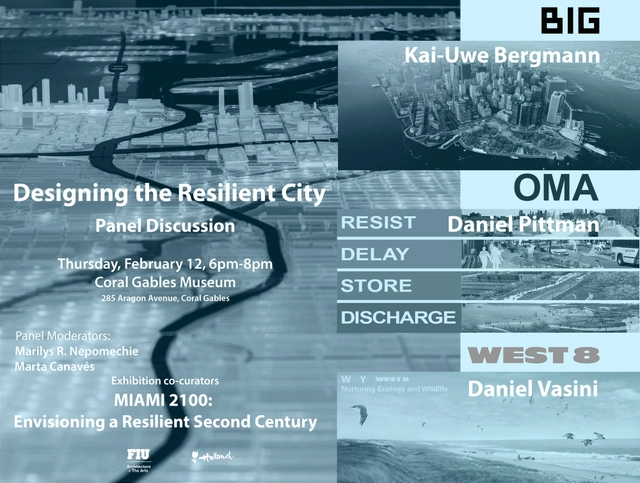
Climate change, particularly rising sea levels, is expected to have a substantial impact in Miami, Florida over the next 100 years. Miami 2100: Envisioning a Resilient Second Century, an exhibition at the Coral Gables Museum, addresses this pressing issue, examining effective design solutions through the lens of architecture, landscape architecture, and urban planning. The exhibition of graduate student work from Florida International University uses the city's existing infrastructure and architecture as the groundwork for future adaptation and development. A panel discussion highlighting the topic will take place on Thursday, February 12, with architects from BIG, OMA and West 8. Learn more, after the break.
When fears regarding environmental pollution and potential catastrophe were at a high in the 1970s, Haus-Rucker-Co set out to develop a “new concept of architecture.” Based in Vienna, the group was known for their interactive exhibitions and their development of utopian architectural ideas, which showed how people could affect their own environment. Now, their work between 1967 and 1977 is the theme of “Architectural Utopia Reloaded,” the latest exhibition on display at the Haus am Waldsee in Berlin.
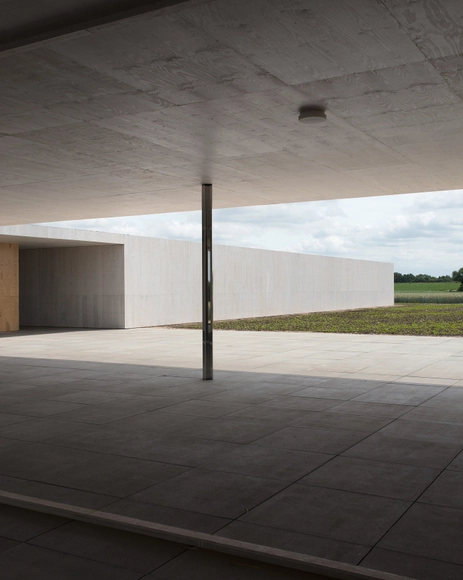
On the surface, Mies van der Rohe's minimalist linear designs have little in common with the kitsch of vernacular architecture in the German countryside. Enter Joachim Brohm, who rose to prominence in the 1980s as one of the first European architecture photographers to work in colour, and now in a current exhibition draws an unexpected parallel between van der Rohe's designs for the unrealized Krefeld Golf Club in Germany and the rudimentary constructions of vernacular post-war architecture.
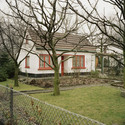
In "Vernacular & Modern," the latest exhibition at London's Grimaldi Gavin gallery, two of Brohm's photo series are juxtaposed to create a new narrative on architectural context. In Typology 1979, Brohm documents a series of vernacular houses in Ruhr, Germany; while in Mies Model Study, Brohm enters the temporary installation of van der Rohe's unbuilt golf club through a life-size model. Together, the two series contrast the highly aestheticized minimalist world of Mies van der Rohe with highly functional buildings of necessity in the German countryside.
"What is the role of the architect as a visionary; can the architect (or should the architect) assume the position of social or urban orchestrator? Can architecture’s presence in a technocracy promote a vision outside of its intentions?" - Professor Paul Robinson
The thirty-second Piran Days of Architecture international conference will take place on November 22, organized around the central theme of Vision. The conference will explore a contemporary methodology for interpreting the myriad facets of an architect's vision in the context of "increasing technological, sociopolitical, sociocultural and environmental demands."
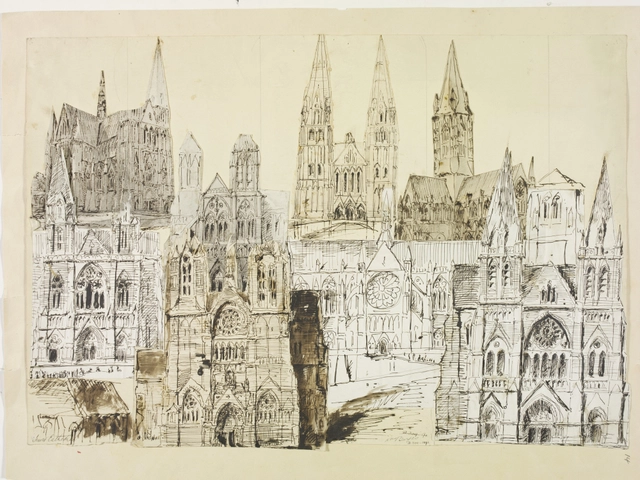
Designs for Truro Cathedral, 1878 Artist: William Burges. Image Courtesy of Victoria and Albert Museum, London
Drawings have long been used as a method for architects to represent their projects. However, architects sometimes make drawings to communicate a sense of space in a deeper and more meaningful way - in a manner that begins to venture into the realm of art. A new exhibition opening at London's V&A Museum this Saturday entitled Architects as Artists examines the overlapping relationship between architecture and art, and documents the many ways in which it is used and created.
As the culmination of a 14-month initiative to examine new architectural possibilities for rapid growth in six megalopolises - Hong Kong, Istanbul, Lagos, Mumbai, New York, and Rio de Janeiro - the Museum of Modern Art is preparing to open Uneven Growth: Tactical Urbanisms for Expanding Megacities on November 22. The exhibition will present mappings of emergent modes of tactical urbanism from around the globe alongside proposals for a bottom-up approach to urban growth in the highlighted cities by six interdisciplinary teams made up of local practitioners and international architecture and urbanism experts.
Curator Pedro Gadanho, in collaboration with the Austrian Museum of Applied Arts (MAK), states:
“The exhibition features design scenarios for future developments that simultaneously raise awareness of the prevailing inequalities in specific urban areas and confront the changing roles of architects vis-à-vis ever-increasing urbanization. Each team in the exhibition was asked to consider how emergent forms of tactical urbanism can respond to alterations in the nature of public space, housing, mobility, spatial justice, environmental conditions, and other major issues in near-future urban contexts.”
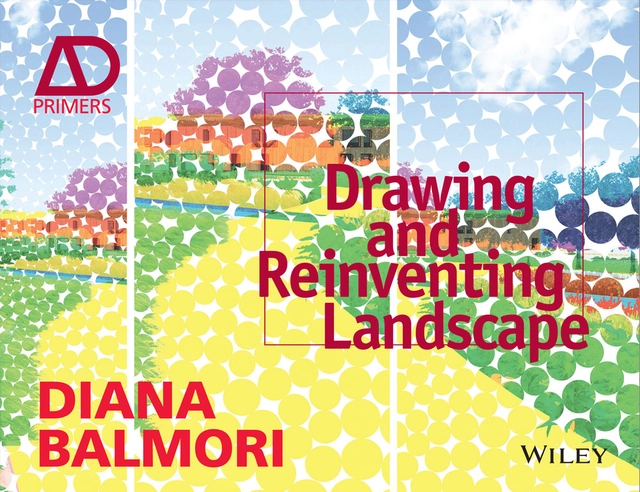
On Wednesday, November 5, Diana Balmori will visit the Strand to chat about Drawing and Reinventing Landscape with the MoMA's architecture curator, Barry Bergdoll. Diana's book examines digital, analog and hybrid methods of representing landscape and places the contemporary landscape architecture within its fascinating historical context. This exclusive Strand chat will investigate crucial aspects of the design process. Join as these two experts discuss this important design topic at a moment of increasing global environmental change. More information here.
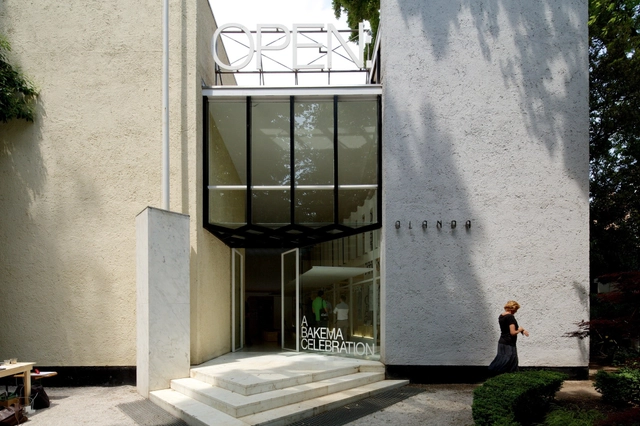
On November 20-21, AMO is hosting a discussion event at the Venice Biennale focusing on the past, present and future of Dutch architecture in which 30 young architects will be invited to present their agenda for architecture in the Netherlands for the next 10 years. Over the course of the two days, each participant will present will deliver a 7-minute presentation looking at architecture in 2024 to answer the question "where will you be and will you be doing?" Find out more about the event, and how you can be a part of it, after the break.
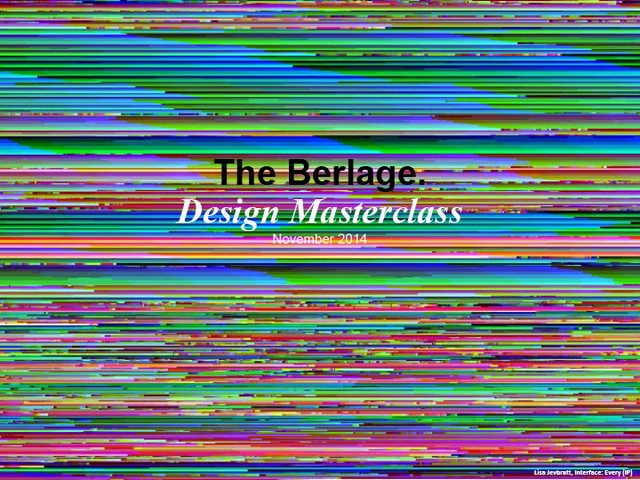
The Berlage is pleased to announce that internationally acclaimed architect Ben van Berkel, cofounder and principal architect of UN Studio, is leading a design master class in November 2014 entitled “Architecture without Architects.. Architects without Architecture?”
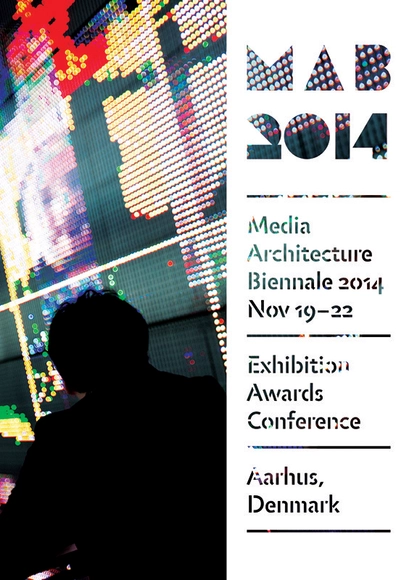
Architects, designers and artists meet with academia and industry, when the world’s premier media architecture event takes place on 19-22 November in Aarhus, Denmark, with a pre-event in Copenhagen.
The biennale brings together people and organizations that work with media and the built environment: With media facades, with urban screens and with buildings that communicate – be it with colorful LEDs, flashing light bulbs, or with heat-sensitive concrete that ’freezes’ the shadows of passers-by. Across professions and nationalities, participants will create and discuss the media architecture of the future. And they will investigate how media architecture shapes people’s lives in the cities of the world.
Melbourne Now celebrates the latest art, architecture, design, performance and cultural practice to reflect the complex creative landscape of Melbourne.
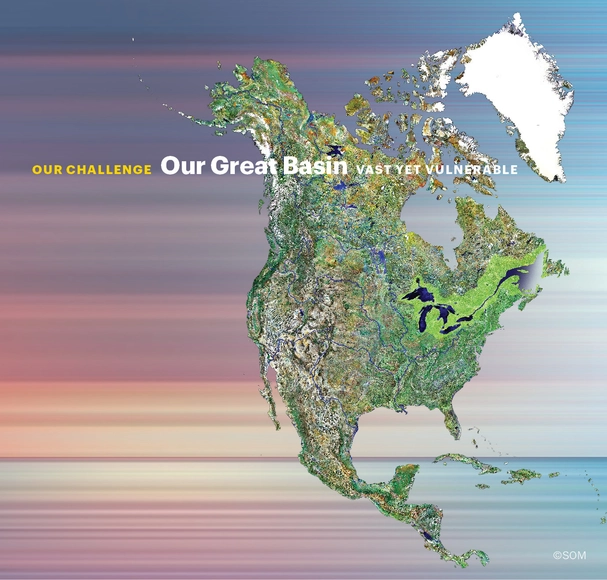
Great Cities, Great Lakes, Great Basin engages the public with the vastness and vulnerability of the earth’s largest surface freshwater resource, which spans from Duluth, Minnesota to the Atlantic Ocean. The exhibition depicts the Great Basin as one region defined by the watershed rather than political boundaries and illustrates a vision for the region as an international park that encompasses culturally-rich urban and rural areas. The exhibition also highlights initiatives around the region that Basin cities can learn from to enhance quality of life.
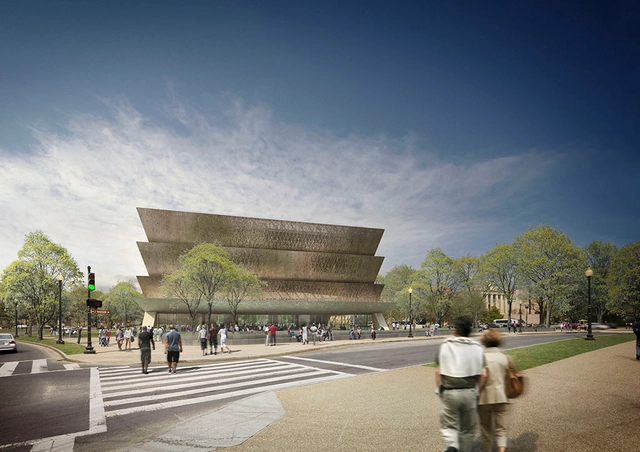
Smithsonian Institution’s National Museum of African American History and Culture, Washington, D.C. | Image Courtesy of Adjaye Associates
Each year The Architectural League in its Current Work program presents the work of significant international figures who powerfully influence contemporary architectural practice and shape the future of the built environment. David Adjaye will present his work in a public lecture to be followed by a conversation with moderator Gregg Pasquarelli, founding principal at SHoP Architects.
Arup Associates was founded in 1963 by the legendary engineer Ove Arup as a design practice in which engineers and architects worked on an equal footing; it later became a subsidiary of Arup (also founded by Arup as Arup and Partners in 1946). These early origins marked Arup Associates as a forward-thinking and revolutionary practice in an era where truly multi-disciplinary practices were almost unheard of.
To celebrate their 50th anniversary, Arup Associates is hosting a retrospective exhibition at their offices in London.
FXFOWLE Architects, Museum of the Built Environment, Riyadh, Saudi Arabia, estimated completion 2016
This exhibition features projects by renowned architects of schools, museums, art galleries and cultural spaces via models, photos, prints, and drawings. Art works by National Academy School faculty and students continue the debate of line, form, space and light as inspired by architectural forms and interiors.
View of the Civic Square From Rovaniemi Town Hall, Hallituskatu 7. Photo: Jukka Suvilehto/Provincial Museum of Lapland
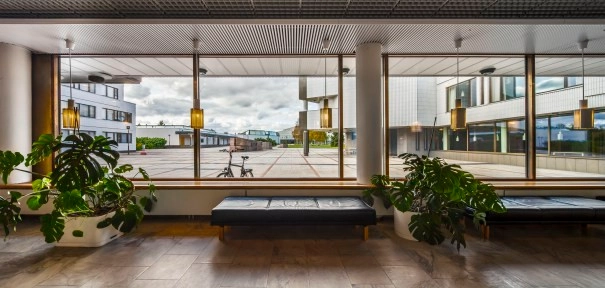
Aalto’s architecture in Rovaniemi, a new exhibition at the Alvar Aalto Museum, takes an in-depth look at Alvar Aalto’s work in and around Rovaniemi. As well as the administrative and cultural centre, the works on show include lesser-known residential and commercial buildings. The exhibition, collated by the Provincial Museum of Lapland, will be open in the Gallery at the Alvar Aalto Museum from 1.11.2013 to 2.2.2014.
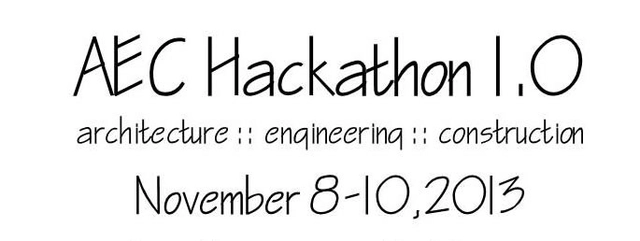
A first for the AEC Industry, the AEC Hackathon is a non-profit event that brings together teams of Silicon Valley technologists and industry stakeholders to help shape the future of our built environment. Formatted as a traditional "hack", the AEC Hackathon provides a playful, exploratory environment where disruption, innovation, and creative ideas are brought to life.



_Haus-Rucker-Co__Gerald_Zugmann.jpg?1419952561&format=webp&width=640&height=580)





_11.32.27.jpg?1383842723&format=webp&width=640&height=580)